
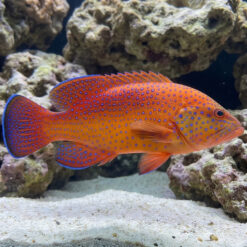
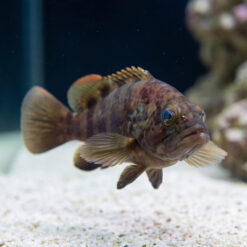
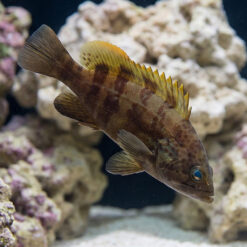
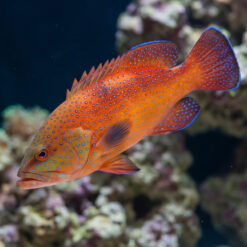
Blue Spotted Grouper
Cephalopholis taeniops
| Stock | Variations | Price | Quantity |
|---|
Every order ships with our standard 3-hour live arrival guarantee. Need more time? Add our 5-Day Guarantee at checkout.
Full guarantee terms →Ships Monday – Thursday for next-day arrival at your nearest FedEx Hold location — typically ready by 9 AM. We monitor every delivery.
Shipping details →
Monday – Friday 8 AM – 9 PM
Saturday 12 PM – 4 PM
Sunday 12 PM – 9 PM
Healthy, stable animals from vetted suppliers — inspected before packing, shipped overnight. Decades of experience built this model so we can deliver premium livestock at 30%+ less than you'd pay elsewhere.
| Care Level | Expert |
|---|---|
| Temperament | Aggressive |
| Reef Safe | No |
| Functional Benefit | Ornamental Only |
| Diet Type | Carnivore |
| Mininum Tank Size | 300 gallons+ |
| Max Size | 24 inches |
| Temperature | 72–78°F |
| pH Range | 8.1–8.4 |
| Specific Gravity | 1.022–1.025 |
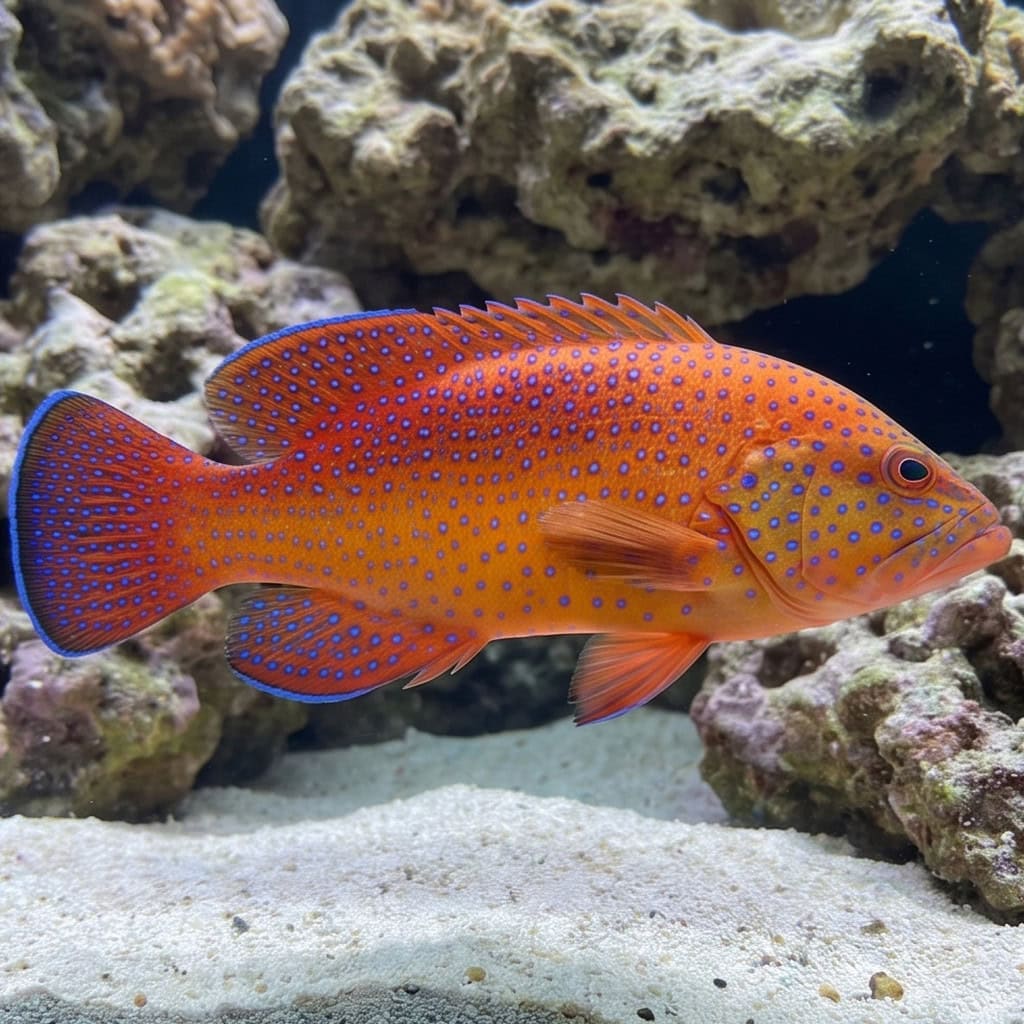
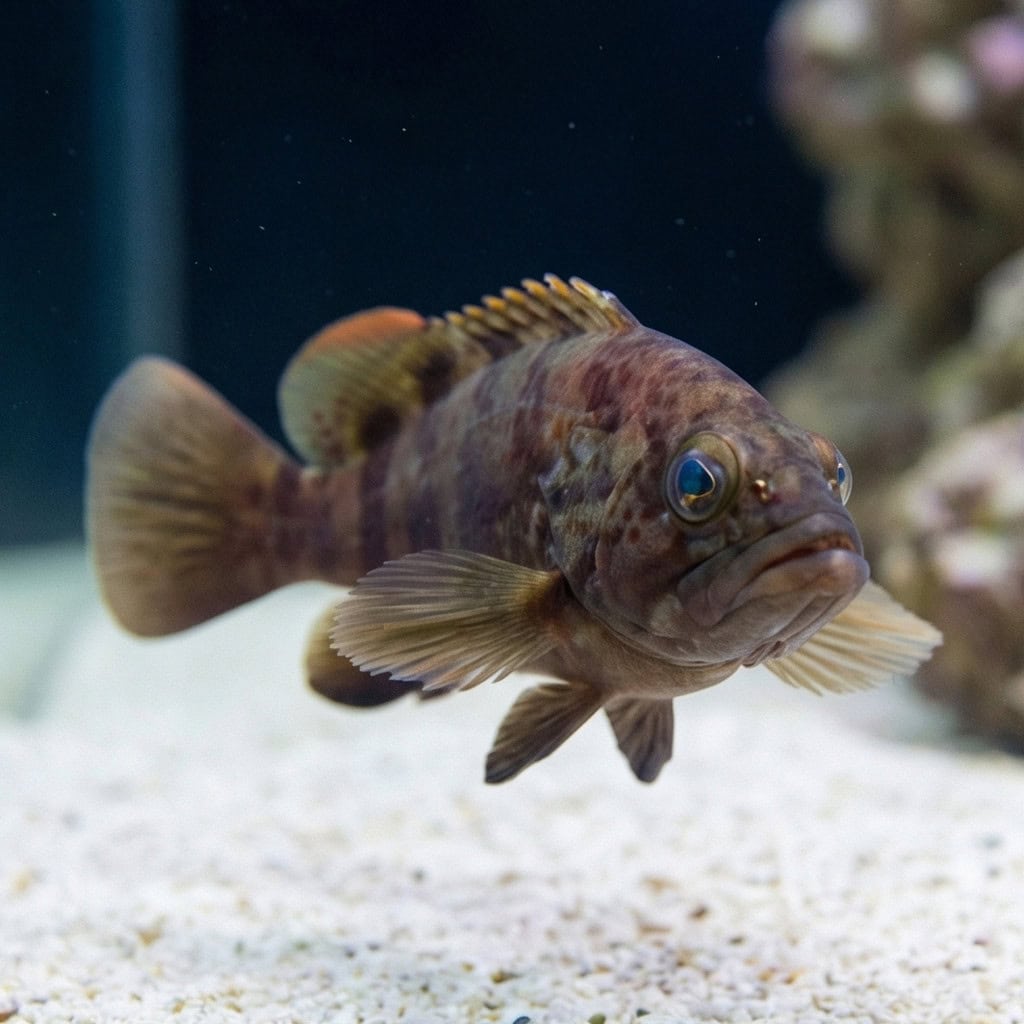
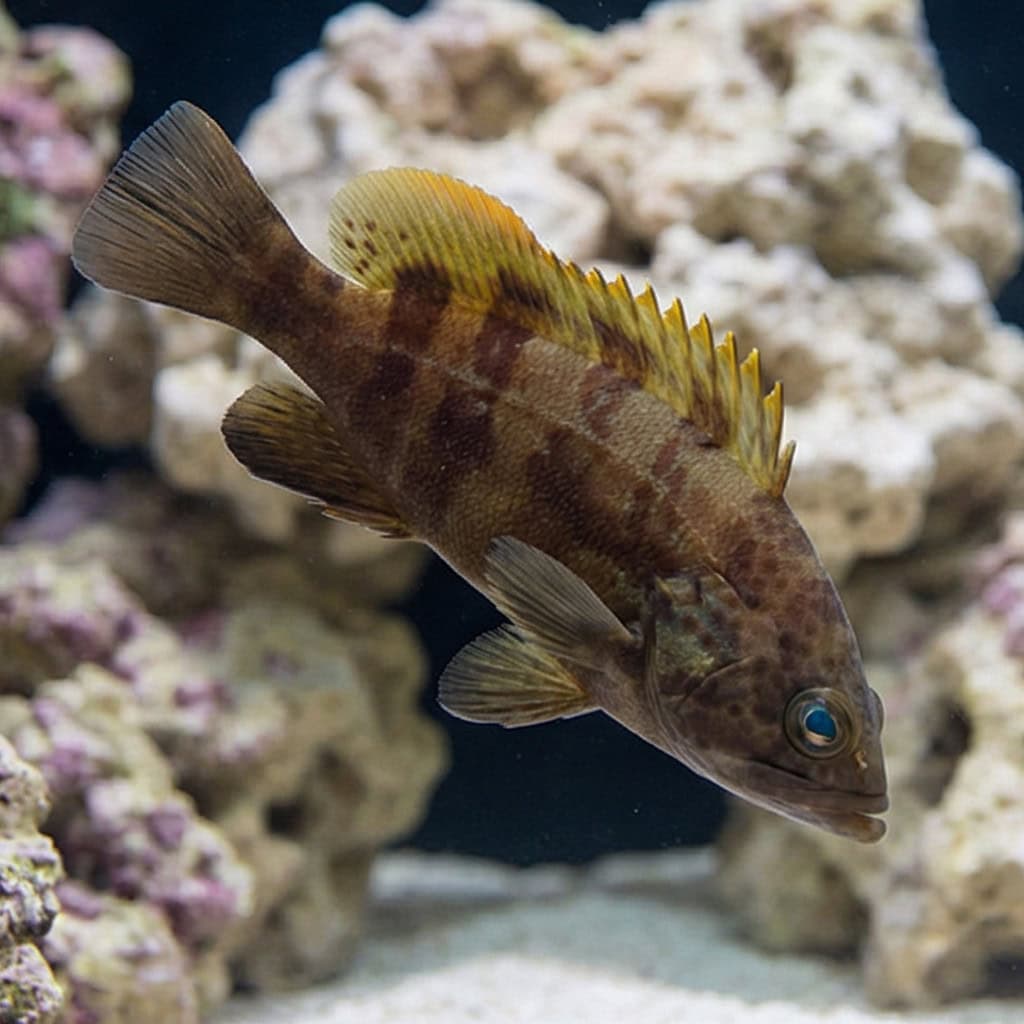
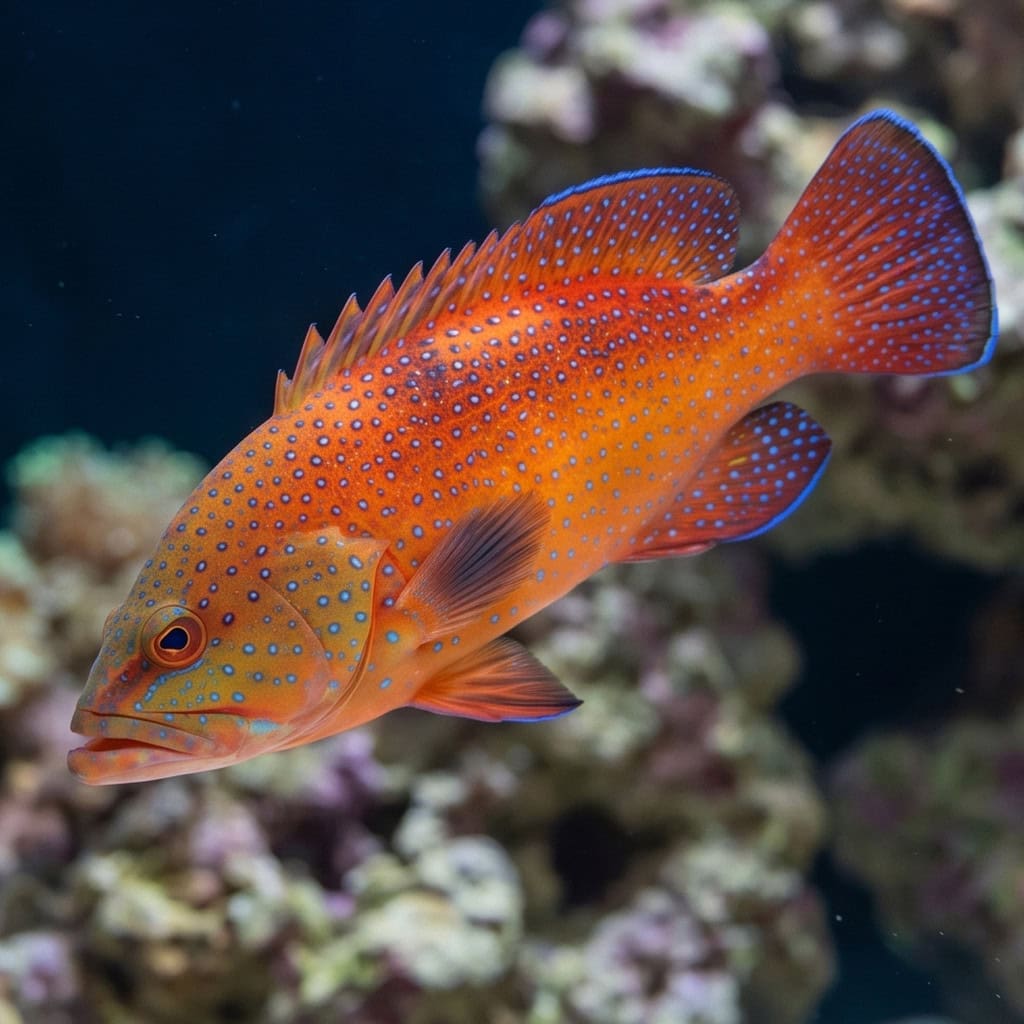
The Blue Spotted Grouper (Cephalopholis taeniops) is a large hind-style grouper from the eastern Atlantic, known for a red-orange body covered in fine blue spotting. In aquariums it presents as a rockwork-oriented predator that alternates between still “hovering” and short, powerful bursts of swimming.
What You’ll Observe:
- Picks a favorite cave or ledge and regularly returns to the same spot between patrols
- Watches the room from the rockwork and quickly learns where food enters the tank
- Moves in quick, decisive bursts when feeding, then settles back into a resting hover
- Spends much of the day near structure, then becomes more active around feeding times
Provide a very large, stable fish-only or predator-compatible system with heavy rockwork, multiple shelter choices, and strong filtration sized for messy meaty feeding. Offer marine-based foods (shrimp, krill, chopped seafood, and quality frozen blends) in portions it can swallow comfortably, and keep feeding consistent so it stays on a routine. With space and a defined “home base,” this species becomes a steady, predictable centerpiece fish.
How long does it usually take to start coming out where you can see it regularly?
Many settle in by choosing one cave on day one, then begin doing short patrols once feeding times are consistent (often within the first week or two).
Will it eat from a feeding stick or tongs?
Most groupers learn quickly if you offer the same food in the same spot; a feeding stick also helps keep food from drifting behind rockwork.
Is the wide “yawning” or gill-flaring behavior normal?
Yes—groupers commonly do this as a routine stretch/respiration motion, especially when they first wake up or get excited for food.
Does it recognize its keeper?
Many do; they often start tracking movement outside the glass and will wait in their usual spot when they learn your feeding schedule.
What’s the easiest way to choose tankmates without constant food-related chasing?
Use tankmates that are similarly robust at feeding time and clearly too large to be considered prey, then feed in a predictable routine so everyone anticipates the same schedule.
We work with trusted suppliers who keep our specimens healthy and well-fed before shipping.
Recently viewed products