
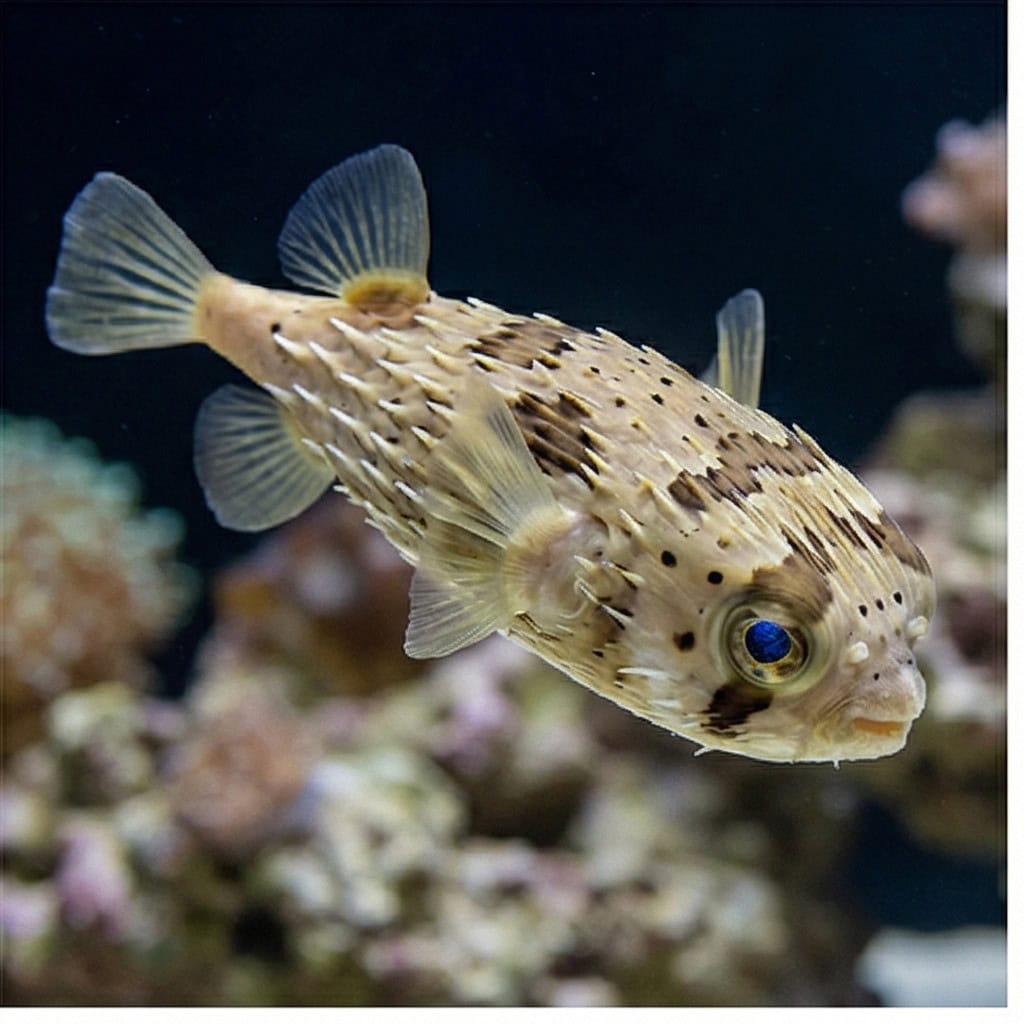
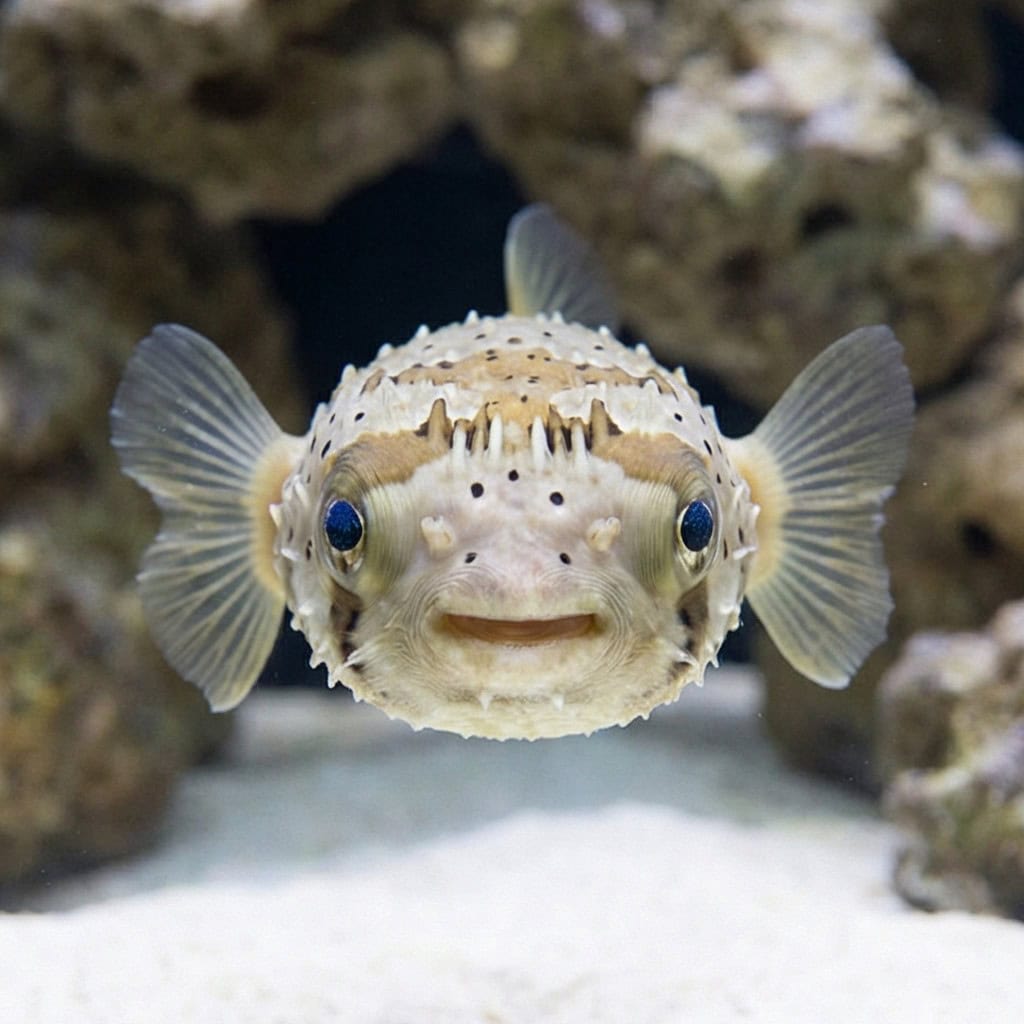
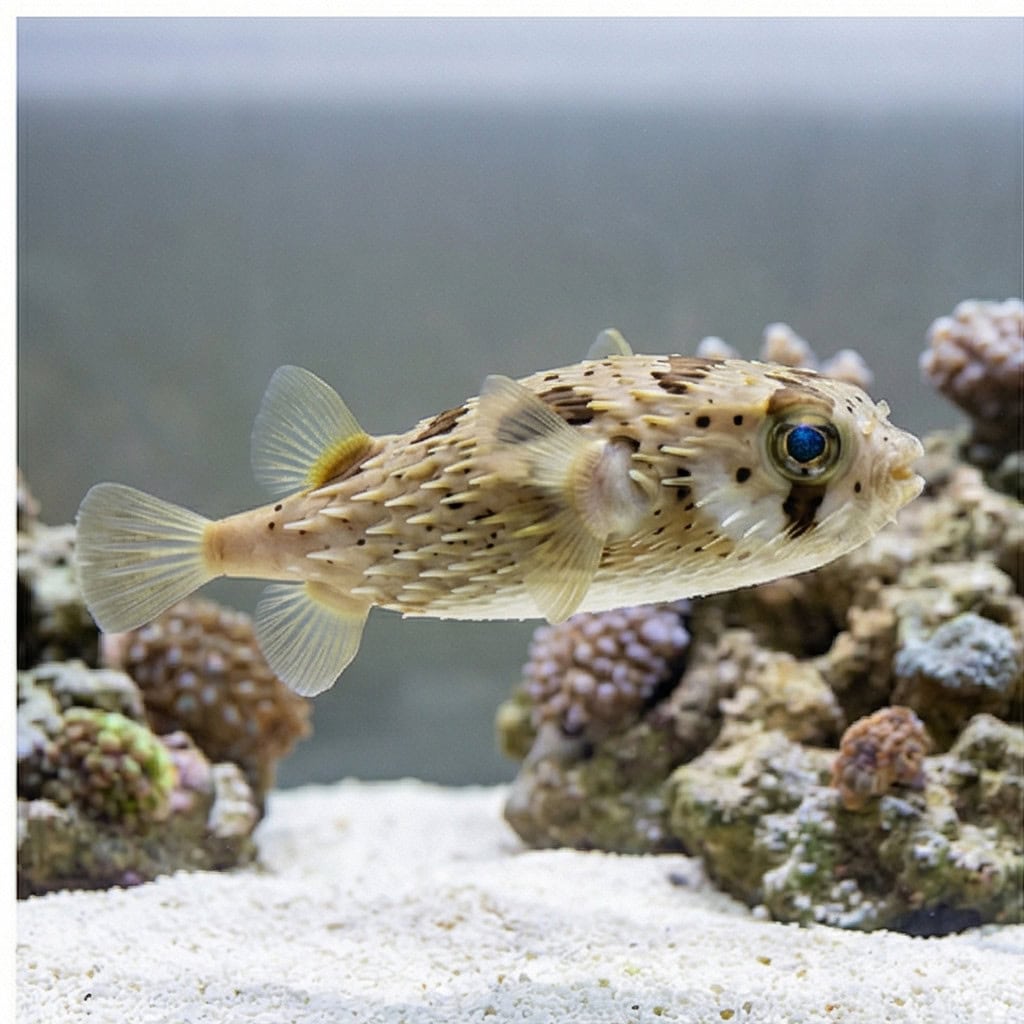
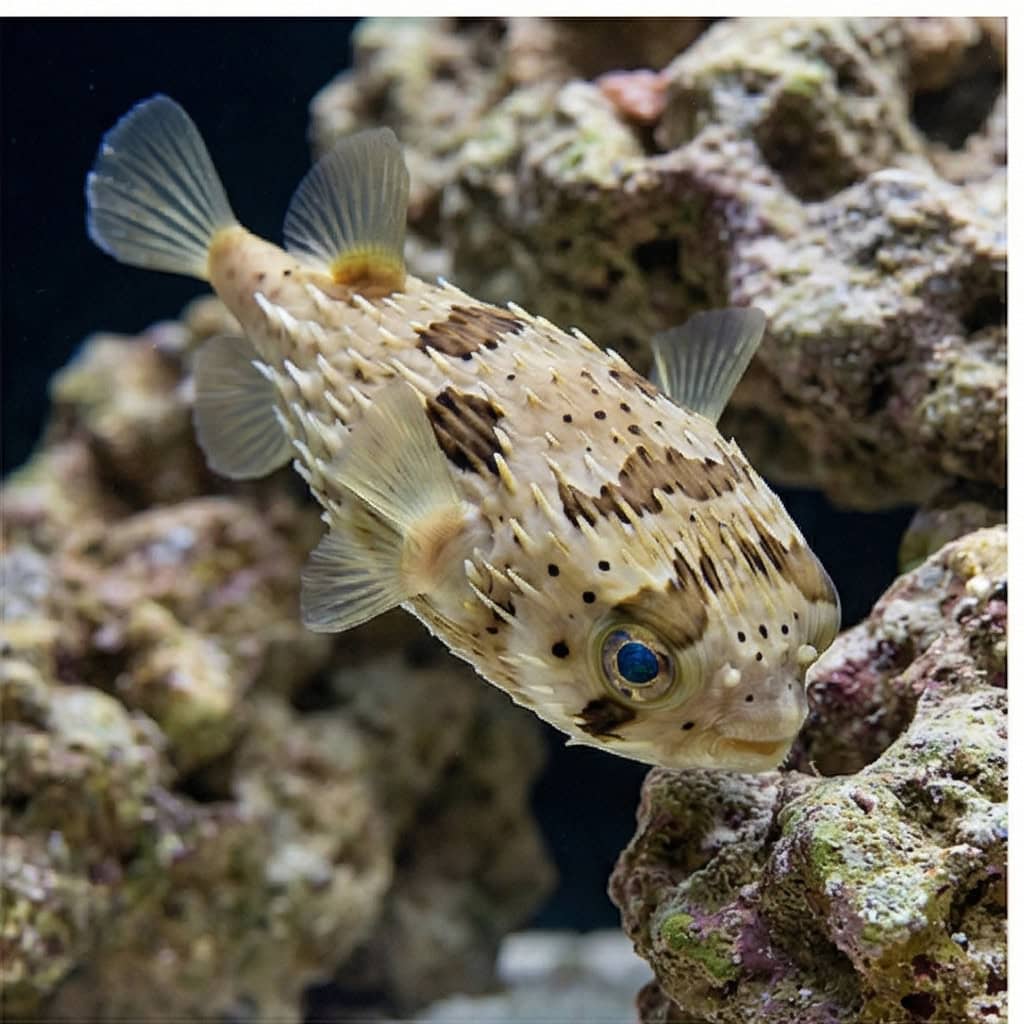
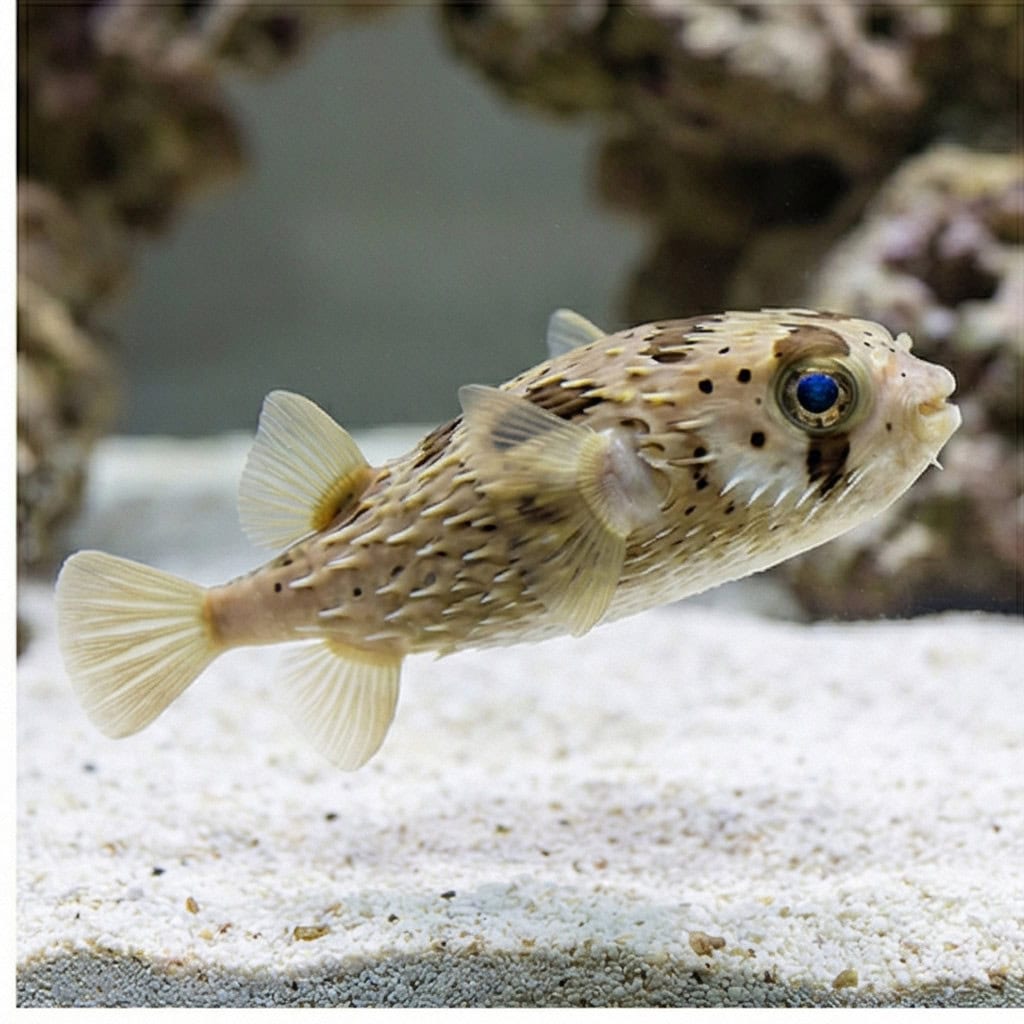
Black-Blotched Porcupine Puffer
Diodon liturosus
| Stock | Variations | Price | Quantity |
|---|
Every order ships with our standard 3-hour live arrival guarantee. Need more time? Add our 5-Day Guarantee at checkout.
Full guarantee terms →Ships Monday – Thursday for next-day arrival at your nearest FedEx Hold location — typically ready by 9 AM. We monitor every delivery.
Shipping details →
Monday – Friday 8 AM – 9 PM
Saturday 12 PM – 4 PM
Sunday 12 PM – 9 PM
Healthy, stable animals from vetted suppliers — inspected before packing, shipped overnight. Decades of experience built this model so we can deliver premium livestock at 30%+ less than you'd pay elsewhere.
| Care Level | Moderate |
|---|---|
| Temperament | Semi-Aggressive |
| Reef Safe | No |
| Functional Benefit | Ornamental Only |
| Diet Type | Carnivore |
| Mininum Tank Size | 300 gallons+ |
| Max Size | 24 inches |
| Temperature | 72–78°F |
| pH Range | 8.1–8.4 |
| Specific Gravity | 1.022–1.025 |
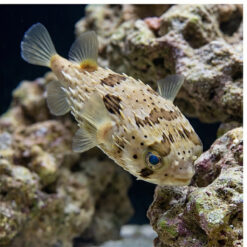
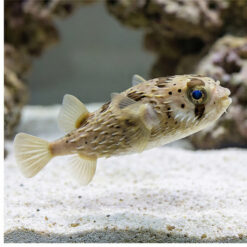
The Black-Blotched Porcupine Puffer (Diodon liturosus) is a large porcupinefish with a sandy-tan body, bold dark blotches often outlined in lighter rings, and short spines that lay back until the fish inflates. It’s a reef- and rock-associated Indo-Pacific species that becomes a true centerpiece fish as it grows.
What You’ll Observe:
- Slow, controlled “hovering” and cruising powered by the pectoral fins
- Regular use of caves and overhangs, with more activity around dusk/dawn
- Direct interaction at the glass once it learns your feeding routine
- Crunching, grinding feeding style when offered firmer, textured foods
Provide a spacious fish-only or FOWLR setup with open swimming room, sturdy rockwork for retreats, and strong filtration to keep water quality consistent. Offer a varied menu of meaty items (shrimp, squid, clam, mussel), and include shell-on foods (like clams or mussels on the half shell) to support natural tooth wear.
How often should I feed a Black-Blotched Porcupine Puffer?
Most keepers do best with smaller portions once daily (or split into smaller feedings), adjusting to the fish’s body condition and activity level rather than feeding large meals at once.
What are the best “toothy” foods to help prevent beak overgrowth?
Rotating in hard/shelled options (clams, mussels, shell-on shrimp, crab pieces) gives the fish more natural grinding action than soft foods alone.
Is it normal if my puffer inflates (“puffs”) sometimes?
Occasional puffing can happen if the fish is startled or excited; most keepers focus on keeping handling calm so puffing stays an infrequent event.
Why does it rest on rockwork or wedge into a cave during the day?
Many porcupinefish spend daytime hours tucked into structure and become more active in lower light periods, so a secure retreat is part of normal daily behavior.
Will it recognize me or take food from tongs?
With consistent feeding, many individuals learn to approach the front and accept food from tongs, which also helps you portion meals and vary foods cleanly.
We source from vetted suppliers known for healthy, long-lived specimens.
Recently viewed products