
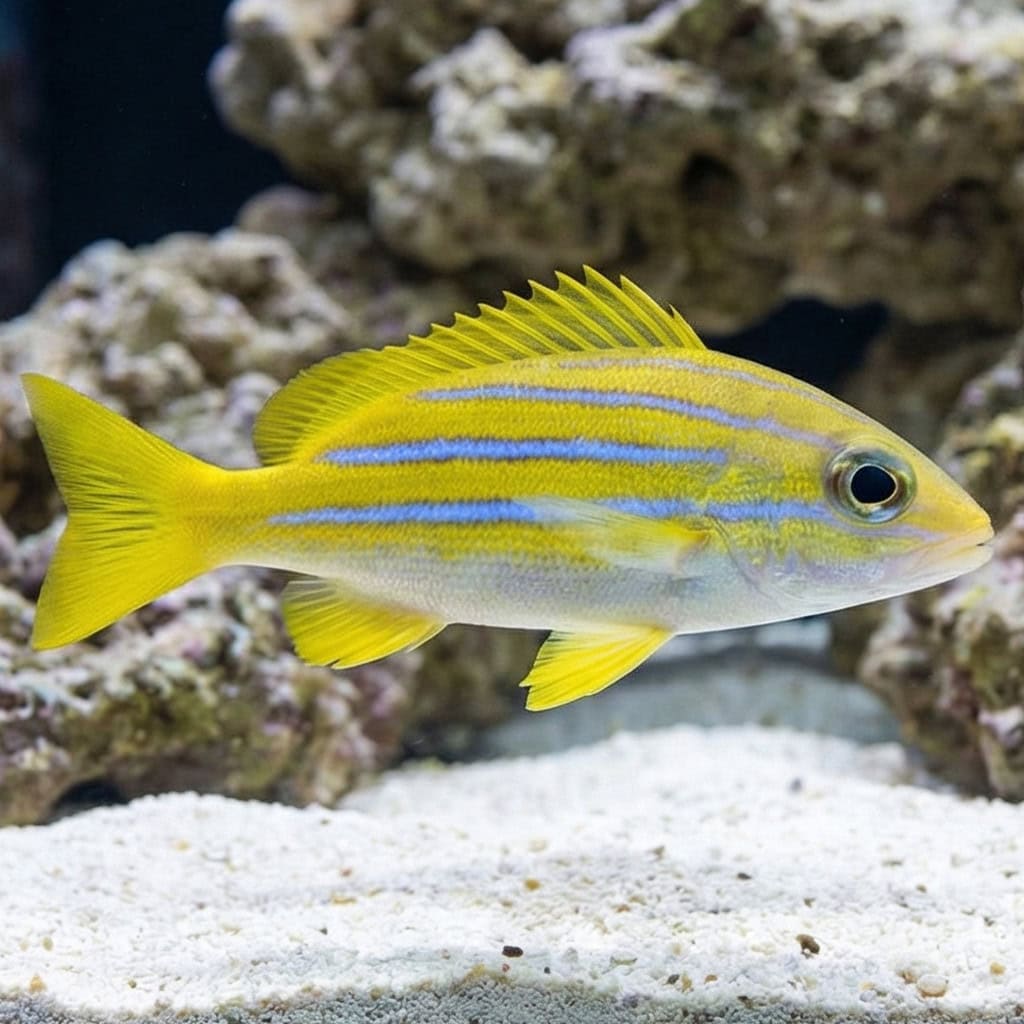
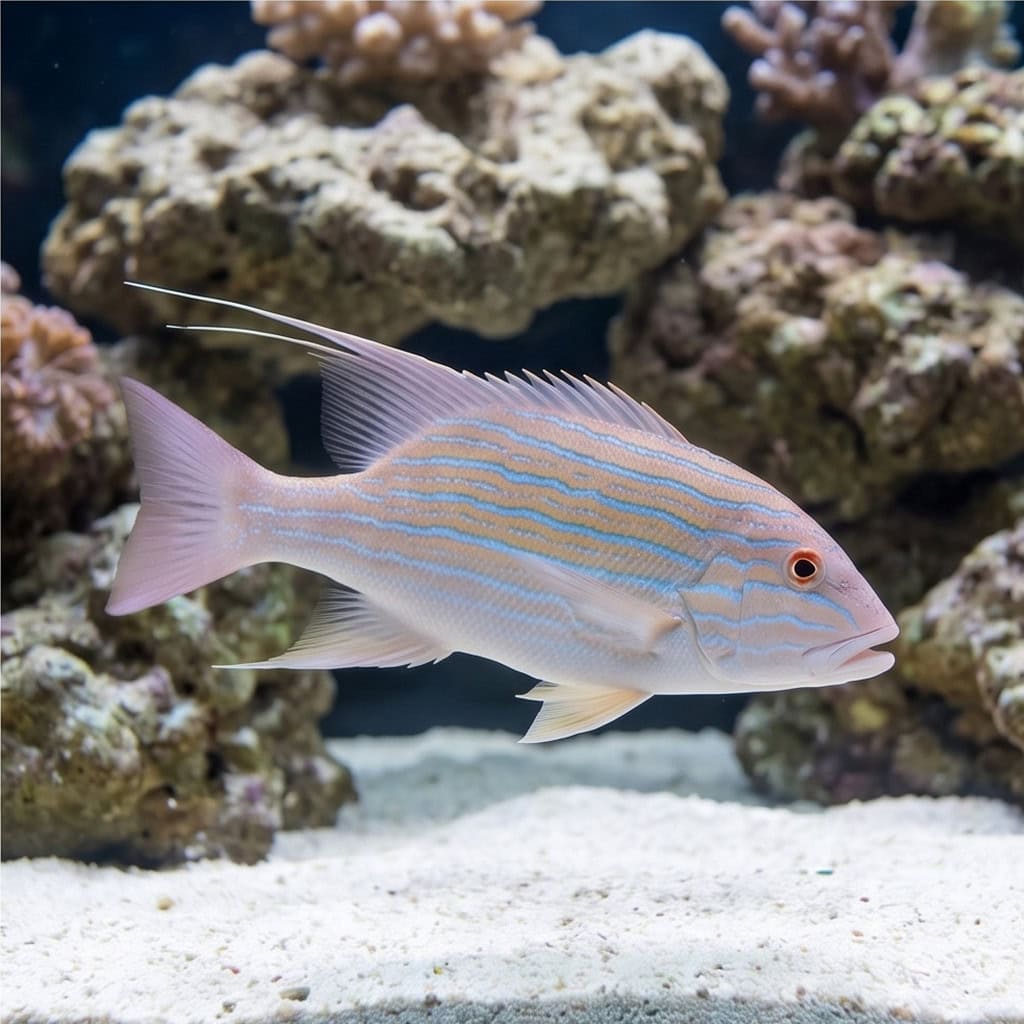
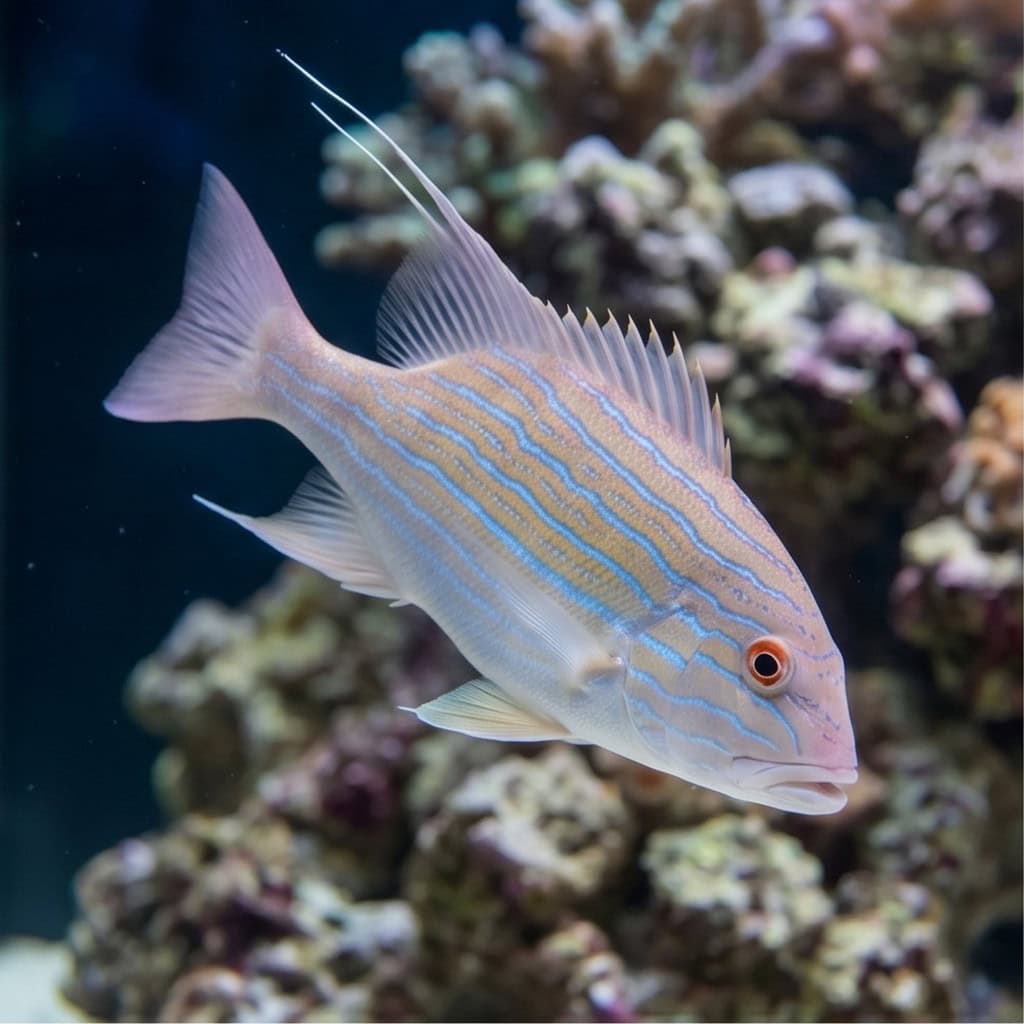
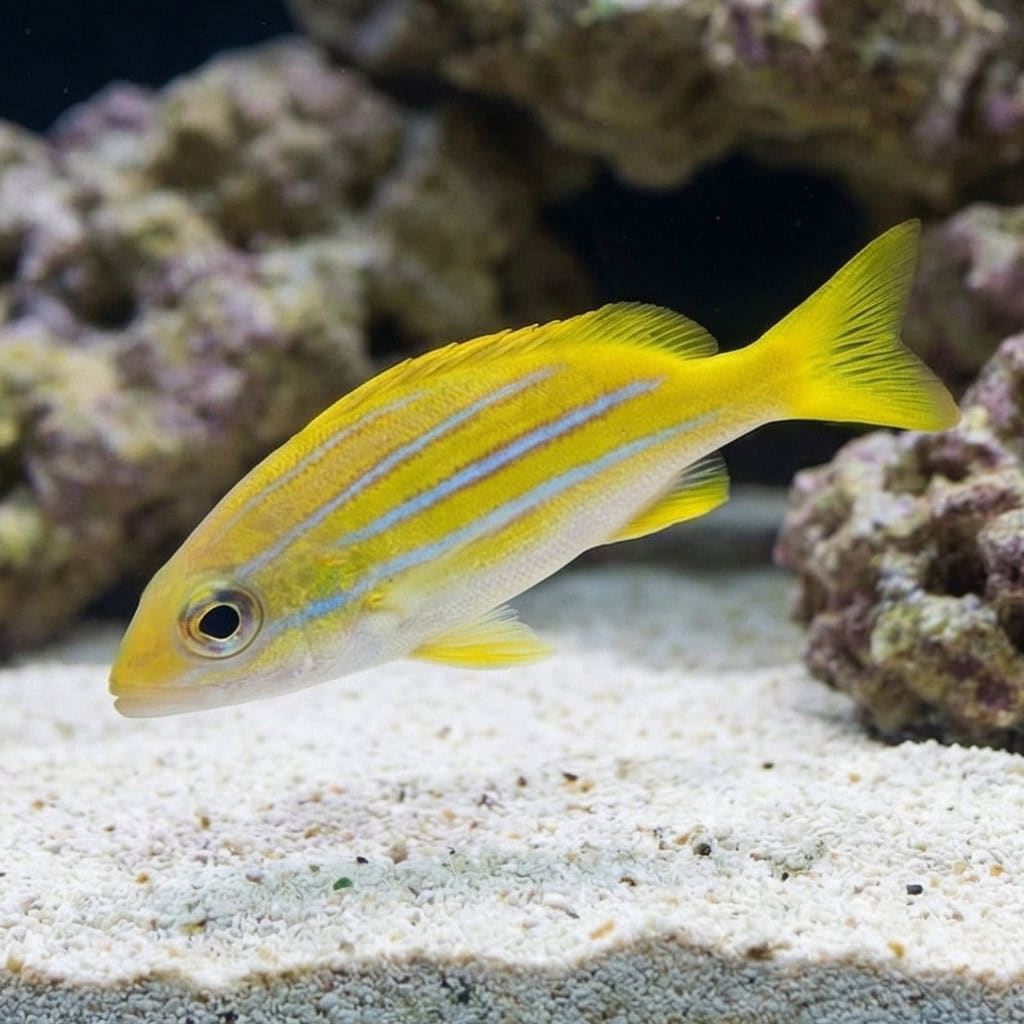
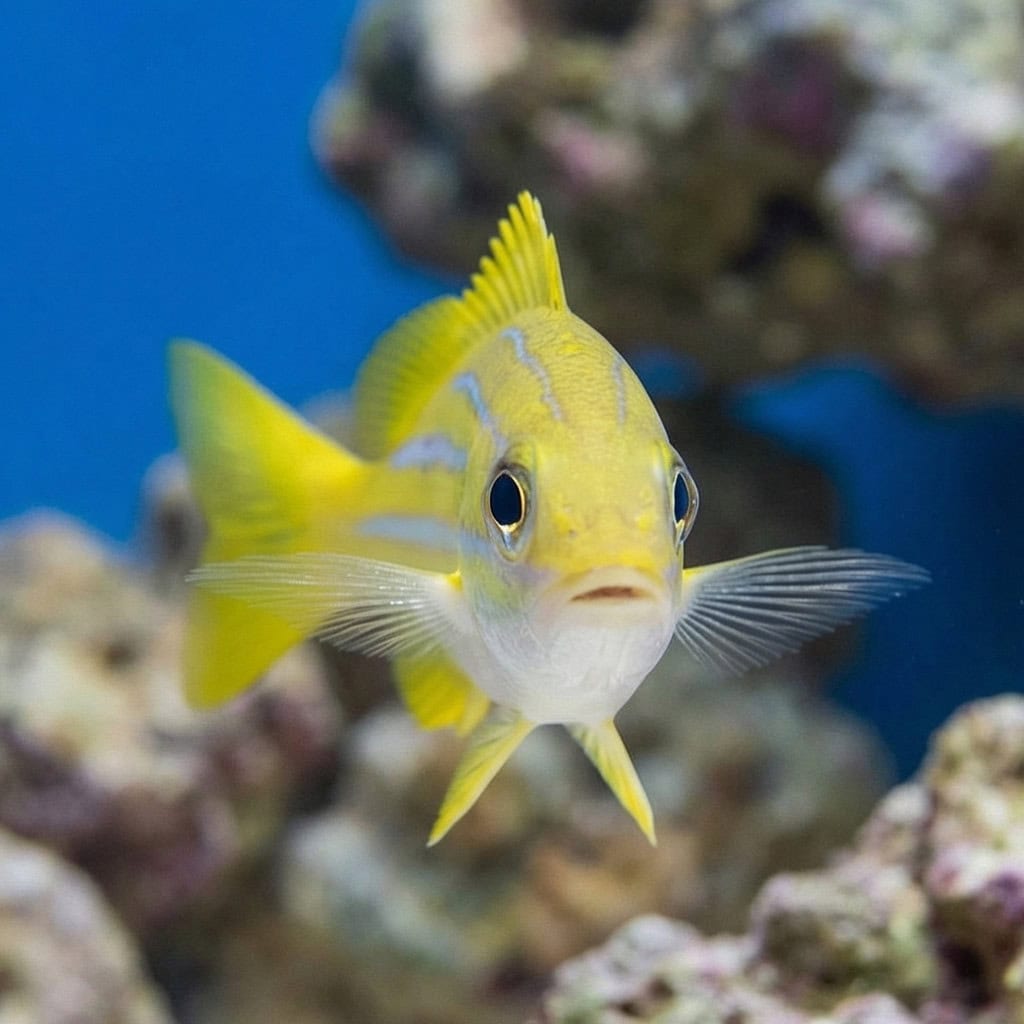
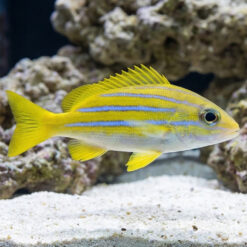
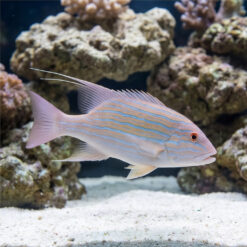
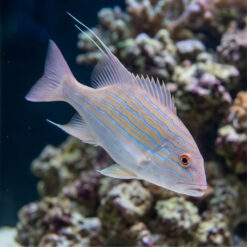
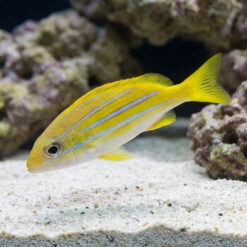
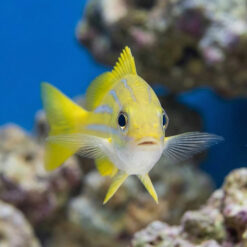
Thread-Finned Sea Perch
Symphorus nematophorus
| Stock | Variations | Price | Quantity | |
|---|---|---|---|---|
| Out of Stock | 3.5 - 4.75" - Indo-Pacific | Original price was: $269.99.$141.99Current price is: $141.99. | Email me |
Every order ships with our standard 3-hour live arrival guarantee. Need more time? Add our 5-Day Guarantee at checkout.
Full guarantee terms →Ships Monday – Thursday for next-day arrival at your nearest FedEx Hold location — typically ready by 9 AM. We monitor every delivery.
Shipping details →
Monday – Friday 8 AM – 9 PM
Saturday 12 PM – 4 PM
Sunday 12 PM – 9 PM
Healthy, stable animals from vetted suppliers — inspected before packing, shipped overnight. Decades of experience built this model so we can deliver premium livestock at 30%+ less than you'd pay elsewhere.
| Care Level | Expert |
|---|---|
| Temperament | Semi-Aggressive |
| Reef Safe | With Caution |
| Functional Benefit | Ornamental Only |
| Diet Type | Carnivore |
| Mininum Tank Size | 300 gallons+ |
| Max Size | 24 inches |
| Temperature | 72–78°F |
| pH Range | 8.1–8.4 |
| Specific Gravity | 1.022–1.025 |
The Thread-Finned Sea Perch (Symphorus nematophorus) is a Western Pacific snapper associated with coastal reefs. Juveniles and sub-adults may show a distinct thread-like extension on the front dorsal fin rays, along with more pronounced lining/spotting compared to adults.
What You’ll Observe:
- A strong, steady cruising pattern in open water, with regular “lap” routes around the rockwork
- Solo, territory-aware behavior—often choosing one main cave or overhang as a home base
- Fast, accurate feeding strikes on meaty foods once it recognizes your feeding routine
- Quick dashes when surprised, followed by a return to the same preferred hiding area
Provide a very large aquarium with long swimming runs, plus stable rockwork that forms deep overhangs and caves. Offer a varied menu of marine meaty foods (chunked or chopped) and feed in multiple smaller portions to match its active lifestyle. Choose tankmates that are similarly robust and sized appropriately for a large snapper.
How do you keep a threadfin-type snapper from “spooking” into the glass or rockwork?
Many keepers note sudden startle-dashes; keeping the aquascape smooth-edged, leaving open lanes, and avoiding abrupt light changes helps reduce frantic laps.
Will it usually take frozen foods, or does it need “training”?
Hobbyists commonly report best results starting with strong-scent meaty items and keeping a consistent feeding spot and schedule until the fish locks in on the routine.
Is it normal for a large snapper to ignore smaller fish in a predator community tank?
Some predator-tank keepers report long periods of calm coexistence when the snapper is well-fed and housed with confident tankmates; most still plan stocking so any “bite-sized” fish aren’t essential to the display.
Do these snappers prefer more rockwork, or more open water?
In larger FOWLR builds, a common approach is “islands” of rockwork for shelter with wide open water between them, so the fish can cruise without constantly weaving through tight gaps.
Can you keep more than one threadfin-type snapper together?
Many references from keepers recommend a single specimen per system unless the aquarium is extremely large and the fish are introduced with a plan, since one individual often becomes the dominant “owner” of the space.
Our selection process means you get robust, well-adjusted specimens that settle in quickly.
Recently viewed products