
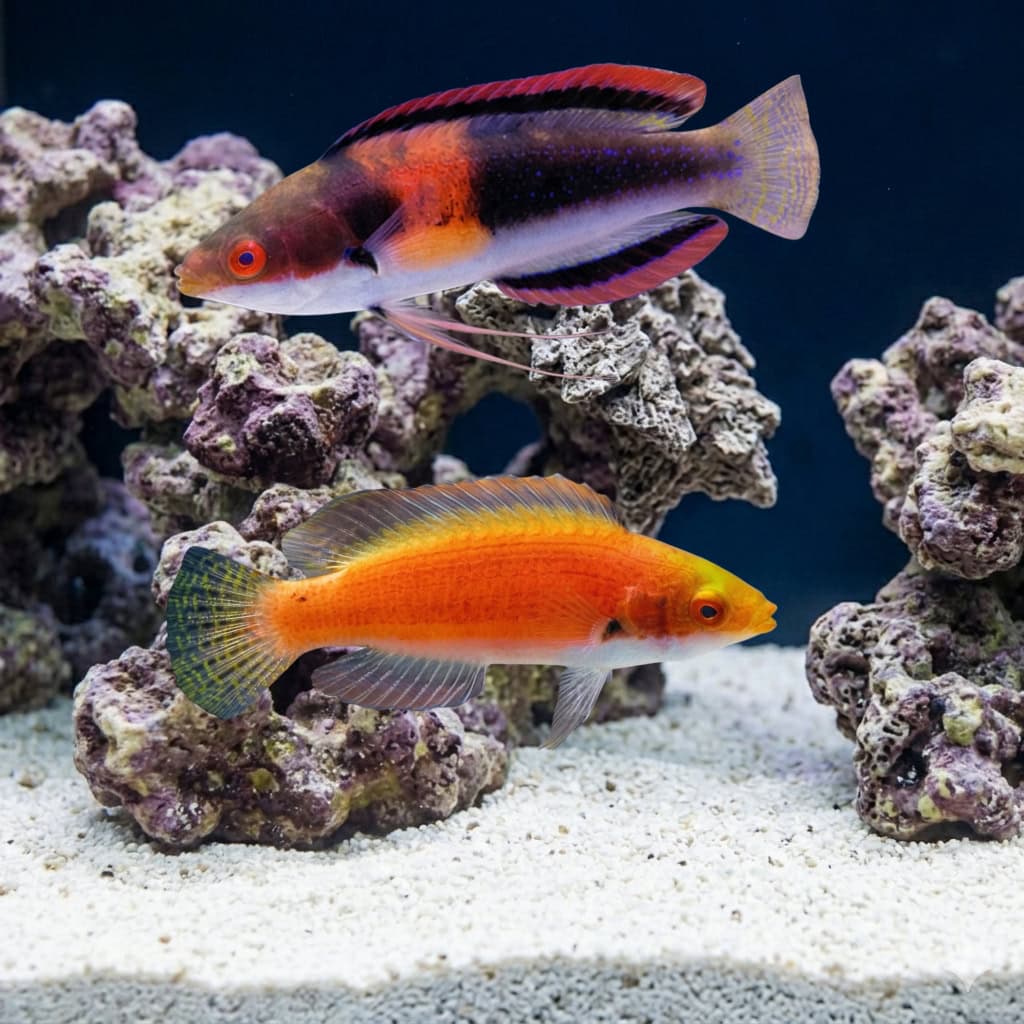
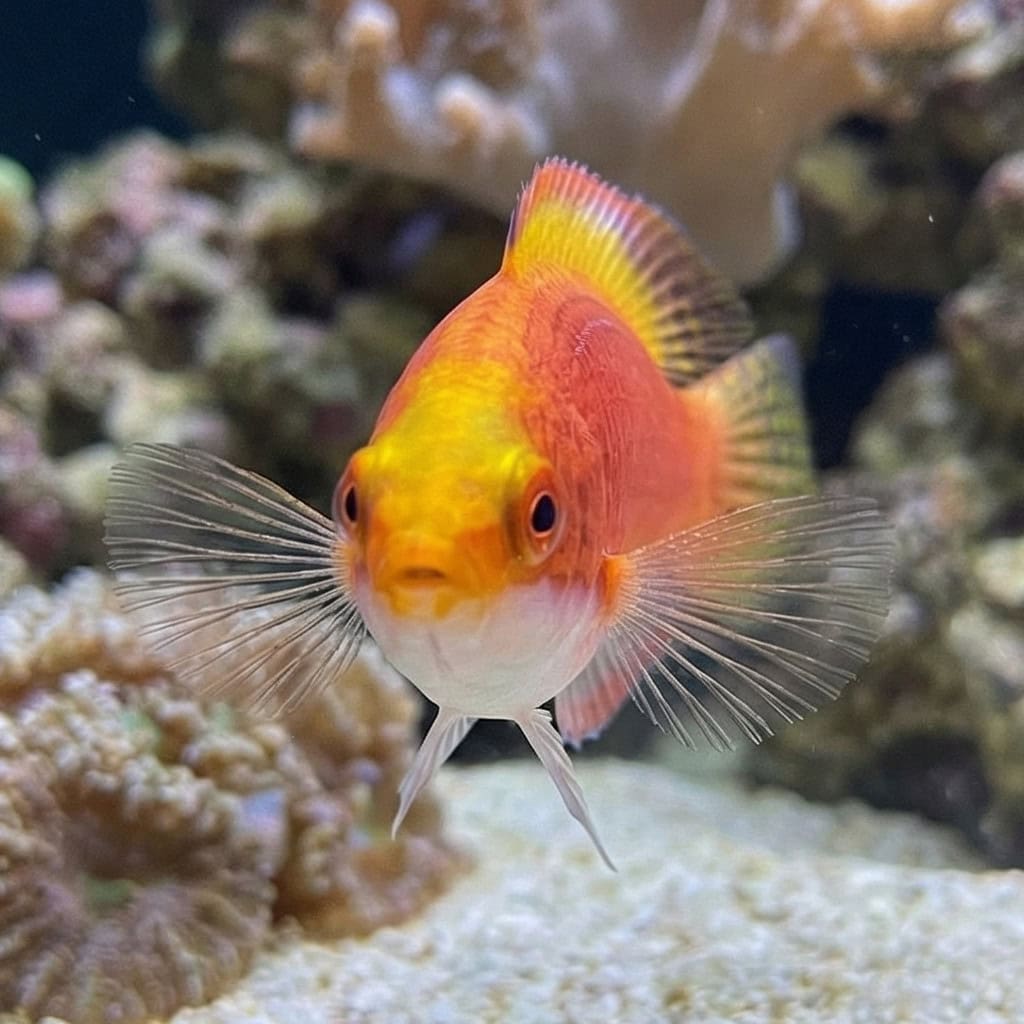
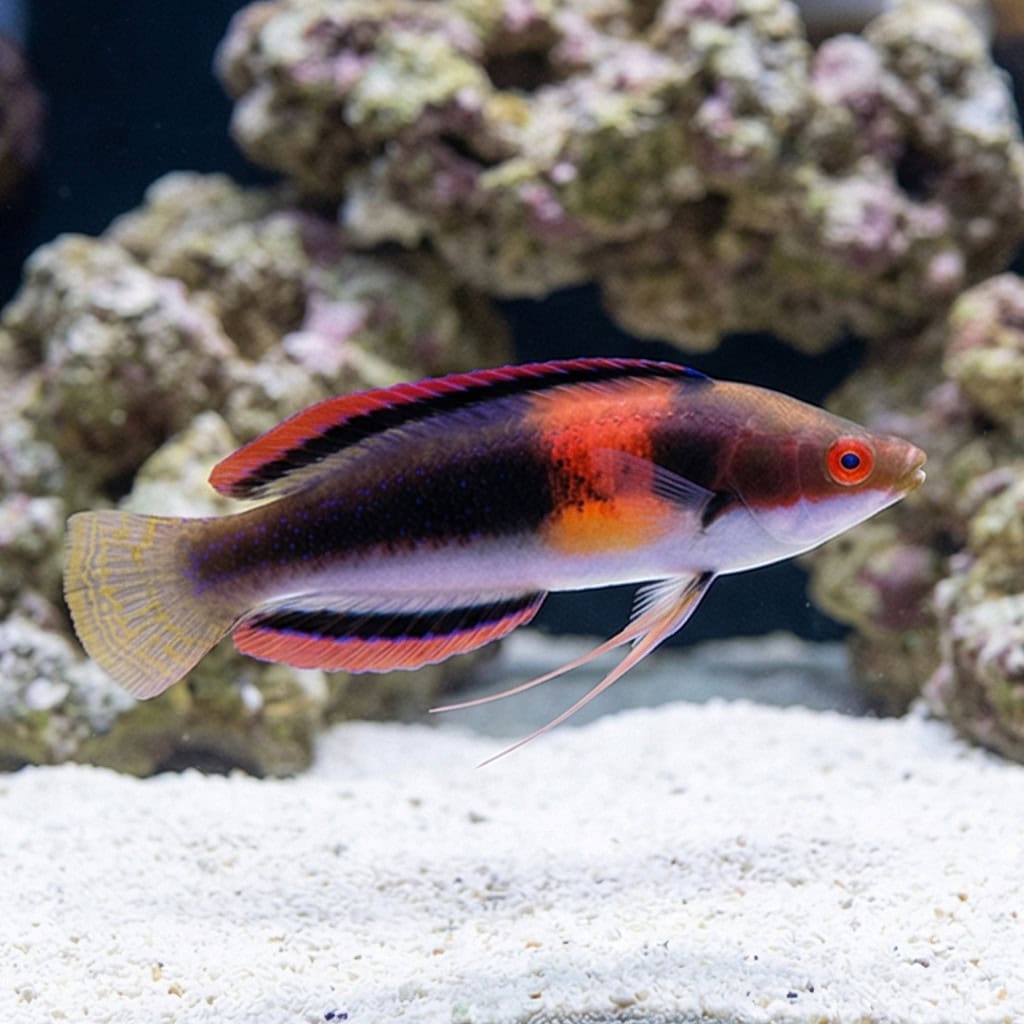
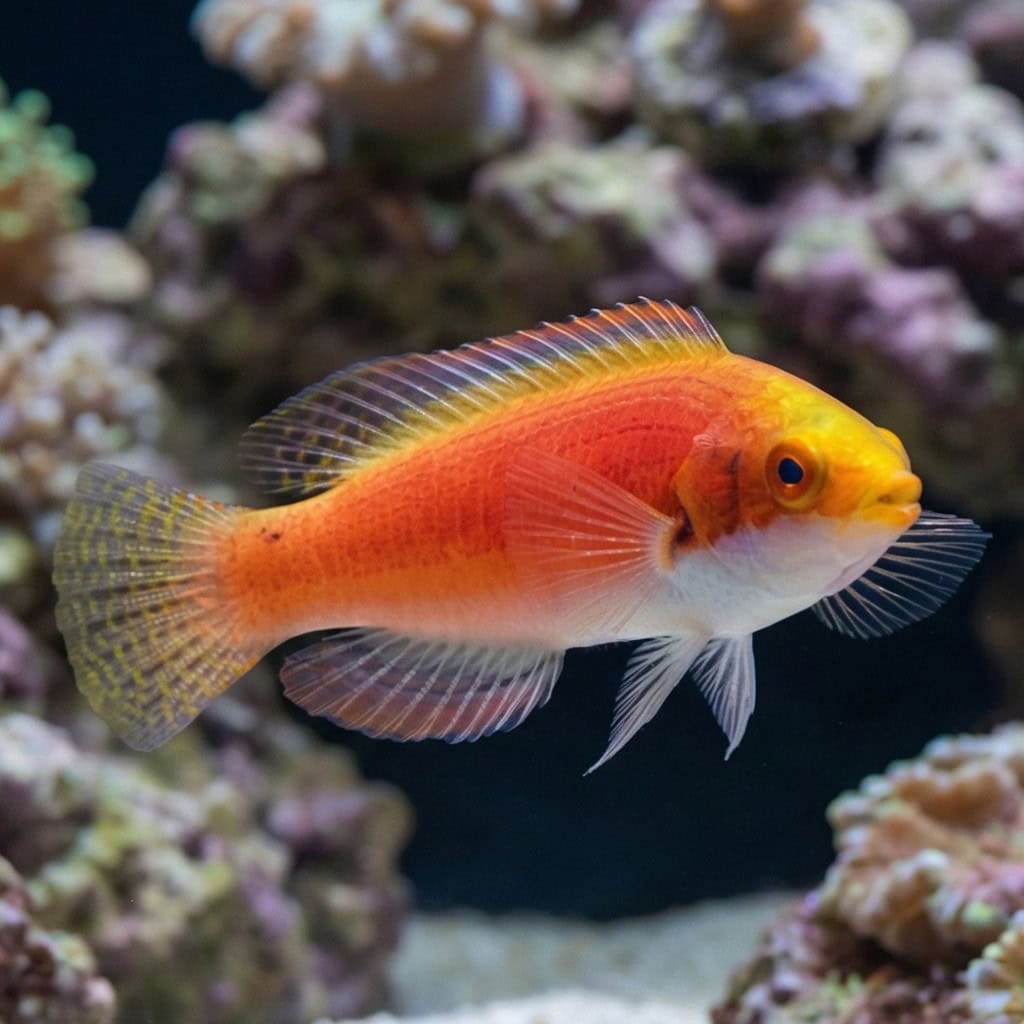
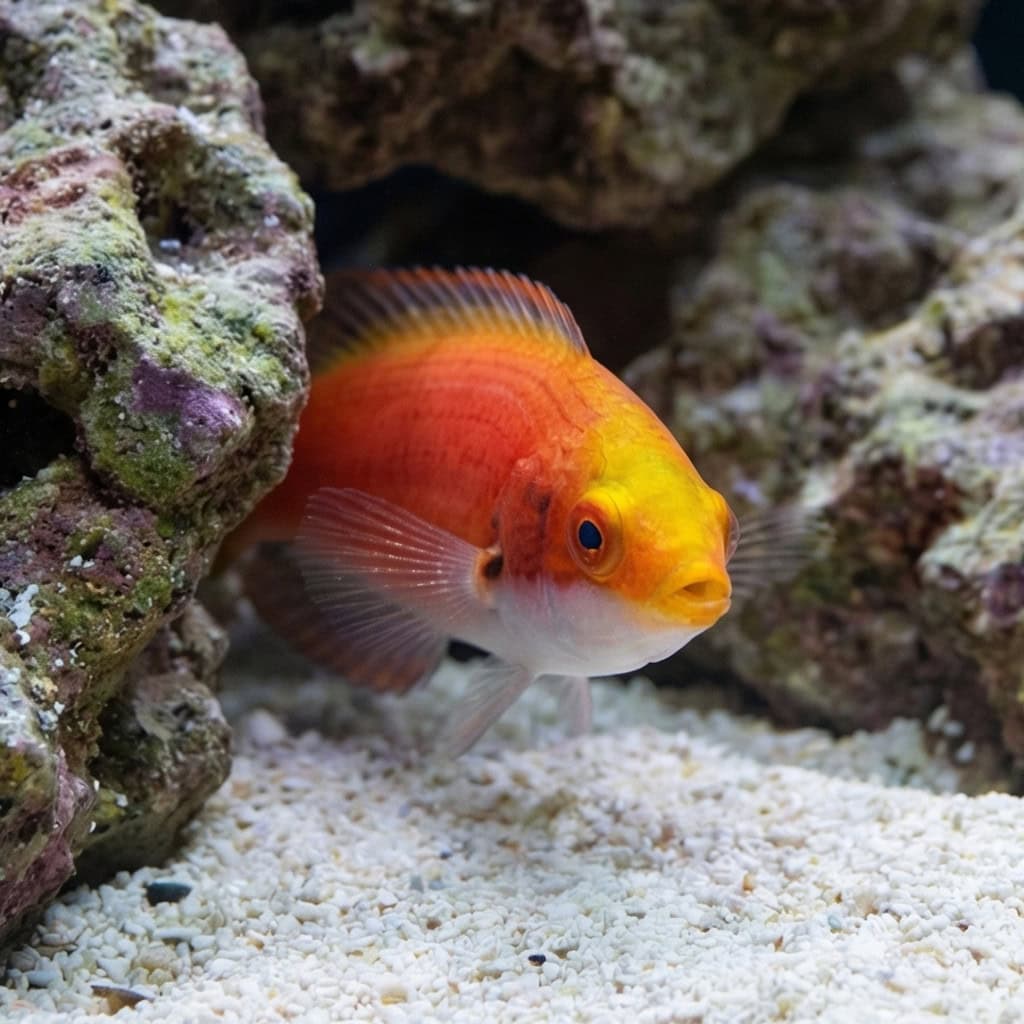
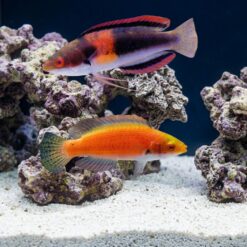
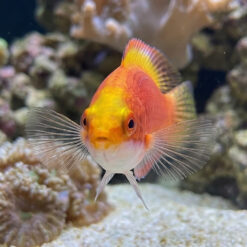
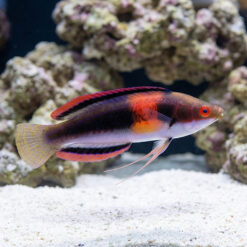
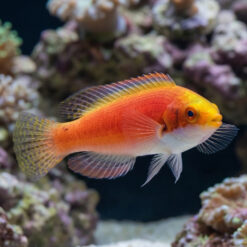
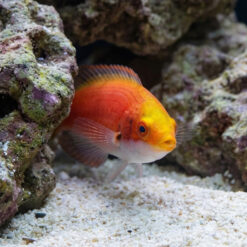
Balteatus Fairy Wrasse
Cirrhilabrus balteatus
| Stock | Variations | Price | Quantity | |
|---|---|---|---|---|
| Out of Stock | 2 - 3" - Central Pacific | Original price was: $210.99.$110.99Current price is: $110.99. | Email me |
Every order ships with our standard 3-hour live arrival guarantee. Need more time? Add our 5-Day Guarantee at checkout.
Full guarantee terms →Ships Monday – Thursday for next-day arrival at your nearest FedEx Hold location — typically ready by 9 AM. We monitor every delivery.
Shipping details →
Monday – Friday 8 AM – 9 PM
Saturday 12 PM – 4 PM
Sunday 12 PM – 9 PM
Healthy, stable animals from vetted suppliers — inspected before packing, shipped overnight. Decades of experience built this model so we can deliver premium livestock at 30%+ less than you'd pay elsewhere.
| Care Level | Moderate |
|---|---|
| Temperament | Peaceful |
| Reef Safe | Yes |
| Functional Benefit | Ornamental Only |
| Diet Type | Planktivore |
| Mininum Tank Size | 70 gallons |
| Max Size | 4 inches |
| Temperature | 72–78°F |
| pH Range | 8.1–8.4 |
| Specific Gravity | 1.022–1.025 |
The Balteatus Fairy Wrasse (Cirrhilabrus balteatus), often sold as the Girdled Fairy Wrasse, is a reef-safe Cirrhilabrus wrasse known for quick color shifts and an “orange girdle” look on mature males. Native to the Western Central Pacific (commonly associated with the Marshall Islands), it stays relatively small at about 4 inches, making it a strong fit for many mid-sized reef displays.
What You’ll Observe:
- Steady, open-water cruising with frequent passes through rockwork and swim lanes
- Brief fin-flares and brighter coloration during feeding time and late-day lighting changes
- Short “hover and investigate” pauses around caves and ledges as it patrols the aquascape
- Confident, mid-water feeding on small items carried in the current
To succeed, provide a covered aquarium with open swimming space plus rockwork for retreat and nighttime resting. Offer small meaty foods (like enriched frozen blends) and quality pellets in 2–3 smaller feedings per day to match its active metabolism. In mixed wrasse setups, plan your introduction order so it can settle in smoothly.
Does this wrasse need a sand bed to sleep
Most fairy wrasses typically rest by wedging into rock crevices, and they don’t require a deep sand bed the way some burying wrasses do.
What does “flashing” mean with fairy wrasses
Flashing is a quick display where the fish intensifies color and extends fins; it’s commonly seen during excitement, social posturing, or courtship-style behavior.
Can I keep more than one fairy wrasse together
Many hobbyists have the best results with one male per tank; if mixing species, adding them close together in timing and using an acclimation box can help introductions go more smoothly.
Why is my fairy wrasse “surfing” or pacing the glass at first
It’s often part of early-day exploration and learning the tank boundaries; it commonly tapers down as the fish establishes a routine and preferred routes.
How do I reduce jumping risk during feeding and maintenance
Keep a tight-fitting lid/mesh top on even for quick tasks, and consider using feeding portals or sliding sections so the top stays covered during routine feeding.
Each fish is checked for strong appetite and activity before we approve it for your tank.
Recently viewed products