
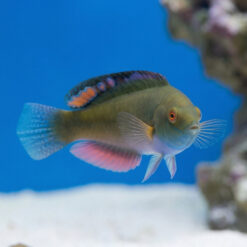
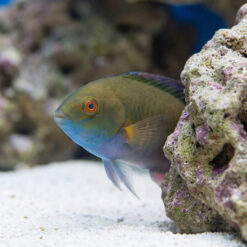
Blackfin Fairy Wrasse
Cirrhilabrus melanomarginatus
| Stock | Variations | Price | Quantity |
|---|
Every order ships with our standard 3-hour live arrival guarantee. Need more time? Add our 5-Day Guarantee at checkout.
Full guarantee terms →Ships Monday – Thursday for next-day arrival at your nearest FedEx Hold location — typically ready by 9 AM. We monitor every delivery.
Shipping details →
Monday – Friday 8 AM – 9 PM
Saturday 12 PM – 4 PM
Sunday 12 PM – 9 PM
Healthy, stable animals from vetted suppliers — inspected before packing, shipped overnight. Decades of experience built this model so we can deliver premium livestock at 30%+ less than you'd pay elsewhere.
| Care Level | Easy |
|---|---|
| Temperament | Peaceful |
| Reef Safe | Yes |
| Functional Benefit | Ornamental Only |
| Diet Type | Carnivore |
| Mininum Tank Size | 90 gallons |
| Max Size | 5 inches |
| Temperature | 72–78°F |
| pH Range | 8.1–8.4 |
| Specific Gravity | 1.022–1.025 |
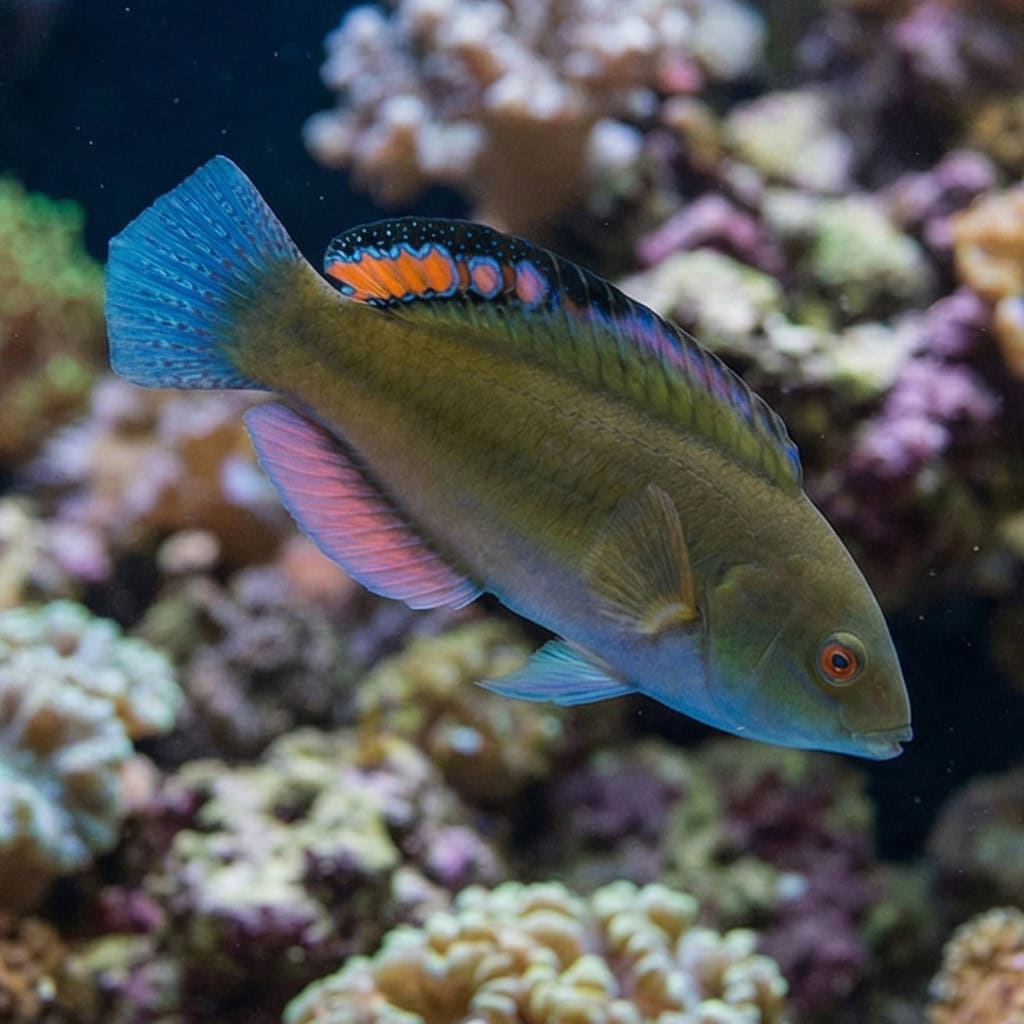
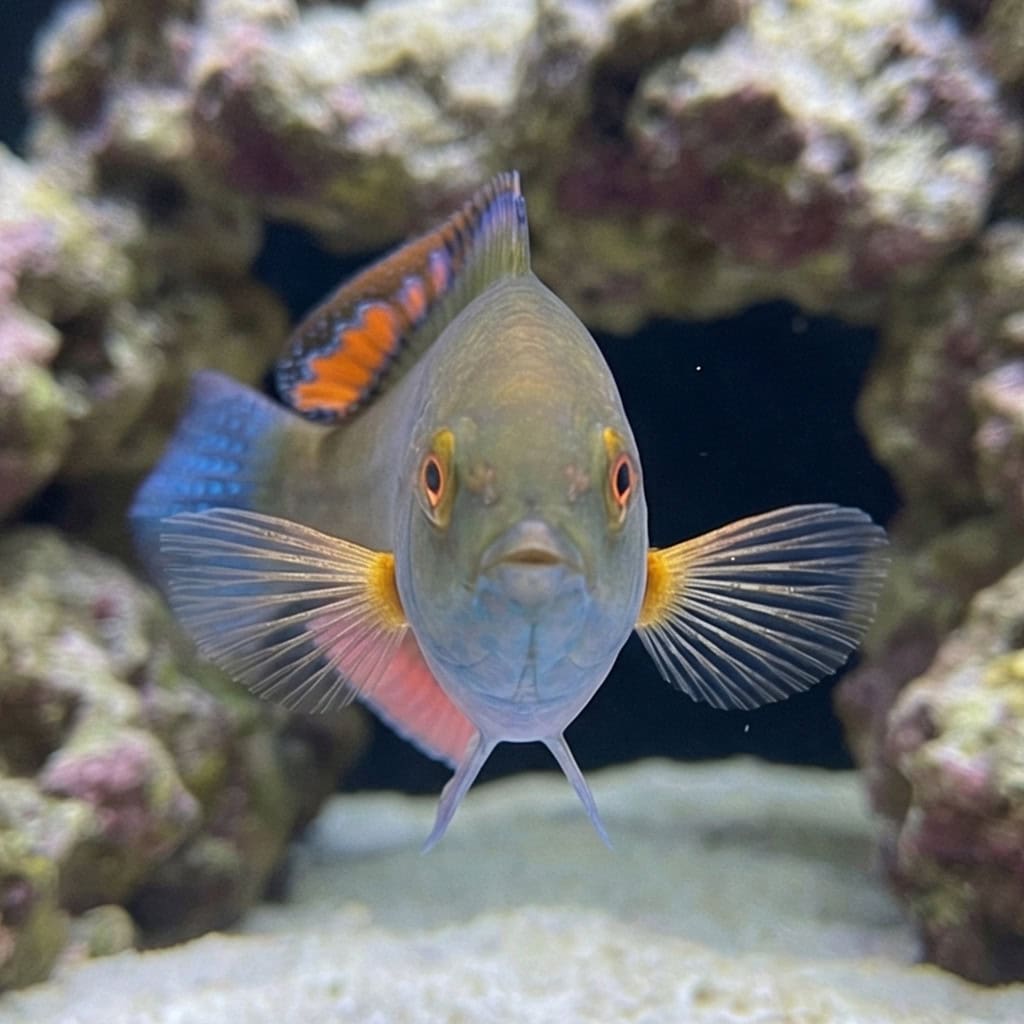
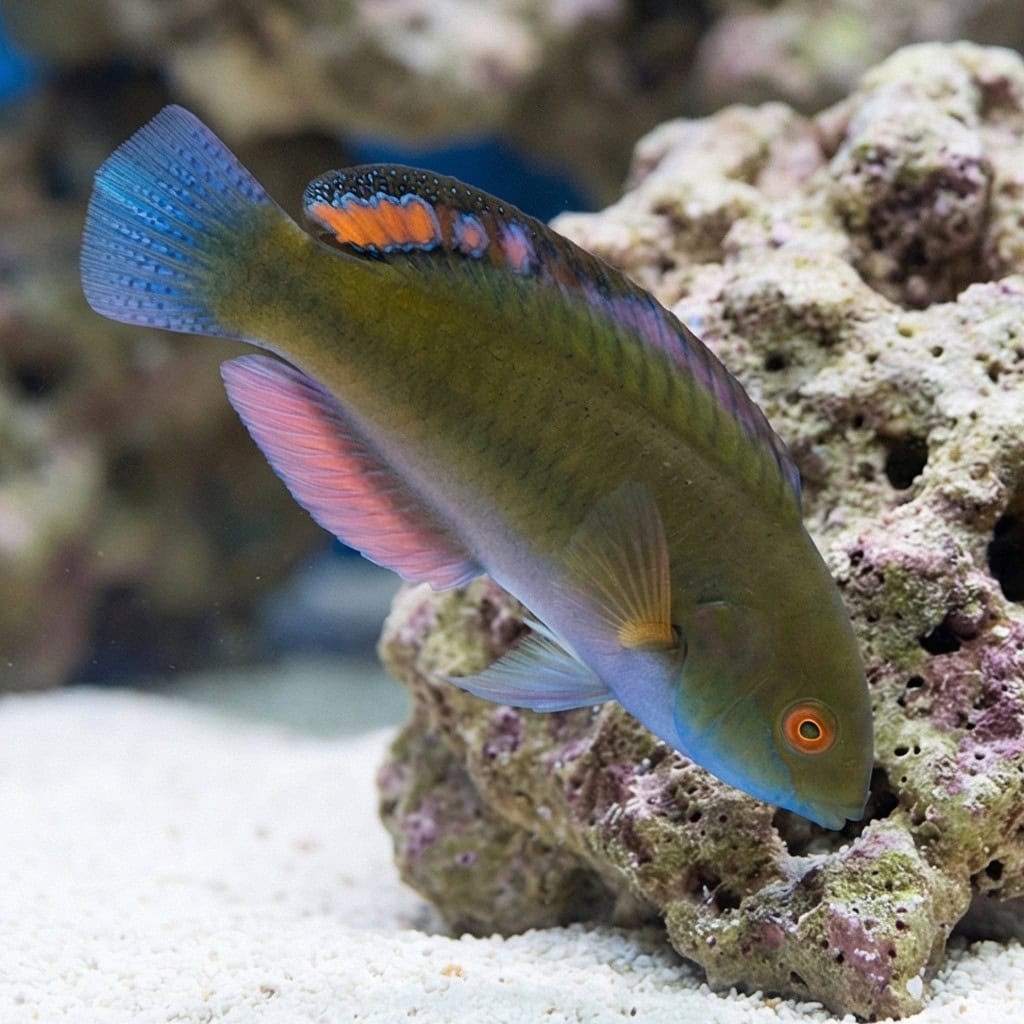
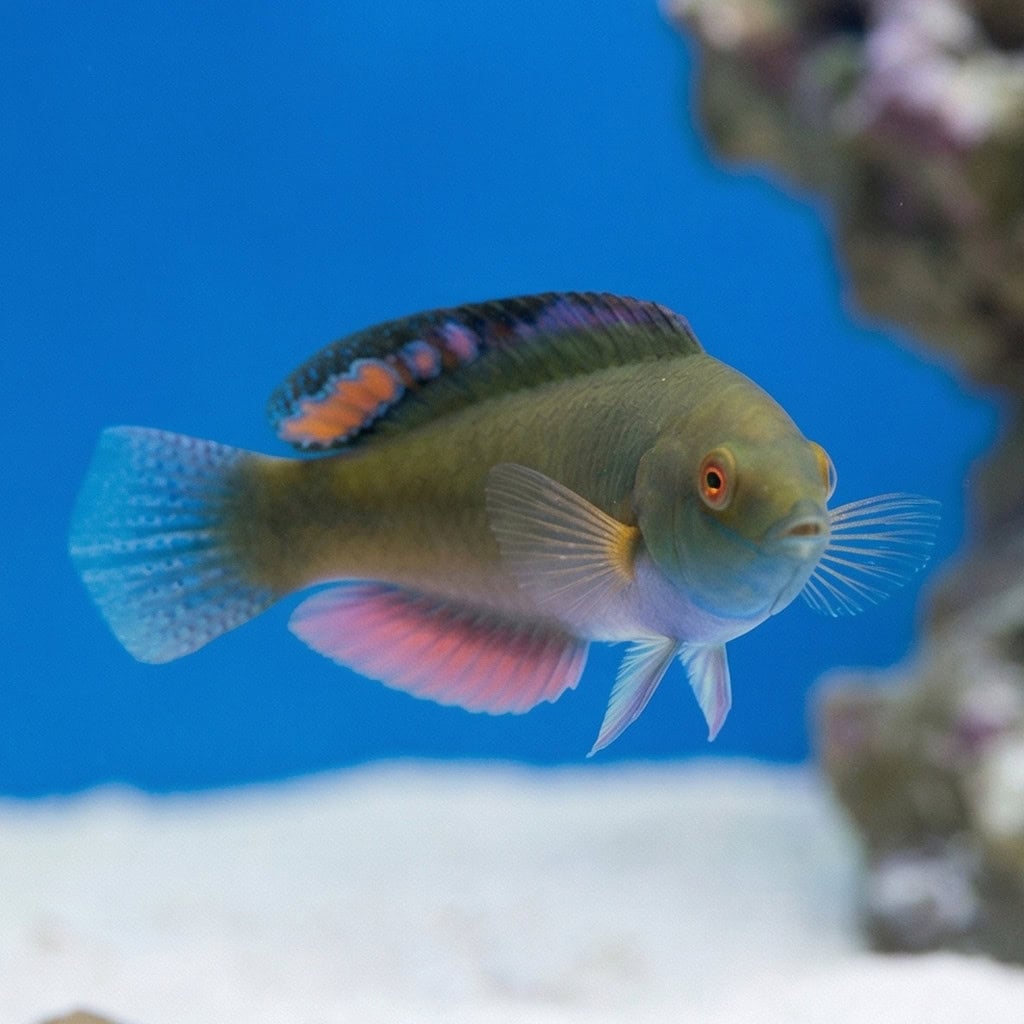
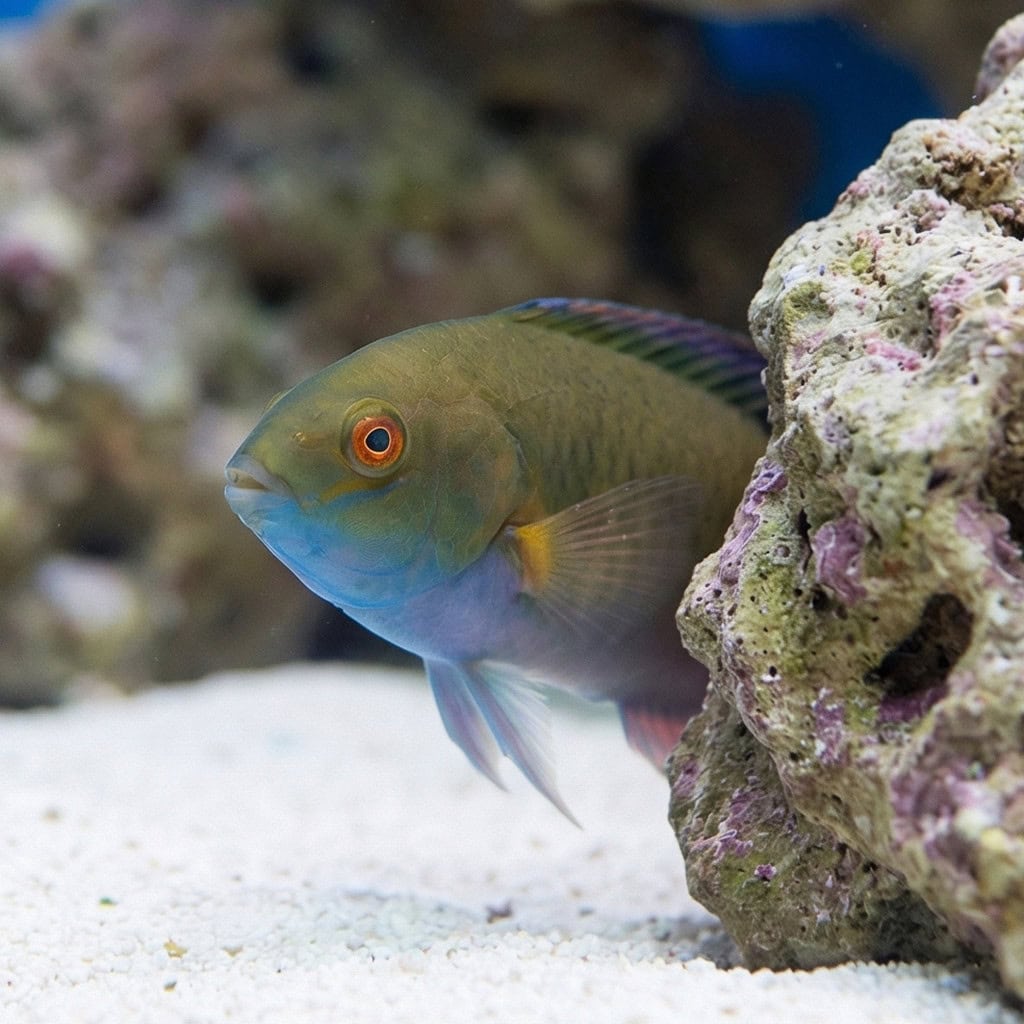
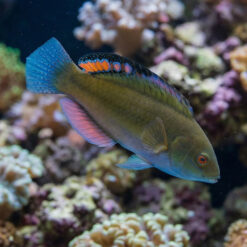
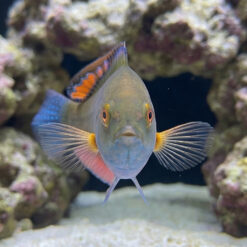
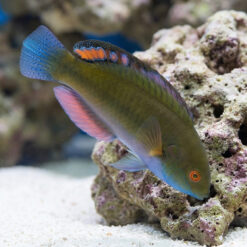
The Blackfin Fairy Wrasse (Cirrhilabrus melanomarginatus), also known as the Black Margin Fairy Wrasse, is a reef-safe Cirrhilabrus recognized for its dark-edged dorsal fin and long pelvic fins that become more defined as the fish matures. It’s a Western Pacific fairy wrasse found around reef-associated rocky areas, and it brings constant mid-water motion to reef tanks.
What You’ll Observe:
- Cruises the water column with frequent loops through rock arches and swim-throughs
- Short “display” moments where the dorsal fin lifts while it moves past other fish
- Tracks food in open water and returns quickly to its usual patrol route
- A consistent daily rhythm—active under lights, then settling into the rockwork to rest after lights-out
To do well with this species, provide a rockscape with multiple hiding pockets plus open lanes for steady swimming. Offer a mix of small meaty frozen foods and quality pellets in a few smaller feedings to match its active routine. In mixed-wrasse setups, many hobbyists get the smoothest social dynamics by introducing similar wrasses with a short acclimation/visual separation period.
How can I tell if mine is male or female?
Many keepers look for fin shape and edging: males tend to show more pronounced fin extensions and stronger dark margins, while juveniles/females are usually rounder-finned and subtler. It often becomes easier to judge after the fish has settled in and is on a steady light cycle.
Why does it look different from photos online?
Fairy wrasses can shift appearance under different lighting spectrum, camera settings, and social activity in the tank. After a few weeks of consistent conditions, the day-to-day look usually becomes more predictable.
Is it normal for it to “flash” or flare its fins at other fish?
Yes—brief fin flaring and quick looping passes are common display behaviors, especially when other wrasses are nearby. In many tanks it’s a short interaction that fades as fish learn each other’s presence.
Where does it sleep at night?
Most fairy wrasses choose a specific crevice or overhang in the rockwork at lights-out and return to it regularly. Having several sheltered nooks lets it pick a consistent resting spot.
Do I really need a lid for a fairy wrasse?
A tight-fitting screen top is strongly recommended, since fairy wrasses are known to jump through surprisingly small openings during feeding excitement or sudden spooks.
Each fish is checked for strong appetite and activity before we approve it for your tank.
Recently viewed products