
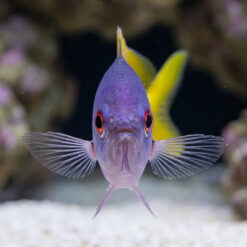
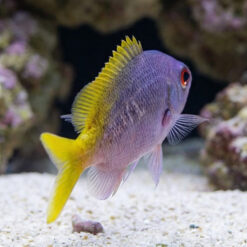
Fusilier Blue and Yellow
Caesio teres
| Stock | Variations | Price | Quantity |
|---|
Every order ships with our standard 3-hour live arrival guarantee. Need more time? Add our 5-Day Guarantee at checkout.
Full guarantee terms →Ships Monday – Thursday for next-day arrival at your nearest FedEx Hold location — typically ready by 9 AM. We monitor every delivery.
Shipping details →
Monday – Friday 8 AM – 9 PM
Saturday 12 PM – 4 PM
Sunday 12 PM – 9 PM
Healthy, stable animals from vetted suppliers — inspected before packing, shipped overnight. Decades of experience built this model so we can deliver premium livestock at 30%+ less than you'd pay elsewhere.
| Care Level | Moderate |
|---|---|
| Temperament | Peaceful |
| Reef Safe | With Caution |
| Functional Benefit | Ornamental Only |
| Diet Type | Planktivore |
| Mininum Tank Size | 300 gallons+ |
| Max Size | 18 inches |
| Temperature | 72–78°F |
| pH Range | 8.1–8.4 |
| Specific Gravity | 1.022–1.025 |
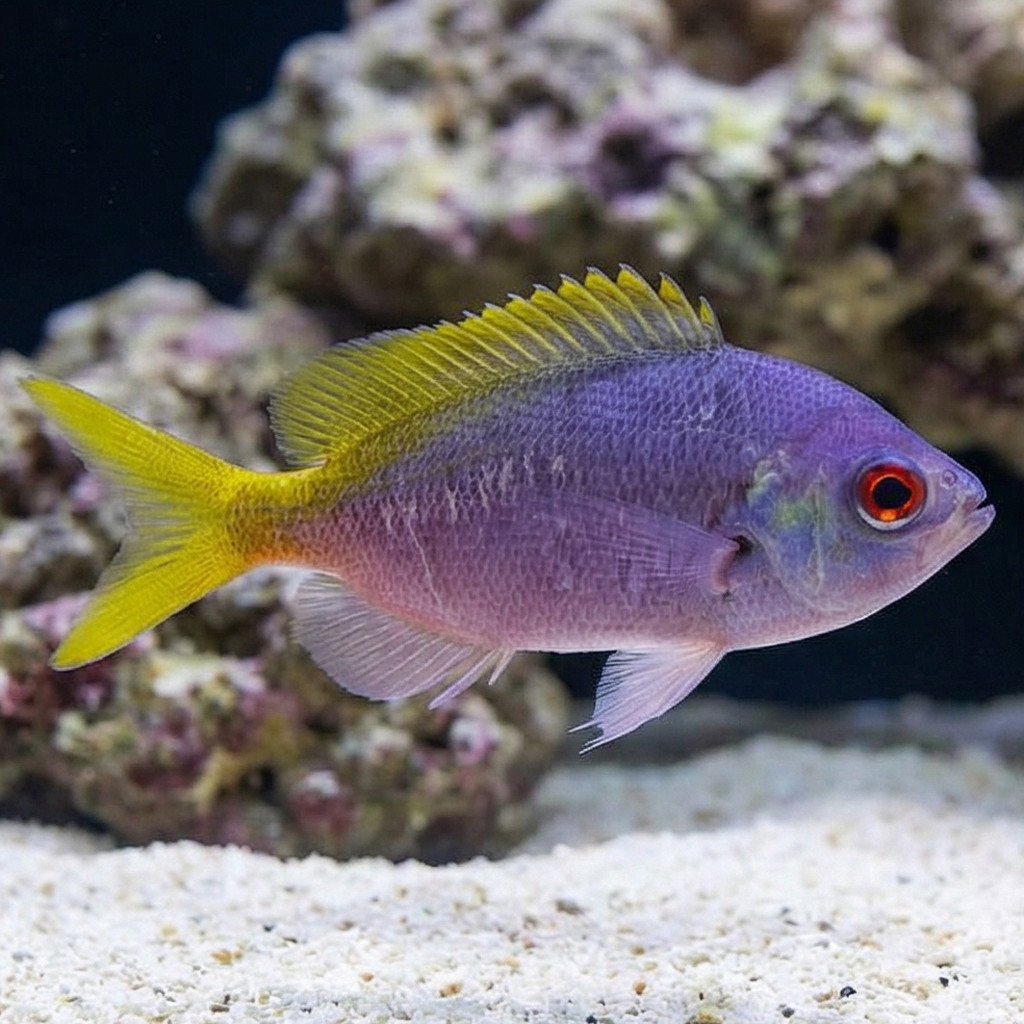
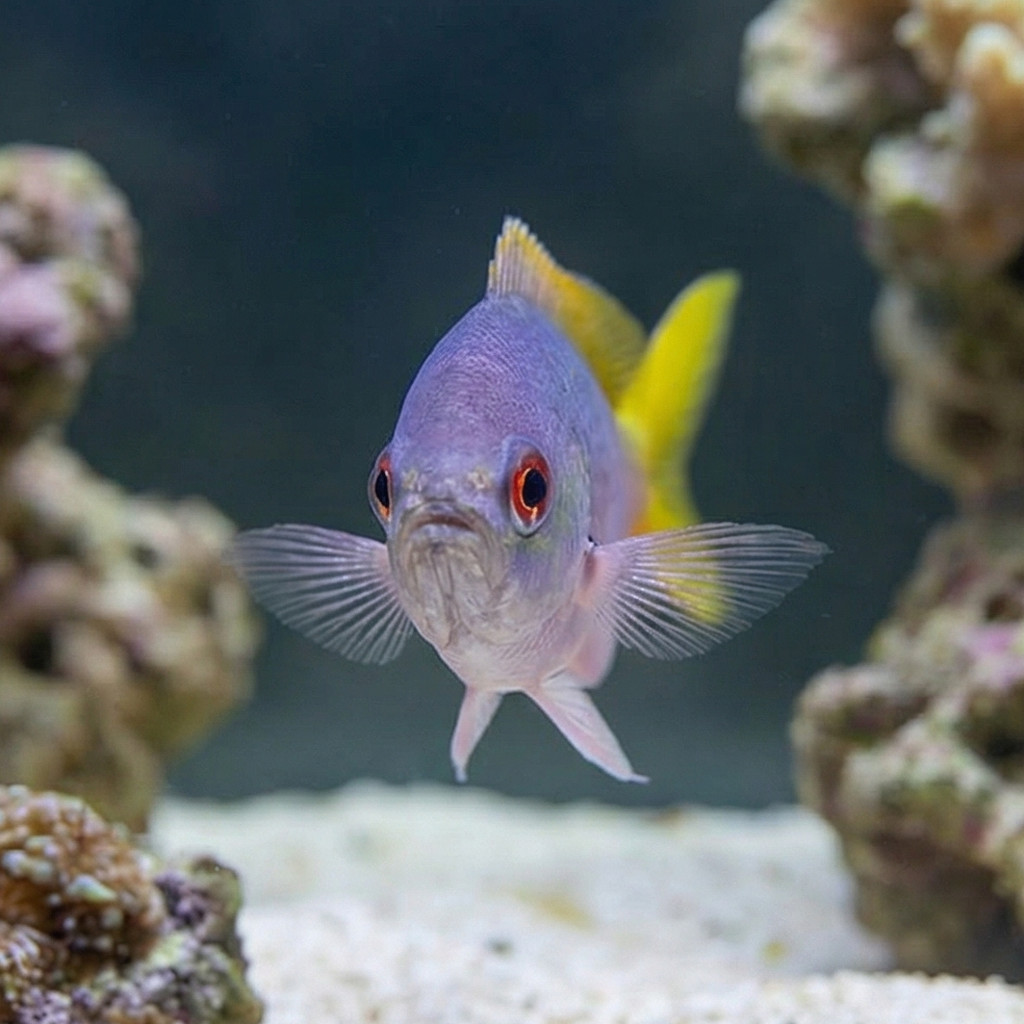
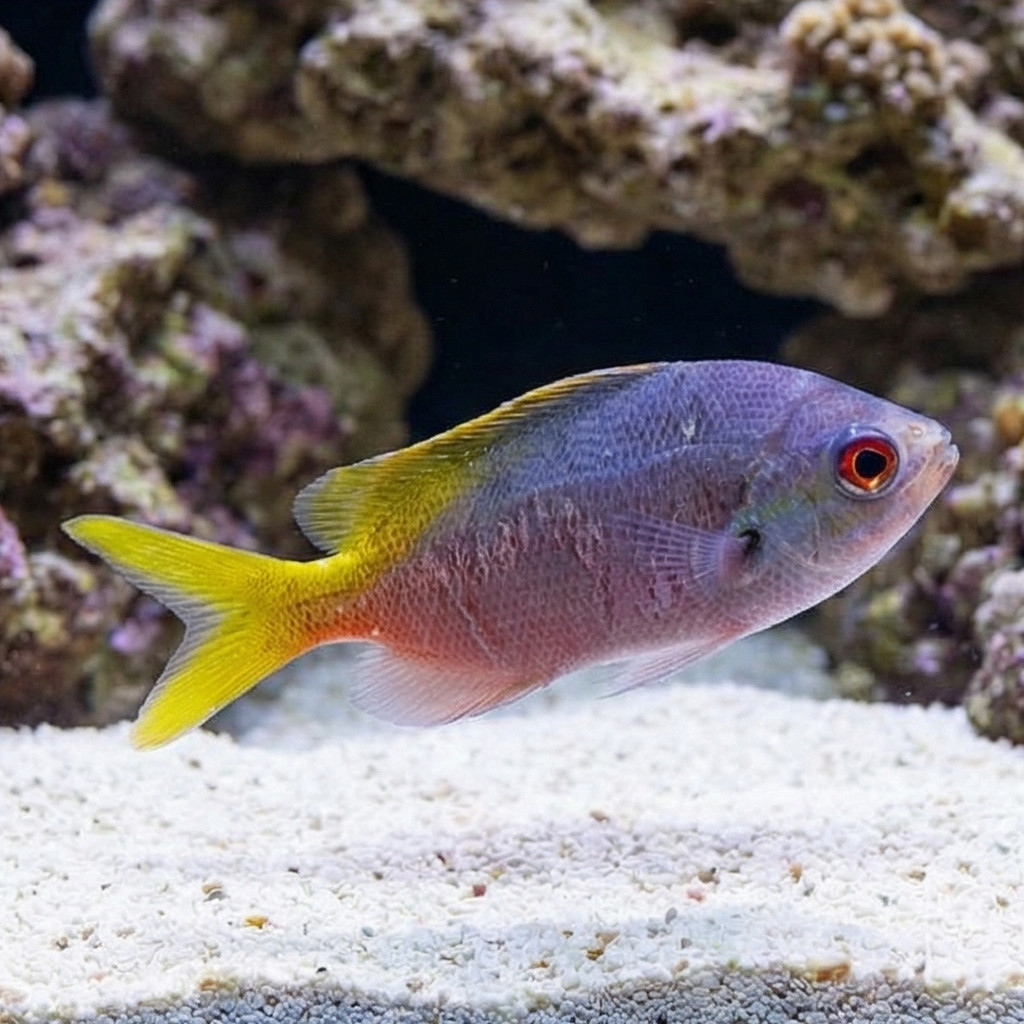
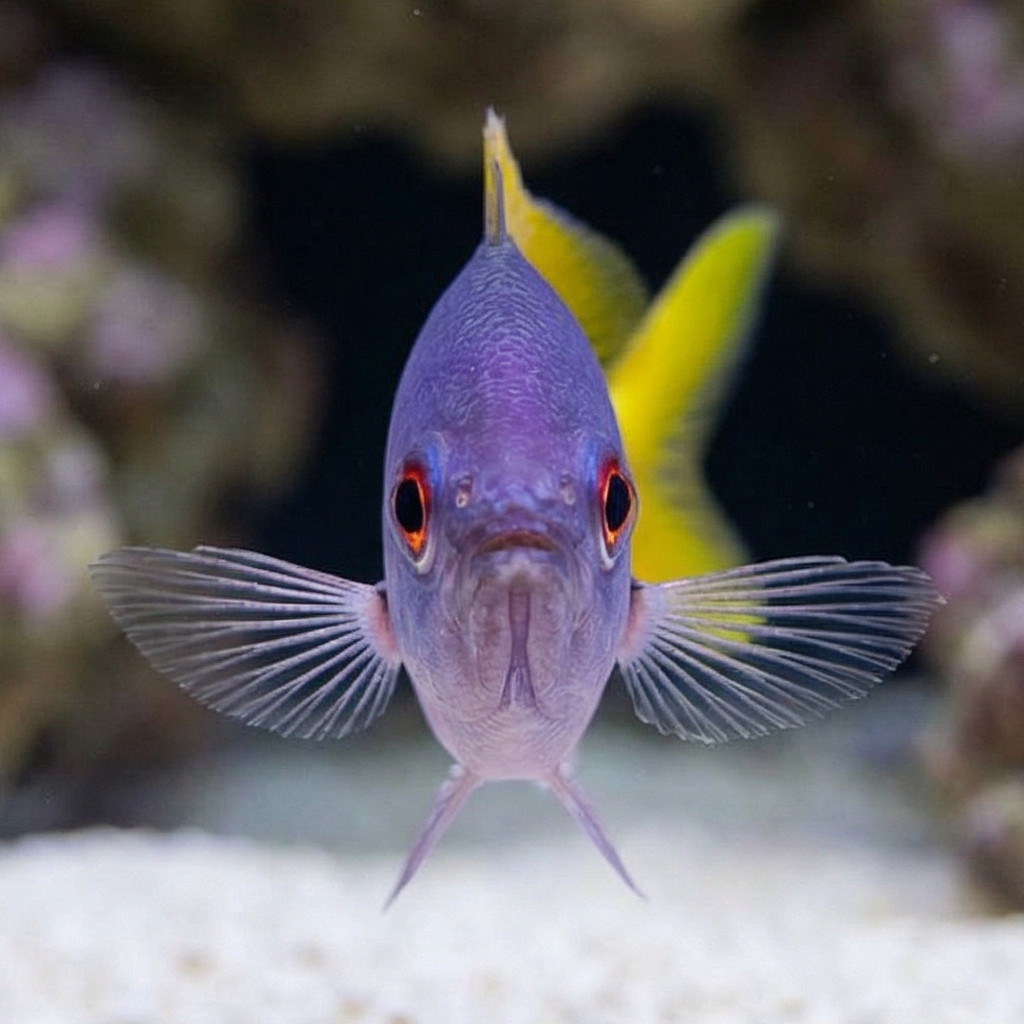
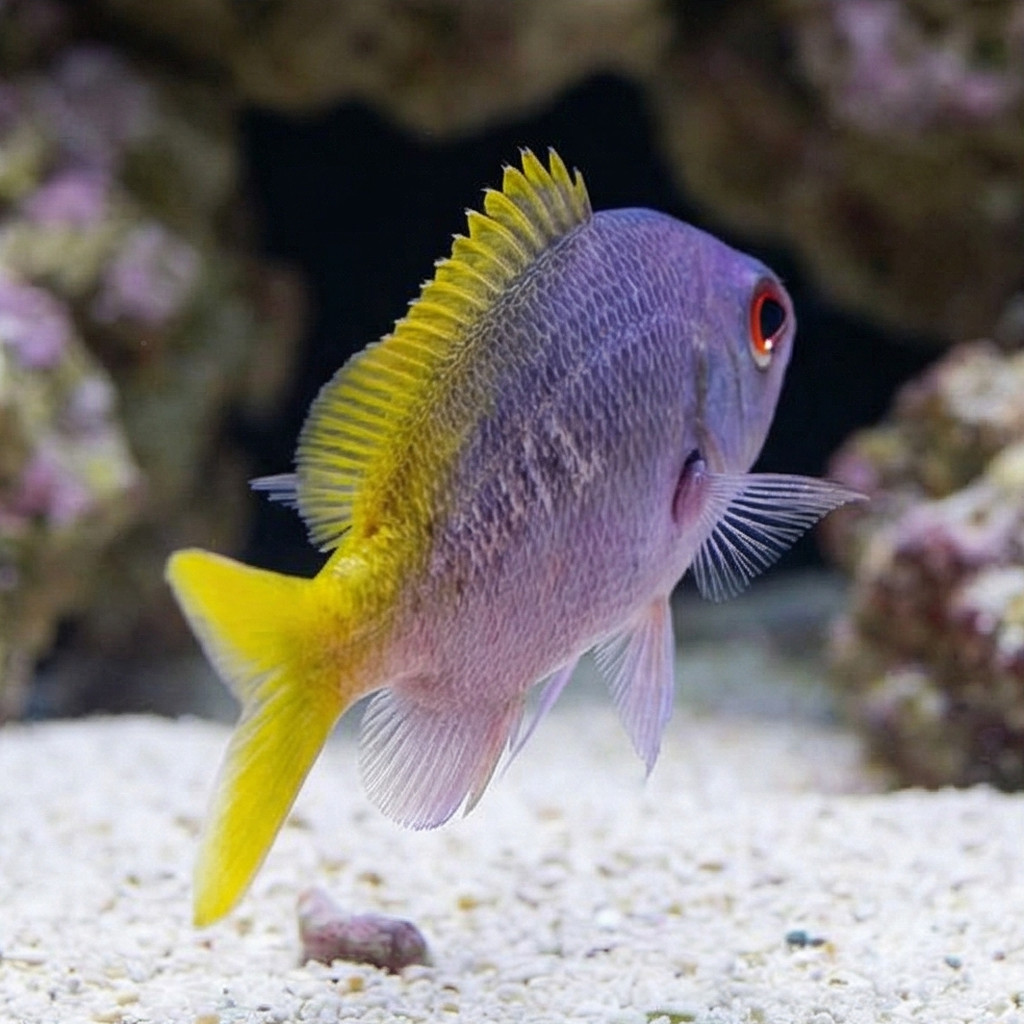
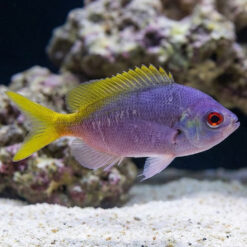
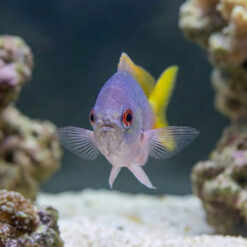
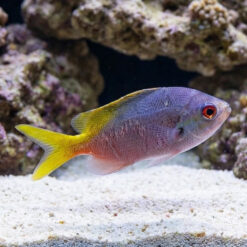
The Blue and Yellow Fusilier (Caesio teres) is a fast, open-water schooling fish with a torpedo-shaped profile, bright blue upper body, white underside, and a bold yellow back and tail area. In larger individuals the yellow area often concentrates more toward the rear of the body, which gives adult schools a clean blue-and-gold look. It’s a classic “shoaling fish” choice for big marine systems where you want constant midwater motion above the rockwork.
What You’ll Observe:
- Tight, coordinated cruising in the water column, especially when flow is strongest
- A quick “feed response” at the surface and midwater during plankton-style feedings
- Schooling that looks more organized as additional individuals are added
- Daytime activity that keeps the upper half of the aquarium visually active
To succeed with this species, provide long, open swim lanes plus strong circulation and high oxygen levels to match its constant-motion lifestyle. Offer small meaty, plankton-sized foods multiple times per day (and include some pellet options once it recognizes prepared foods). Keeping a small group helps bring out the natural schooling behavior and keeps the fish moving confidently in the open.
Will they actually “school” in home aquariums, or just spread out?
Most keepers report the tightest grouping when they’re kept as a small group and have open swim space; single specimens tend to act more like a roaming midwater fish.
Does the yellow coloration stay the same as they grow?
Hobbyists often notice the yellow pattern looks more “rear-focused” in larger fish, while smaller fish can show a longer yellow band along the back.
Do they take food from the surface, midwater, or both?
They usually learn to take food anywhere it drifts, and they respond best to frequent, smaller “plankton-style” feedings that stay suspended.
Are they good tankmates with anthias and other active planktivores?
They’re commonly discussed in the same “open water” stocking plans as anthias; feeding enough for everyone tends to make the display look most natural.
Will they bother tiny ornamental invertebrates?
As they size up, many hobbyists treat them as “with caution” around very small mobile inverts, while leaving corals alone.
Our selection process means you get robust, well-adjusted specimens that settle in quickly.
Recently viewed products