
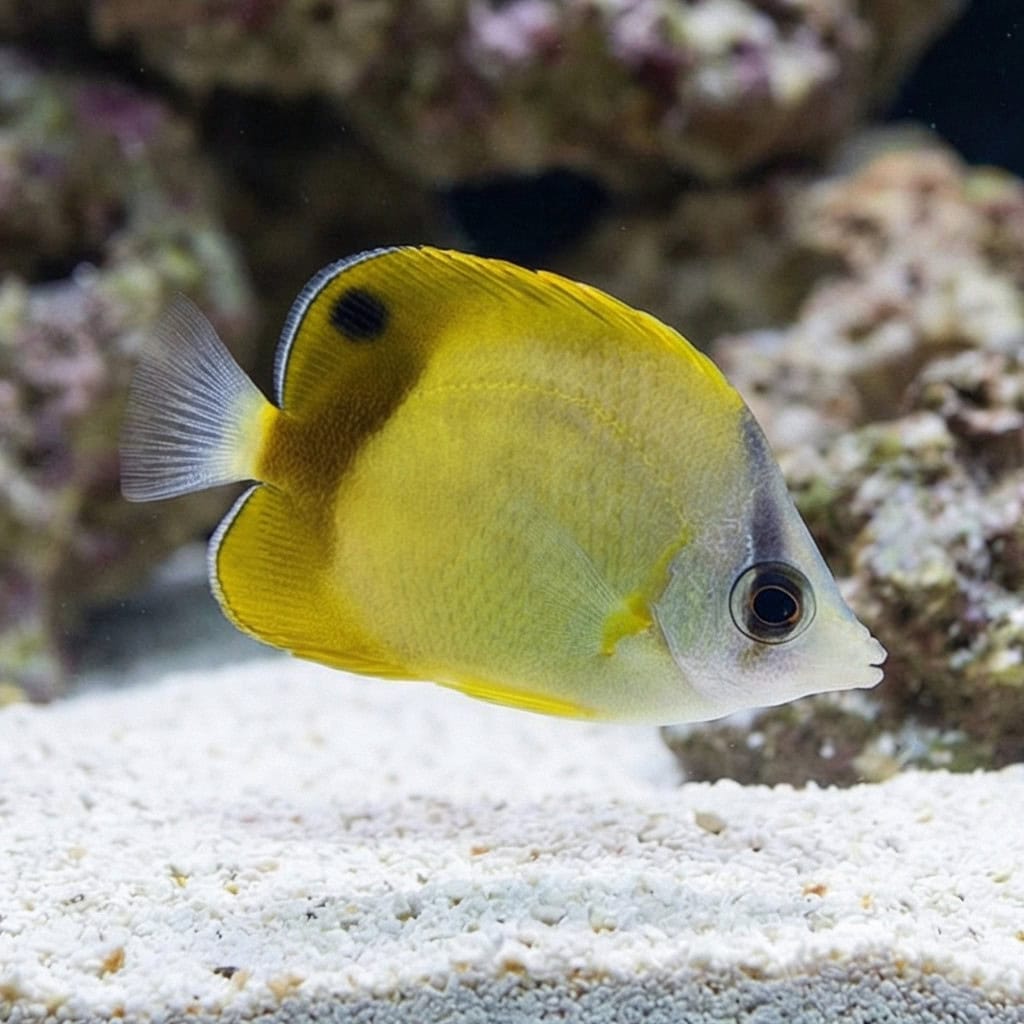
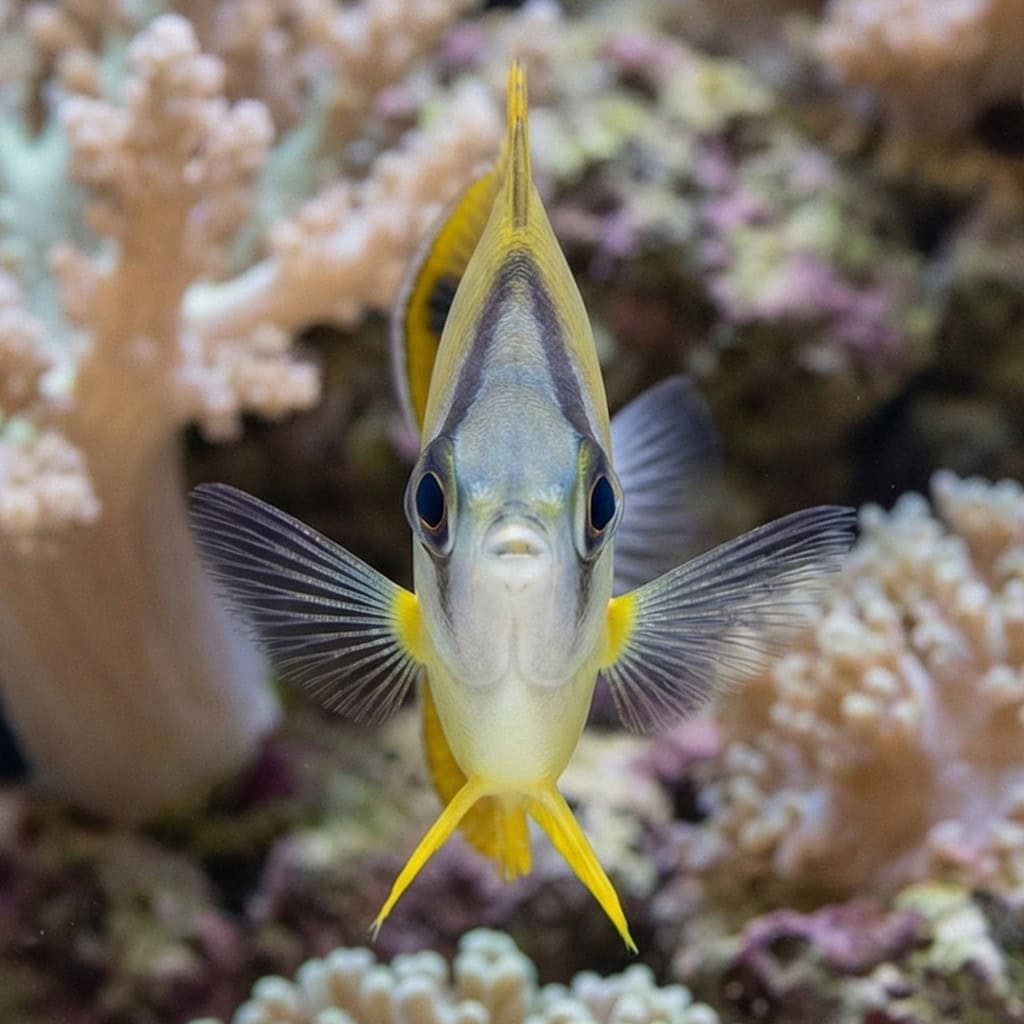
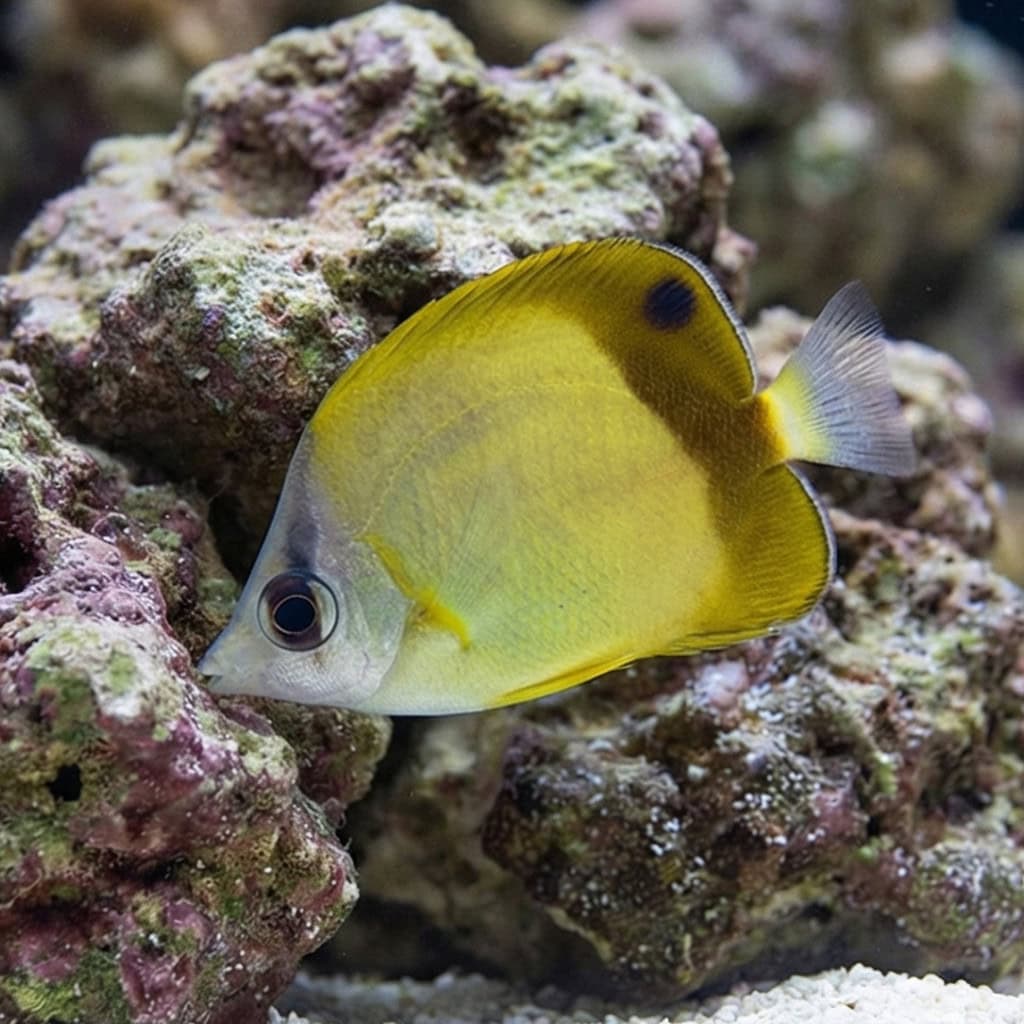
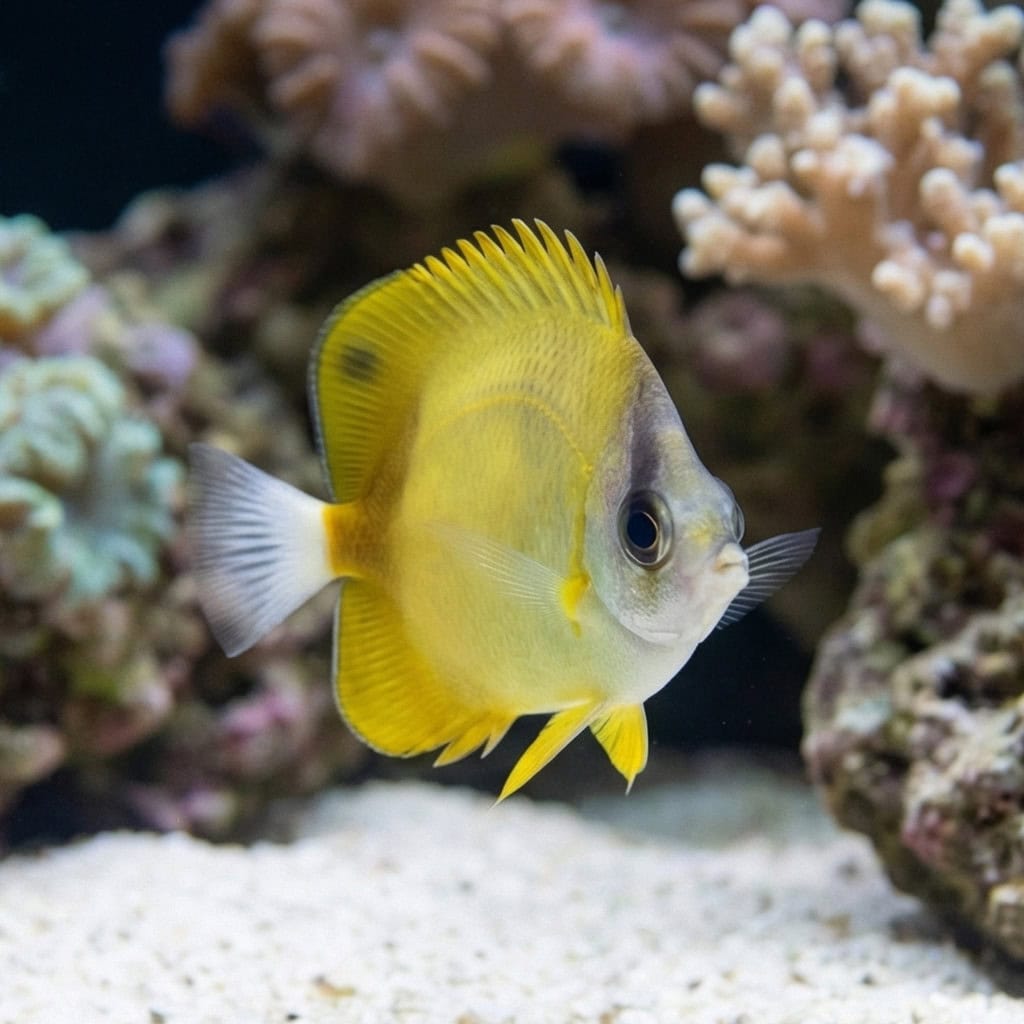
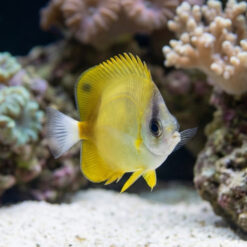
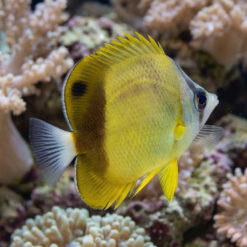
Japanese Butterfly
Chaetodon nippon
| Stock | Variations | Price | Quantity |
|---|
Every order ships with our standard 3-hour live arrival guarantee. Need more time? Add our 5-Day Guarantee at checkout.
Full guarantee terms →Ships Monday – Thursday for next-day arrival at your nearest FedEx Hold location — typically ready by 9 AM. We monitor every delivery.
Shipping details →
Monday – Friday 8 AM – 9 PM
Saturday 12 PM – 4 PM
Sunday 12 PM – 9 PM
Healthy, stable animals from vetted suppliers — inspected before packing, shipped overnight. Decades of experience built this model so we can deliver premium livestock at 30%+ less than you'd pay elsewhere.
| Care Level | Moderate |
|---|---|
| Temperament | Peaceful |
| Reef Safe | No |
| Functional Benefit | Ornamental Only |
| Diet Type | Omnivore |
| Mininum Tank Size | 55 gallons |
| Max Size | 6 inches |
| Temperature | 72–78°F |
| pH Range | 8.1–8.4 |
| Specific Gravity | 1.022–1.025 |
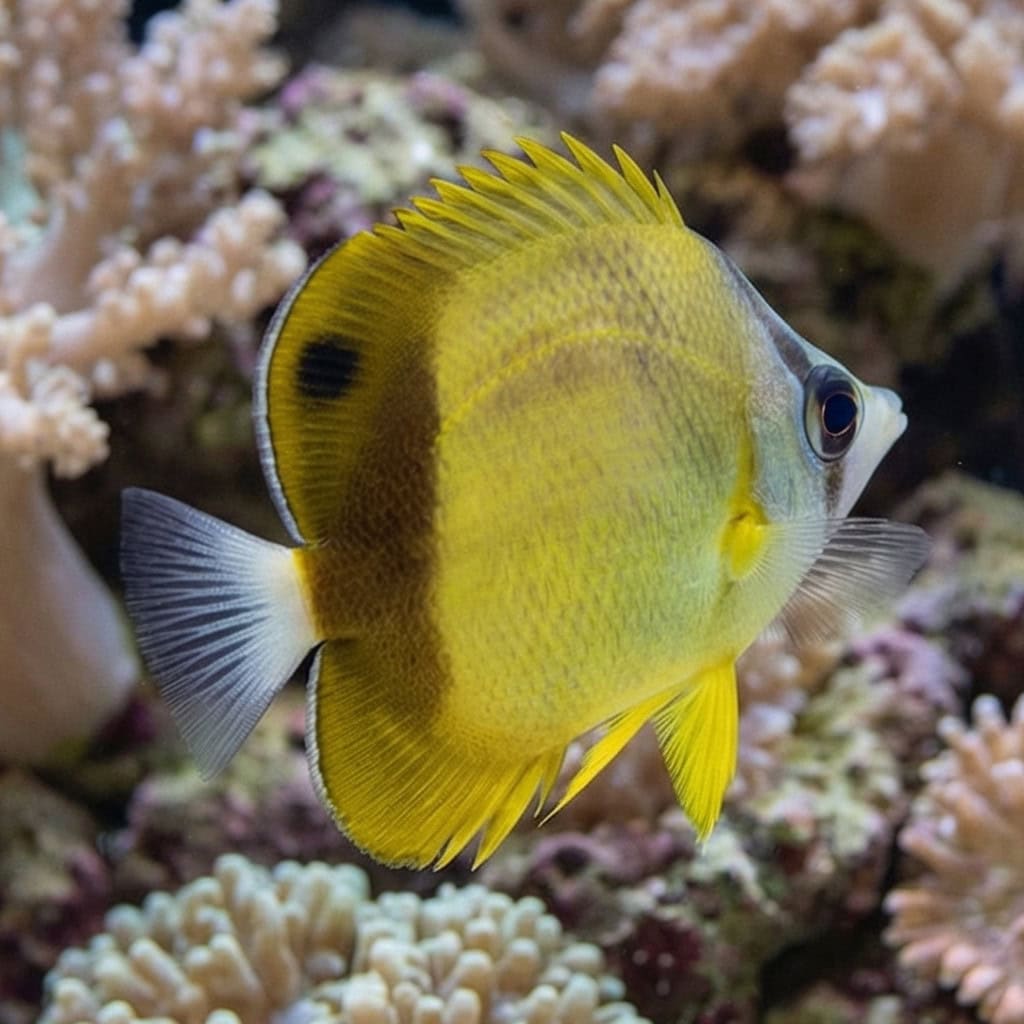
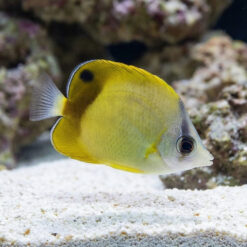
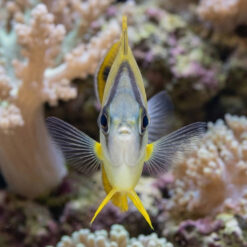
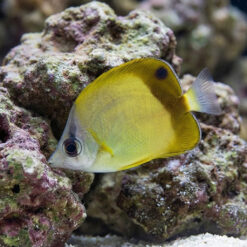
The Japanese Butterfly (Chaetodon nippon) is a deep-bodied butterflyfish with a cream-to-tan base color, a dark-edged body outline, a bold black rear “saddle,” and a yellow tail. It’s a Northwest Pacific species found around Japan and nearby regions, and it’s most often kept as a standout display fish in marine and FOWLR-style aquariums.
What You’ll Observe:
- Steady cruising along the rockwork and glass, with frequent “inspection” stops to peck and browse
- A consistent interest in natural surfaces—moving from spot to spot rather than hovering in one place
- Noticeable attention to what other fish are eating, often joining the group once feeding starts
- Pair-style behavior in some setups, where two fish stay near each other and travel together
To do well long-term, provide a mature tank with plenty of rock structure to explore plus open lanes for swimming. Offer a varied menu of finely chopped seafoods and frozen foods, and include algae-based items so it can graze between meals. Choose calm tankmates and give it a low-stress acclimation period so it settles into a predictable feeding routine.
How do hobbyists get butterflyfish to start eating prepared foods after arrival?
Many keepers report best results by offering “pickable” foods first (like clam/mussel on the half shell) and then transitioning to frozen items once the fish is actively browsing.
Is it normal for a new butterflyfish to ignore food while it explores the tank?
Yes—threads commonly describe an initial “settling in” phase where the fish focuses on grazing and surveying the rockwork before it fully commits to the feeding station.
Do they tend to eat better when food is broadcast into the flow or placed in one spot?
Many hobbyists prefer placing food where the fish can repeatedly return and peck (shell-on foods or food pressed into a rock/clip), especially during the first couple of weeks.
Will it keep pecking at the rocks even when it’s eating frozen foods well?
Keepers often describe ongoing browsing/pecking as part of normal daily behavior, even in fish that take prepared foods consistently.
If kept as a pair, do they usually stay together all day?
Some aquarists report the two fish travel the tank in the same general area and rejoin each other frequently, especially once they’ve settled and established a routine.
We work with trusted suppliers who keep our specimens healthy and well-fed before shipping.
Recently viewed products