
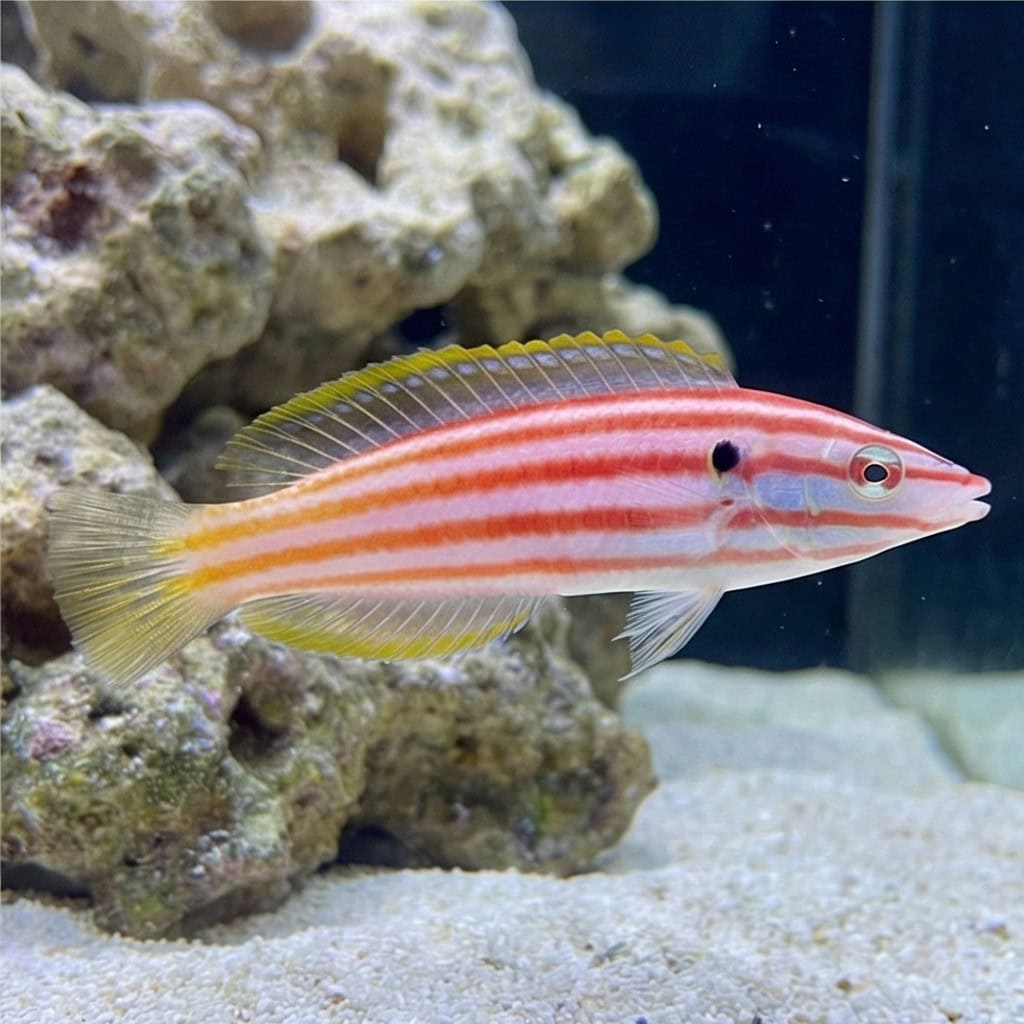
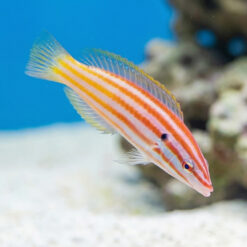
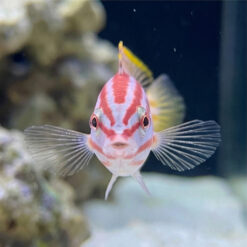
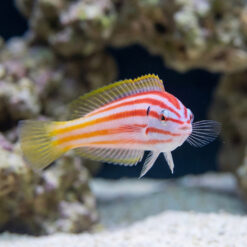
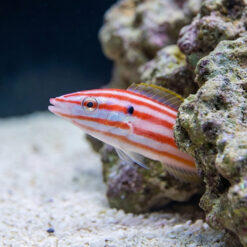
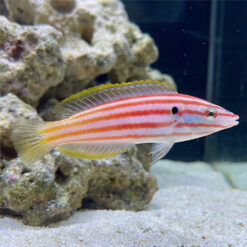
Red Cigar Wrasse
Hologymnosus rhodonotus
| Stock | Variations | Price | Quantity |
|---|
Every order ships with our standard 3-hour live arrival guarantee. Need more time? Add our 5-Day Guarantee at checkout.
Full guarantee terms →Ships Monday – Thursday for next-day arrival at your nearest FedEx Hold location — typically ready by 9 AM. We monitor every delivery.
Shipping details →
Monday – Friday 8 AM – 9 PM
Saturday 12 PM – 4 PM
Sunday 12 PM – 9 PM
Healthy, stable animals from vetted suppliers — inspected before packing, shipped overnight. Decades of experience built this model so we can deliver premium livestock at 30%+ less than you'd pay elsewhere.
| Care Level | Moderate |
|---|---|
| Temperament | Semi-Aggressive |
| Reef Safe | With Caution |
| Functional Benefit | Ornamental Only |
| Diet Type | Carnivore |
| Mininum Tank Size | 180 gallons |
| Max Size | 12 inches |
| Temperature | 72–78°F |
| pH Range | 8.1–8.4 |
| Specific Gravity | 1.022–1.025 |
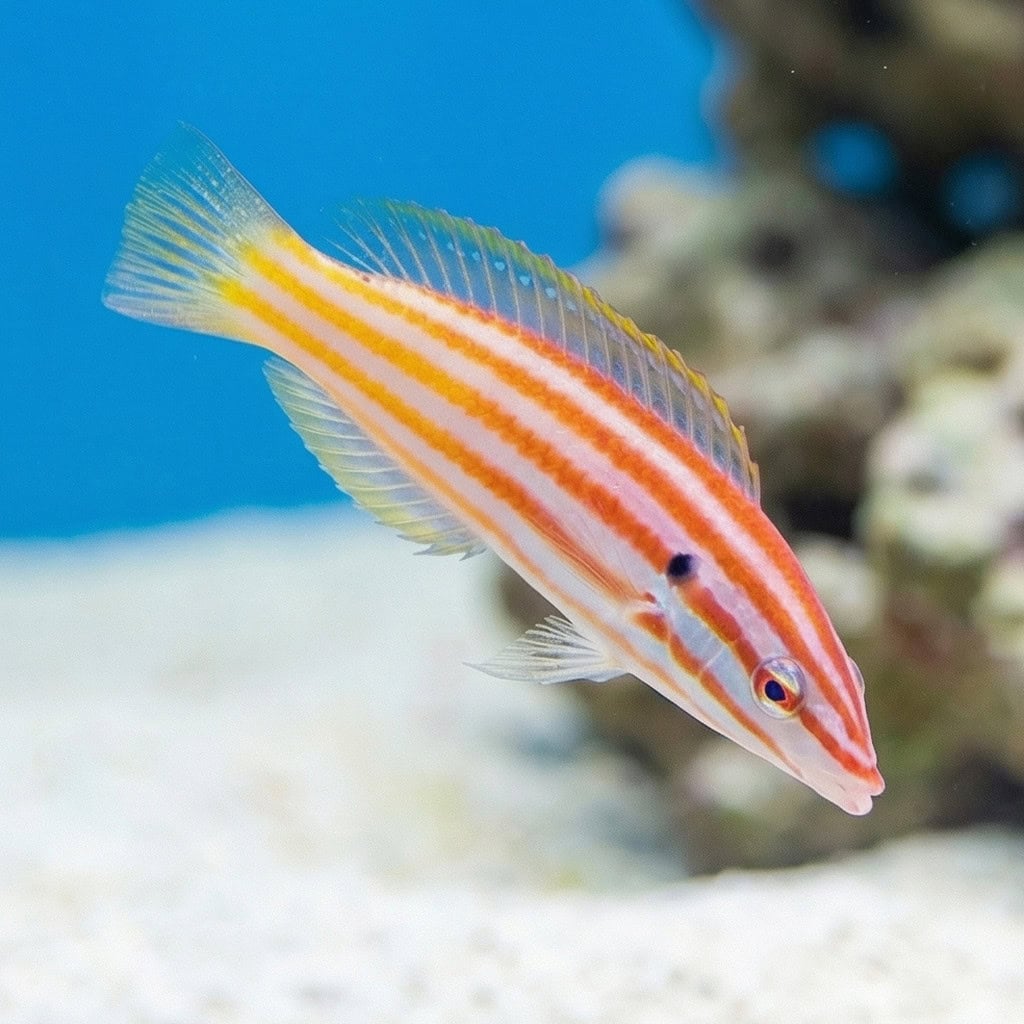
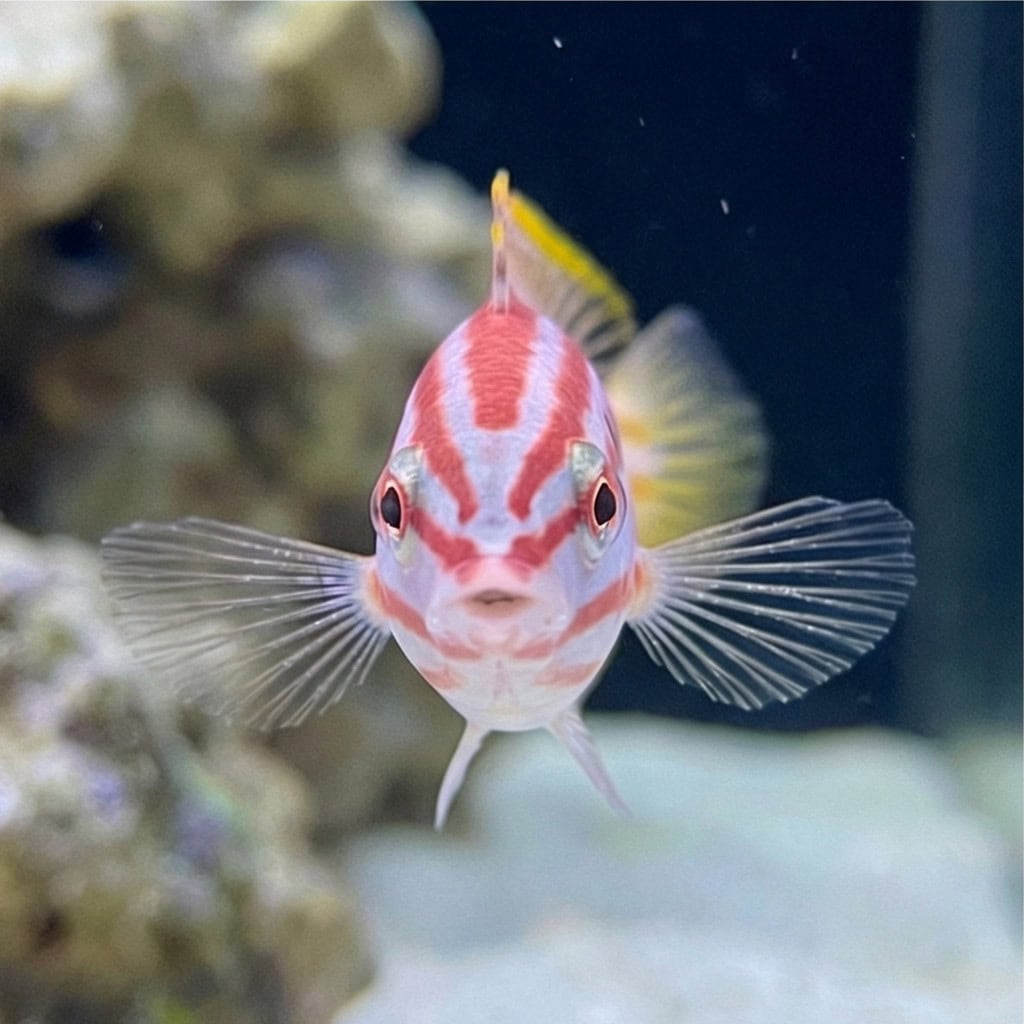
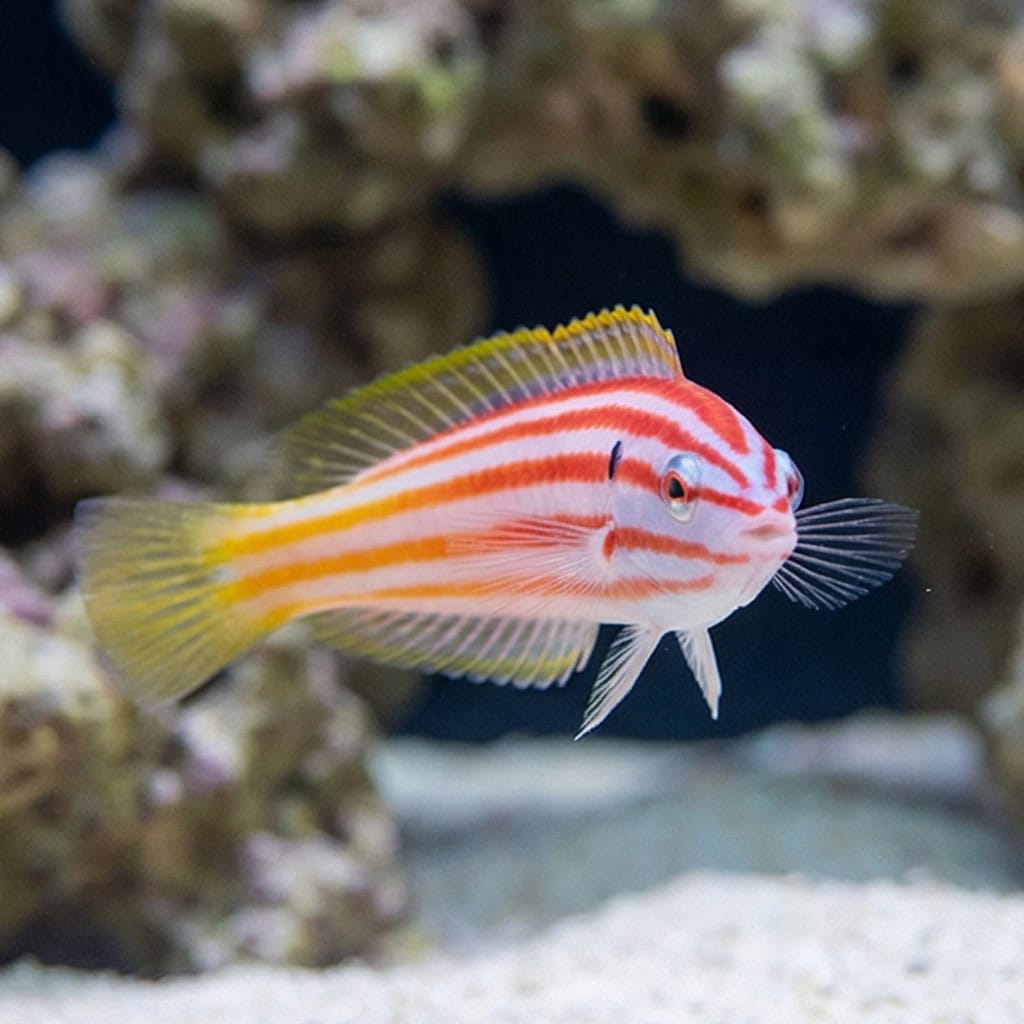
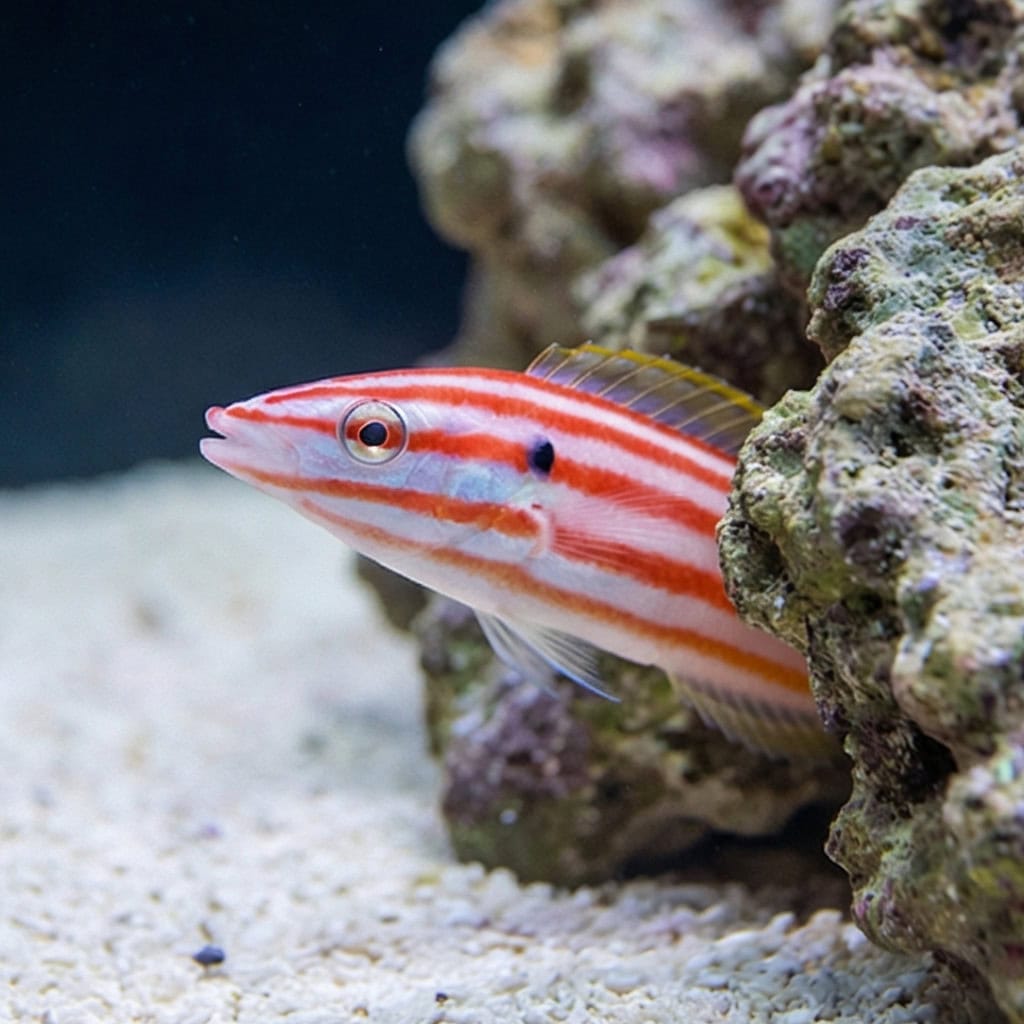
The Red Cigar Wrasse (Hologymnosus rhodonotus), also seen as the Candy Cane Wrasse or Redback Longface Wrasse, is a long-bodied wrasse with bold striping that shifts as it matures. It comes from Western Pacific reef slopes and rubble zones, and it spends much of the day cruising the lower half of the tank and inspecting crevices for food.
What You’ll Observe:
- Steady, purposeful swimming along rockwork edges and open sand lines
- Quick “inspection stops” where it noses into cracks and holes between rocks
- A strong feeding response once it learns your schedule
- Color and pattern changes over time as the fish grows
- Occasional interest in moving small bits of rubble while exploring
To help it settle in, provide a secure rock structure with caves and a sandy area it can use as a resting spot at night. Offer meaty frozen foods along with quality pellets, and feed in a few spots so it can eat naturally while staying active. This wrasse does best with tankmates that are similar in size and temperament, in a layout with plenty of room to patrol.
Why did my Red Cigar Wrasse “disappear” right after going into the display?
It’s common for large wrasses to spend stretches of time tucked into the sand or deep in rockwork while they learn the tank’s routine. Most start showing more consistent daytime activity as they recognize feeding times.
Will it knock over frags or move rock pieces?
Some keepers report “flipping” behavior where the fish tests loose rubble or unsecured items. Gluing frags down and keeping small rubble in a dedicated area helps keep the layout predictable.
How fast will its coloration change?
Juveniles and adults can look very different, and changes usually happen gradually over months rather than days. Expect the pattern to sharpen and shift as the fish grows.
What foods work best if it’s slow to take pellets?
Starting with frozen options like mysis and chopped seafood often gets them eating confidently, then pellets can be mixed in over time. Smaller, more frequent portions tend to keep feeding responses consistent.
Can it live with ornamental shrimp and other crustaceans long-term?
Many owners treat this species as a fish that may view small crustaceans as food once it gets established. If shrimp are a priority, choosing larger, more established specimens (and providing plenty of hiding structure) improves the odds.
Shipped with pure oxygen and temperature control so it arrives stress-free and ready to eat.
Recently viewed products