
Mitratus Butterfly
Chaetodon mitratus
Original price was: $883.99.$463.99Current price is: $463.99.
| Stock | Variations | Price | Quantity | |
|---|---|---|---|---|
| Only 2 left | 2.25 - 3.5" - Indian Ocean | Original price was: $883.99.$463.99Current price is: $463.99. |
-
+
|
Every order ships with our standard 3-hour live arrival guarantee. Need more time? Add our 5-Day Guarantee at checkout.
Full guarantee terms →Ships Monday – Thursday for next-day arrival at your nearest FedEx Hold location — typically ready by 9 AM. We monitor every delivery.
Shipping details →
Monday – Friday 8 AM – 9 PM
Saturday 12 PM – 4 PM
Sunday 12 PM – 9 PM
Healthy, stable animals from vetted suppliers — inspected before packing, shipped overnight. Decades of experience built this model so we can deliver premium livestock at 30%+ less than you'd pay elsewhere.
| Care Level | Moderate |
|---|---|
| Temperament | Semi-Aggressive |
| Reef Safe | With Caution |
| Functional Benefit | Ornamental Only |
| Diet Type | Omnivore |
| Mininum Tank Size | 55 gallons |
| Max Size | 6 inches |
| Temperature | 72–78°F |
| pH Range | 8.1–8.4 |
| Specific Gravity | 1.022–1.025 |
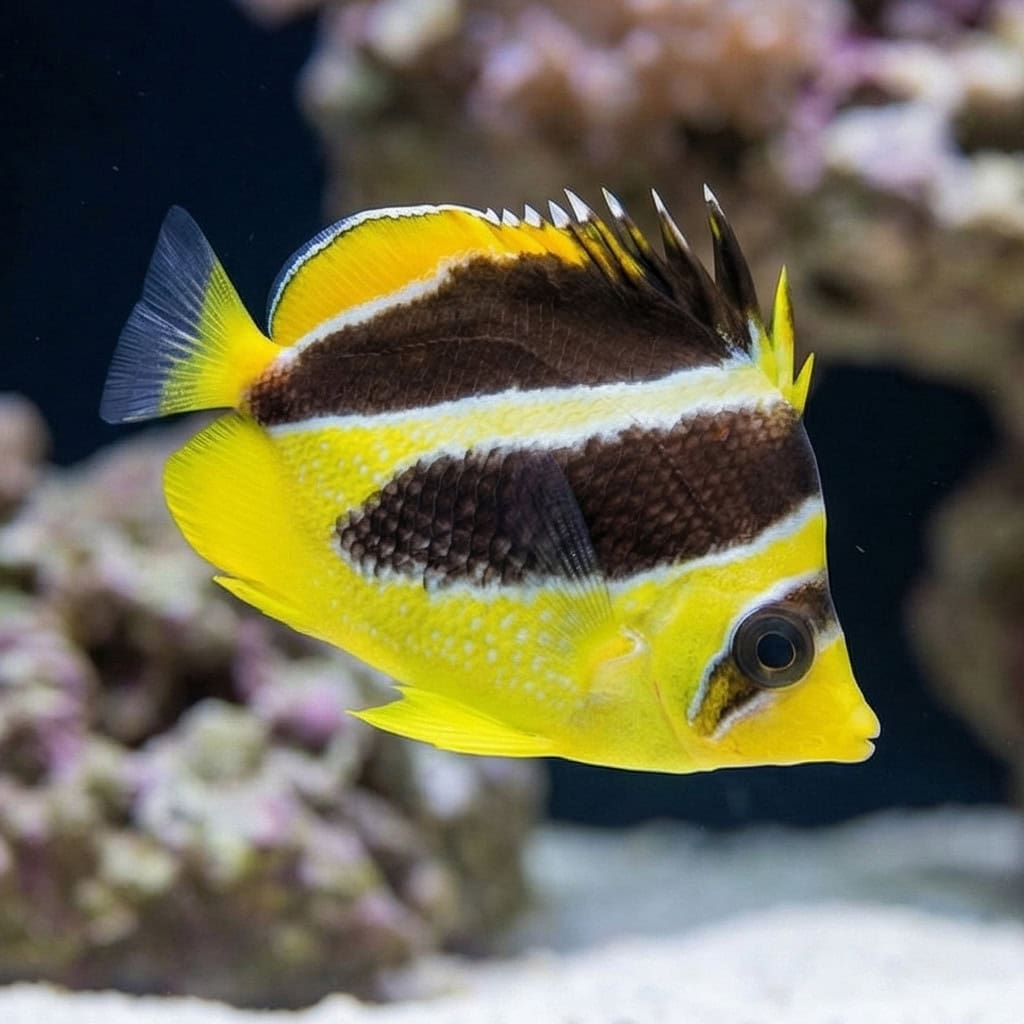
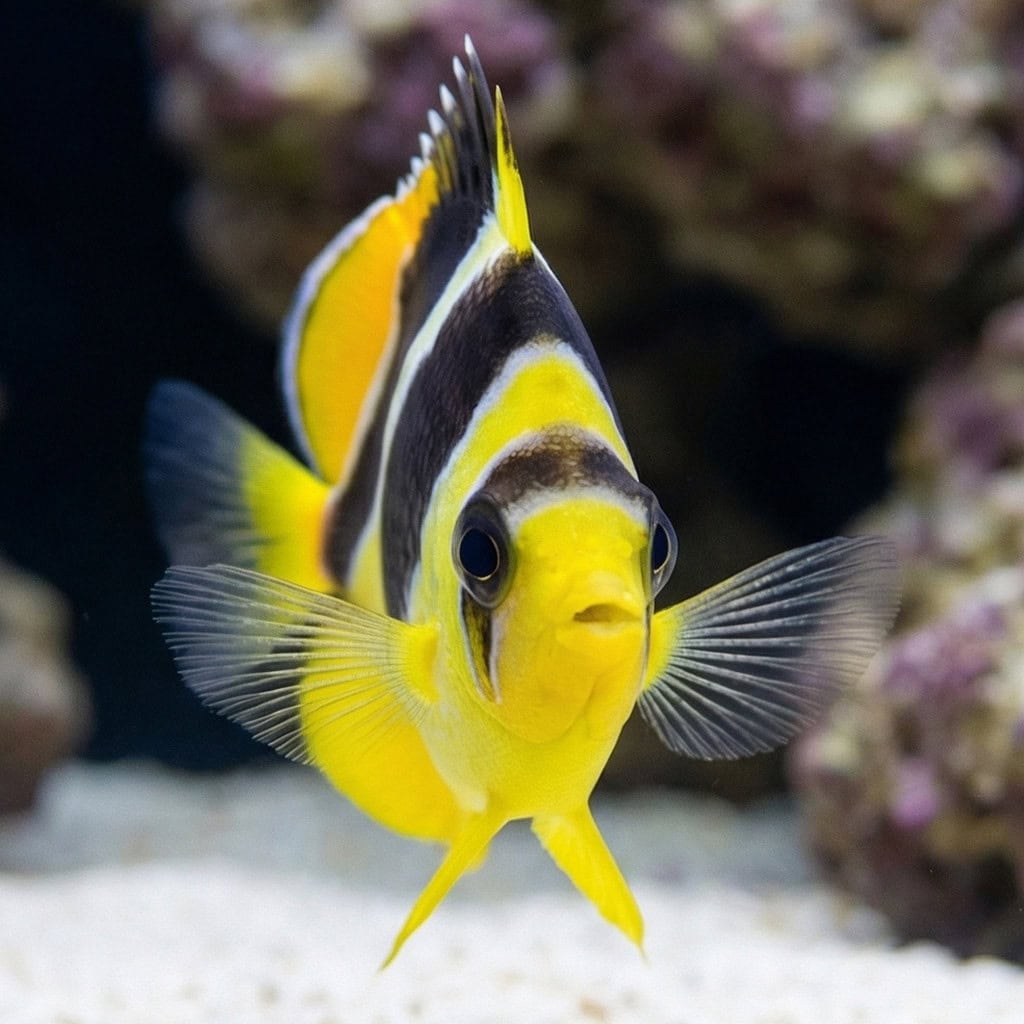
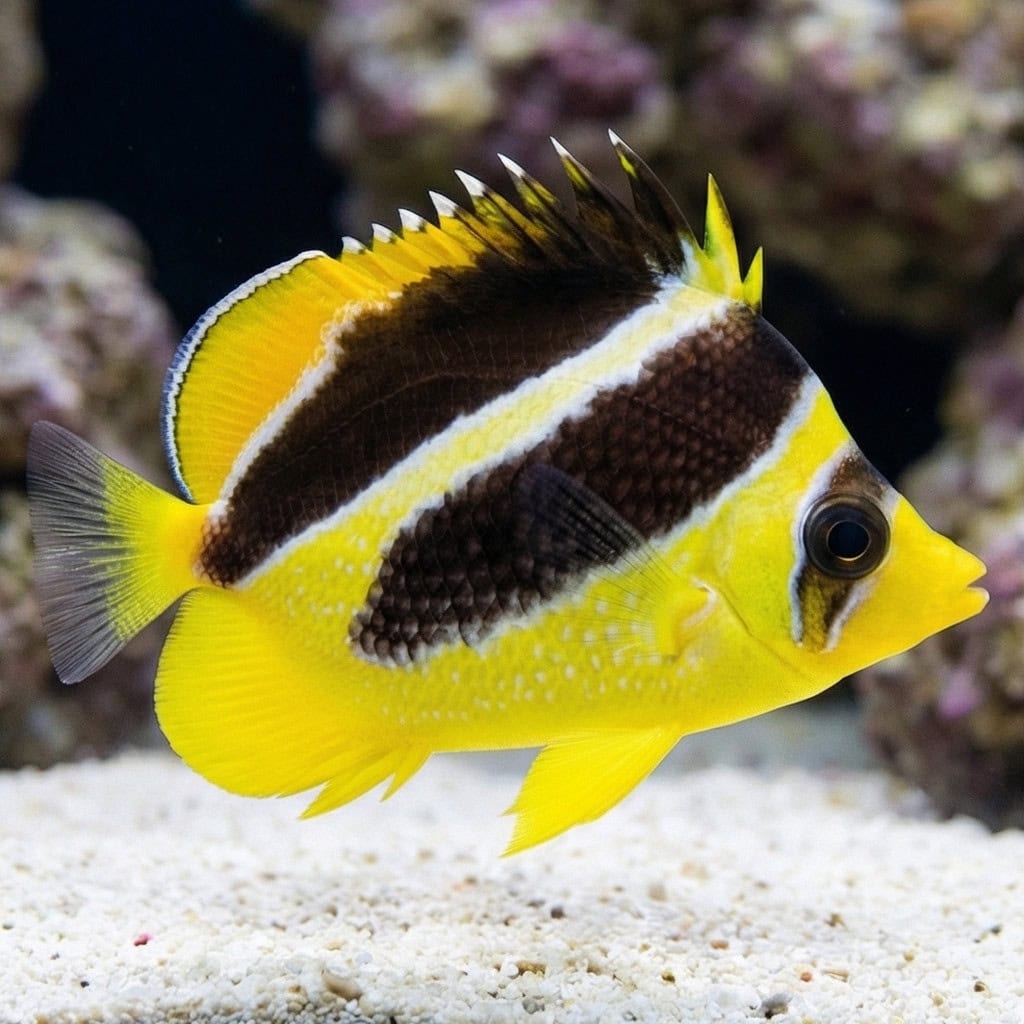
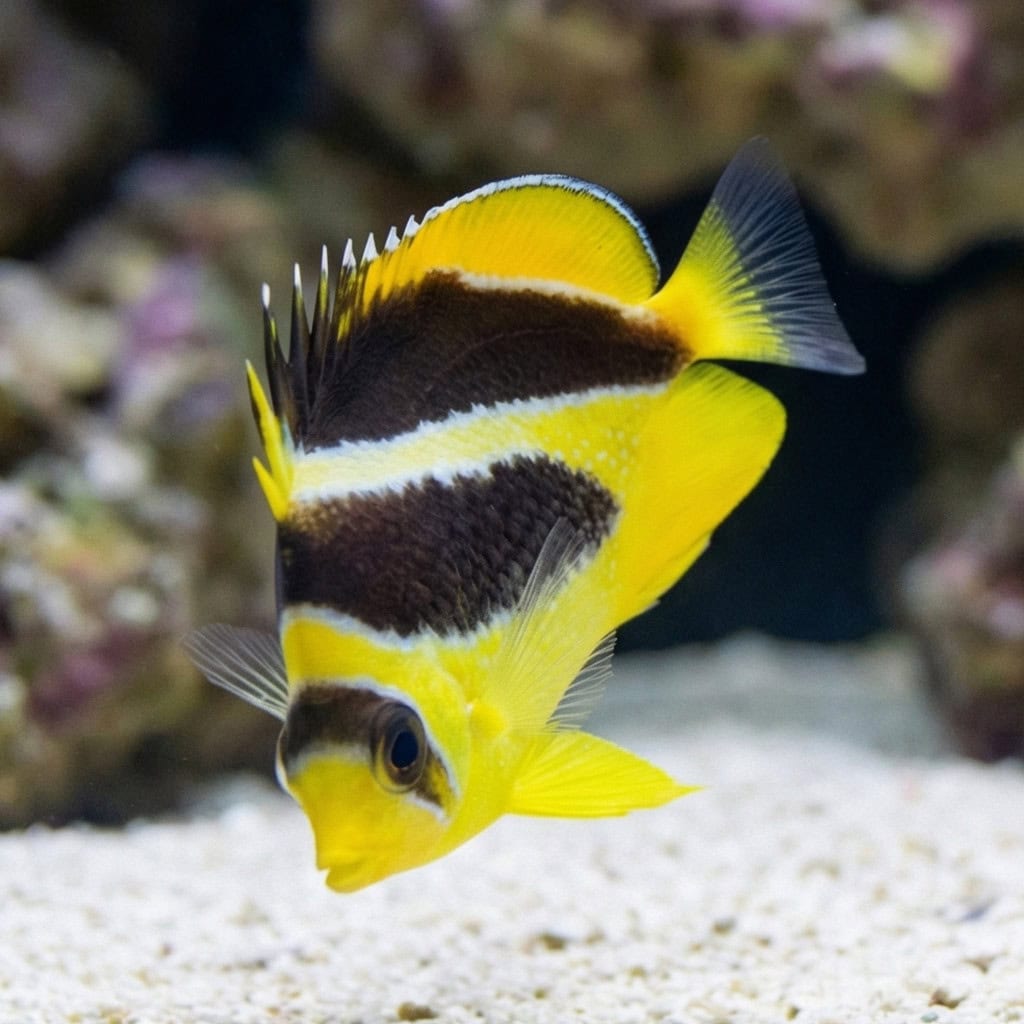
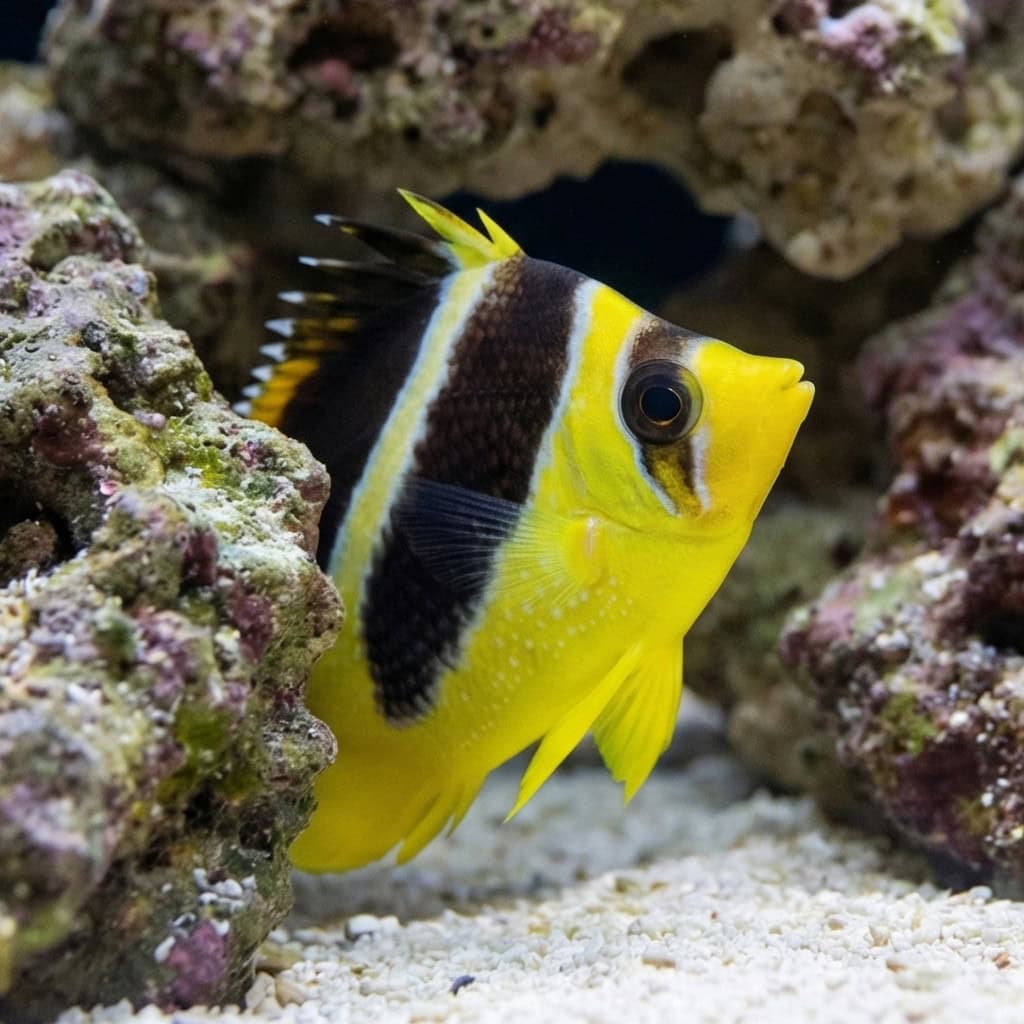
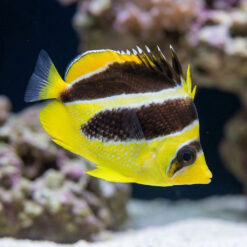
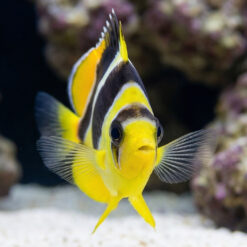
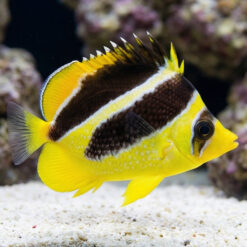
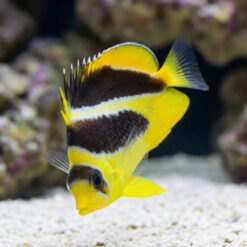
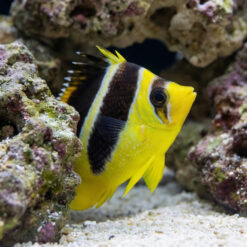
The Mitratus Butterfly (Chaetodon mitratus), also called the Indian or headband butterflyfish, shows a bright yellow body with bold, angled black bands and a dark facial mask. It’s a deepwater Indian Ocean butterflyfish often associated with steep outer reef areas and islands like the Maldives.
What You’ll Observe:
- Moves in short loops between open water and rockwork
- Pauses to pick at the reef surface throughout the day
- Uses caves and overhangs as “check-in” spots between laps
- Becomes more visible as it settles into a steady feeding routine
For best results, provide established rockwork with multiple hiding places and shaded ledges, plus steady water quality. Offer a varied menu of meaty frozen foods along with blended preparations, and plan on multiple smaller feedings daily so it can graze naturally between meals. In mixed reefs, many keepers plan coral choices around the fish’s picking behavior and keep feeding consistent.
What foods usually get a Mitratus Butterfly eating in the first week?
Many hobbyists start with clam on the half shell, then transition to frozen mysis once it recognizes prepared foods as food.
Is it normal for this fish to stay hidden at first?
Yes—new arrivals often spend extra time under ledges and in caves, then begin making regular “patrol laps” once they learn your feeding schedule.
Do they behave the same in every reef tank with corals?
No—reports vary by individual; some ignore SPS but show more interest in fleshy corals like acans and zoas, especially if they’re underfed.
Can you keep more than one Mitratus Butterflyfish together?
Some keepers report success with a pair or small group in a sufficiently large system, especially when introduced with plenty of space and structure.
How do you make sure it gets its share of food in a busy tank?
Using a consistent feeding spot (or briefly target-feeding near its preferred ledge) helps it learn where food will appear and reduces competition at the surface.
We work with trusted suppliers who keep our specimens healthy and well-fed before shipping.
Recently viewed products