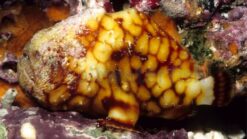
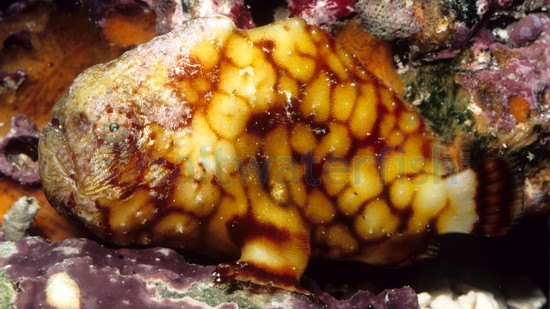
Pygmy Tuberculated Frogfish
Antennatus tuberosus
| Stock | Variations | Price | Quantity |
|---|
Every order ships with our standard 3-hour live arrival guarantee. Need more time? Add our 5-Day Guarantee at checkout.
Full guarantee terms →Ships Monday – Thursday for next-day arrival at your nearest FedEx Hold location — typically ready by 9 AM. We monitor every delivery.
Shipping details →
Monday – Friday 8 AM – 9 PM
Saturday 12 PM – 4 PM
Sunday 12 PM – 9 PM
Healthy, stable animals from vetted suppliers — inspected before packing, shipped overnight. Decades of experience built this model so we can deliver premium livestock at 30%+ less than you'd pay elsewhere.
| Care Level | Expert |
|---|---|
| Temperament | Aggressive |
| Reef Safe | With Caution |
| Functional Benefit | Ornamental Only |
| Diet Type | Carnivore |
| Mininum Tank Size | 30 gallons |
| Max Size | 4 inches |
| Temperature | 72–78°F |
| pH Range | 8.1–8.4 |
| Specific Gravity | 1.022–1.025 |
The Pygmy Tuberculated Frogfish (Antennatus tuberosus) is a small reef-associated anglerfish that perches on rockwork and coral branches, using mottled camouflage and raised “tubercles” to blend into the background. Like other frogfish, it hunts by “fishing” with a short lure (illicium) and striking in a fast inhale when prey comes close.
What You’ll Observe:
- Long stationary “perching” periods, usually tucked into a favored spot with clear sightlines
- Short, deliberate “walking” moves using its pectoral fins to change perches
- Quick lure flicks followed by sudden strike-feeding when food is presented nearby
- Color and pattern shifts over time as it settles into your aquascape
Provide stable rock perches and a few low-flow resting zones so it can choose comfortable ambush sites. Offer appropriately sized meaty foods using tongs or a feeding stick so the item moves like live prey, and keep feeding consistent so it learns your routine.
How do people usually transition a frogfish from live foods to frozen?
Most keepers start by offering frozen items that resemble the current live food, then use a feeding stick or tongs to add lifelike movement until the fish consistently commits to the strike.
What presentation works best if it ignores food right in front of it?
A slow “swim-by” motion or a short twitch-and-pause often gets a better response than holding the food still, since the strike is triggered by movement.
Is it normal for a frogfish to “walk” around the tank at times instead of staying put?
Yes’many will relocate between a few favorite perches, especially as they learn where food usually appears.
How often do hobbyists typically feed once the fish is eating reliably?
Many aquarists feed a few times per week rather than daily, focusing on consistent portions and letting the fish fully finish each meal before offering another.
Do they actually use the lure much in aquariums?
Some do “fish” with the lure regularly, while others rely more on ambush positioning; both patterns are commonly reported by keepers.
Shipped with pure oxygen and temperature control so it arrives stress-free and ready to eat.
Recently viewed products