
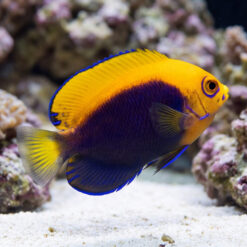
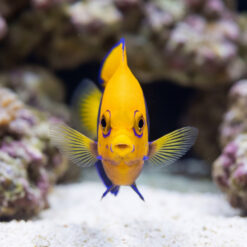
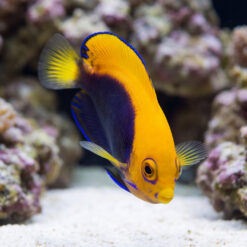
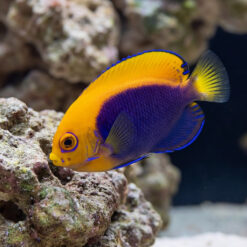
Flameback Angelfish – Africa
Centropyge acanthops
| Stock | Variations | Price | Quantity | |
|---|---|---|---|---|
| Out of Stock | 2.25 - 3.25" - Africa | Original price was: $190.99.$99.99Current price is: $99.99. | Email me | |
| Out of Stock | 1.25 - 2.25" - Africa | Original price was: $177.99.$93.99Current price is: $93.99. | Email me |
Every order ships with our standard 3-hour live arrival guarantee. Need more time? Add our 5-Day Guarantee at checkout.
Full guarantee terms →Ships Monday – Thursday for next-day arrival at your nearest FedEx Hold location — typically ready by 9 AM. We monitor every delivery.
Shipping details →
Monday – Friday 8 AM – 9 PM
Saturday 12 PM – 4 PM
Sunday 12 PM – 9 PM
Healthy, stable animals from vetted suppliers — inspected before packing, shipped overnight. Decades of experience built this model so we can deliver premium livestock at 30%+ less than you'd pay elsewhere.
| Care Level | Moderate |
|---|---|
| Temperament | Semi-Aggressive |
| Reef Safe | With Caution |
| Functional Benefit | Ornamental Only |
| Diet Type | Omnivore |
| Mininum Tank Size | 30 gallons |
| Max Size | 3 inches |
| Temperature | 72–78°F |
| pH Range | 8.1–8.4 |
| Specific Gravity | 1.022–1.025 |
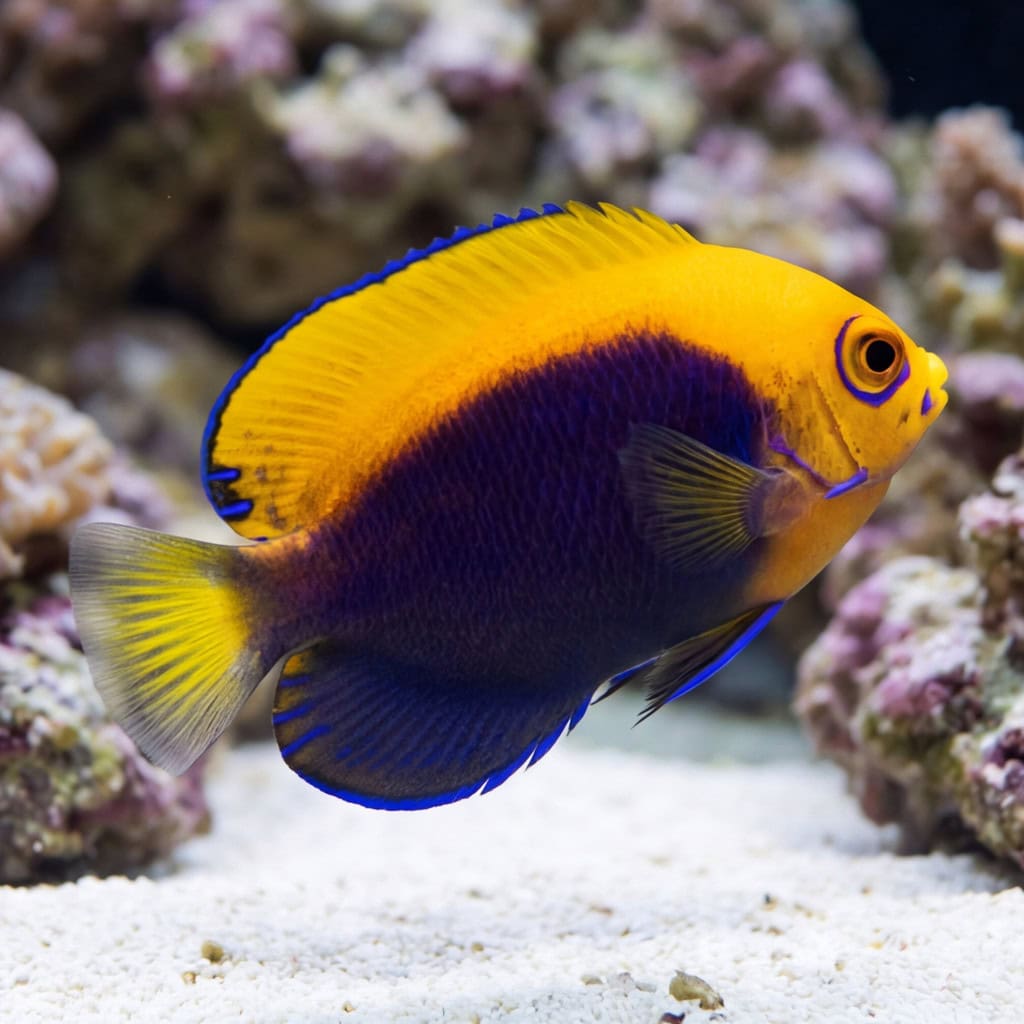
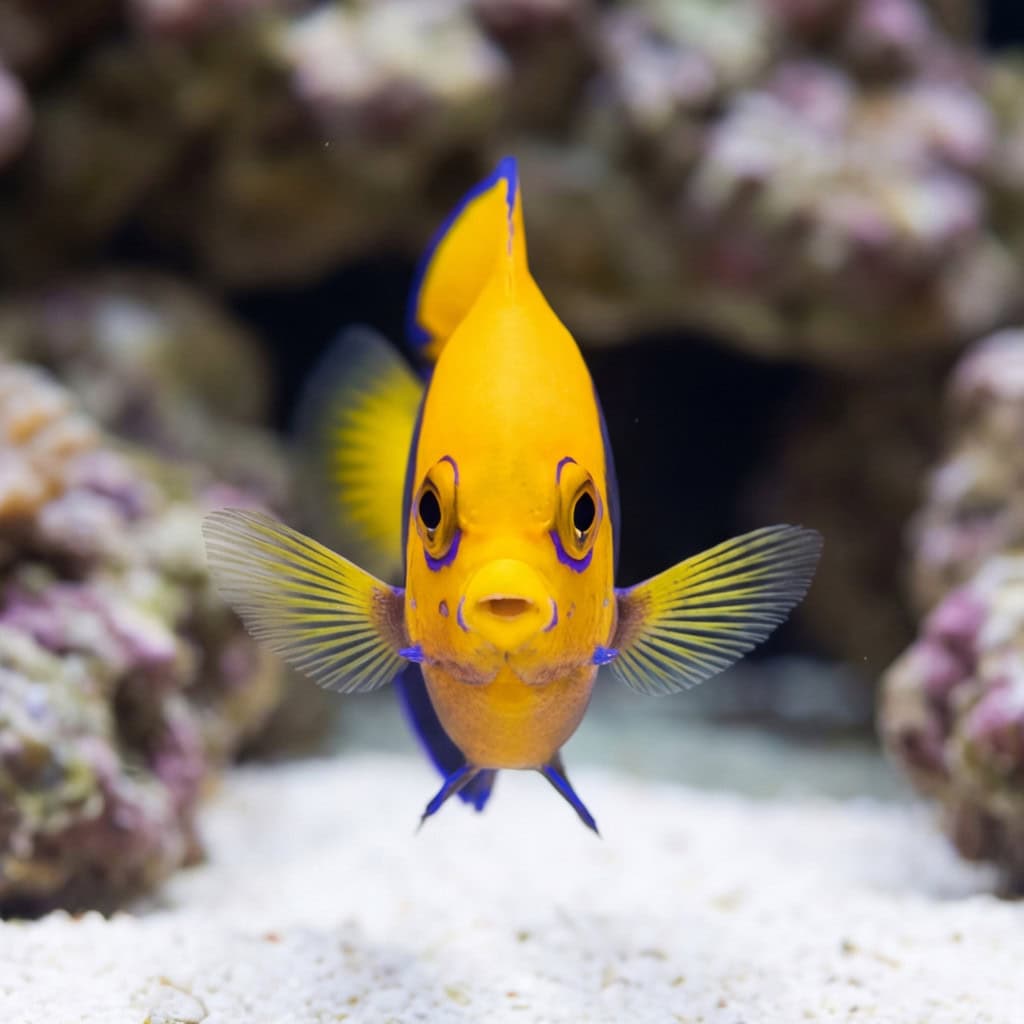
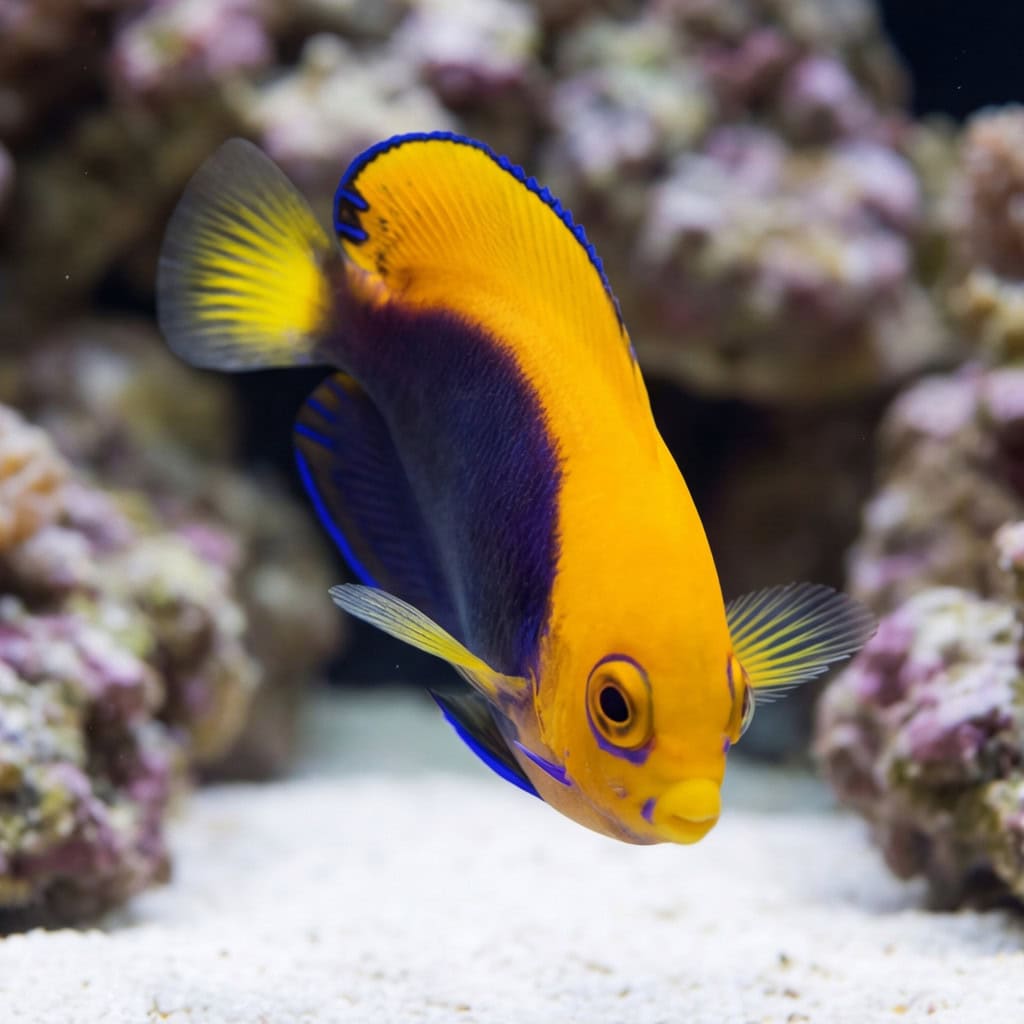
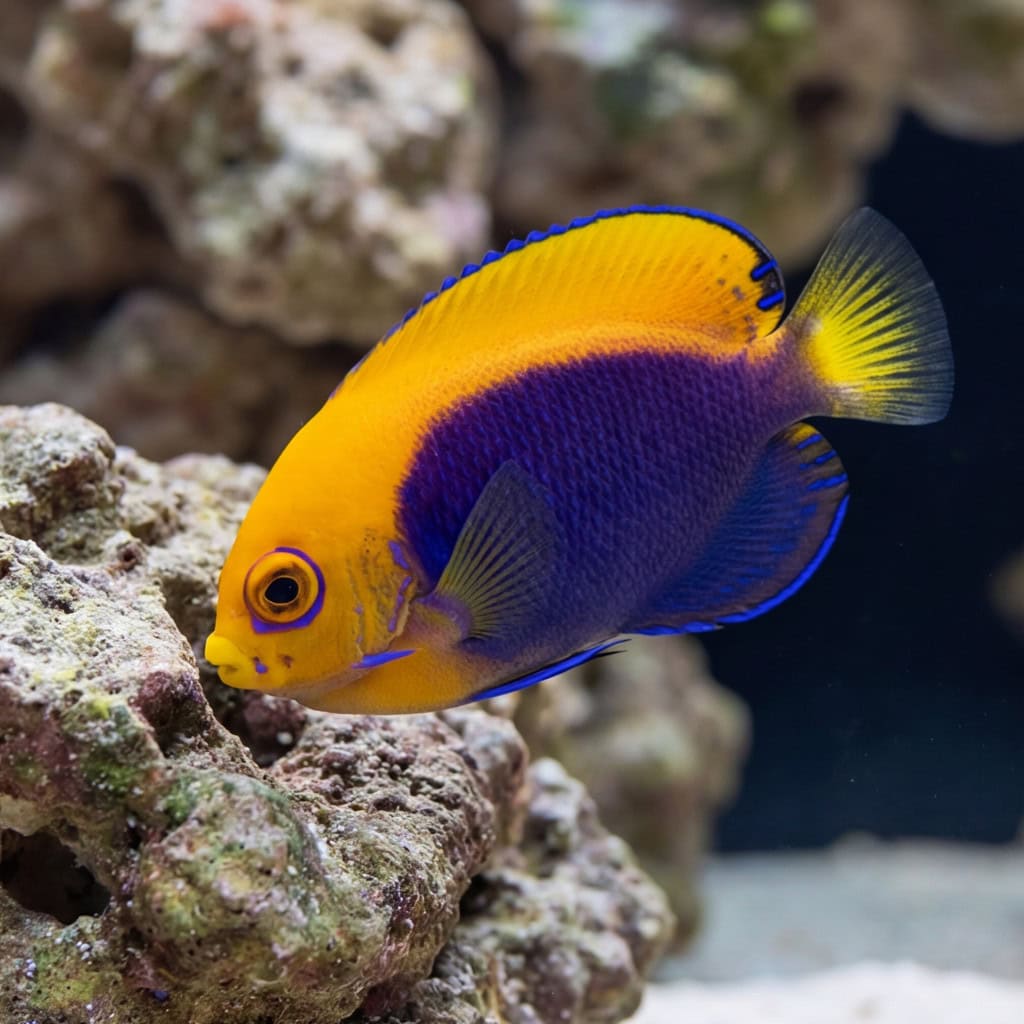
The African Flameback Angelfish (Centropyge acanthops), also called the Orangeback/Flameback Angelfish, is a small pygmy angelfish with a blue-violet body, yellow face and back, and a lighter tail. It comes from the western Indian Ocean along the East African region, where it stays close to rubble and reef structure.
What You’ll Observe:
- Short, quick dashes between caves, then hovering out in the open to browse rock surfaces
- Regular grazing on natural film and microalgae between feedings
- A consistent “patrol loop” around a favorite section of rockwork once it settles in
- Increasing interaction at feeding time as it learns your routine
Provide plenty of live rock with tight crevices and multiple swim-throughs so it always has an easy retreat path. Offer a varied menu that mixes algae-based foods (like spirulina/marine algae blends) with small meaty items (like mysis) in small portions through the day.
How do you get it to start eating frozen/pellets if it only grazes the rocks?
Many keepers have the best luck by starting with very small foods (mysis, finely chopped blends) offered multiple times daily, then mixing in pellets once it’s consistently “in the water column” at feeding time.
Why does it seem to “disappear” for stretches?
It can wedge deep into rockwork and stay out of sight for long periods, especially when adjusting to new lighting schedules or tank activity.
Can you keep more than one African Flameback Angelfish together?
Experienced hobbyists sometimes keep a small group or pair if they’re introduced at the same time and given extra space and separate rock zones.
Do they ever change behavior as they mature?
In groups, dwarf angels can shift social roles over time, with one individual becoming more dominant as the tank’s hierarchy settles.
How do reef keepers reduce “sampling” of corals without changing the fish?
A steady feeding rhythm plus lots of natural browsing area (mature rock with algae film) is the most commonly reported way to keep attention on the rocks instead of tank decor.
Shipped with pure oxygen and temperature control so it arrives stress-free and ready to eat.
Recently viewed products