
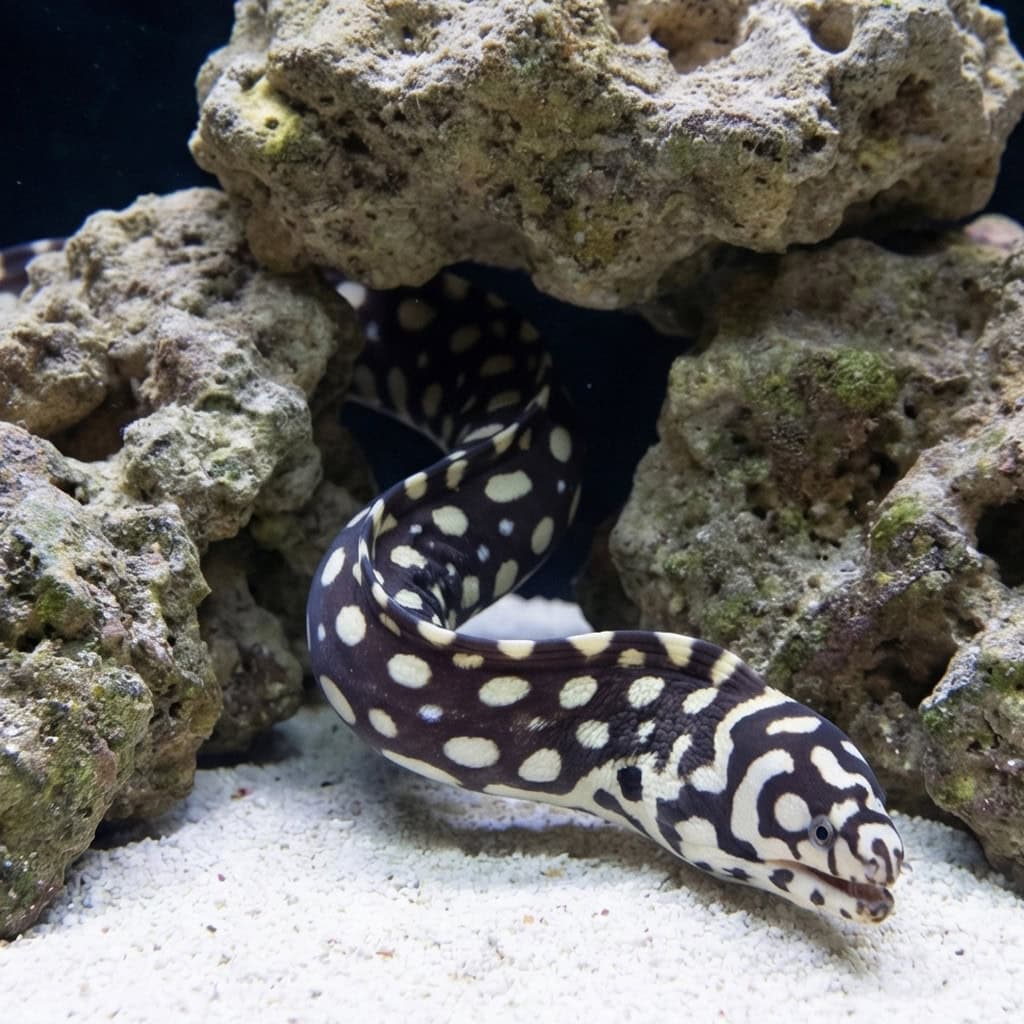
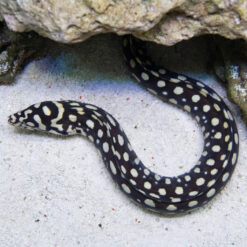
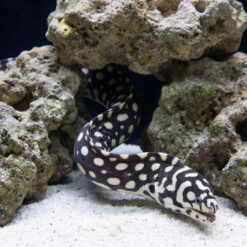
Skeletor Moray Eel
Echidna xanthospilos
| Stock | Variations | Price | Quantity |
|---|
Every order ships with our standard 3-hour live arrival guarantee. Need more time? Add our 5-Day Guarantee at checkout.
Full guarantee terms →Ships Monday – Thursday for next-day arrival at your nearest FedEx Hold location — typically ready by 9 AM. We monitor every delivery.
Shipping details →
Monday – Friday 8 AM – 9 PM
Saturday 12 PM – 4 PM
Sunday 12 PM – 9 PM
Healthy, stable animals from vetted suppliers — inspected before packing, shipped overnight. Decades of experience built this model so we can deliver premium livestock at 30%+ less than you'd pay elsewhere.
| Care Level | Easy |
|---|---|
| Temperament | Semi-Aggressive |
| Reef Safe | No |
| Functional Benefit | Ornamental Only |
| Diet Type | Carnivore |
| Mininum Tank Size | 120 gallons |
| Max Size | 24 inches |
| Temperature | 72–78°F |
| pH Range | 8.1–8.4 |
| Specific Gravity | 1.022–1.025 |
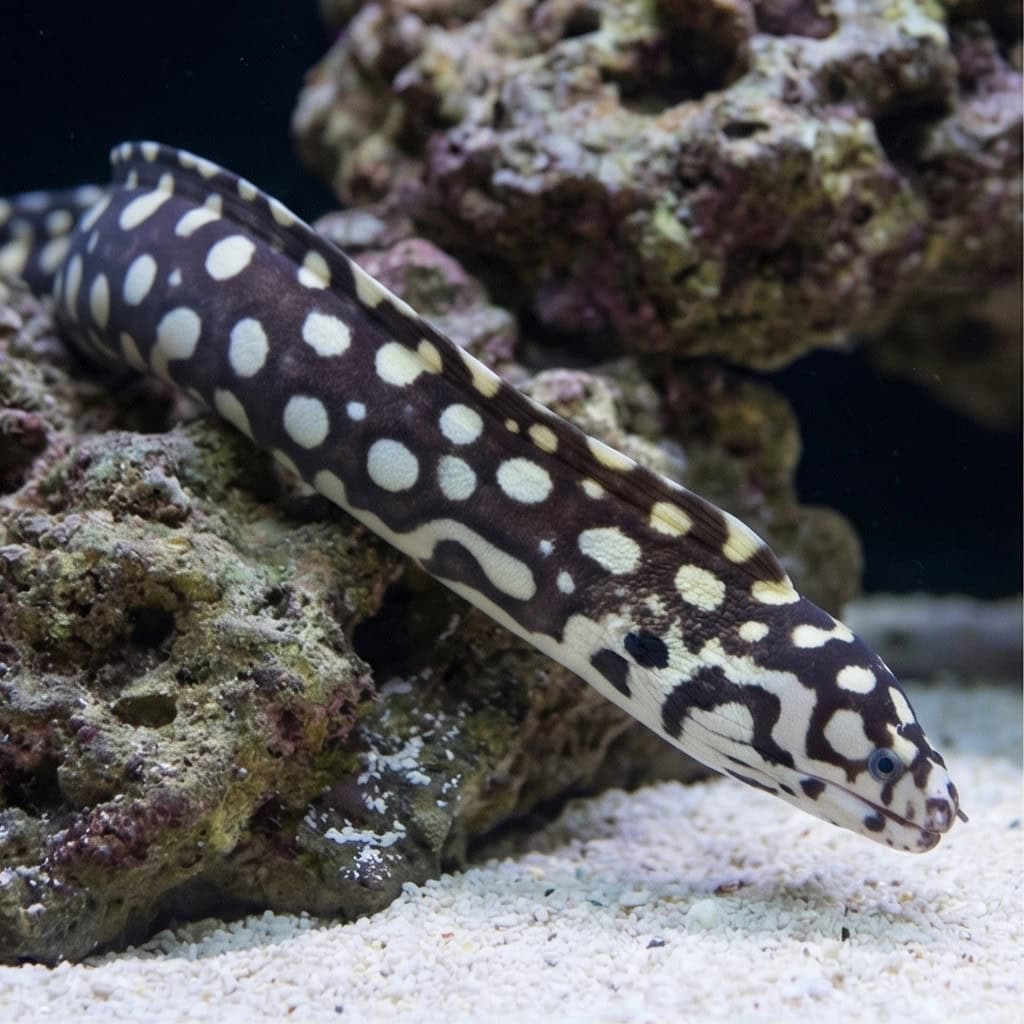
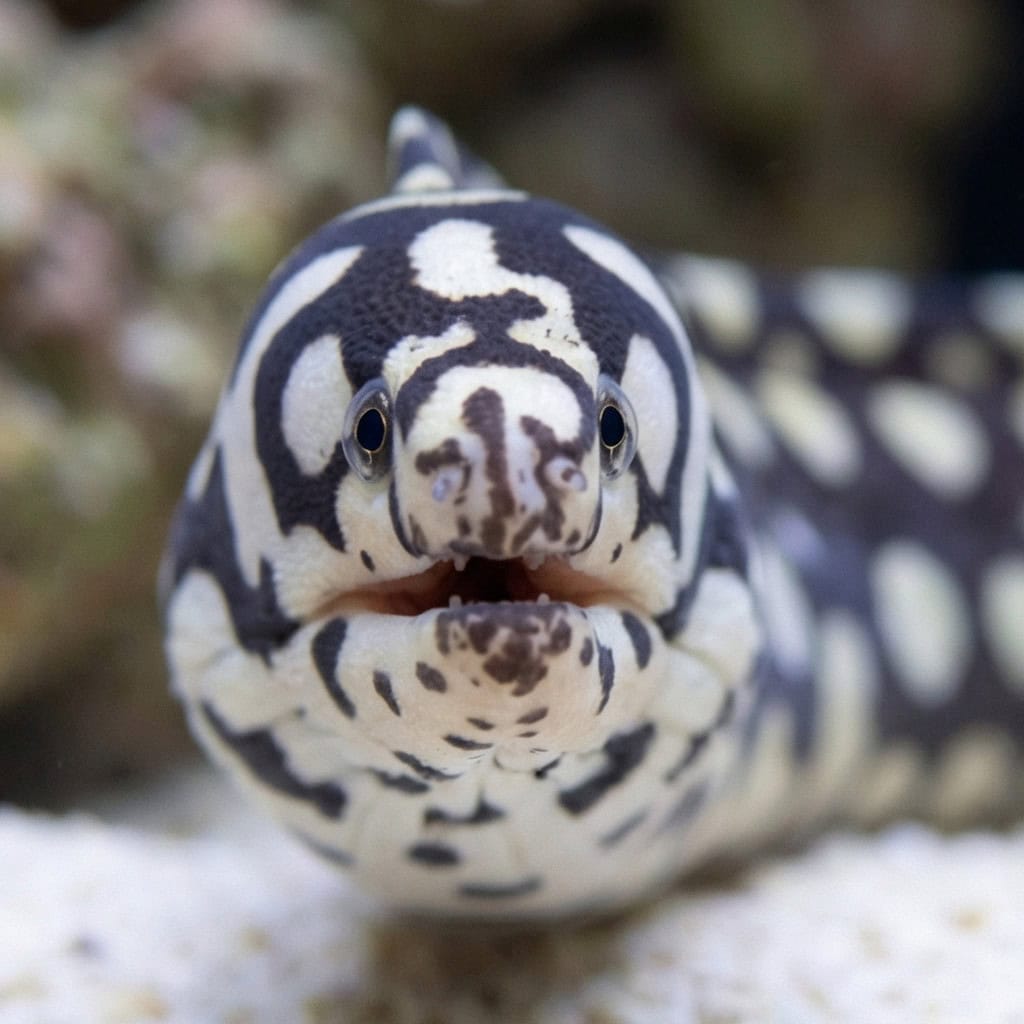
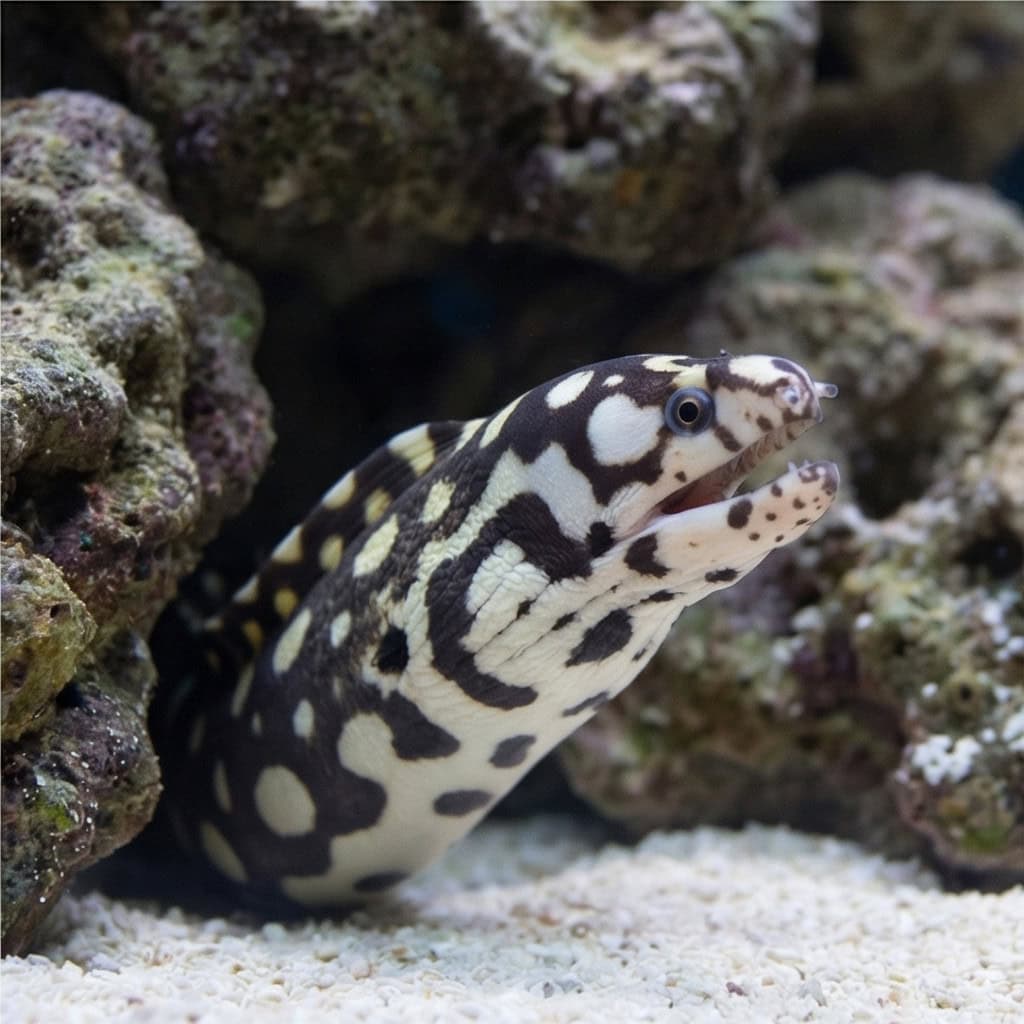
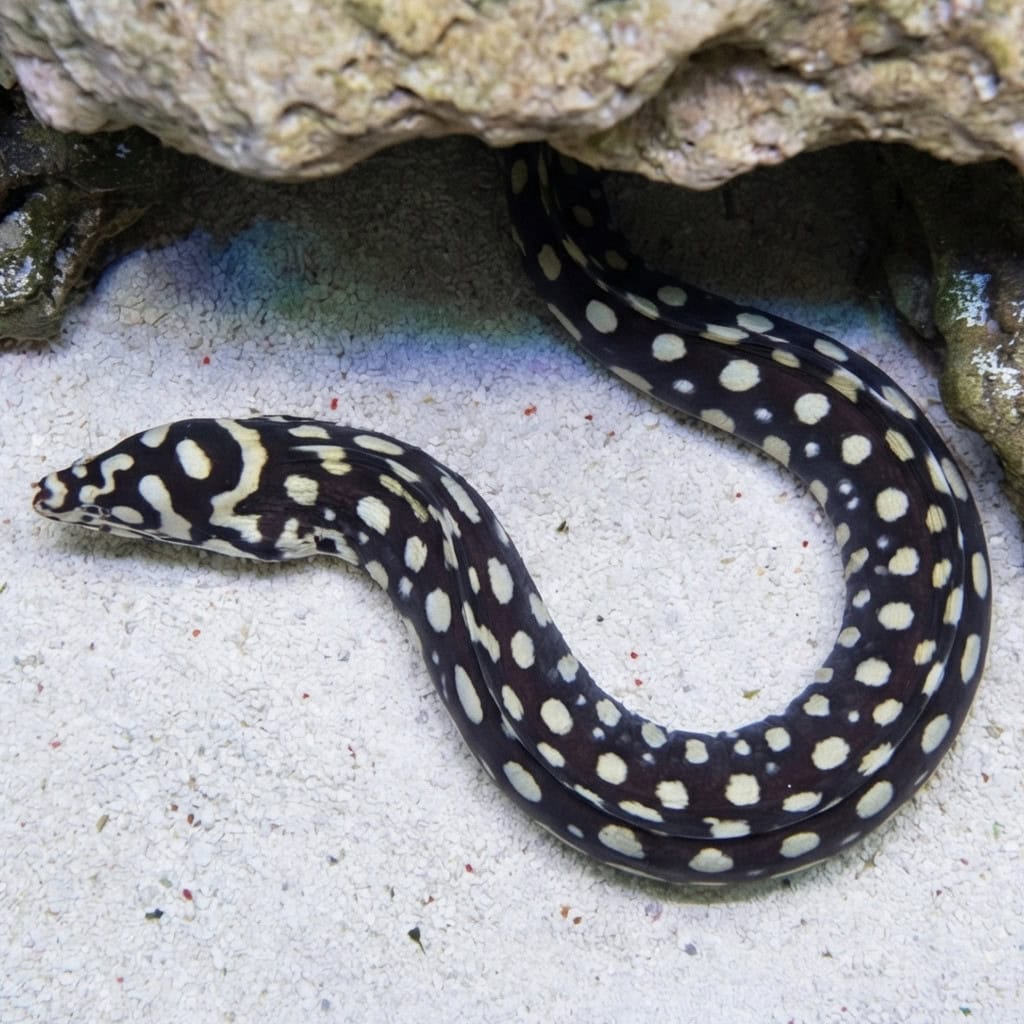
The Skeletor Moray Eel (Echidna xanthospilos), also called the yellow-spotted moray, has a dark brown-to-black body patterned with large pale spots that give it a skeletal look. It is found in the western central Pacific around Indonesia and Papua New Guinea.
What You’ll Observe:
- Spending most of the day posted in a cave with its head visible
- Becoming most active after lights dim, cruising rockwork and tunnels
- Quickly learning a consistent feeding spot and reacting to a feeding stick
- Returning to the same den once it feels settled in your aquascape
Provide a mature 120+ gallon aquarium with strong filtration and lots of caves, crevices, and tunnels (PVC dens work well). Offer meaty foods on a feeding stick a few times per week so it can feed confidently in its chosen shelter area.
Is it normal for it to stay hidden for days at first?
Yes’many keepers report a settling in period where it picks a den and becomes more visible once routines are consistent.
What’s the easiest way to get it to recognize food?
Use the same feeding tool and location each time; repeated cues help it associate movement and scent with feeding.
Can it be trained onto frozen foods if it ignores them?
Often yes’keepers commonly have success by offering small pieces and being consistent with timing and presentation.
How do you move it if it claims a tight cave during tank work?
Many hobbyists guide it into a removable PVC den or temporarily lift the entire hide as one piece.
Can this species be kept with another moray in the same system?
Some keepers keep multiple morays by providing multiple separate dens and plenty of space so each eel can claim its own retreat.
Shipped with pure oxygen and temperature control so it arrives stress-free and ready to eat.
Recently viewed products