
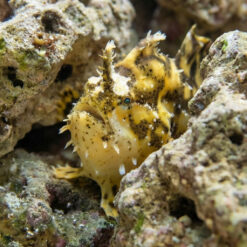
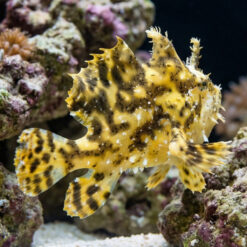
Sargassum Angler
Histrio histrio
| Stock | Variations | Price | Quantity |
|---|
Every order ships with our standard 3-hour live arrival guarantee. Need more time? Add our 5-Day Guarantee at checkout.
Full guarantee terms →Ships Monday – Thursday for next-day arrival at your nearest FedEx Hold location — typically ready by 9 AM. We monitor every delivery.
Shipping details →
Monday – Friday 8 AM – 9 PM
Saturday 12 PM – 4 PM
Sunday 12 PM – 9 PM
Healthy, stable animals from vetted suppliers — inspected before packing, shipped overnight. Decades of experience built this model so we can deliver premium livestock at 30%+ less than you'd pay elsewhere.
| Care Level | Moderate |
|---|---|
| Temperament | Aggressive |
| Reef Safe | With Caution |
| Functional Benefit | Ornamental Only |
| Diet Type | Carnivore |
| Mininum Tank Size | 30 gallons |
| Max Size | 6 inches |
| Temperature | 72–78°F |
| pH Range | 8.1–8.4 |
| Specific Gravity | 1.022–1.025 |
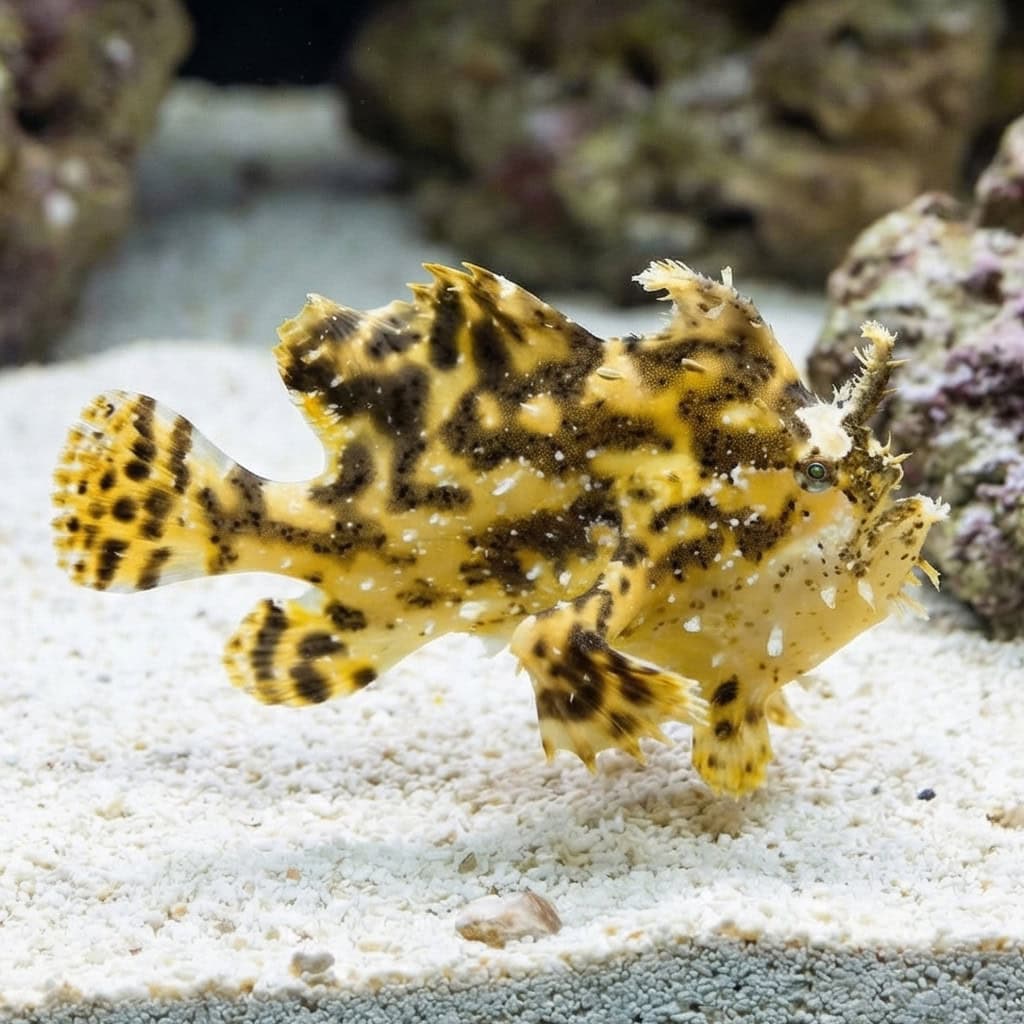
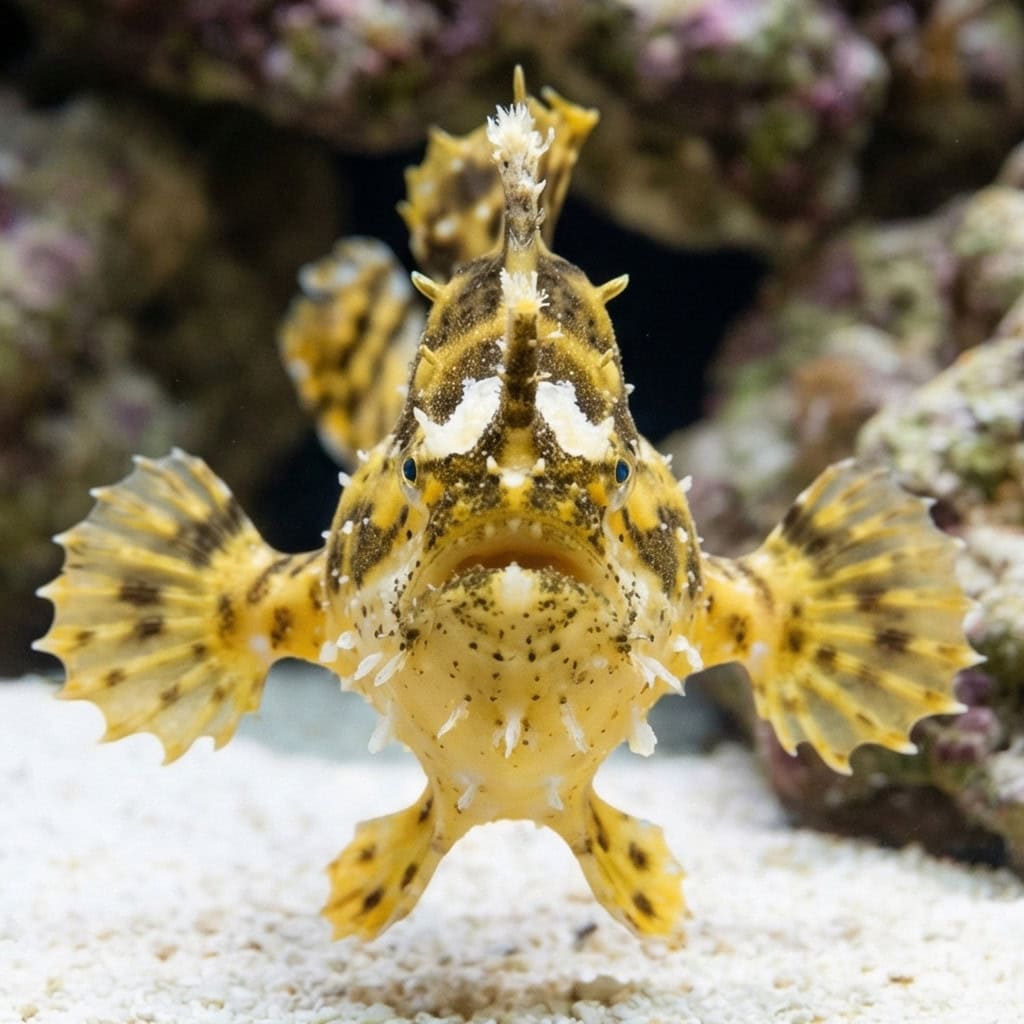
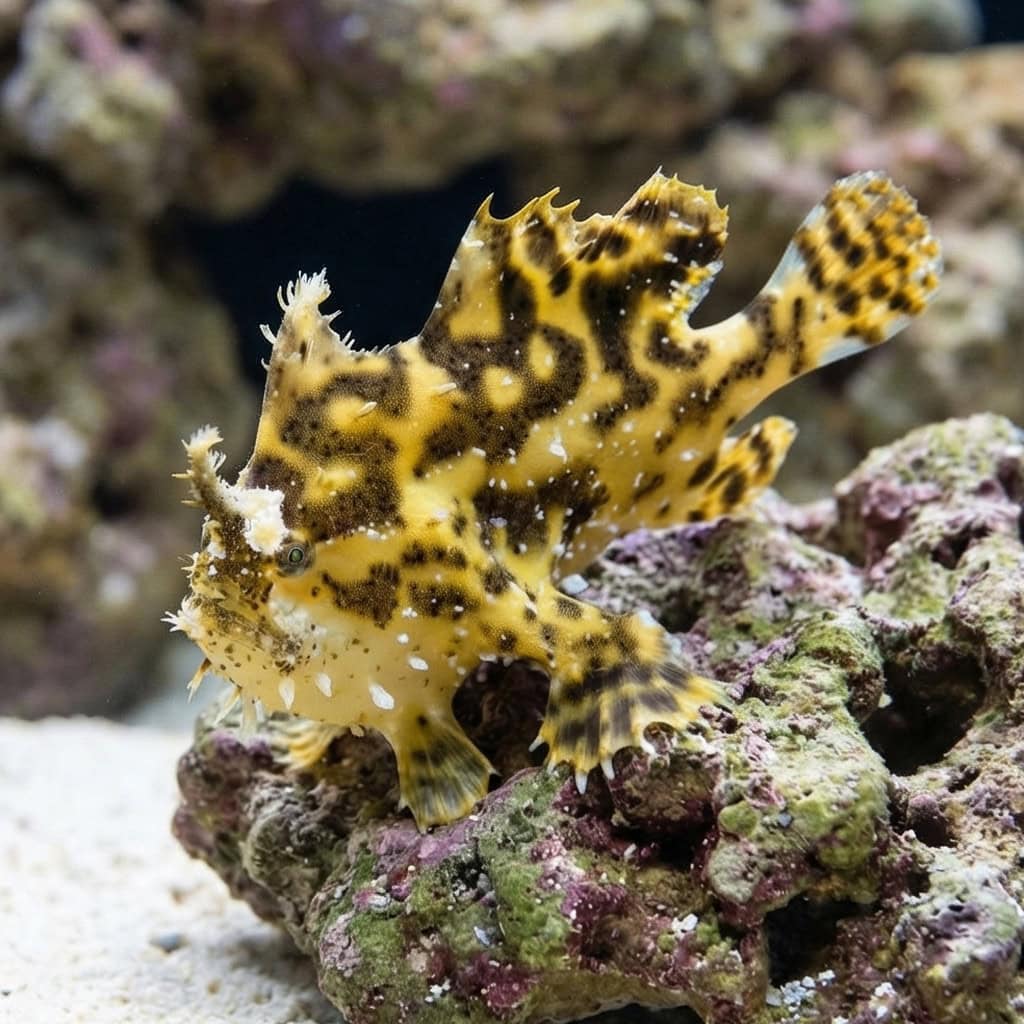
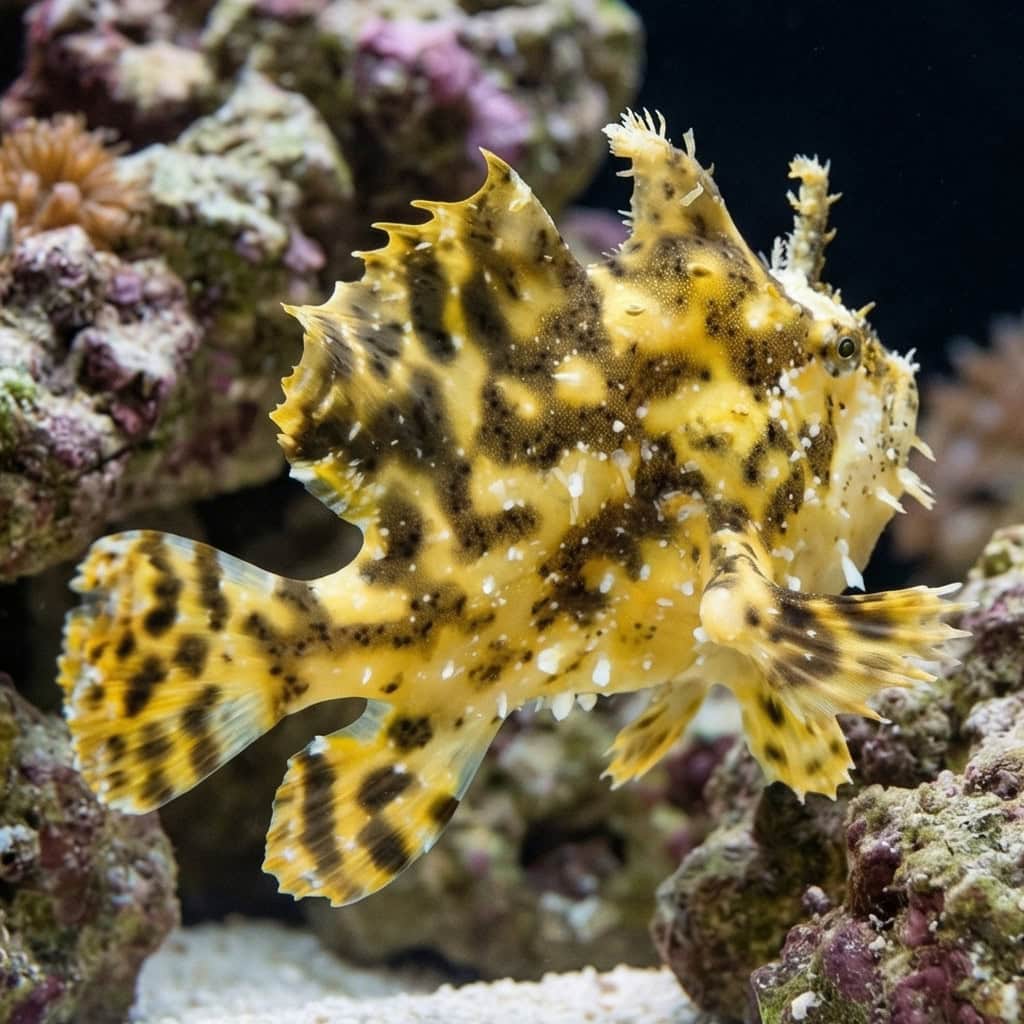
The Sargassum Angler (Histrio histrio) is a compact frogfish that camouflages among floating Sargassum and other drifting cover, using a lure to bring prey within strike range. It typically perches and “walks” with its fins, then snaps forward in a fast ambush feed.
What You’ll Observe:
- Long periods posted on a favorite perch, then short repositioning “hops” to a new spot
- A deliberate hunting routine, including occasional lure movement when food is nearby
- Noticeable “on/off” activity’more roaming when hungry, then a settled posture after a meal
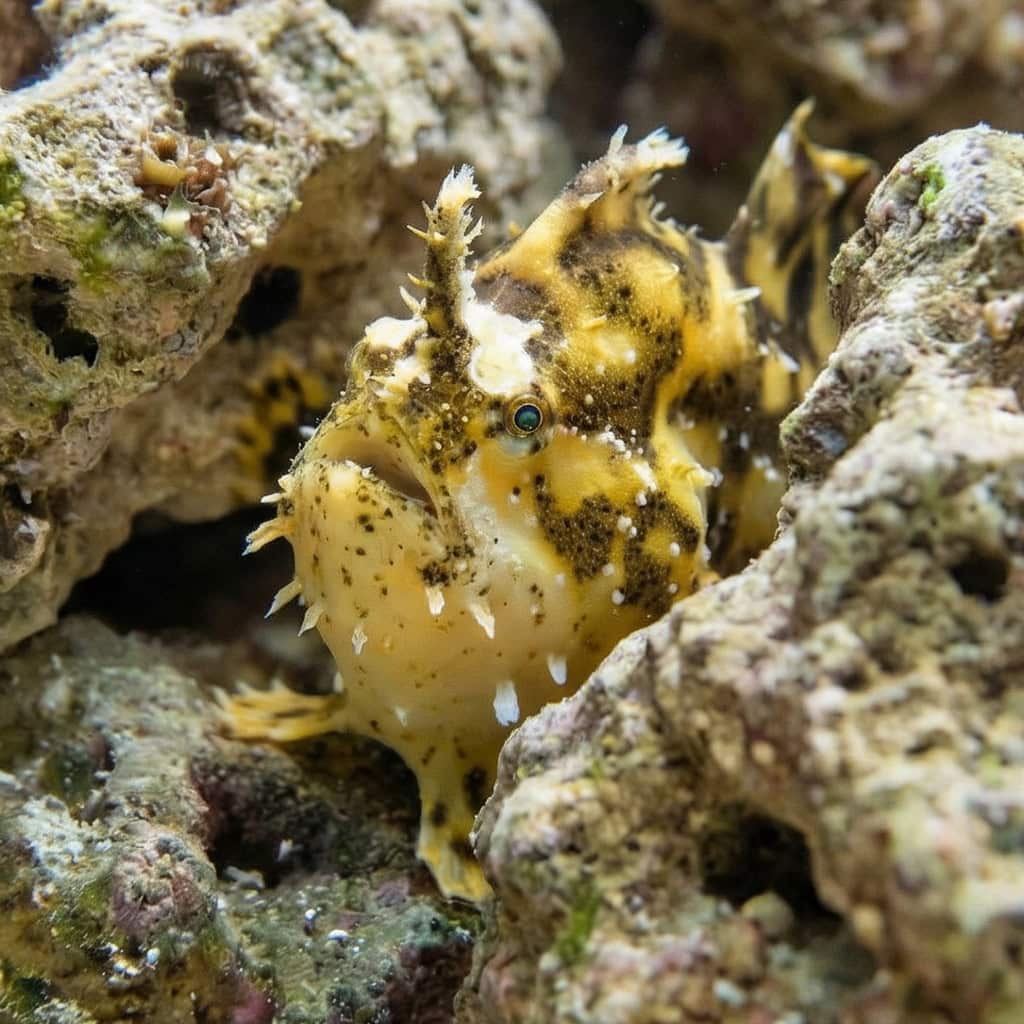
- Camouflage behavior that makes it blend into rockwork, macroalgae, or shaded corners
Provide stable perches and calmer zones (low-to-moderate flow areas) so it can sit comfortably and hunt. Offer appropriately sized meaty foods with a feeding stick or net routine so it learns a consistent feeding cue over time.
Will it take frozen food right away?
Some do, but many convert best by starting with live foods and then using a consistent net/stick routine to introduce thawed items.
How do I keep it from getting “too full”?
Use smaller meals and a steady schedule; many keepers aim for juveniles fed more often and adults spaced out more to match digestion.
Why is it active one day and barely moving the next?
Many owners notice a cycle: more roaming when it’s ready to eat, then a quieter “resting” posture after feeding.
Can I keep two together?
Some hobbyists report short-term success with similarly sized individuals, but most keep them singly or with a clear plan to separate if needed.
Is it OK in a reef with corals?
It generally ignores corals, but tends to do best when it has shaded, lower-flow areas rather than being placed in the brightest/highest-flow zones.
We source from vetted suppliers known for healthy, long-lived specimens.
Recently viewed products