
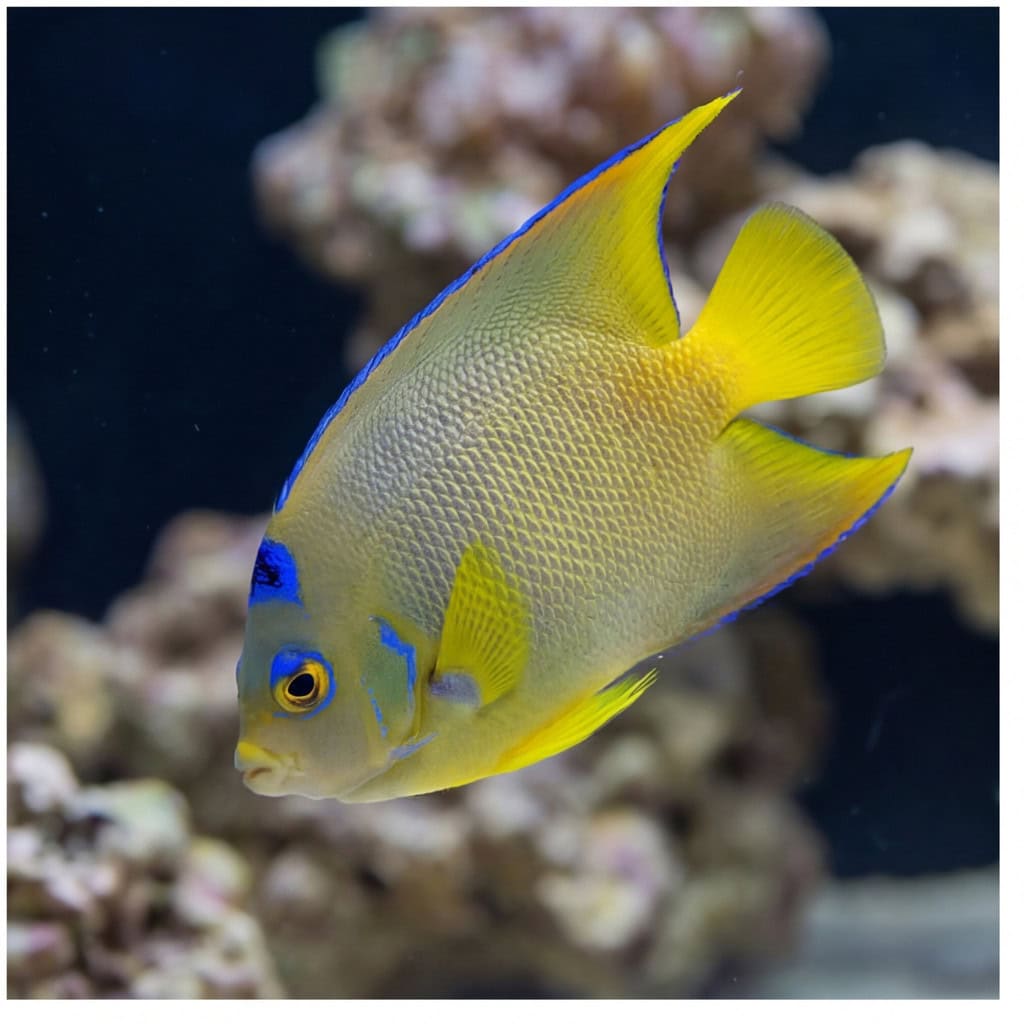
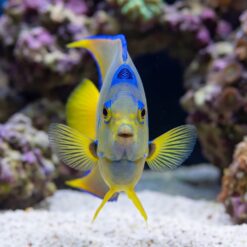
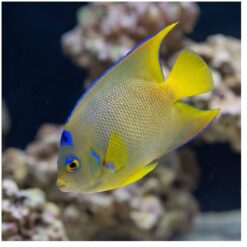
Blue Angelfish
Holacanthus isabelita
| Stock | Variations | Price | Quantity |
|---|
Every order ships with our standard 3-hour live arrival guarantee. Need more time? Add our 5-Day Guarantee at checkout.
Full guarantee terms →Ships Monday – Thursday for next-day arrival at your nearest FedEx Hold location — typically ready by 9 AM. We monitor every delivery.
Shipping details →
Monday – Friday 8 AM – 9 PM
Saturday 12 PM – 4 PM
Sunday 12 PM – 9 PM
Healthy, stable animals from vetted suppliers — inspected before packing, shipped overnight. Decades of experience built this model so we can deliver premium livestock at 30%+ less than you'd pay elsewhere.
| Care Level | Moderate |
|---|---|
| Temperament | Semi-Aggressive |
| Reef Safe | With Caution |
| Functional Benefit | Ornamental Only |
| Diet Type | Omnivore |
| Mininum Tank Size | 250 gallons |
| Max Size | 18 inches |
| Temperature | 72–78°F |
| pH Range | 8.1–8.4 |
| Specific Gravity | 1.022–1.025 |
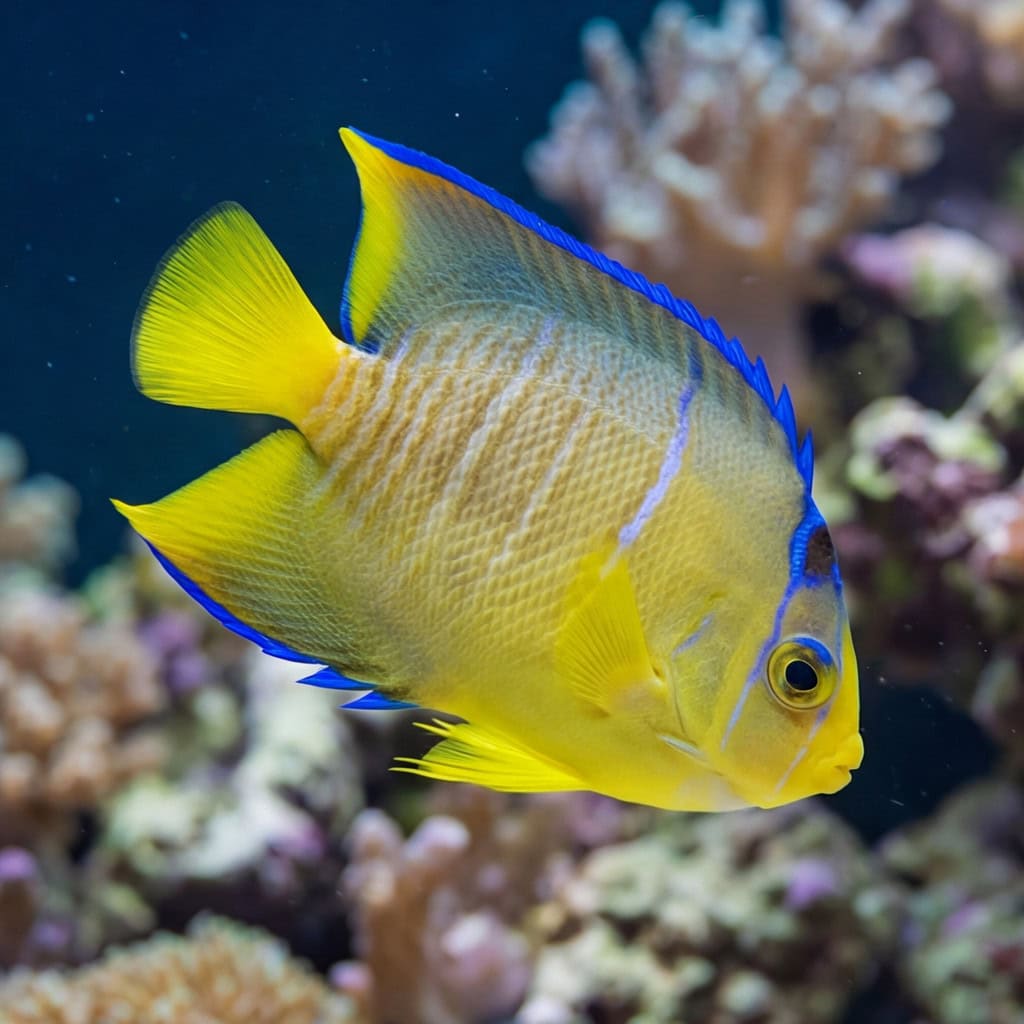
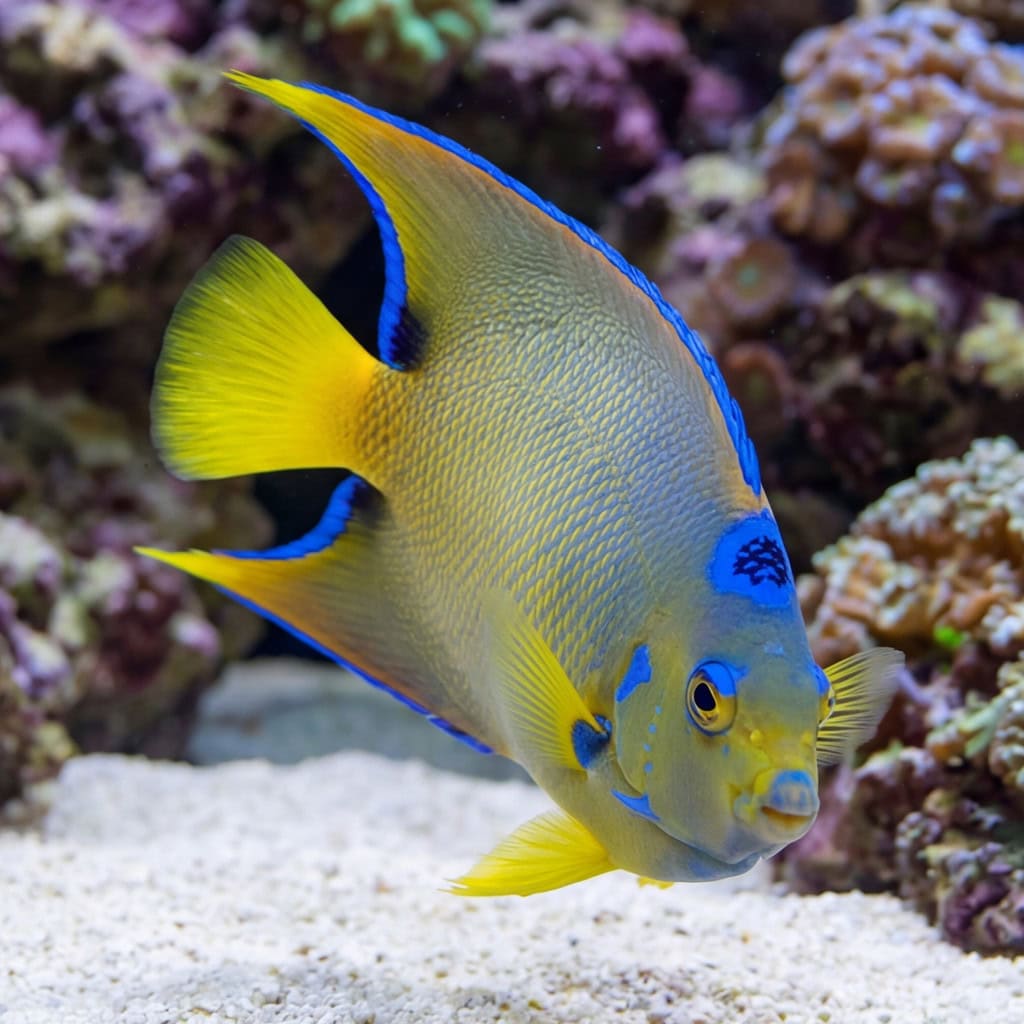
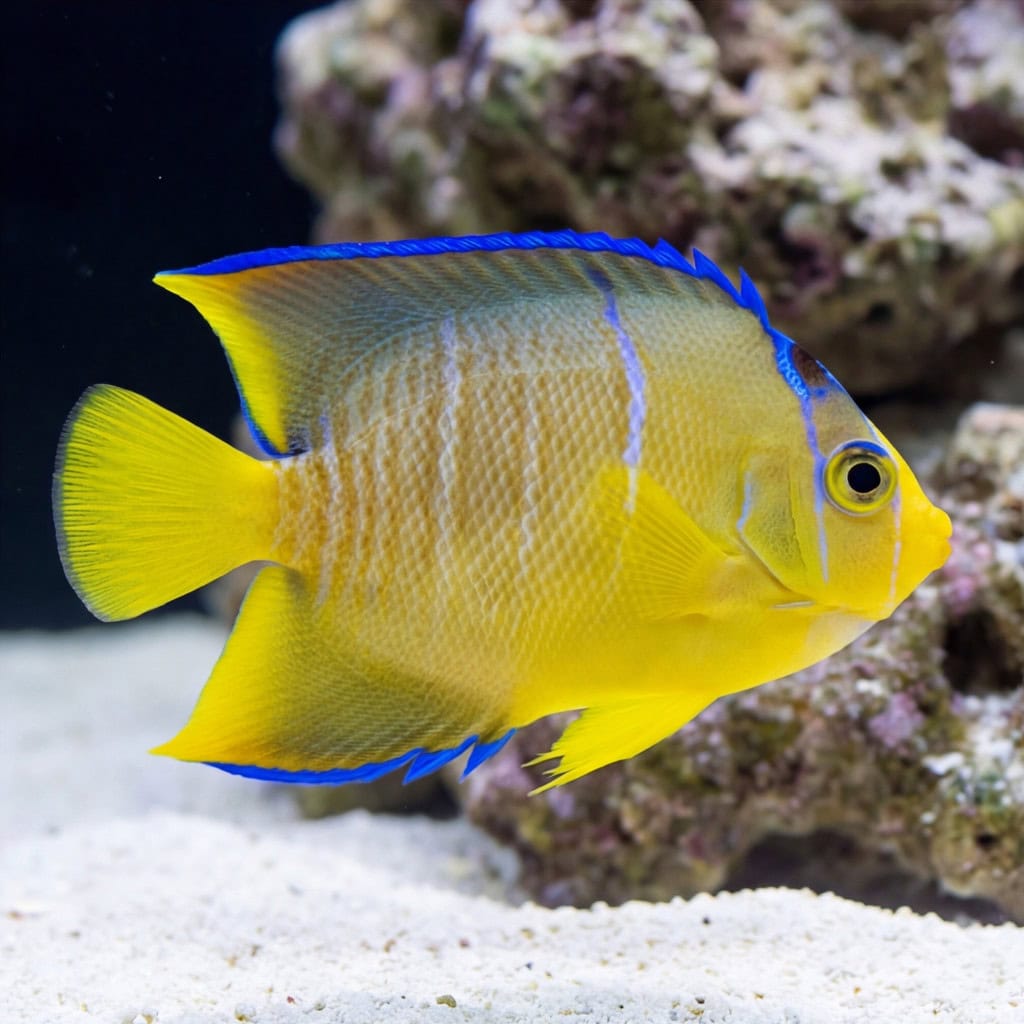
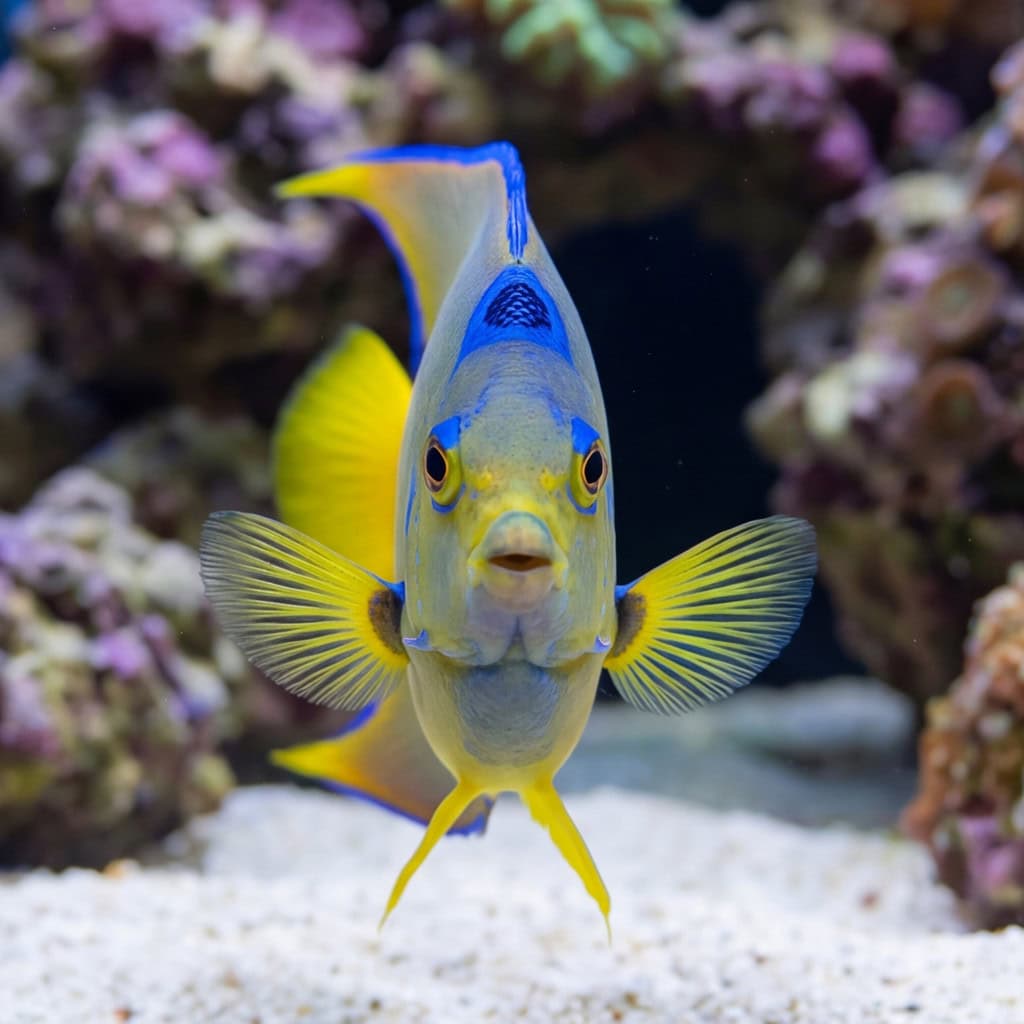
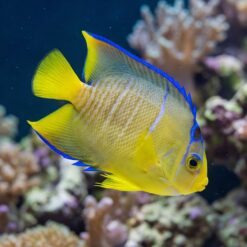
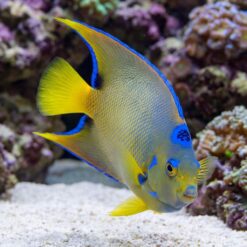
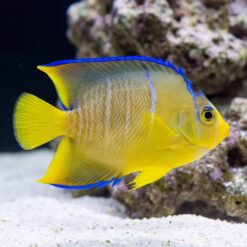
The Blue Angelfish is a large marine angelfish that develops a blue-green body tone with lighter edging along the fins and scales as it matures. Juveniles look noticeably different, showing a yellow-brown base color with pale blue striping, so its pattern changes steadily as it grows.
What You’ll Observe:
- A steady cruiser that makes wide loops through the tank, then weaves through rockwork and caves
- Regular grazing and “pecking” at live rock surfaces between meals
- A consistent daily route it repeats as it becomes familiar with your aquascape
- Gradual color and pattern shifting over time as it transitions from juvenile to adult coloration
Provide a spacious aquascape with sturdy live rock, open swim lanes, and multiple caves so your fish can choose resting and grazing areas. Offer a varied menu of angelfish preparations (including sponge-based foods), marine algae, and meaty frozen foods in a few smaller feedings for consistent intake. In community setups, it does best with other robust fish and enough space to establish its routine.
Why do some keepers notice more coral “testing bites” on small frags than on large colonies?
Small frags are easier for an angelfish to investigate while it’s grazing around the rockwork. Many hobbyists find that established, larger colonies draw less attention than new frags placed in high-traffic areas.
How do you get it eating prepared foods consistently after introduction?
A common approach is to offer a mix (sponge-based angelfish food, mysis, and algae) in smaller portions more than once per day, while letting it continue to graze naturally on live rock.
What’s a practical way to reduce early chasing from established tankmates during introduction?
Many hobbyists use an acclimation box or a “lights-low” introduction so the angelfish can learn the rockwork and find shelter before needing to compete for space.
Is the juvenile-to-adult color change fast, or does it happen in stages?
Most hobbyists observe it as a gradual shift over time, with a “mixed” look during the transition rather than a sudden overnight change.
Can two Blue Angelfish be kept together long term?
In most home aquariums they’re typically kept singly; when hobbyists attempt multiples, success is more commonly discussed in very large systems with careful introduction timing.
Shipped with pure oxygen and temperature control so it arrives stress-free and ready to eat.
Recently viewed products