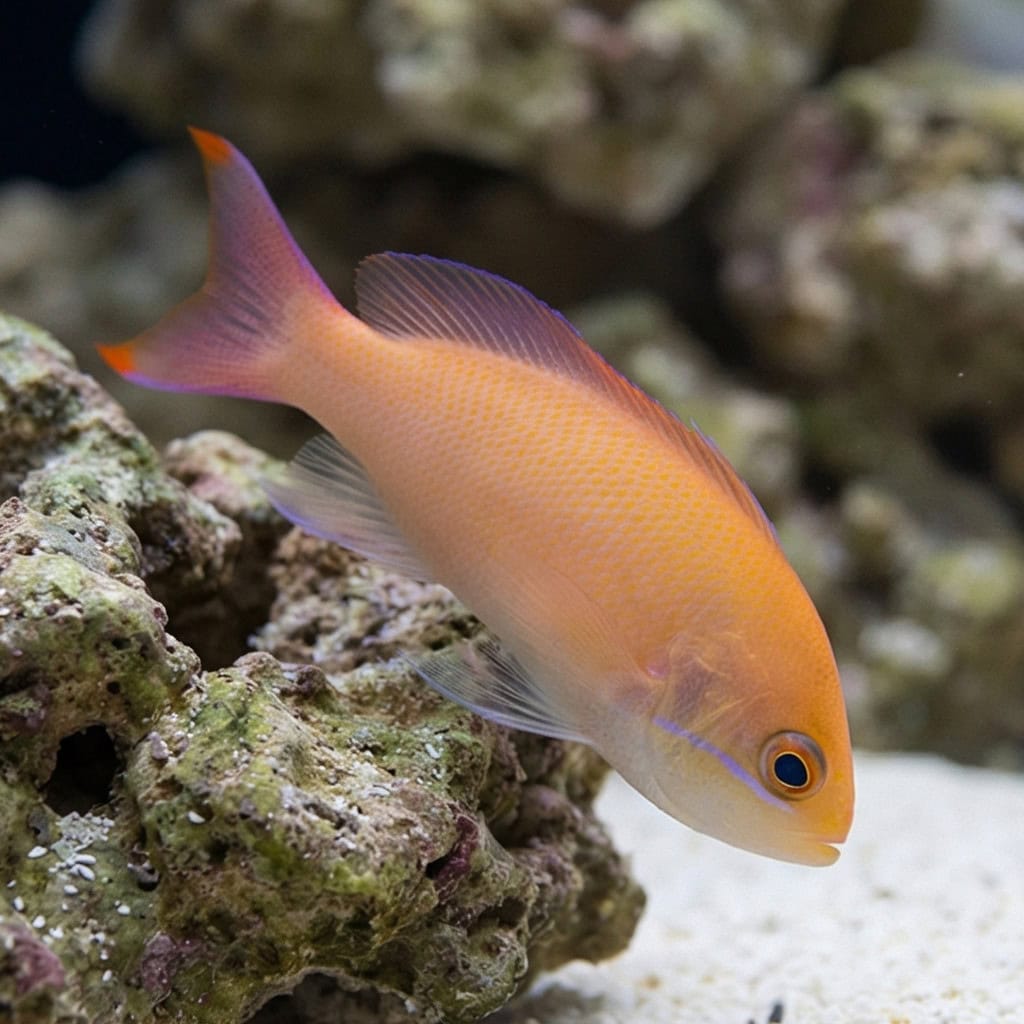
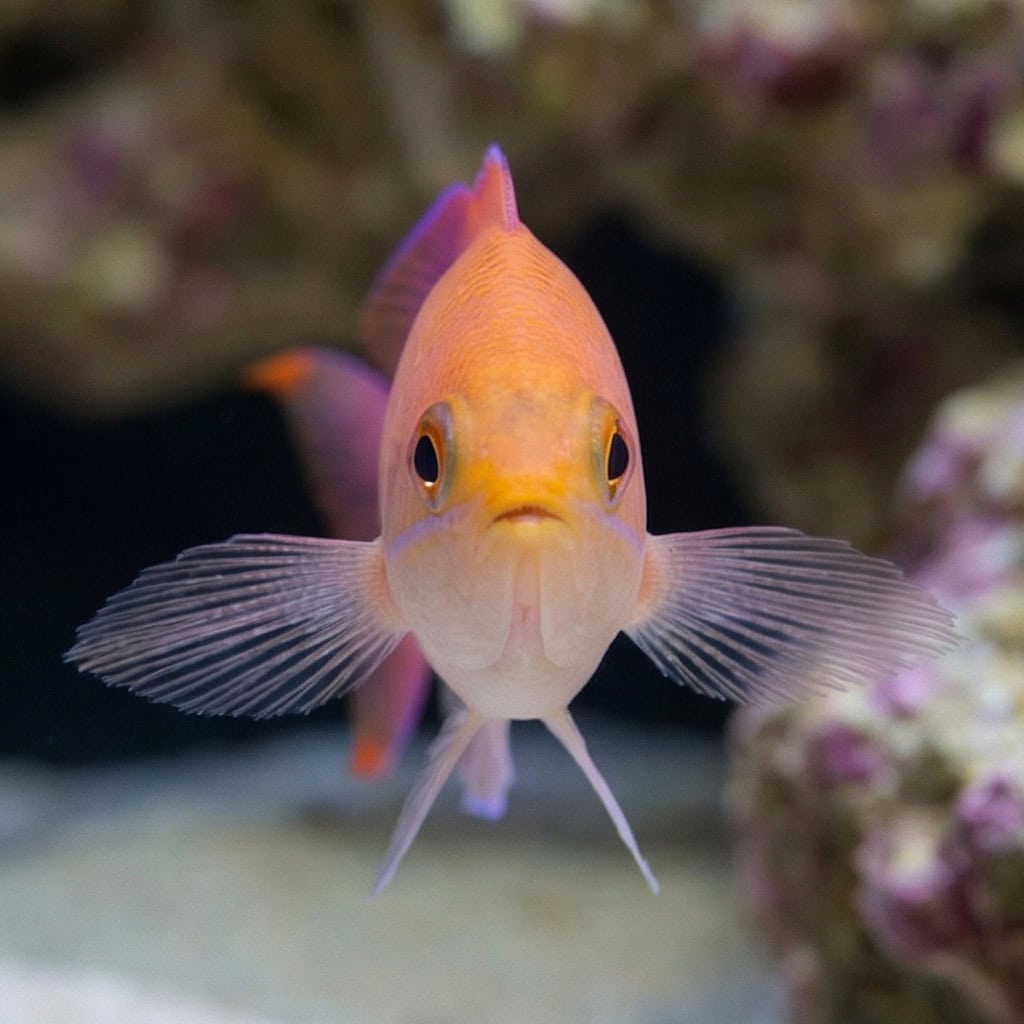
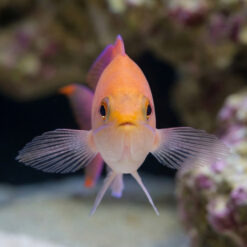
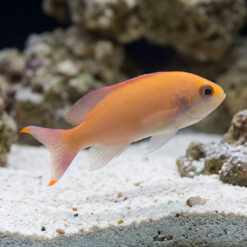
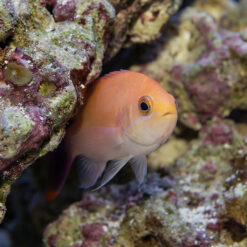
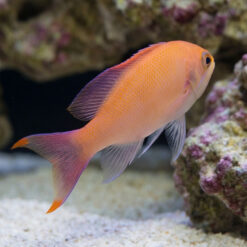
Red Belted Anthias
Pseudanthias rubrizonatus
| Stock | Variations | Price | Quantity |
|---|
Every order ships with our standard 3-hour live arrival guarantee. Need more time? Add our 5-Day Guarantee at checkout.
Full guarantee terms →Ships Monday – Thursday for next-day arrival at your nearest FedEx Hold location — typically ready by 9 AM. We monitor every delivery.
Shipping details →
Monday – Friday 8 AM – 9 PM
Saturday 12 PM – 4 PM
Sunday 12 PM – 9 PM
Healthy, stable animals from vetted suppliers — inspected before packing, shipped overnight. Decades of experience built this model so we can deliver premium livestock at 30%+ less than you'd pay elsewhere.
| Care Level | Moderate |
|---|---|
| Temperament | Semi-Aggressive |
| Reef Safe | Yes |
| Functional Benefit | Ornamental Only |
| Diet Type | Planktivore |
| Mininum Tank Size | 70 gallons |
| Max Size | 5 inches |
| Temperature | 72–78°F |
| pH Range | 8.1–8.4 |
| Specific Gravity | 1.022–1.025 |
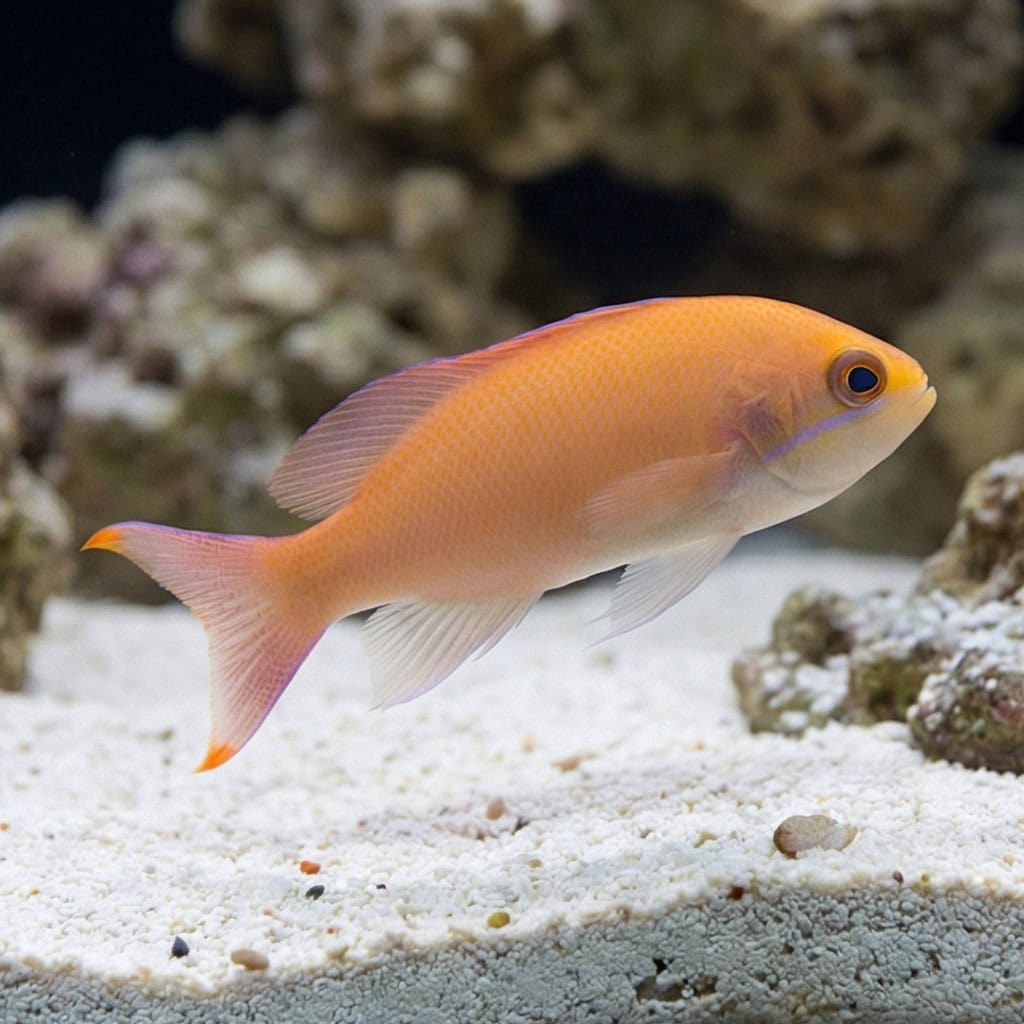
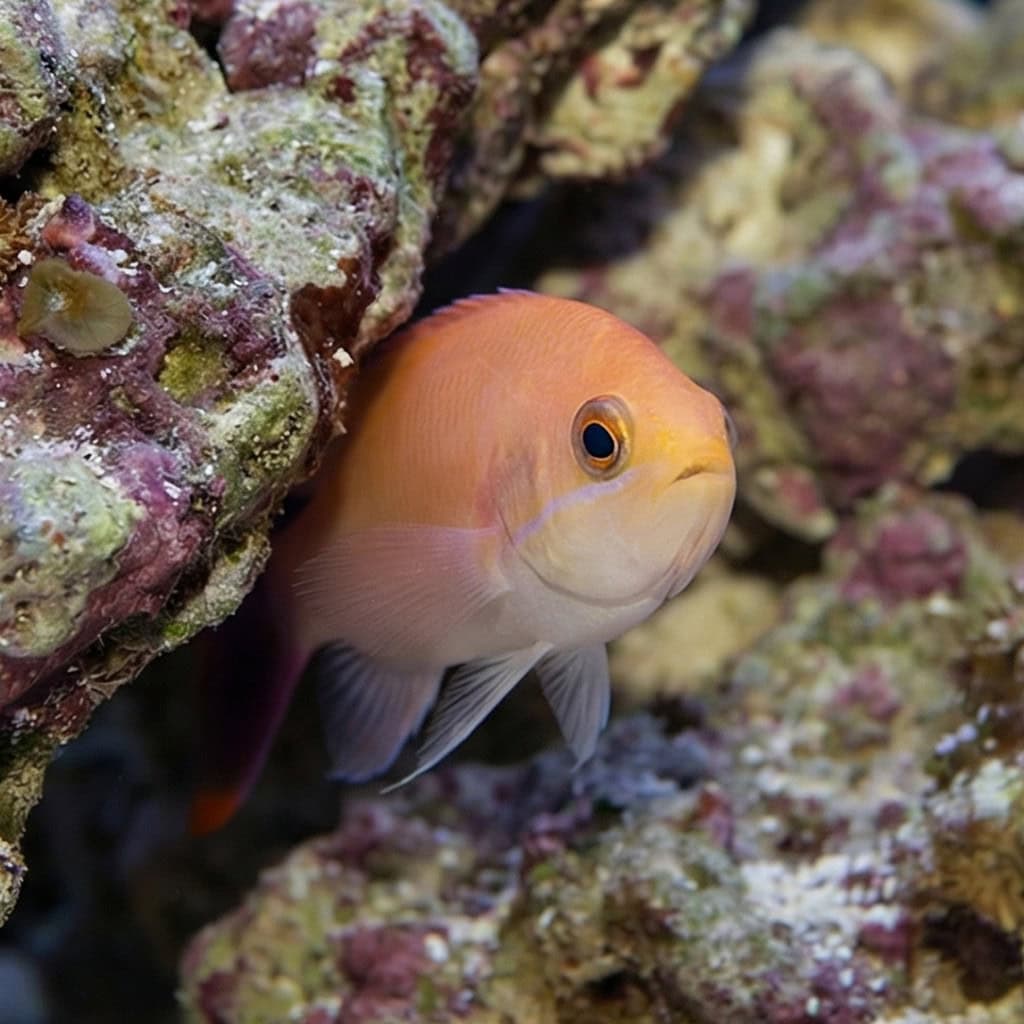
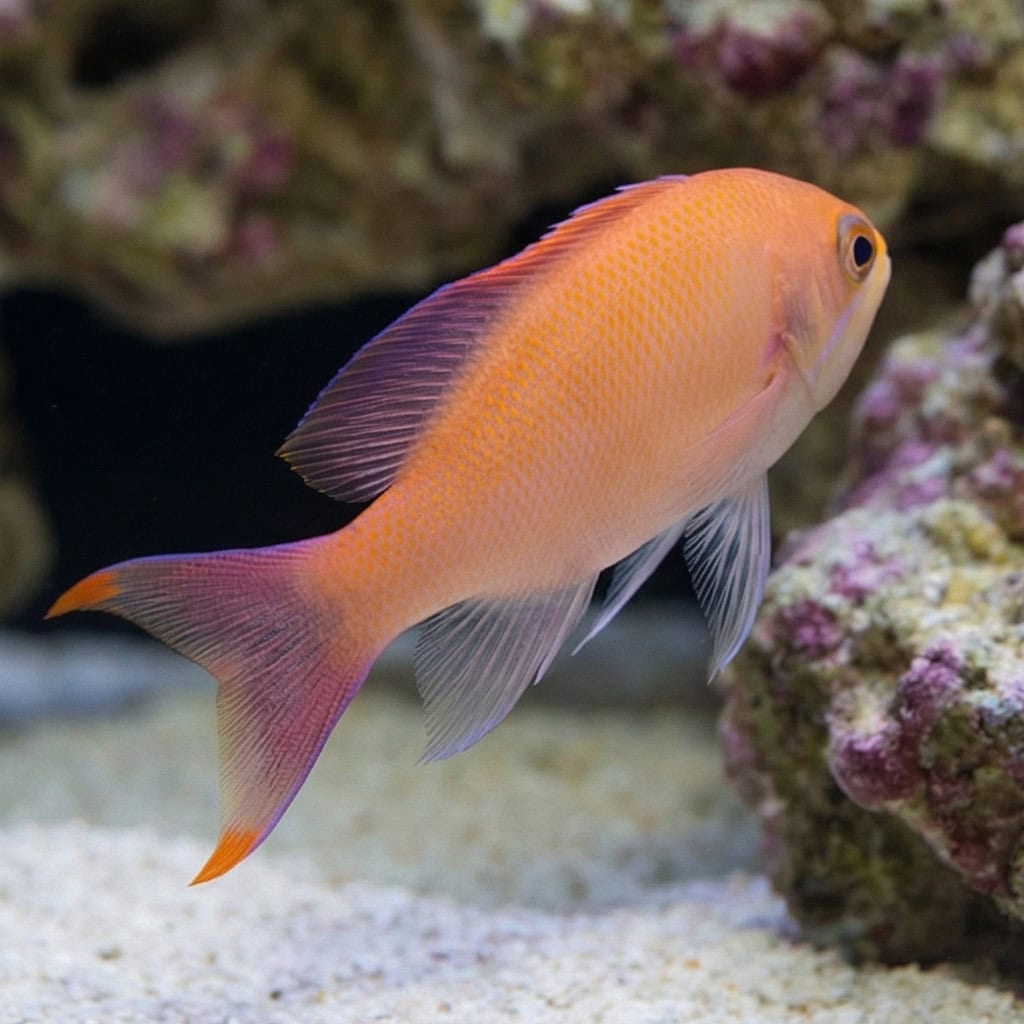
The Red Belted Anthias (Pseudanthias rubrizonatus) is a reef-associated planktivore from the Indo-Pacific. Adult males commonly show a pink-to-yellow body separated by a wide red band, with lilac accents along the face and fin edges.
What You’ll Observe:
- Midwater hovering with quick loops back to rockwork between bites
- A fast, “up into the flow” feeding response when food hits the water
- A clear pecking order, with one fish frequently taking the lead position
Provide open swimming space plus several overhangs and caves so it can move between cover and the water column. Offer small meaty plankton foods, then gradually mix in micro’pellets so a feeder can help add small daytime meals.
Do they change sex over time?
Yes’like many anthias, the dominant female can transition into a male.
Is it normal to hide at first?
Many settle in by using shaded ledges and appear most at feeding time.
How do I get it onto pellets?
Start with frozen, then mix pellets in small amounts consistently.
Do they prefer bright or shaded areas?
They often show best routine behavior with shaded zones under reef lighting.
Can I keep more than one male?
In most home tanks, one male per group is the simplest long-term setup.
Each fish is checked for strong appetite and activity before we approve it for your tank.
Recently viewed products