
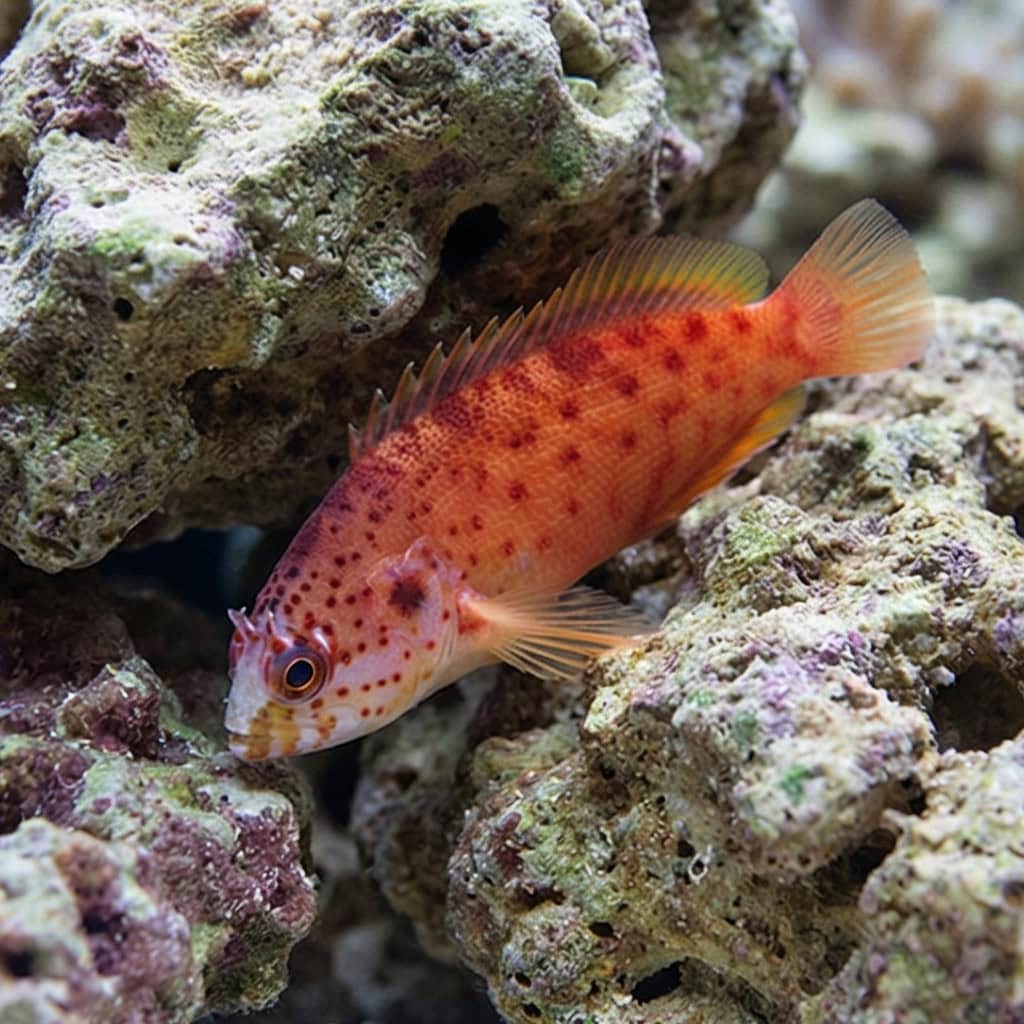
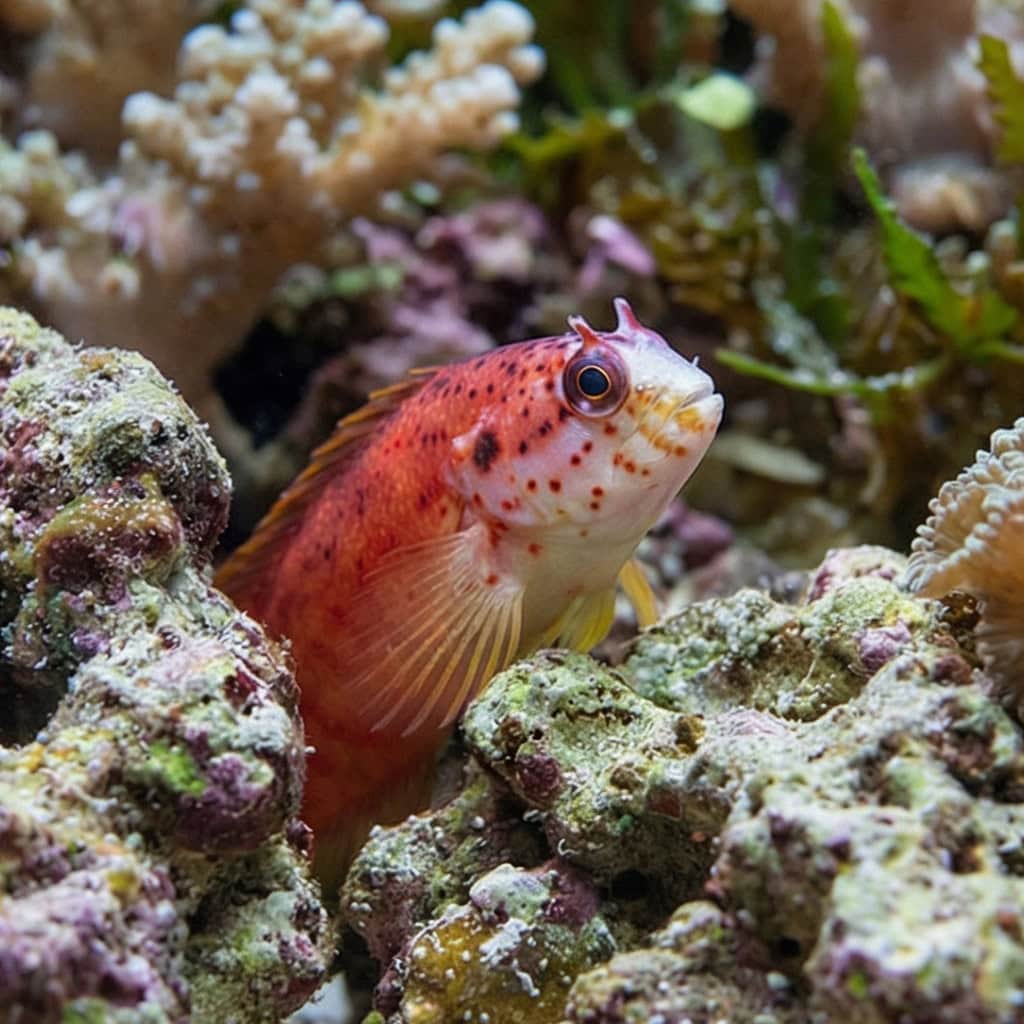
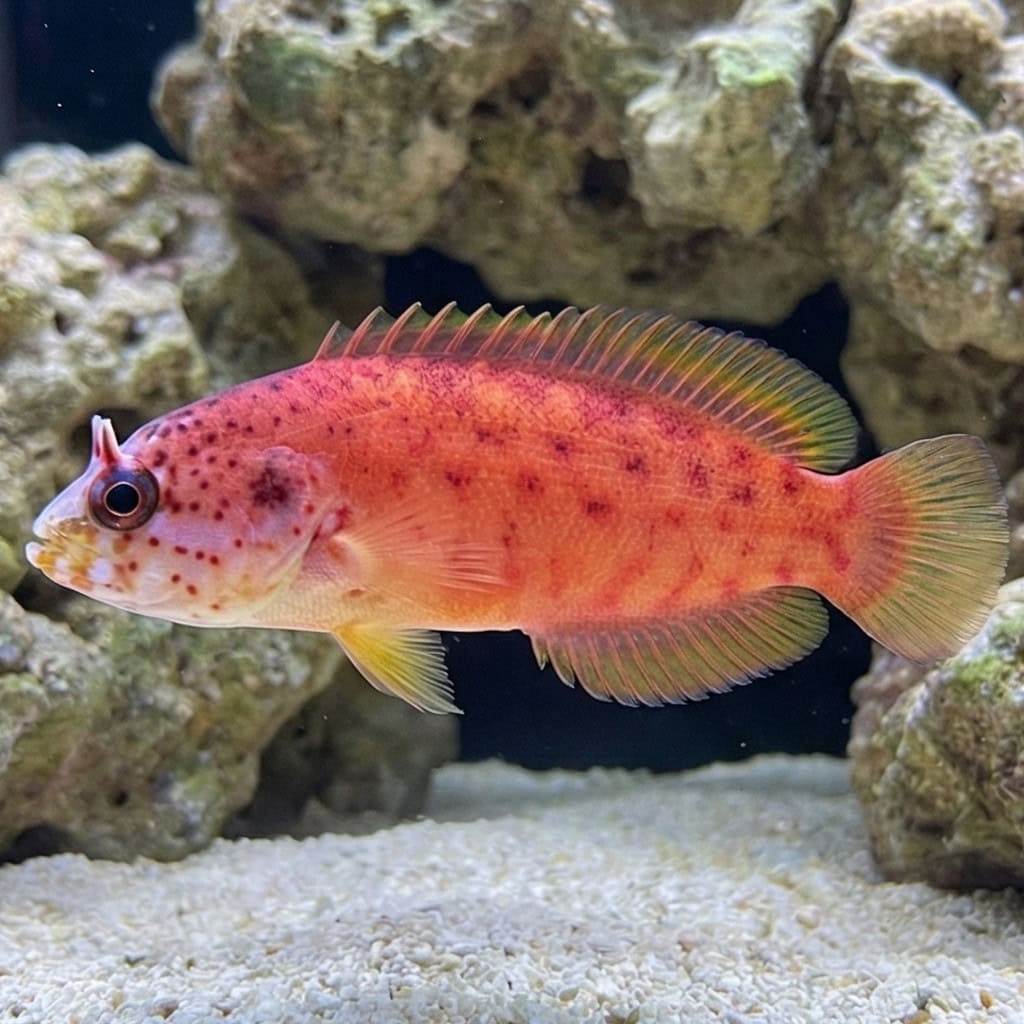
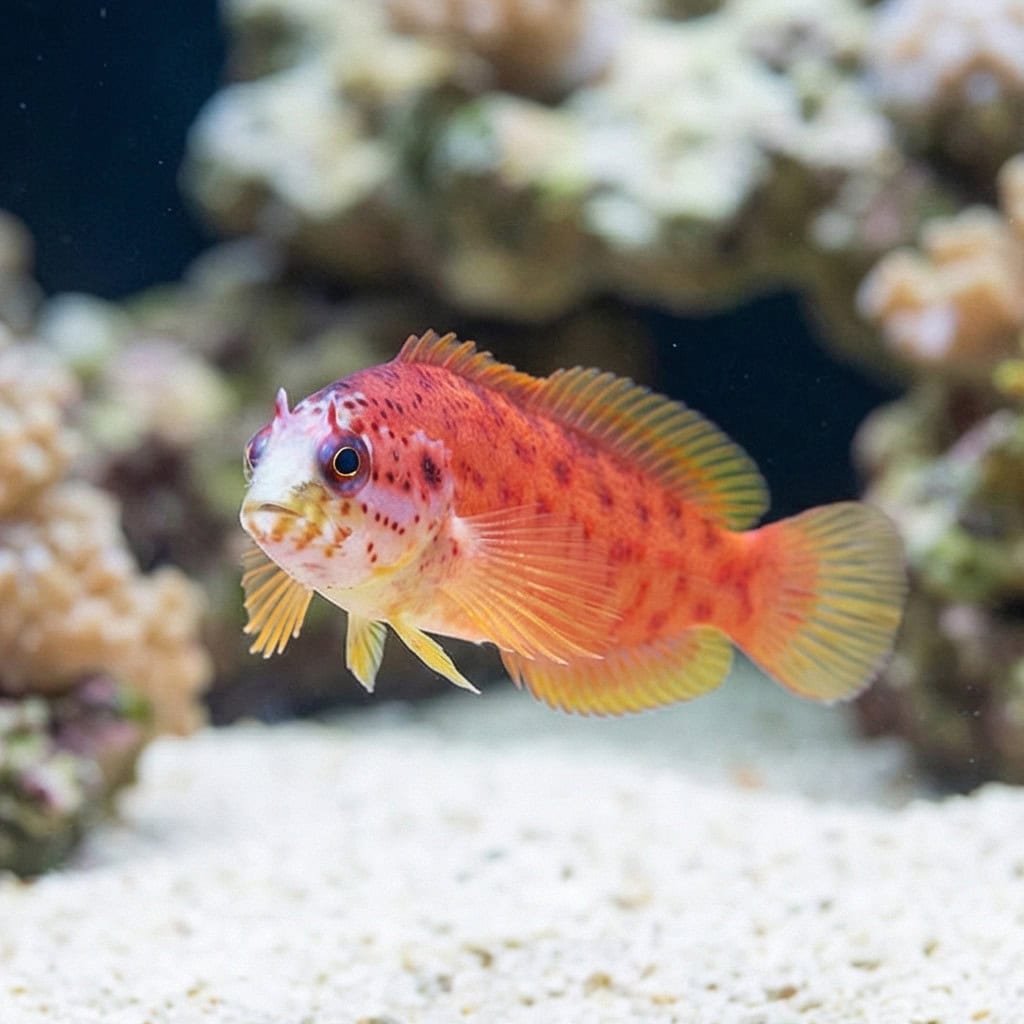
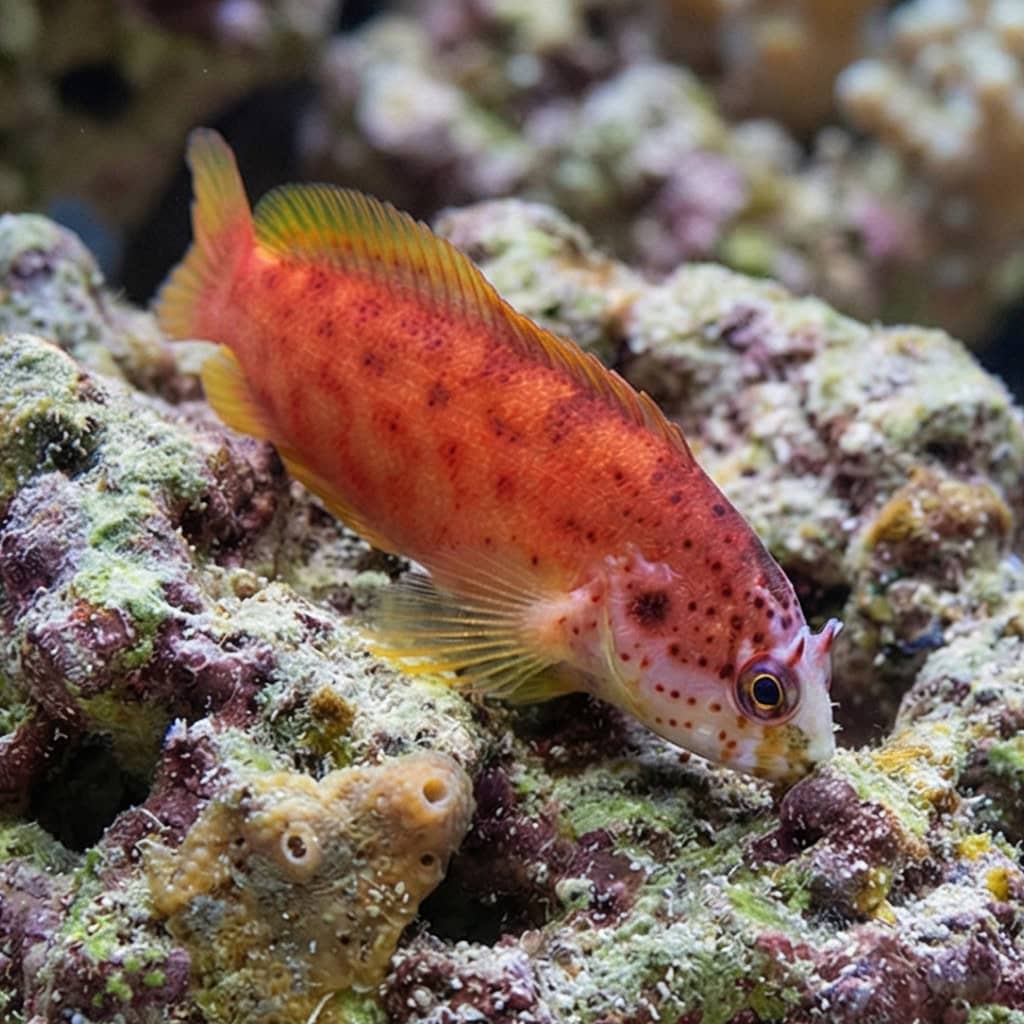
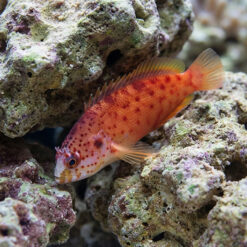
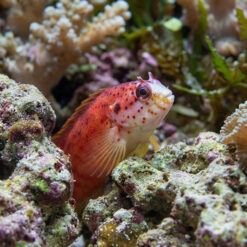
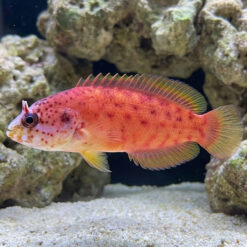
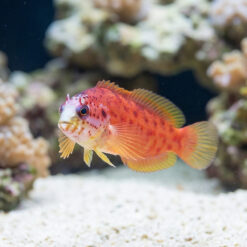
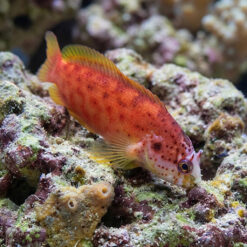
Lava Pseudogramma
Pseudogramma xantha
| Stock | Variations | Price | Quantity |
|---|
Every order ships with our standard 3-hour live arrival guarantee. Need more time? Add our 5-Day Guarantee at checkout.
Full guarantee terms →Ships Monday – Thursday for next-day arrival at your nearest FedEx Hold location — typically ready by 9 AM. We monitor every delivery.
Shipping details →
Monday – Friday 8 AM – 9 PM
Saturday 12 PM – 4 PM
Sunday 12 PM – 9 PM
Healthy, stable animals from vetted suppliers — inspected before packing, shipped overnight. Decades of experience built this model so we can deliver premium livestock at 30%+ less than you'd pay elsewhere.
| Care Level | Moderate |
|---|---|
| Temperament | Peaceful |
| Reef Safe | Yes |
| Functional Benefit | Ornamental Only |
| Diet Type | Carnivore |
| Mininum Tank Size | 20 gallons |
| Max Size | 2 inches |
| Temperature | 72–78°F |
| pH Range | 8.1–8.4 |
| Specific Gravity | 1.022–1.025 |
The Lava Pseudogramma (Pseudogramma xantha) is a small, rock-dwelling basslet often listed under names like red podge, yellow podge, or lava basslet. It’s a compact reef fish that spends most of its time close to tight crevices and shaded ledges, giving your aquascape a “hidden life” feel.
What You’ll Observe:
- Holding position near a favorite crack or small cave, then making short, quick darts into the open
- Most activity when the tank is calm, especially around the end of the light cycle
- Showing its face first, then easing farther out as it settles in
- Taking small meaty foods from the water column when they drift past its rockwork
Provide a reef with plenty of small caves and overhangs so it can claim a secure spot. Offer small meaty foods like mysis, copepods, and live brine as needed, and try feeding in lower light so it can eat comfortably. With consistent feeding and a stable routine, it becomes a reliable, low-profile resident in peaceful community reefs.
Is it normal for a Lava Pseudogramma to stay hidden for days at a time?
Yes’many keepers report long stretches where it’s only briefly visible, especially early on. A consistent feeding routine usually helps you learn its “schedule.”
When is the best time to try feeding it so you can confirm it’s eating?
Many hobbyists have the most success feeding near dusk (or right as lights ramp down). Food drifting near its rockwork often gets a quicker response than feeding in the open.
Do they usually take frozen foods right away, or should I plan on live foods?
Some keepers start with live brine to trigger a strong feeding response, then transition to frozen mysis and other small meaty options once the fish is settled.
How can I tell where it’s living in the rockwork without stressing it?
Look for a consistent “home base” where it repeatedly peeks out from the same crack or ledge. Sitting quietly at a distance around the same time each day works better than chasing it with a net or flashlight.
Will it bother corals or rearrange the tank like some bottom-perching fish?
Most discussion focuses on it being rock-associated rather than a digger, and it typically keeps to its chosen crevice/ledge instead of moving sand or disturbing frags.
Each fish is checked for strong appetite and activity before we approve it for your tank.
Recently viewed products