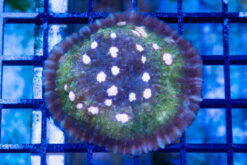
 Chalice Ultra Color 2.25 inches
 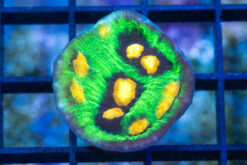 Chalice Mycedium 1.5 inches
 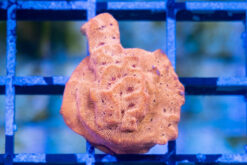 Leptoseris, BBQ Chip 1.5 inches
 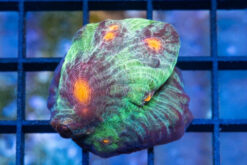 Chalice Mycedium 1.5 inches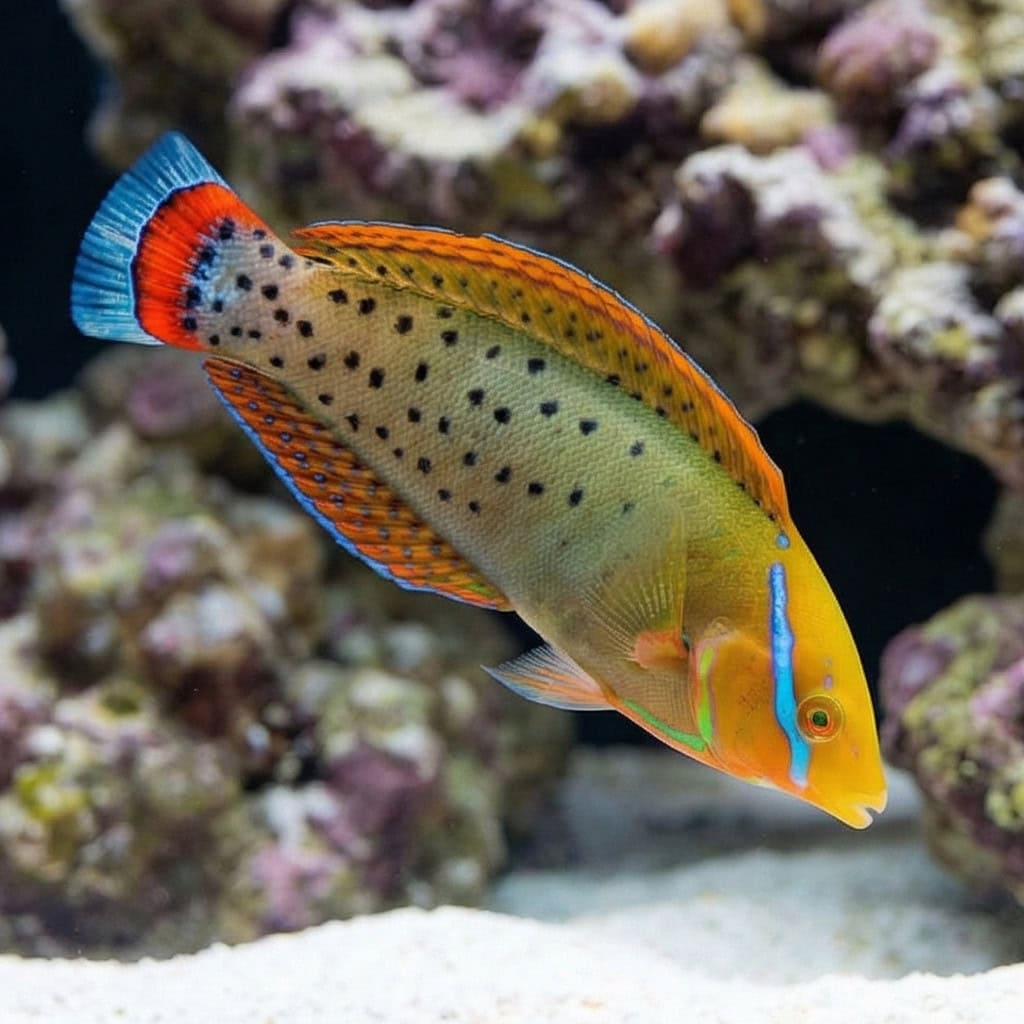


Formosa Wrasse
Coris formosa
| Stock | Variations | Price | Quantity | |
|---|---|---|---|---|
| Out of Stock | 3.75 - 4.5" - Adult - Indian Ocean | Original price was: $256.99.$134.99Current price is: $134.99. | Email me | |
| Out of Stock | 2 - 3" - Juvenile - Indian Ocean | Original price was: $122.99.$64.99Current price is: $64.99. | Email me |
Every order ships with our standard 3-hour live arrival guarantee. Need more time? Add our 5-Day Guarantee at checkout.
Full guarantee terms →Ships Monday – Thursday for next-day arrival at your nearest FedEx Hold location — typically ready by 9 AM. We monitor every delivery.
Shipping details →
Monday – Friday 8 AM – 9 PM
Saturday 12 PM – 4 PM
Sunday 12 PM – 9 PM
Healthy, stable animals from vetted suppliers — inspected before packing, shipped overnight. Decades of experience built this model so we can deliver premium livestock at 30%+ less than you'd pay elsewhere.
| Care Level | Expert |
|---|---|
| Temperament | Aggressive |
| Reef Safe | No |
| Functional Benefit | Ornamental Only |
| Diet Type | Carnivore |
| Mininum Tank Size | 250 gallons |
| Max Size | 24 inches |
| Temperature | 72–78°F |
| pH Range | 8.1–8.4 |
| Specific Gravity | 1.022–1.025 |
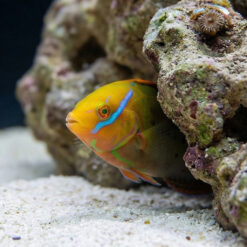
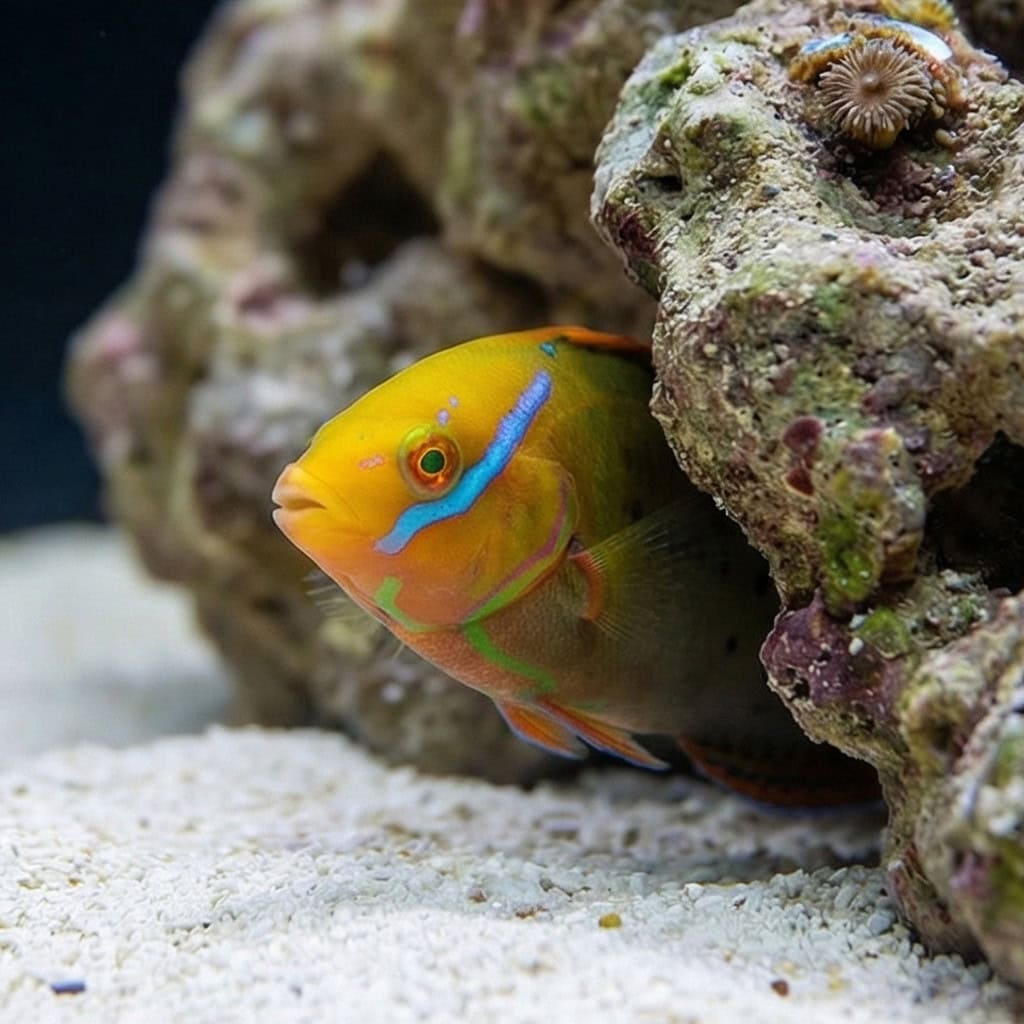
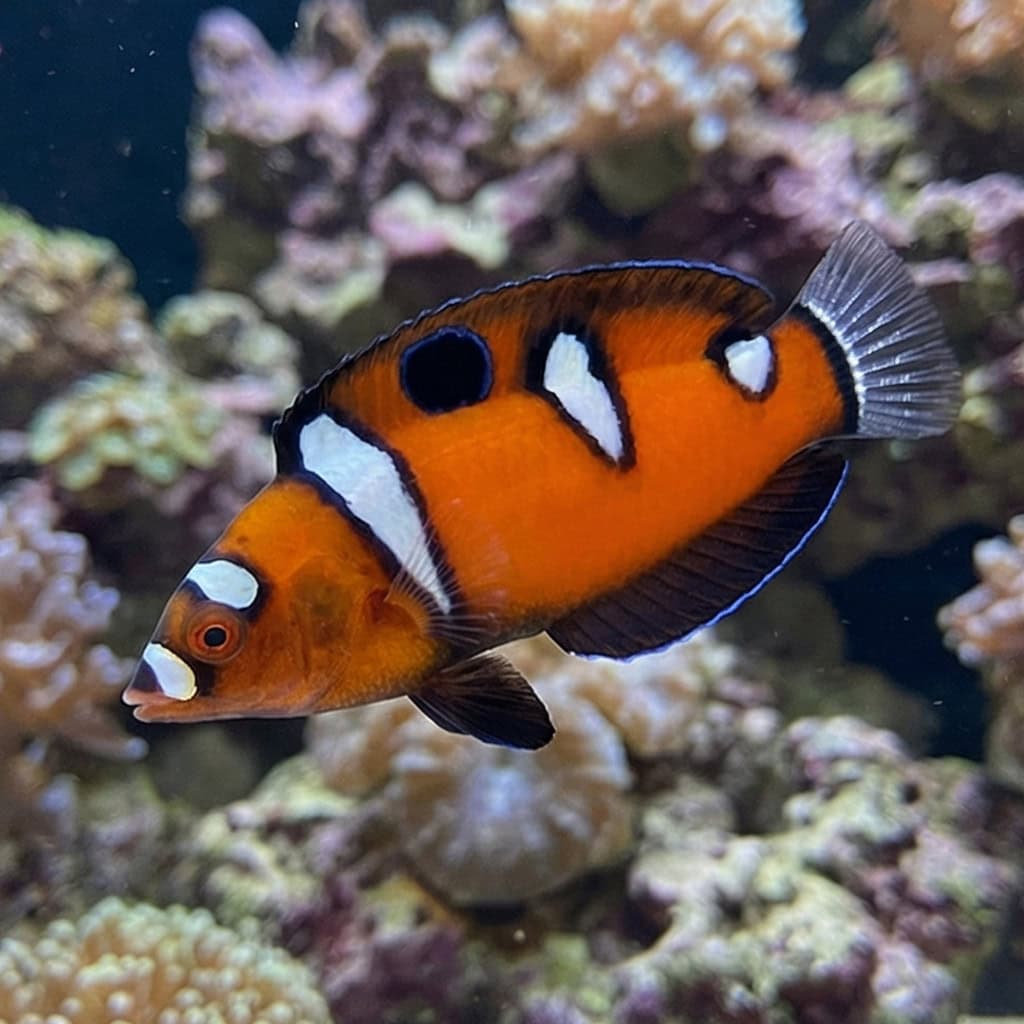
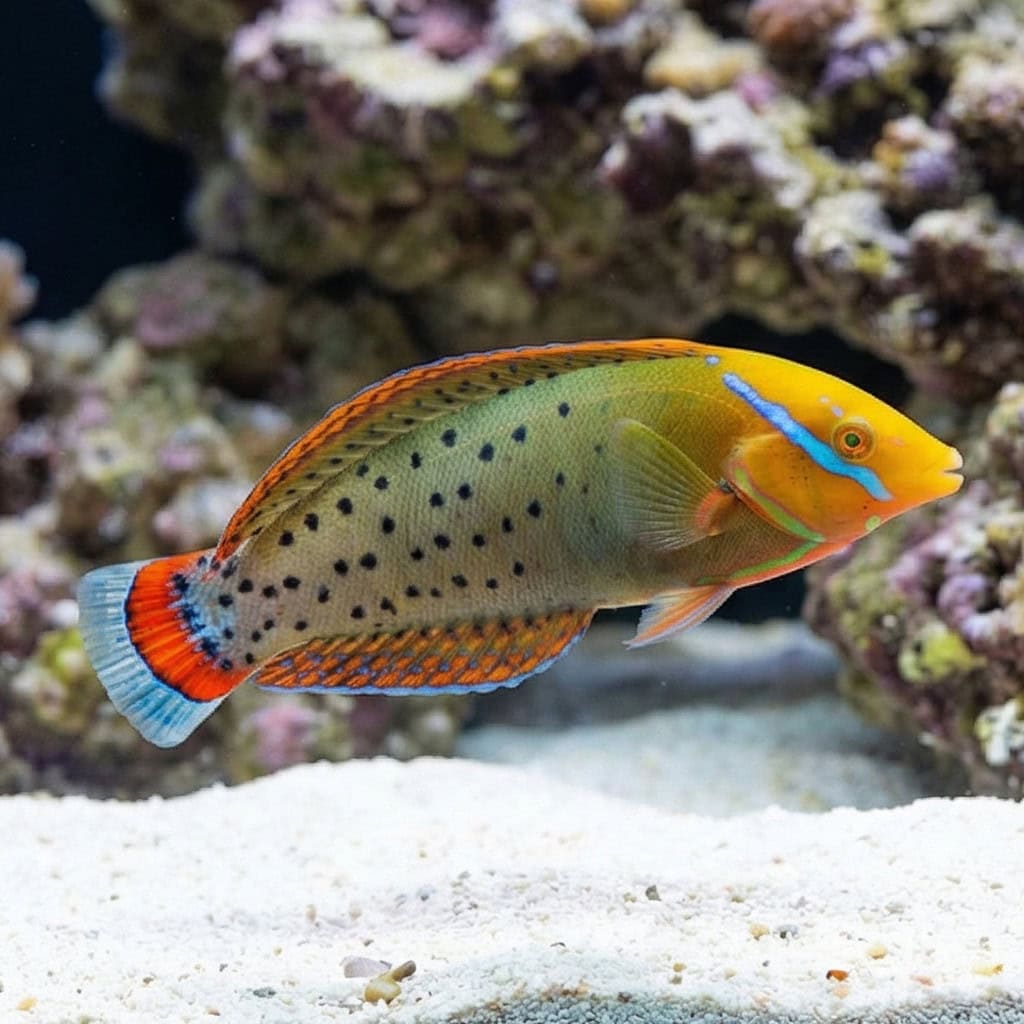
The Formosa Wrasse (Coris formosa), also called the Queen Coris or Indian sand wrasse, is known for a strong color shift as it matures—juveniles show an orange body with bold white-and-black markings, while adults develop greener and bluer tones with contrasting head detail. It’s an active, large-growing wrasse from the Western Indian Ocean region that is best suited to very large marine aquariums.
What You’ll Observe:
- Steady daytime cruising with quick bursts toward the sand and rockwork while it searches for food
- Regular “digging” and sand-turning behavior as it hunts through the substrate
- A predictable routine of burying into the sand at night and reappearing with the lights schedule
- Noticeable pattern and color changes over time as the fish grows
Provide a tank with open swimming room, a deep sand bed for burying, and rockwork that’s set securely so it stays stable during active digging. Offer a varied mix of meaty frozen foods plus quality pellets, and keep feeding consistent so it stays engaged at mealtime. With the right space and structure, it settles into a bold, always-in-motion display fish.
Is it normal for a Formosa Wrasse to “disappear” into the sand after introduction?
Yes—many wrasses head straight to the sand when first added and may stay buried or out of sight on and off while they learn the tank’s rhythm.
Does it always bury completely, or can it sleep partially exposed?
Both happen; keepers often report anything from full burial to partial coverage depending on sand texture, lighting cycle, and how settled the fish feels.
When will the juvenile pattern start changing into adult coloration?
Most owners notice the change gradually with growth rather than all at once; the shift can be uneven for a while, with mixed markings during the transition.
Why do people say this fish “rearranges” the aquarium?
It’s a hands-on forager that pushes into sand and around the base of rocks, so it can shift lighter pieces simply through normal hunting and burying behavior.
What’s the most common mix-up with the name “coris wrasse”?
A frequent hobby discussion is that many smaller wrasses get sold with “coris” in the common name even though true Coris species (like C. formosa) are much larger and have very different long-term behavior.
We work with trusted suppliers who keep our specimens healthy and well-fed before shipping.
Recently viewed products