
-
×
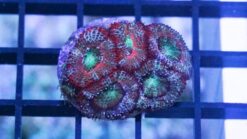 Acan Lord : Tri-Color - Australia, Size Small
1 × $64.99
Acan Lord : Tri-Color - Australia, Size Small
1 × $64.99
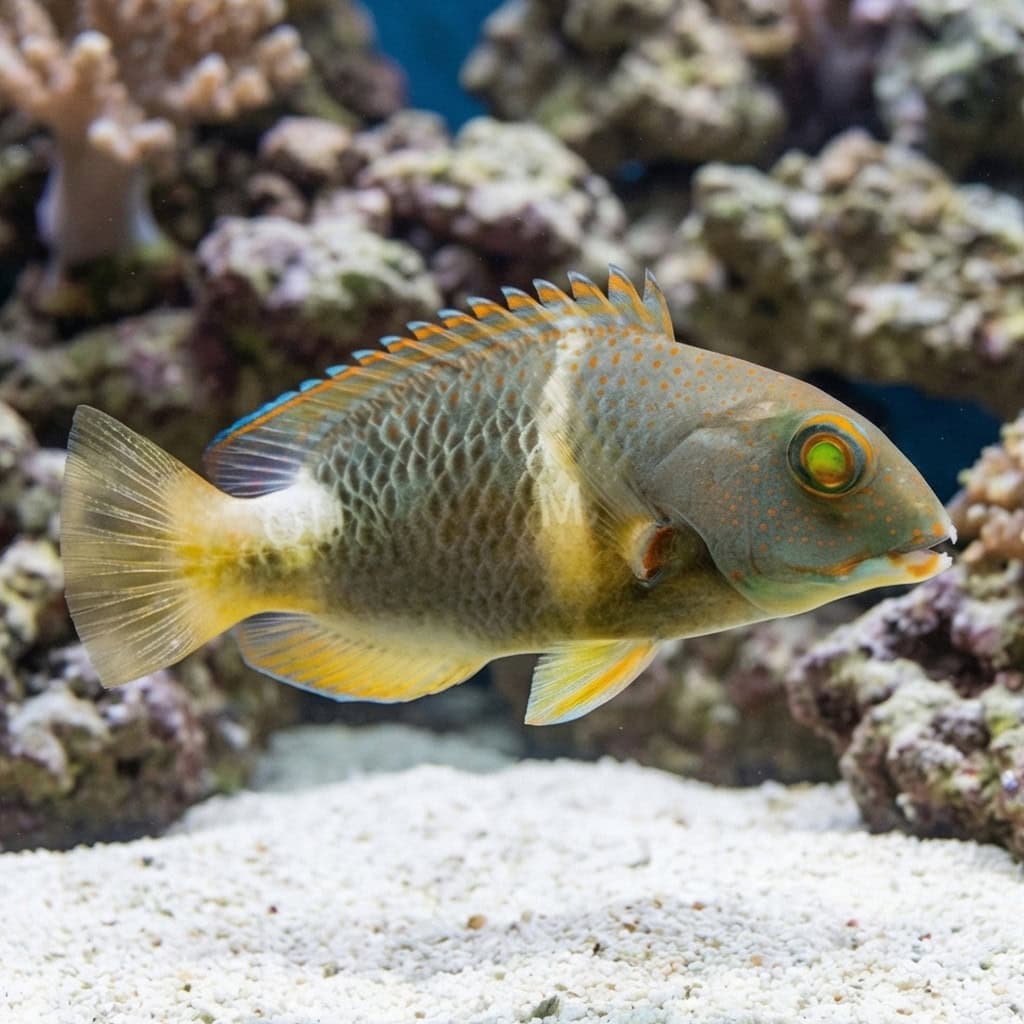
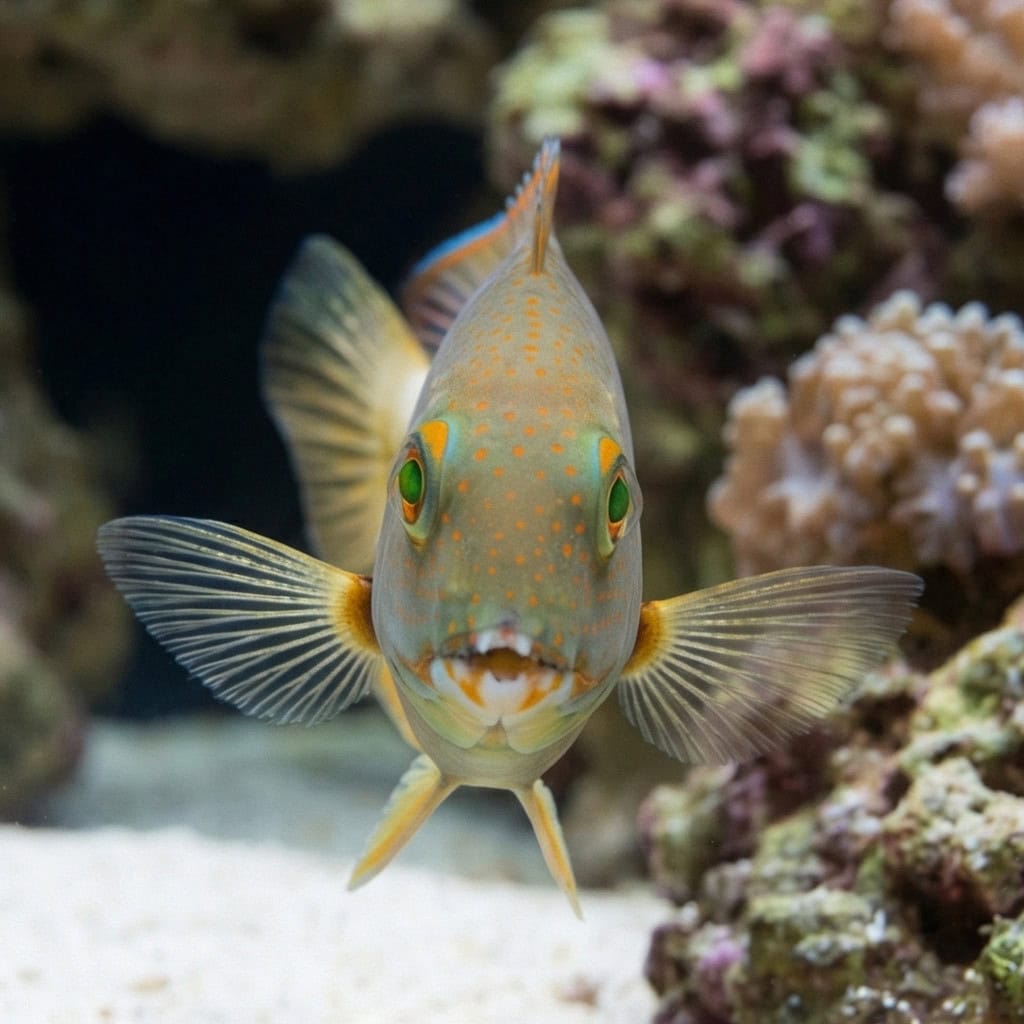
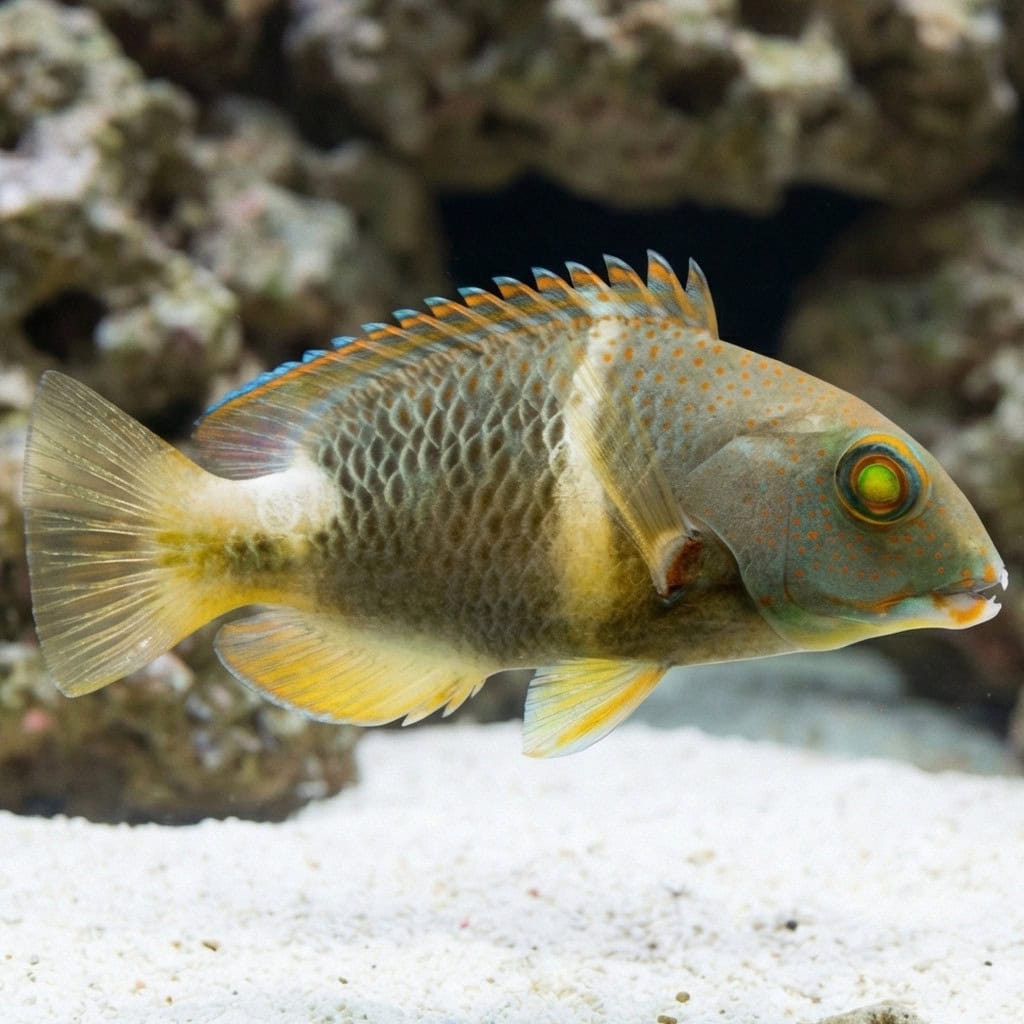
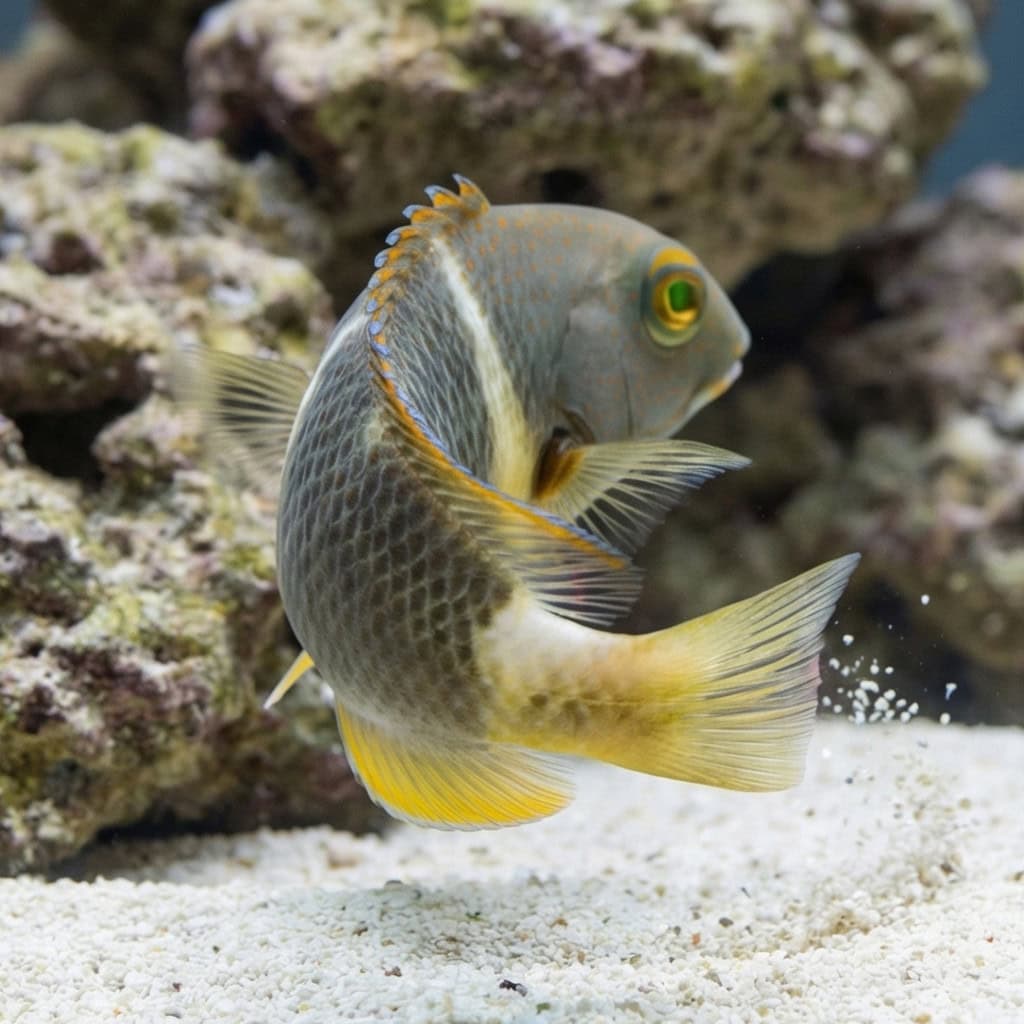
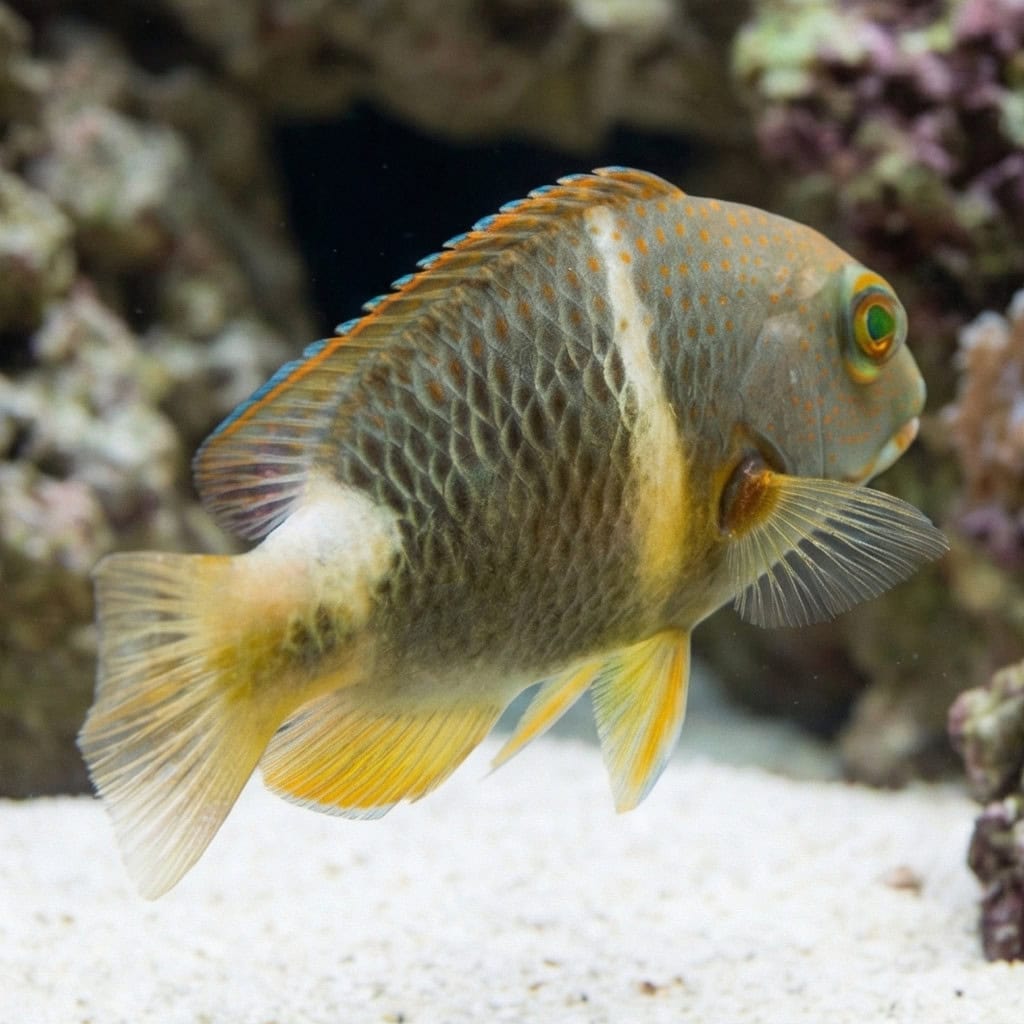

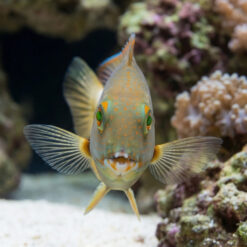


Orange Spotted Tuskfish
Choerodon anchorago
| Stock | Variations | Price | Quantity |
|---|
Arrives Alive. Guaranteed.
▼
Every order ships with our standard 3-hour live arrival guarantee. Need more time? Add our 5-Day Guarantee at checkout.
Full guarantee terms →
FedEx Overnight. Every Order.
▼
Ships Monday – Thursday for next-day arrival at your nearest FedEx Hold location — typically ready by 9 AM. We monitor every delivery.
Shipping details →
Real People. 7 Days a Week.
▼
Monday – Friday 8 AM – 9 PM
Saturday 12 PM – 4 PM
Sunday 12 PM – 9 PM
Phone
Chat
Email
Text
Contact us →
Aquarium-Ready Livestock
▼
Healthy, stable animals from vetted suppliers — inspected before packing, shipped overnight. Decades of experience built this model so we can deliver premium livestock at 30%+ less than you'd pay elsewhere.
| Care Level | Moderate |
|---|---|
| Temperament | Semi-Aggressive |
| Reef Safe | With Caution |
| Functional Benefit | Ornamental Only |
| Diet Type | Carnivore |
| Mininum Tank Size | 180 gallons |
| Max Size | 10 inches |
| Temperature | 72–78°F |
| pH Range | 8.1–8.4 |
| Specific Gravity | 1.022–1.025 |
The Orange Spotted Tuskfish (Choerodon anchorago), also called the orange-dotted tuskfish or “Anchor Tusk,” is a heavy-bodied wrasse from Indo-Pacific reef zones. It’s known for orange spotting, warm-toned fins, and prominent “tusk” teeth used for crunching hard-shelled foods.
What You’ll Observe:
- Cruises the rockwork and open water, regularly “checking” crevices for food
- Eats with a strong, direct strike and will readily take larger meaty pieces once settled
- Establishes a favorite sleeping spot and follows a consistent day/night routine
- Often becomes interactive at feeding time and learns your schedule quickly
For best results, provide a mature aquarium with sturdy rockwork, open lanes for turning, and a tight-fitting lid. Offer a varied meaty menu (chopped shrimp, clam, krill, and quality frozen blends) and feed consistently so it stays bold at mealtimes. Keep tankmates similarly sized and confident so the tuskfish can settle in and display natural, active behavior.
Can this tuskfish be kept with another tuskfish long-term?
Most keepers treat tuskfish as “one per tank” fish; attempts at keeping two commonly depend on very large space and careful introductions.
Does it use the sand bed, or is it strictly a rockwork fish?
Many tuskfish spend the day cruising rock and sand edges, then retire to a preferred spot at night (often within/near rock structure).
What foods get a new tuskfish eating confidently?
A mix of familiar frozen meaty items (like mysis and shrimp-based blends) plus occasional clam or other “chunkier” seafood is a common path to strong feeding response.
Will it take food from tongs or even from your hand?
Many hobbyists report tuskfish quickly learn tongs and target-feed routines; use calm, consistent motions so it associates tools with feeding time.
Why did my cleanup crew start disappearing even though the fish looks well-fed?
Tuskfish naturally hunt crunchy, mobile invertebrates (crabs/shrimp-type foods), so it may “sample” certain inverts as part of normal foraging behavior.
Each fish is checked for strong appetite and activity before we approve it for your tank.
Recently viewed products
Out of stock
Orange Spotted Tuskfish (Choerodon anchorago)
Starting at: $82.99
This product has multiple variants. The options may be chosen on the product page