 Chalice - Grade A, Size Small
  Encrusting Montipora: Jedi Mind Trick Green w/ Orange Polyps , Size Frag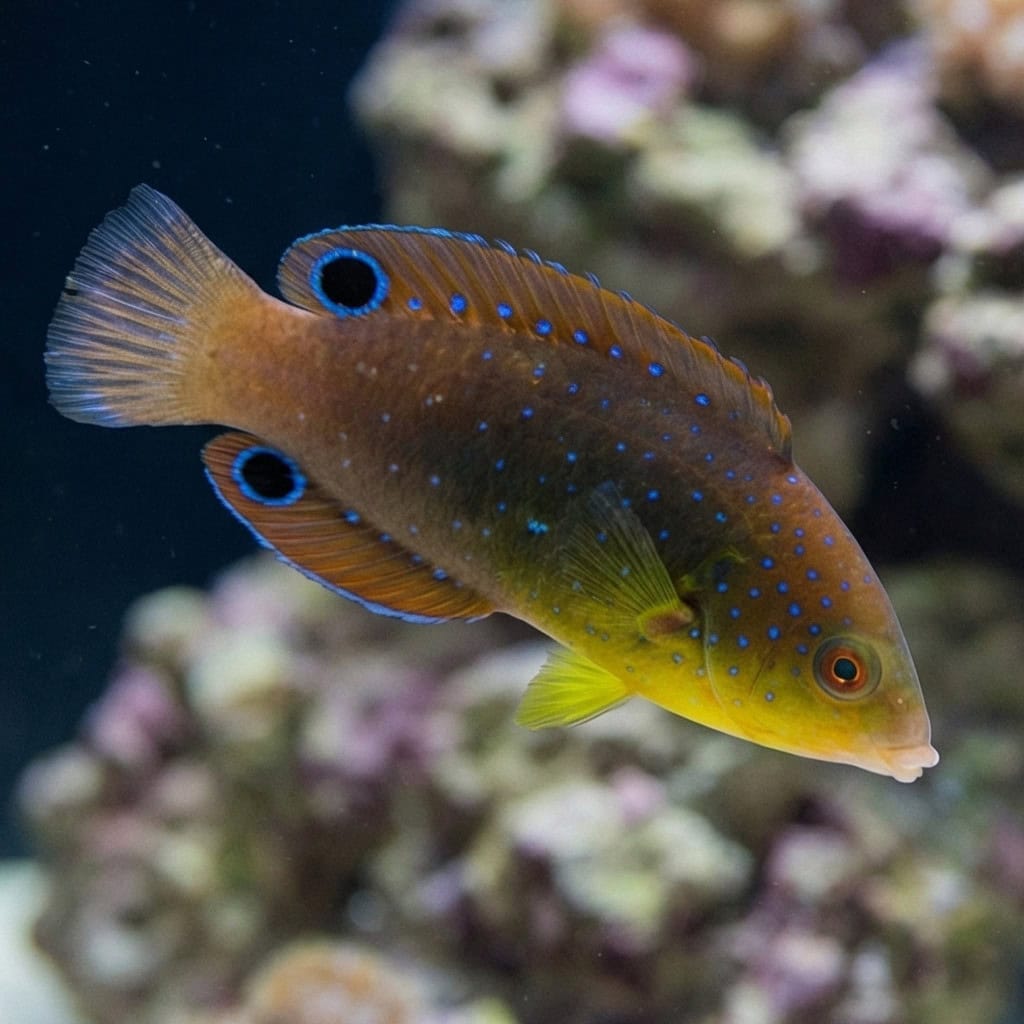
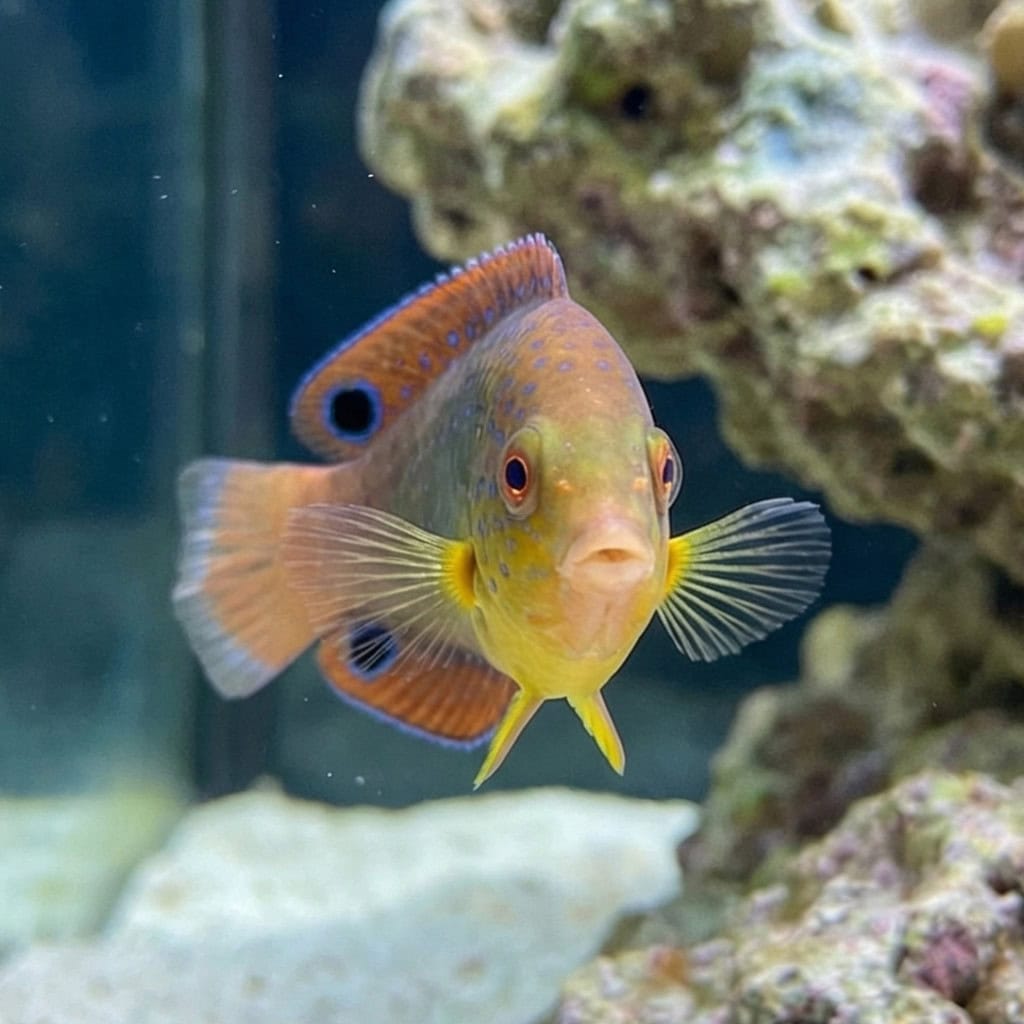
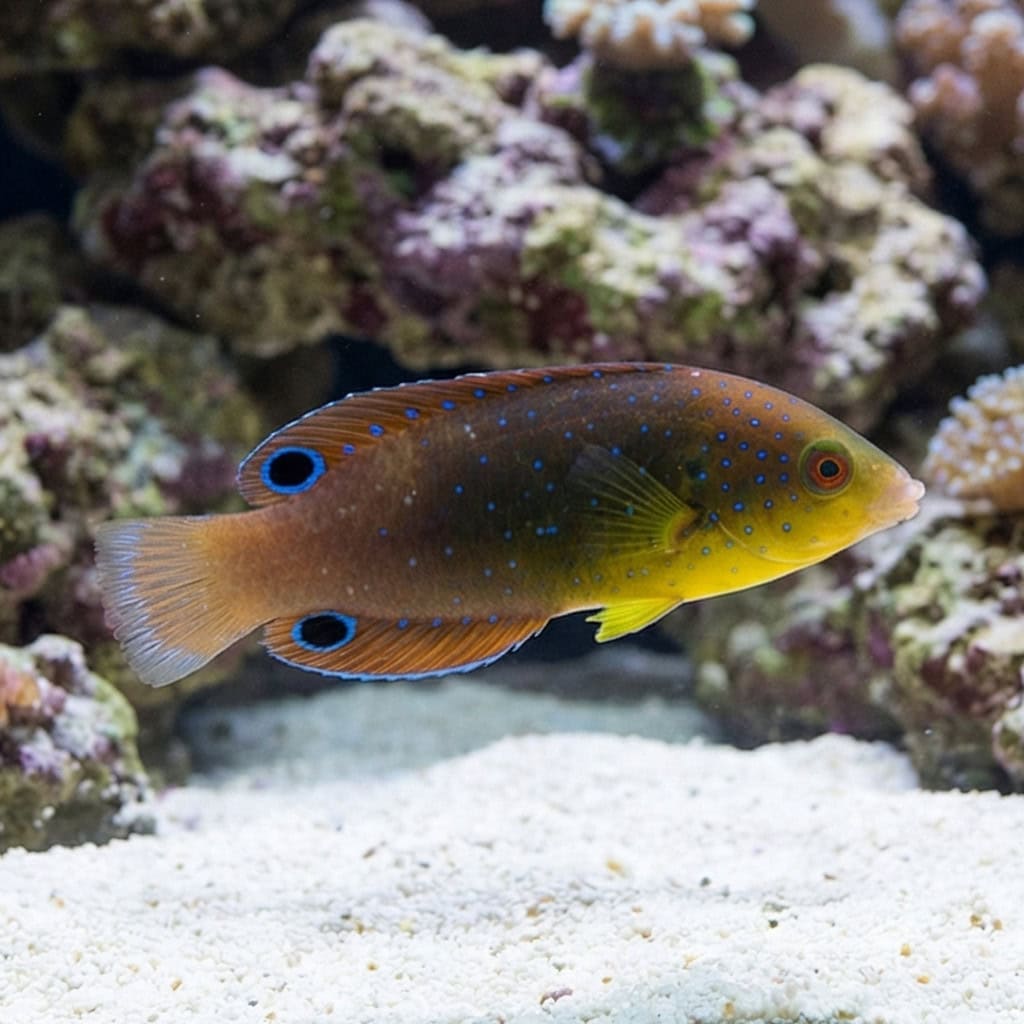
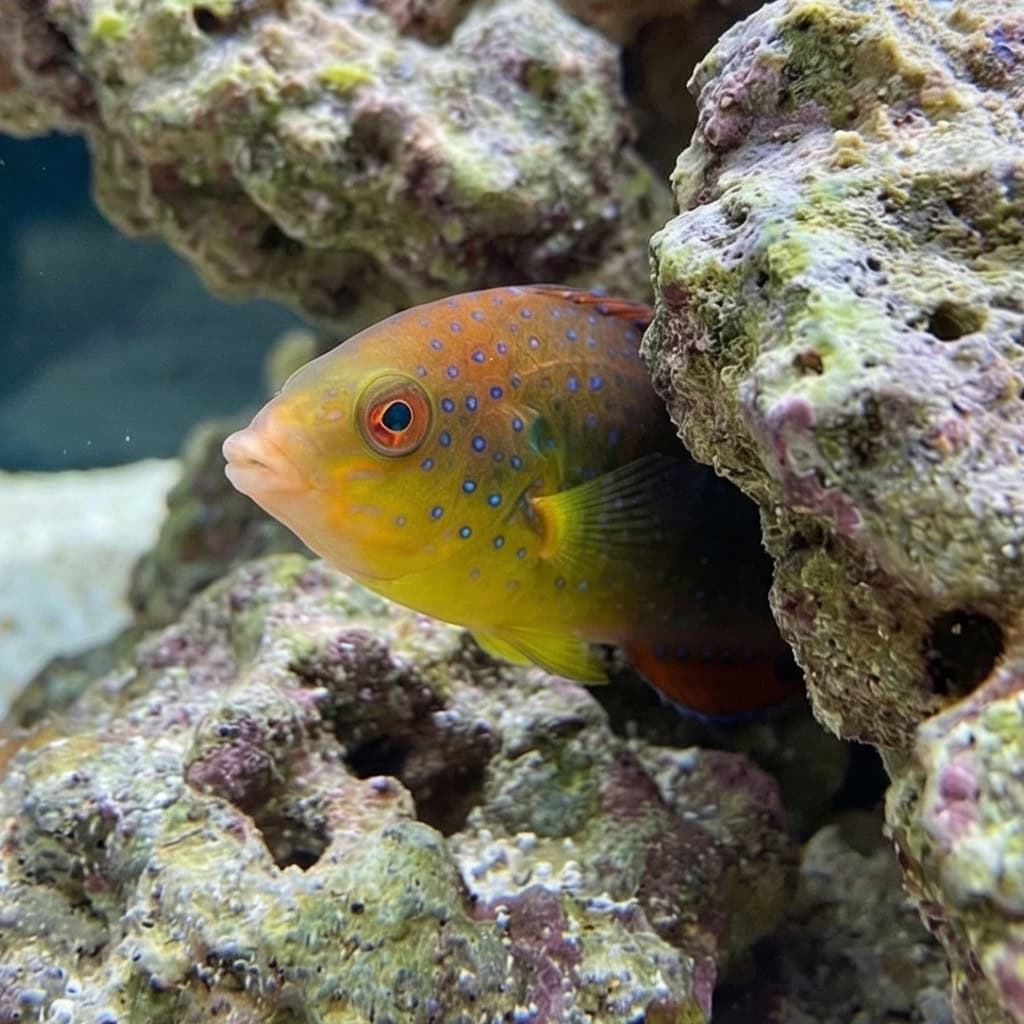
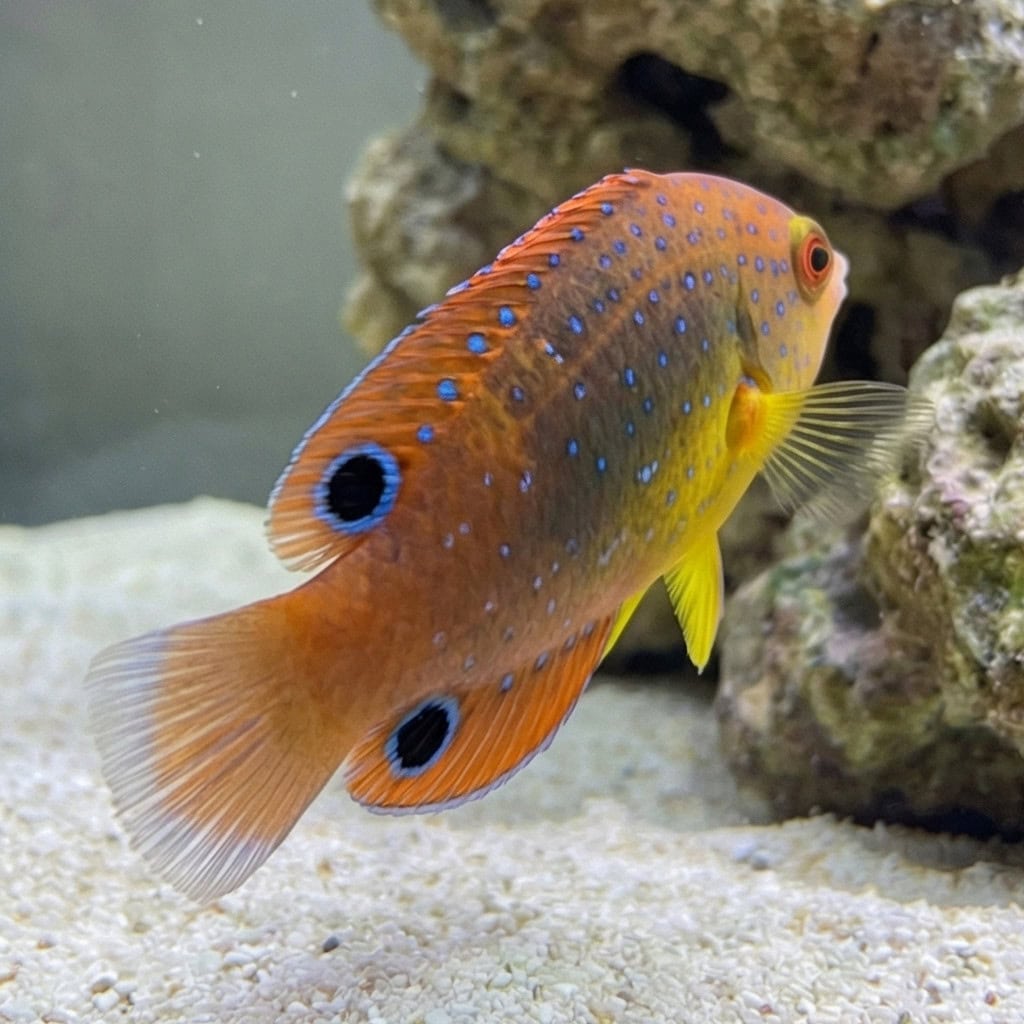
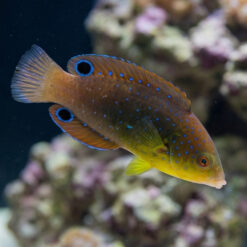
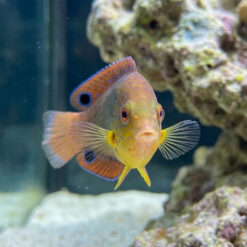

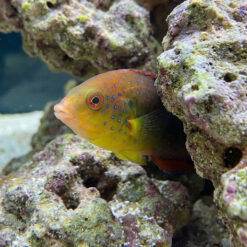

Yellowchest Twist Wrasse
Anampses twisti
Original price was: $172.99.$90.99Current price is: $90.99.
| Stock | Variations | Price | Quantity | |
|---|---|---|---|---|
| Only 6 left | 2.25 - 4.25" - SSC Certified - Central Pacific | Original price was: $172.99.$90.99Current price is: $90.99. |
-
+
|
|
| Out of Stock | 2.25" or smaller - SSC Certified - Central Pacific | Original price was: $150.99.$79.99Current price is: $79.99. | Email me | |
| Out of Stock | 2.25" or smaller - Africa | Original price was: $163.99.$86.99Current price is: $86.99. | Email me |
Every order ships with our standard 3-hour live arrival guarantee. Need more time? Add our 5-Day Guarantee at checkout.
Full guarantee terms →Ships Monday – Thursday for next-day arrival at your nearest FedEx Hold location — typically ready by 9 AM. We monitor every delivery.
Shipping details →
Monday – Friday 8 AM – 9 PM
Saturday 12 PM – 4 PM
Sunday 12 PM – 9 PM
Healthy, stable animals from vetted suppliers — inspected before packing, shipped overnight. Decades of experience built this model so we can deliver premium livestock at 30%+ less than you'd pay elsewhere.
| Care Level | Expert |
|---|---|
| Temperament | Peaceful |
| Reef Safe | With Caution |
| Functional Benefit | Pest Control |
| Diet Type | Carnivore |
| Mininum Tank Size | 70 gallons |
| Max Size | 8 inches |
| Temperature | 72–78°F |
| pH Range | 8.1–8.4 |
| Specific Gravity | 1.022–1.025 |
The Yellowchest Twist Wrasse (Anampses twistii) is a sand-sleeping tamarin wrasse that spends the day picking through rockwork and along the sand surface for tiny invertebrates, which can help reduce nuisance pests like flatworms and nudibranchs. Its natural range spans the Indo-Pacific from the Red Sea to the Tuamoto Islands, and adults can reach about 18 cm (around 7 inches).
What You’ll Observe:
- Low, searching “patrol” laps along rock edges and open sand
- Frequent short stops to peck at surfaces, then quick darts to the next area
- A consistent dusk routine where it heads to the sand to sleep
- More daytime visibility once it recognizes your tank’s feeding rhythm
Provide a mature reef with stable rockwork and a fine sand bed deep enough for nightly burrowing. Offer small meaty foods (like mysis, finely chopped seafood, and enriched brine) in multiple small feedings so it can graze naturally throughout the day. A secure screen top supports active, full-tank movement as it settles in.
FAQ:
How quickly do they take to prepared foods like pellets?
Many keepers have the best results starting with frozen foods first, then mixing in small pellets once the fish is rushing to food at the front of the tank.
Do they “hunt” all day even after they’re eating well?
They often keep browsing between feedings, so you’ll still see pecking and searching behavior as part of their normal routine.
Will a refugium still matter with this wrasse in the tank?
A refugium can still help keep a steady supply of microfauna for natural grazing, especially in larger systems with multiple active fish.
Do their markings change much as they mature?
Juveniles and females commonly show eye-spot style markings, and the overall pattern can shift noticeably with growth and maturity.
What’s a good way to keep feeding time orderly in a busy reef?
Spacing food out into a few smaller feedings (instead of one large dump) helps this species stay engaged without needing to “win” a single fast feeding event.
We source from vetted suppliers known for healthy, long-lived specimens.
Recently viewed products