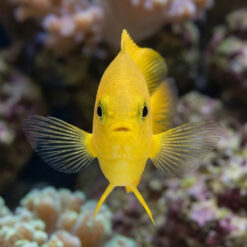
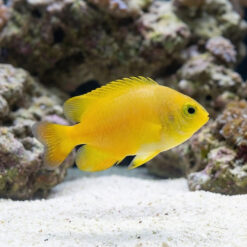
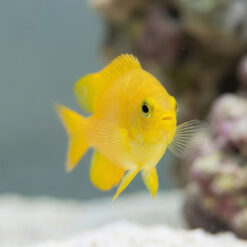
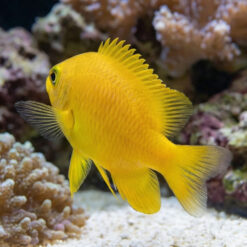
Lemon Drop Damsel
Pomacentrus moluccensis
| Stock | Variations | Price | Quantity | |
|---|---|---|---|---|
| Out of Stock | 1 - 2" - Captive Bred - Indian Ocean | Original price was: $24.99.$12.99Current price is: $12.99. | Email me |
Every order ships with our standard 3-hour live arrival guarantee. Need more time? Add our 5-Day Guarantee at checkout.
Full guarantee terms →Ships Monday – Thursday for next-day arrival at your nearest FedEx Hold location — typically ready by 9 AM. We monitor every delivery.
Shipping details →
Monday – Friday 8 AM – 9 PM
Saturday 12 PM – 4 PM
Sunday 12 PM – 9 PM
Healthy, stable animals from vetted suppliers — inspected before packing, shipped overnight. Decades of experience built this model so we can deliver premium livestock at 30%+ less than you'd pay elsewhere.
| Care Level | Easy |
|---|---|
| Temperament | Semi-Aggressive |
| Reef Safe | Yes |
| Functional Benefit | Ornamental Only |
| Diet Type | Omnivore |
| Mininum Tank Size | 30 gallons |
| Max Size | 4 inches |
| Temperature | 72–78°F |
| pH Range | 8.1–8.4 |
| Specific Gravity | 1.022–1.025 |
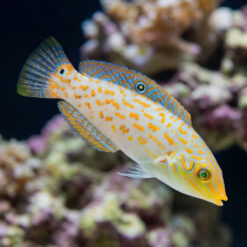
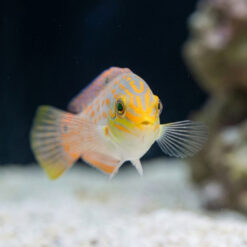
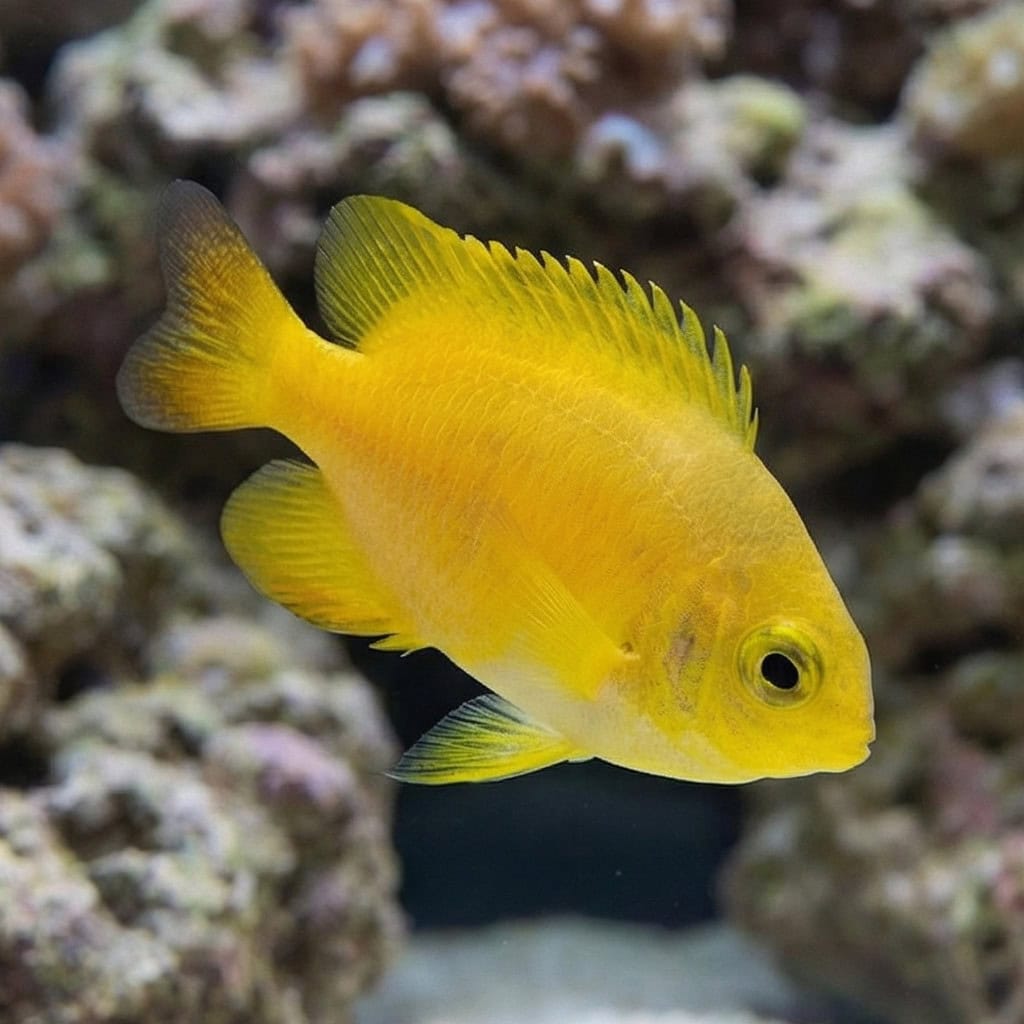
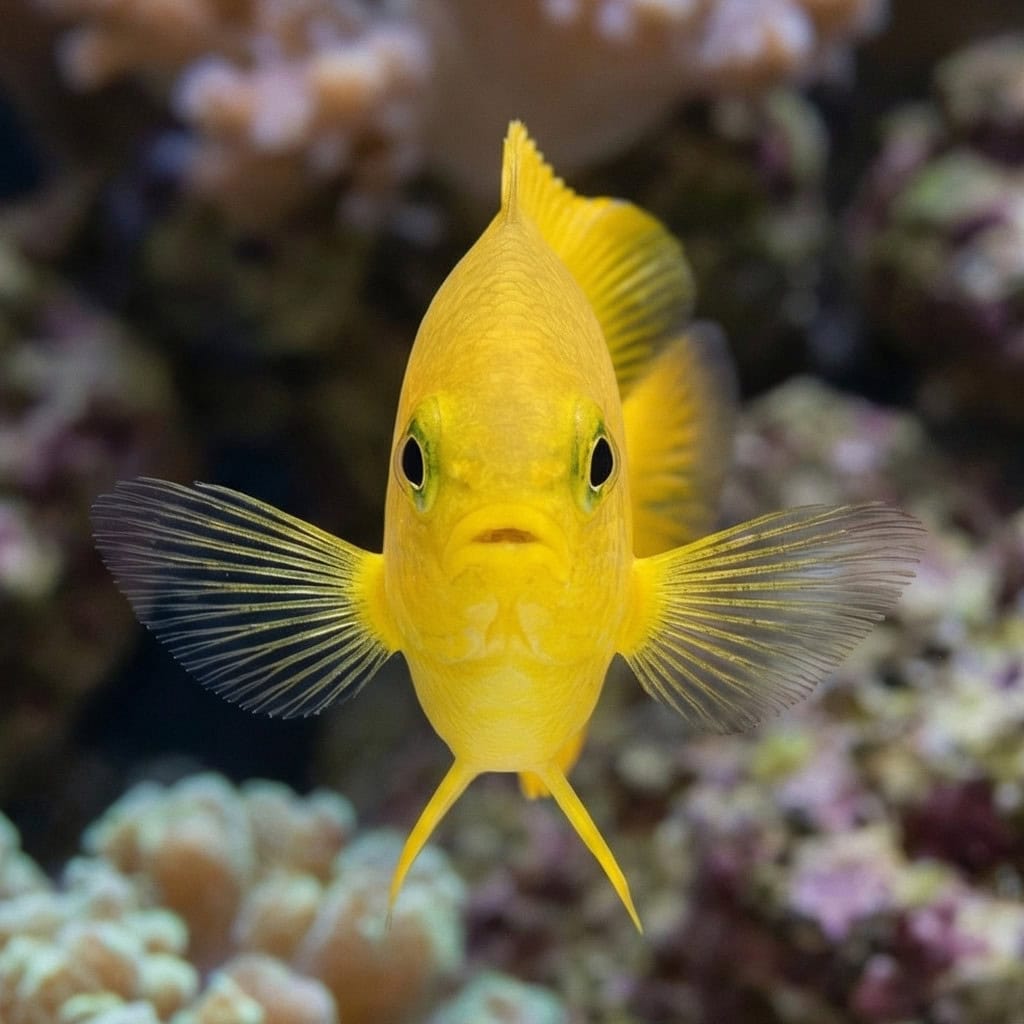
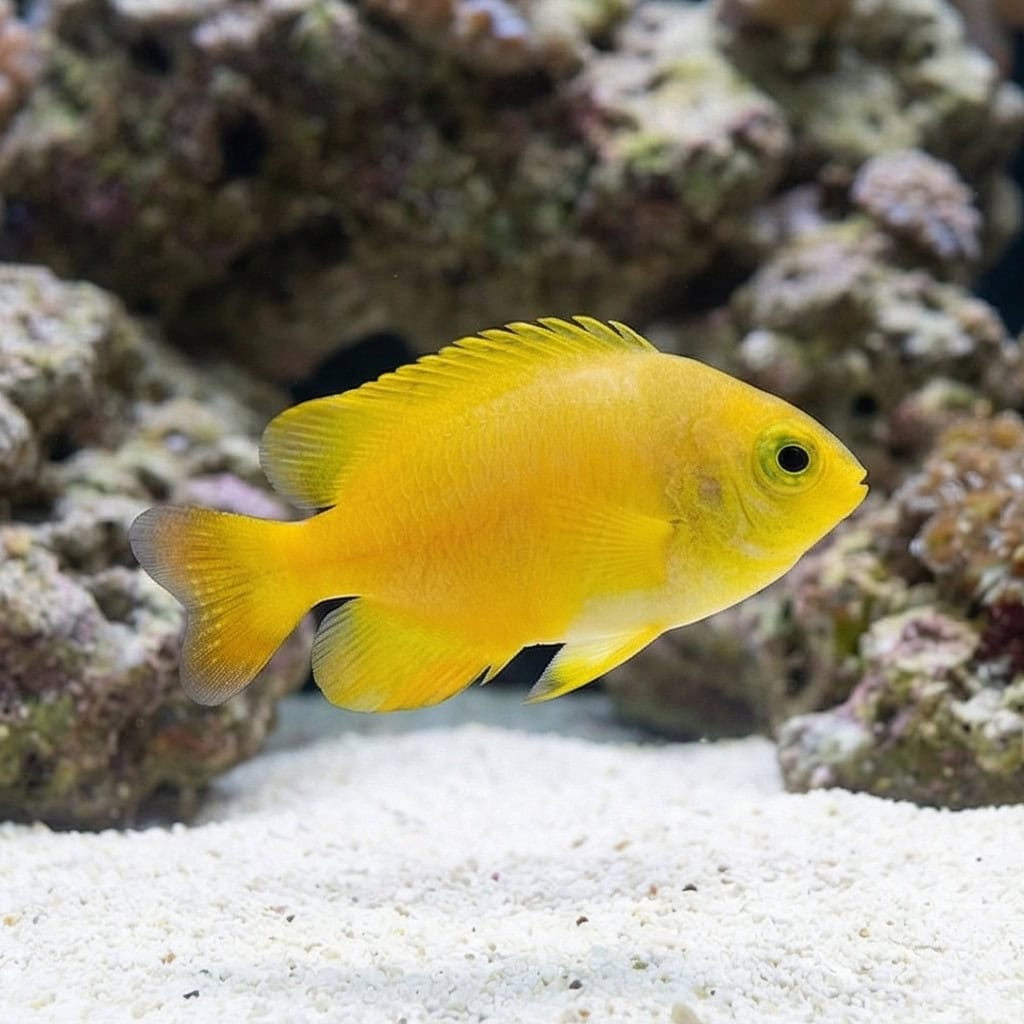
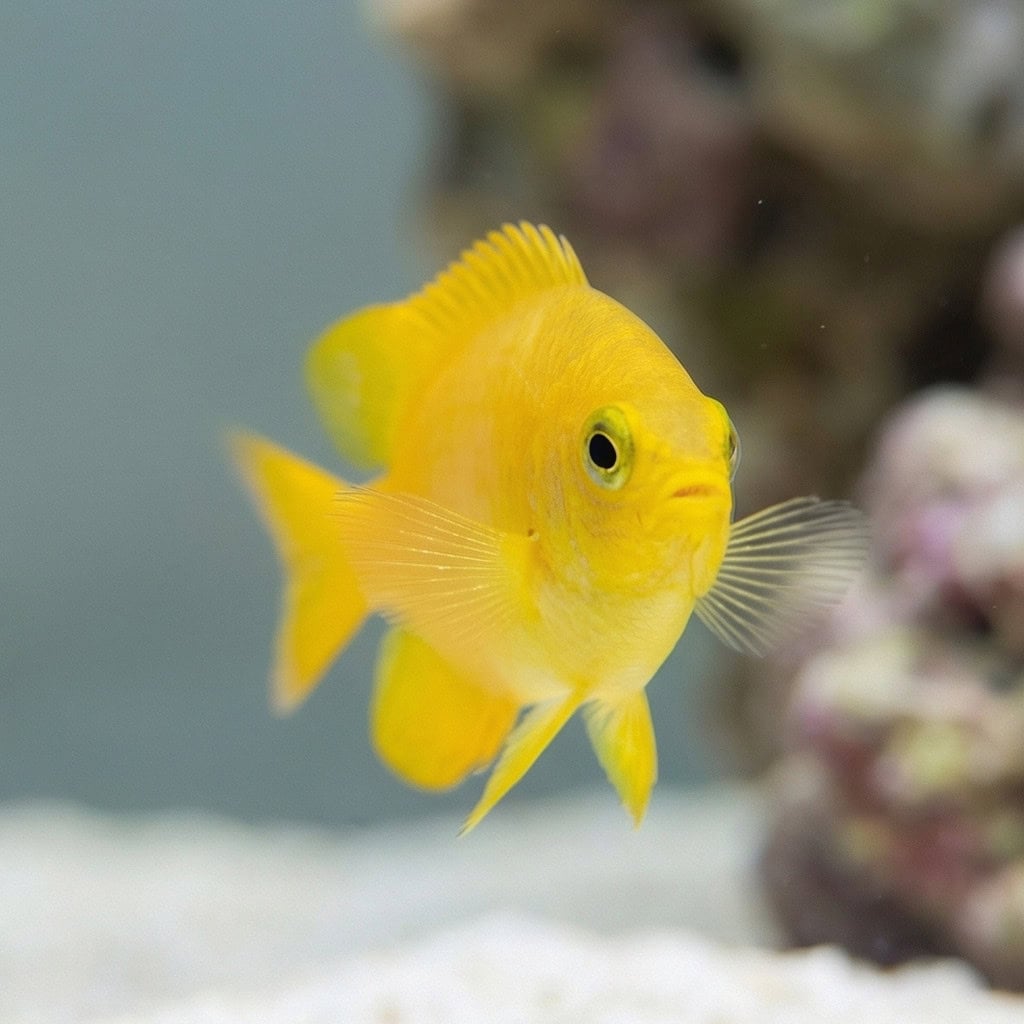
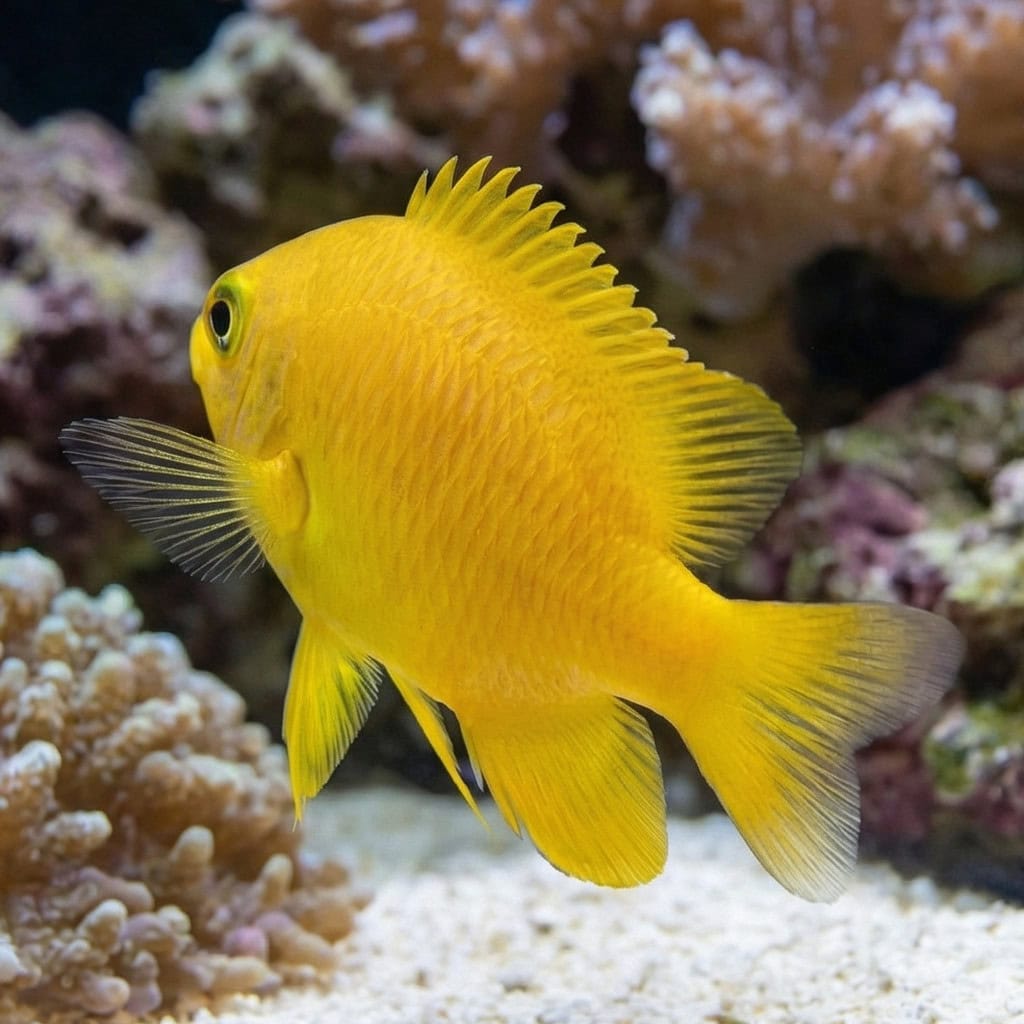
The Lemon Drop Damsel (Pomacentrus moluccensis), also sold as the Lemon Damselfish or Molucca Damsel, is a small reef fish known for its solid yellow body. Some individuals show fine blue line details across the head and fins, especially under reef lighting. It’s a classic choice for hobbyists who want steady activity and bold color in a community reef tank.
What You’ll Observe:
- Short, quick “patrol loops” around the rockwork, then hovering in open water
- A favorite crevice or ledge it returns to throughout the day
- Fast, confident feeding behavior once it recognizes your routine
- Curious inspections of cracks and holes while searching for small food bits
- Brief display postures with similarly sized fish, followed by normal cruising
Provide plenty of live rock structure with multiple hiding options so it can establish a comfortable home base. Offer a varied omnivore menu (quality pellets or flakes plus frozen meaty foods) to keep it engaged at feeding time. With stable reef parameters and consistent feeding, it settles into a predictable, active daily pattern.
Why did my Lemon Drop Damsel turn a softer or “dustier” yellow over time?
Many keepers report the bright yellow can mellow as the fish matures; steady lighting and a consistent, varied diet help support normal coloration.
Does this fish usually stay out in the open, or live in the rocks?
Most spend the day moving between open water and rockwork, often choosing one “home” spot they return to repeatedly.
Can I keep two (or a small group) and expect them to get along long-term?
Juveniles added together can settle into a pair or group, and you’ll often see a simple pecking order form as they grow. Extra rockwork zones help each fish keep its own routine.
How do hobbyists add new fish after the damsel is already established?
A common approach is to do the introduction near lights-out and slightly adjust a small section of rockwork, which helps “reset” familiar routes and reduces immediate focus on the newcomer.
What’s the easiest way to move one later without tearing apart the aquascape?
Many reefers have the best results using a clear fish trap or specimen container during feeding time, letting the fish enter on its own schedule.
Our selection process means you get robust, well-adjusted specimens that settle in quickly.
Recently viewed products