
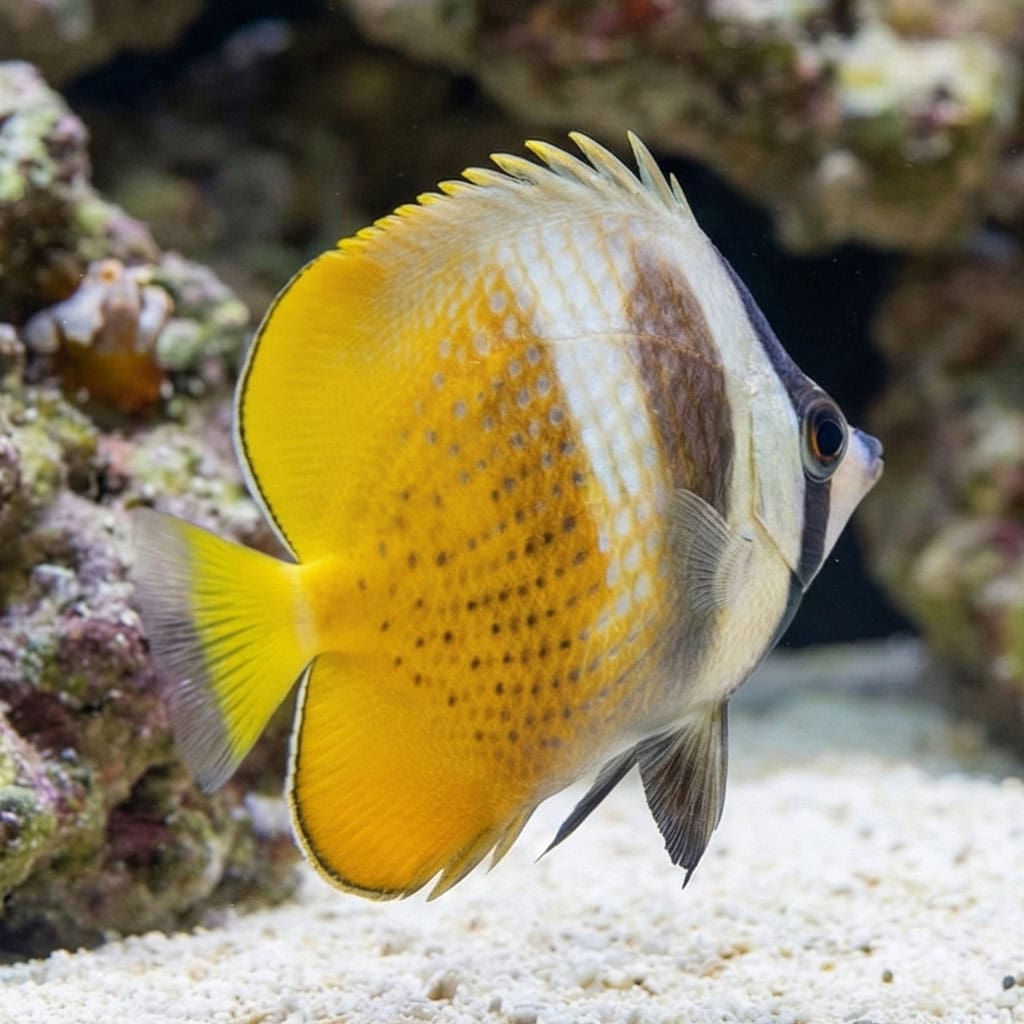
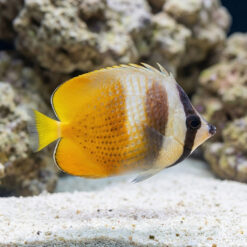
Blacklip Butterfly
Chaetodon kleini
Original price was: $61.99.$32.99Current price is: $32.99.
| Stock | Variations | Price | Quantity | |
|---|---|---|---|---|
| Only 4 left | 2.25 - 3.5" - SSC Certified - Central Pacific | Original price was: $61.99.$32.99Current price is: $32.99. |
-
+
|
|
| Out of Stock | 2.25" or smaller - SSC Certified - Central Pacific | Original price was: $61.99.$32.99Current price is: $32.99. | Email me | |
| Out of Stock | 2.25 - 3.5" - Indo-Pacific | Original price was: $122.99.$64.99Current price is: $64.99. | Email me |
Every order ships with our standard 3-hour live arrival guarantee. Need more time? Add our 5-Day Guarantee at checkout.
Full guarantee terms →Ships Monday – Thursday for next-day arrival at your nearest FedEx Hold location — typically ready by 9 AM. We monitor every delivery.
Shipping details →
Monday – Friday 8 AM – 9 PM
Saturday 12 PM – 4 PM
Sunday 12 PM – 9 PM
Healthy, stable animals from vetted suppliers — inspected before packing, shipped overnight. Decades of experience built this model so we can deliver premium livestock at 30%+ less than you'd pay elsewhere.
| Care Level | Easy |
|---|---|
| Temperament | Peaceful |
| Reef Safe | No |
| Functional Benefit | Pest Control |
| Diet Type | Omnivore |
| Mininum Tank Size | 120 gallons |
| Max Size | 6 inches |
| Temperature | 72–78°F |
| pH Range | 8.1–8.4 |
| Specific Gravity | 1.022–1.025 |
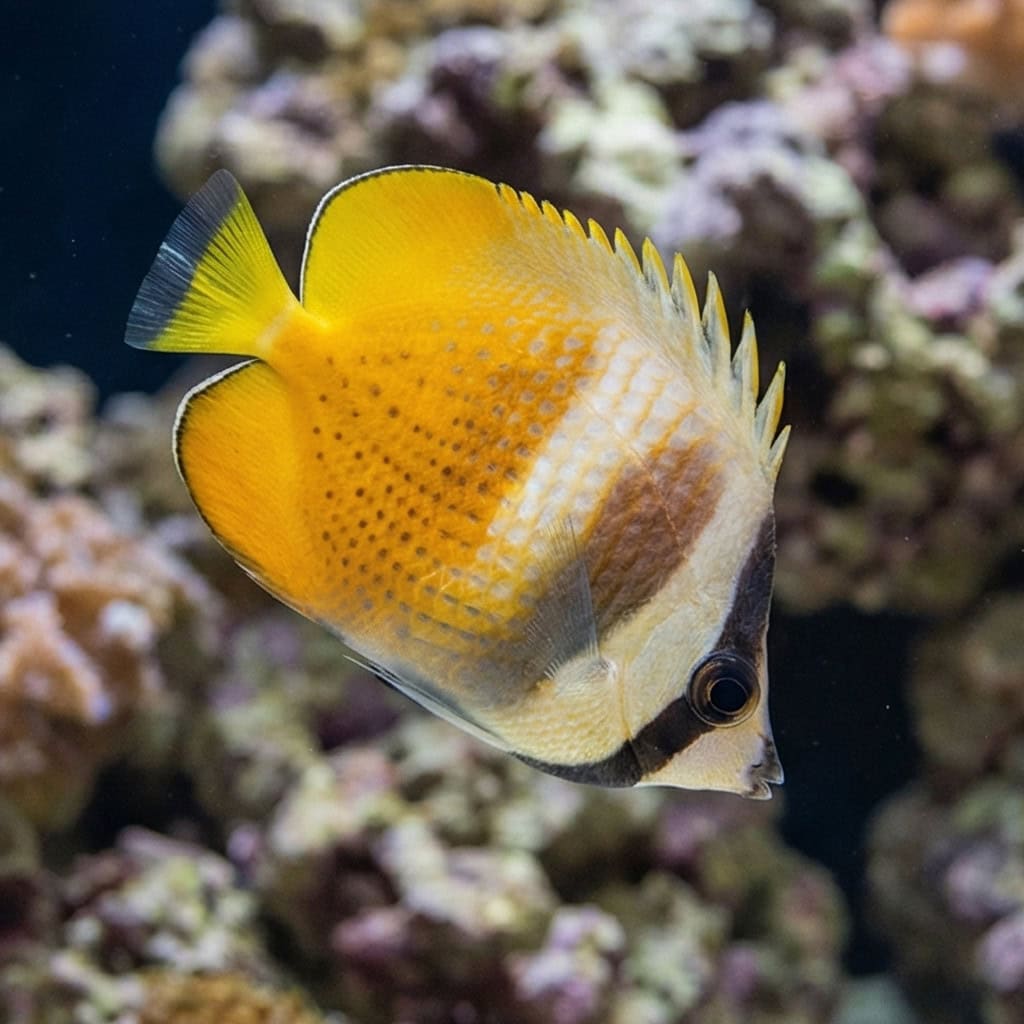
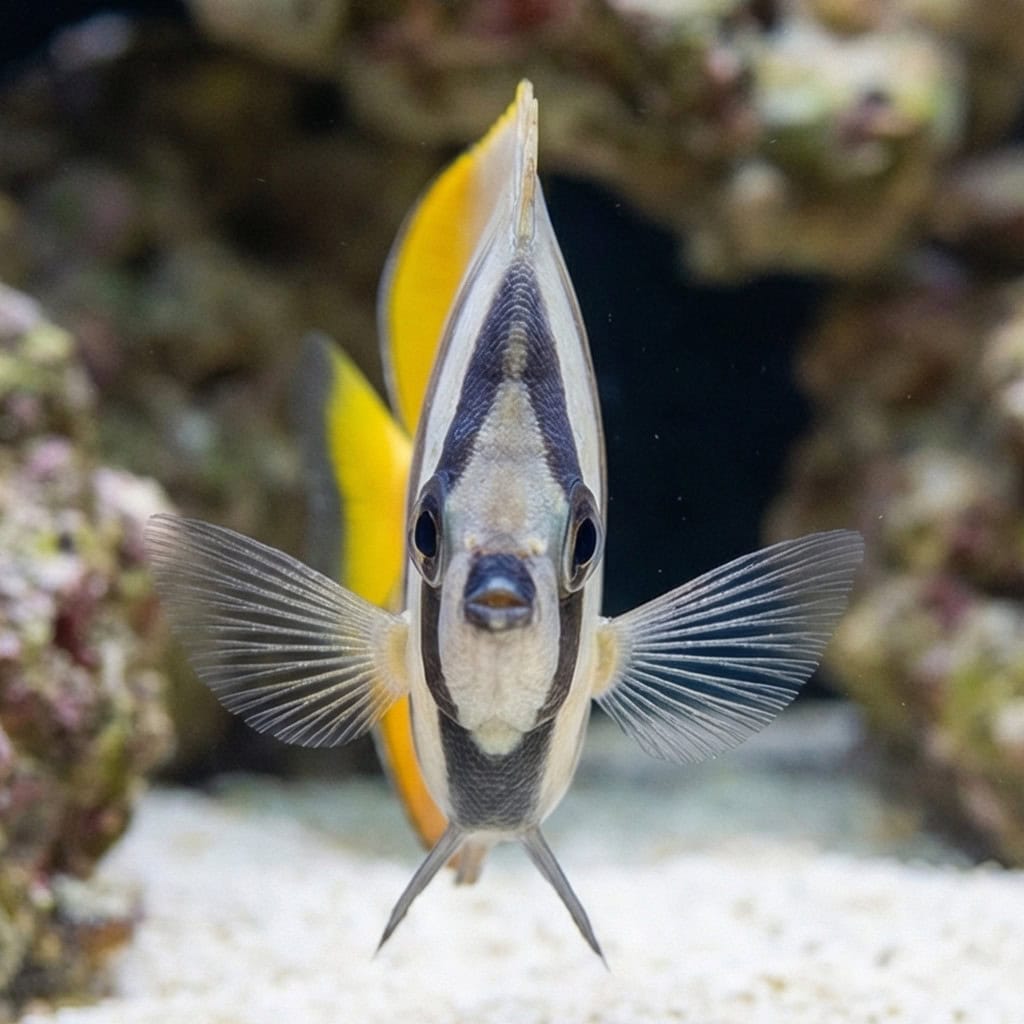
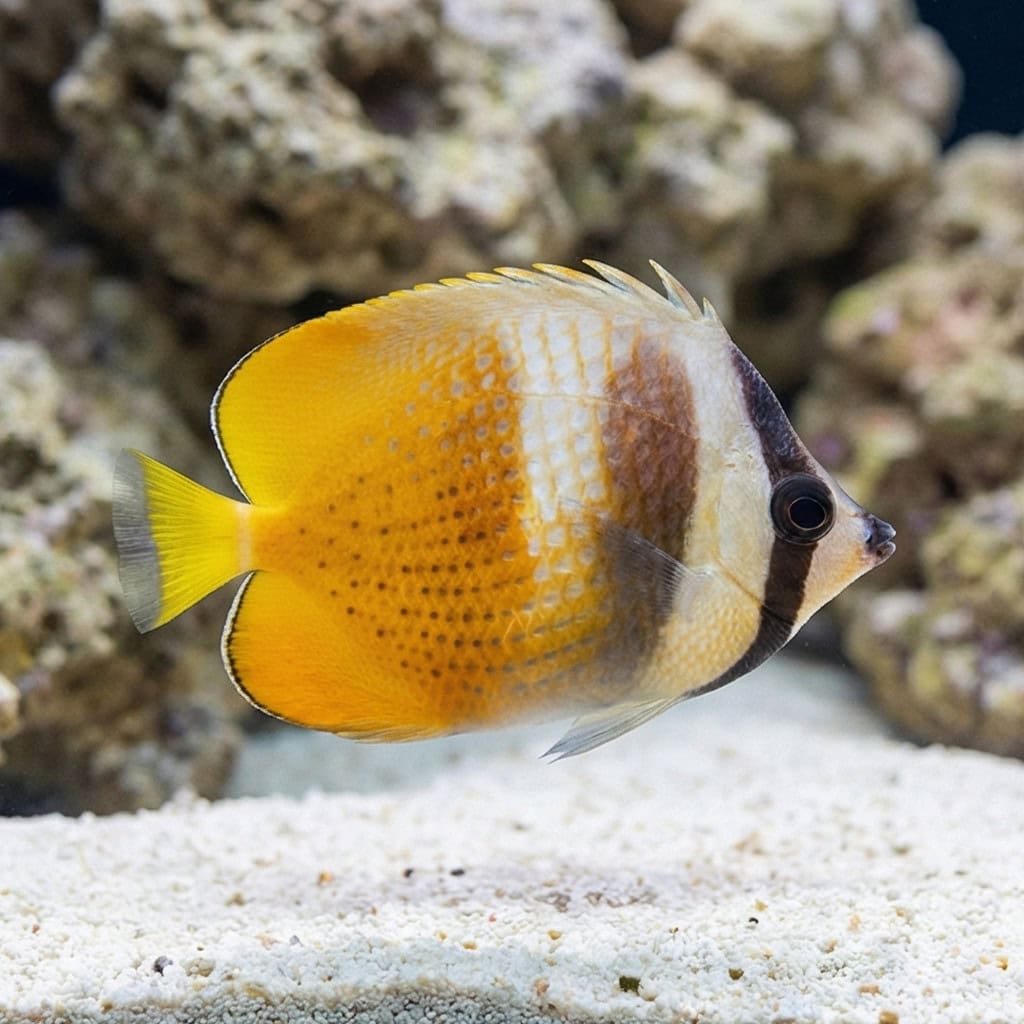
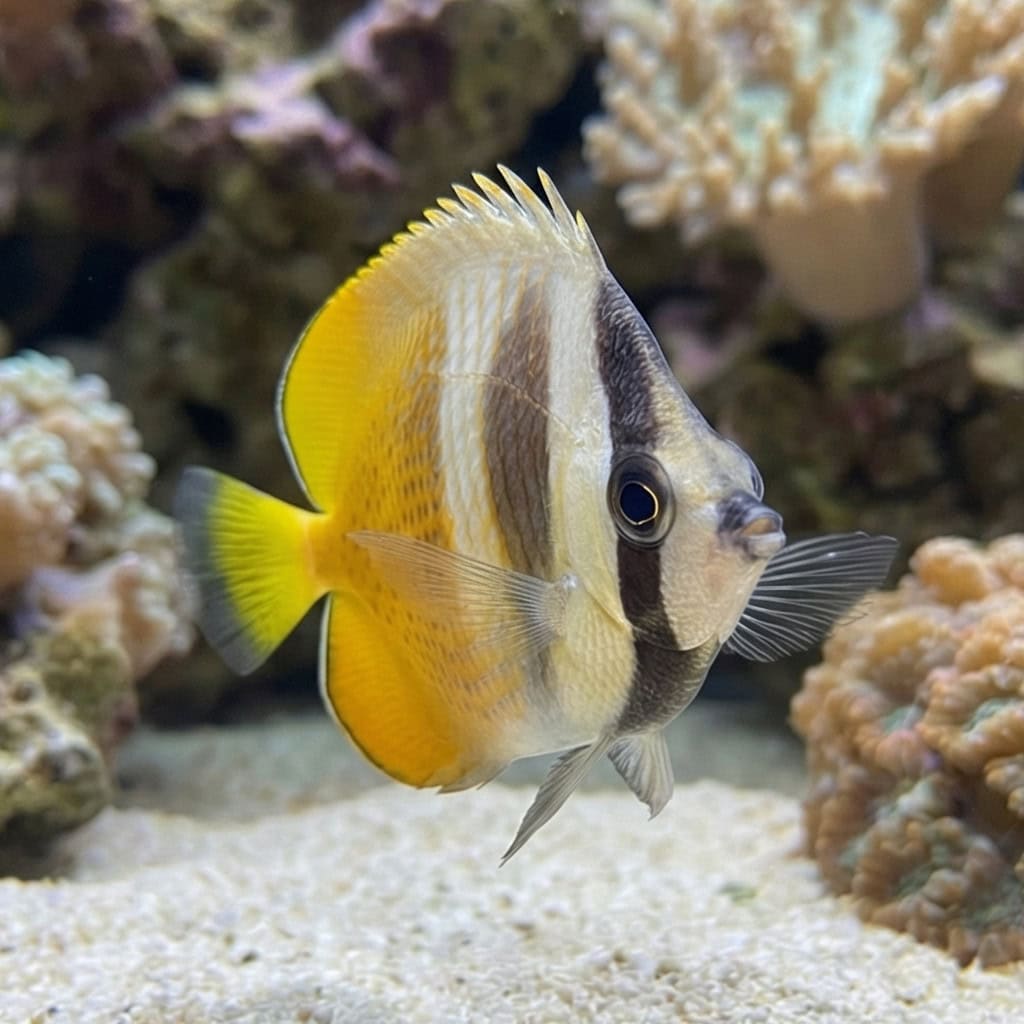
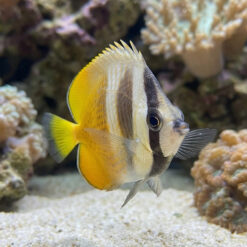
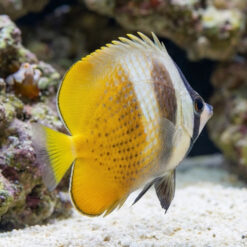
The Blacklip Butterfly (Chaetodon kleini), also known as the Klein’s or Sunburst/Orange Butterflyfish, is often chosen for pest control because it naturally picks at nuisance anemones like Aiptasia on live rock. Its body is golden-yellow toward the tail with a lighter front half, plus a dark eye band and distinctive dark lips. It stays active in open water and along the rockwork, constantly searching for small bites throughout the day.
What You’ll Observe:
- Repeated peck-and-move foraging as it patrols rock surfaces and shaded crevices
- Frequent midwater laps followed by quick stops to inspect new spots in the aquascape
- Strong curiosity around feeding time, often circling the water column before darting in for food
- A regular routine of returning to the same areas of rock where it has found food before
Provide plenty of established live rock so it can graze naturally between meals, along with open swimming lanes. Offer a varied menu of frozen and prepared foods multiple times per day so it stays engaged and feeds consistently. This species is best suited to fish-only systems with live rock, or displays where coral polyps are not the main focus.
Will a Blacklip Butterfly always eat Aiptasia right away?
Some start quickly, while others take days or weeks to recognize Aiptasia as food after settling in.
Why does it peck at rocks and frag plugs all day?
Constant picking is normal for butterflyfish—it is searching for tiny foods on surfaces, even when it is also eating prepared foods.
What happens after it finishes the Aiptasia?
Most continue to cruise the rockwork looking for small bites, and they typically stay on regular aquarium foods long-term.
Are there different color forms of Chaetodon kleini?
Yes—depending on collection region, the body bars and face markings can vary a bit, but the overall care and behavior are similar.
Is it normal for it to ignore Aiptasia but still eat frozen foods?
Yes; eating prepared foods is a good sign it is settling in, and many individuals begin targeting Aiptasia later as they explore more confidently.
Each fish is checked for strong appetite and activity before we approve it for your tank.
Recently viewed products