
White Tail Yellow Eye Tang
Ctenochaetus flavicauda
| Stock | Variations | Price | Quantity | |
|---|---|---|---|---|
| Out of Stock | 3.75 - 4.5" - Central Pacific | Original price was: $575.99.$302.99Current price is: $302.99. | Email me | |
| Out of Stock | 4.5 - 5.5" - Central Pacific | Original price was: $589.99.$309.99Current price is: $309.99. | Email me | |
| Out of Stock | 2.75 - 3.75" - Central Pacific | Original price was: $544.99.$286.99Current price is: $286.99. | Email me |
Every order ships with our standard 3-hour live arrival guarantee. Need more time? Add our 5-Day Guarantee at checkout.
Full guarantee terms →Ships Monday – Thursday for next-day arrival at your nearest FedEx Hold location — typically ready by 9 AM. We monitor every delivery.
Shipping details →
Monday – Friday 8 AM – 9 PM
Saturday 12 PM – 4 PM
Sunday 12 PM – 9 PM
Healthy, stable animals from vetted suppliers — inspected before packing, shipped overnight. Decades of experience built this model so we can deliver premium livestock at 30%+ less than you'd pay elsewhere.
| Care Level | Easy |
|---|---|
| Temperament | Peaceful |
| Reef Safe | Yes |
| Functional Benefit | Algae Control |
| Diet Type | Omnivore |
| Mininum Tank Size | 120 gallons |
| Max Size | 6 inches |
| Temperature | 72–78°F |
| pH Range | 8.1–8.4 |
| Specific Gravity | 1.022–1.025 |
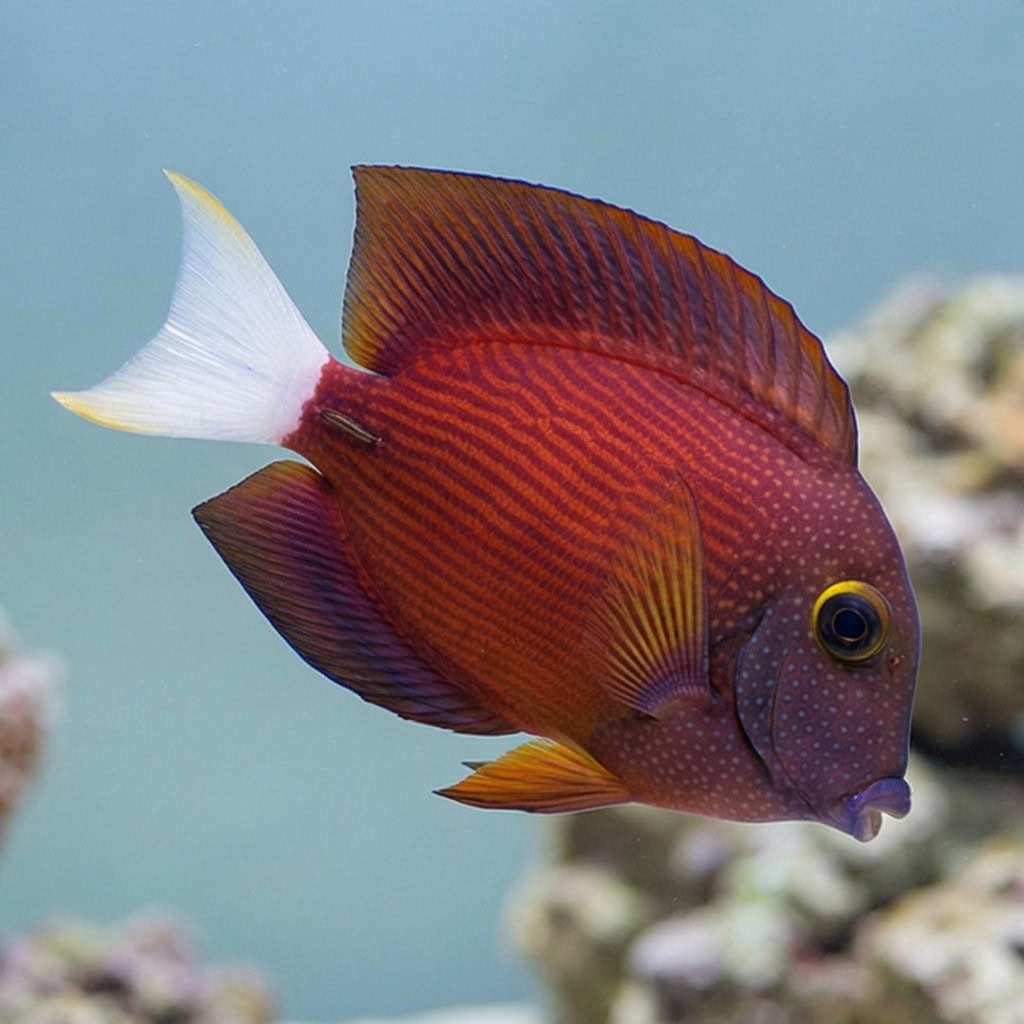
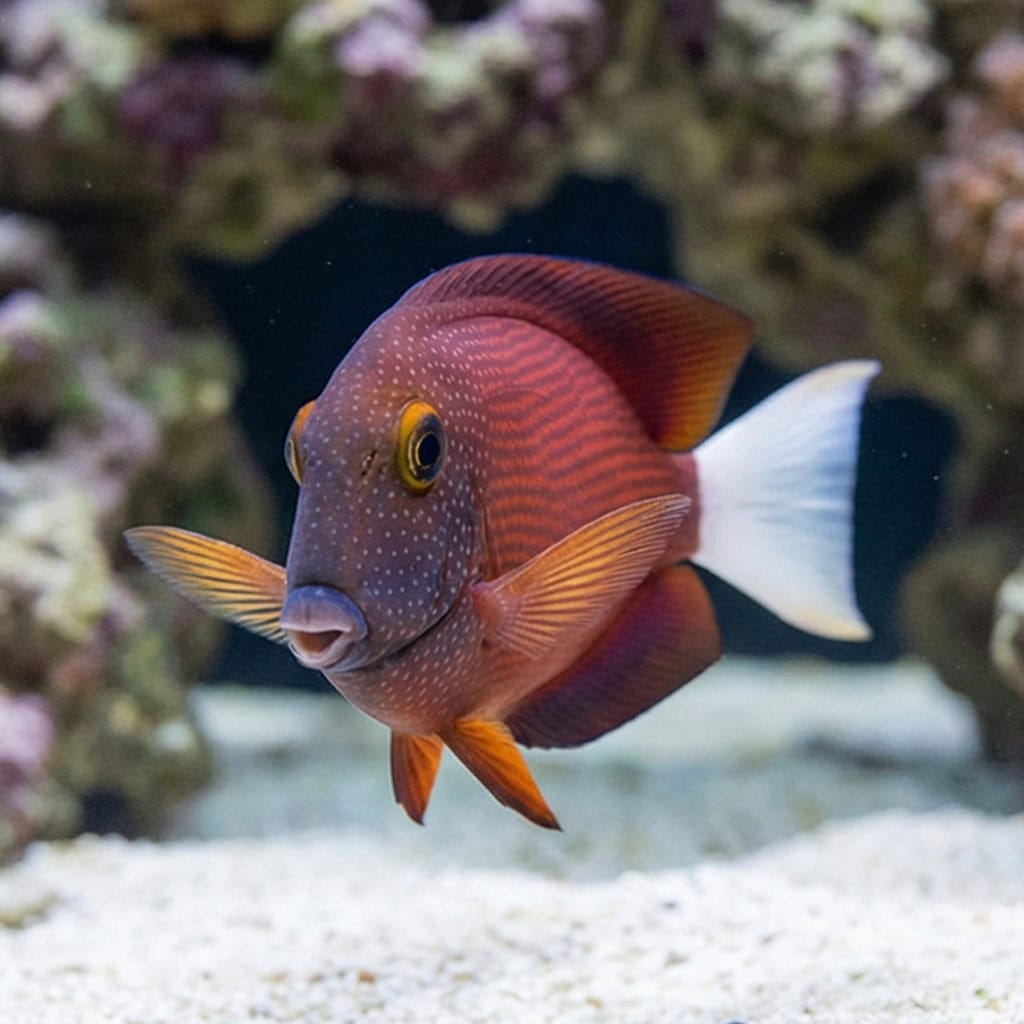
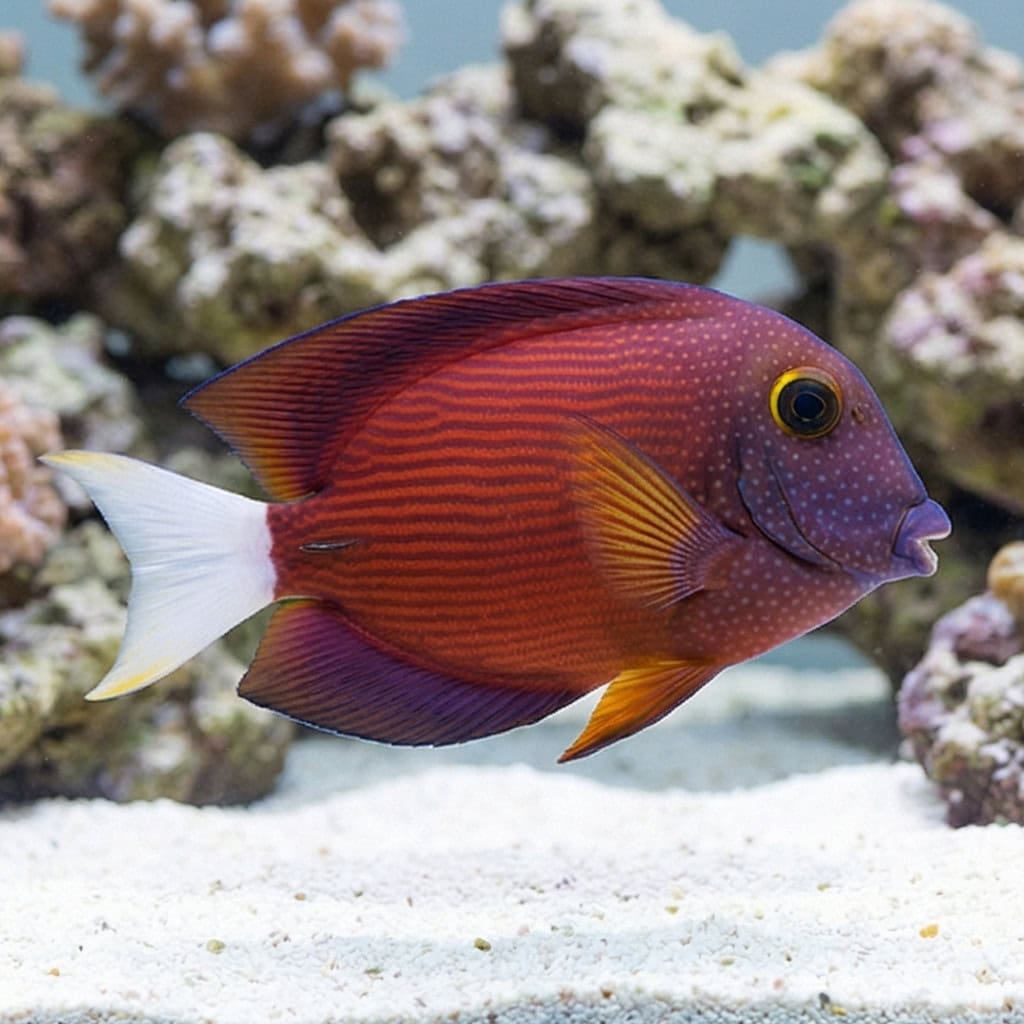
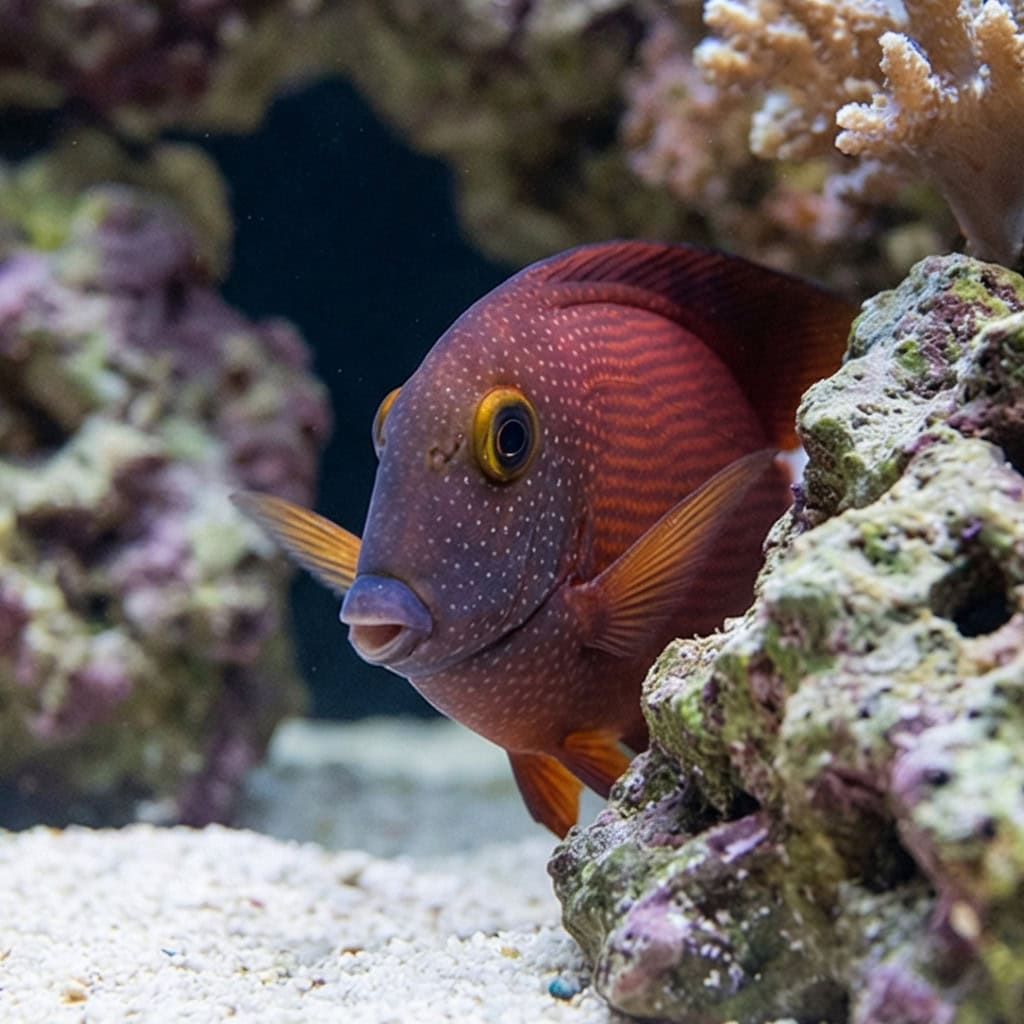
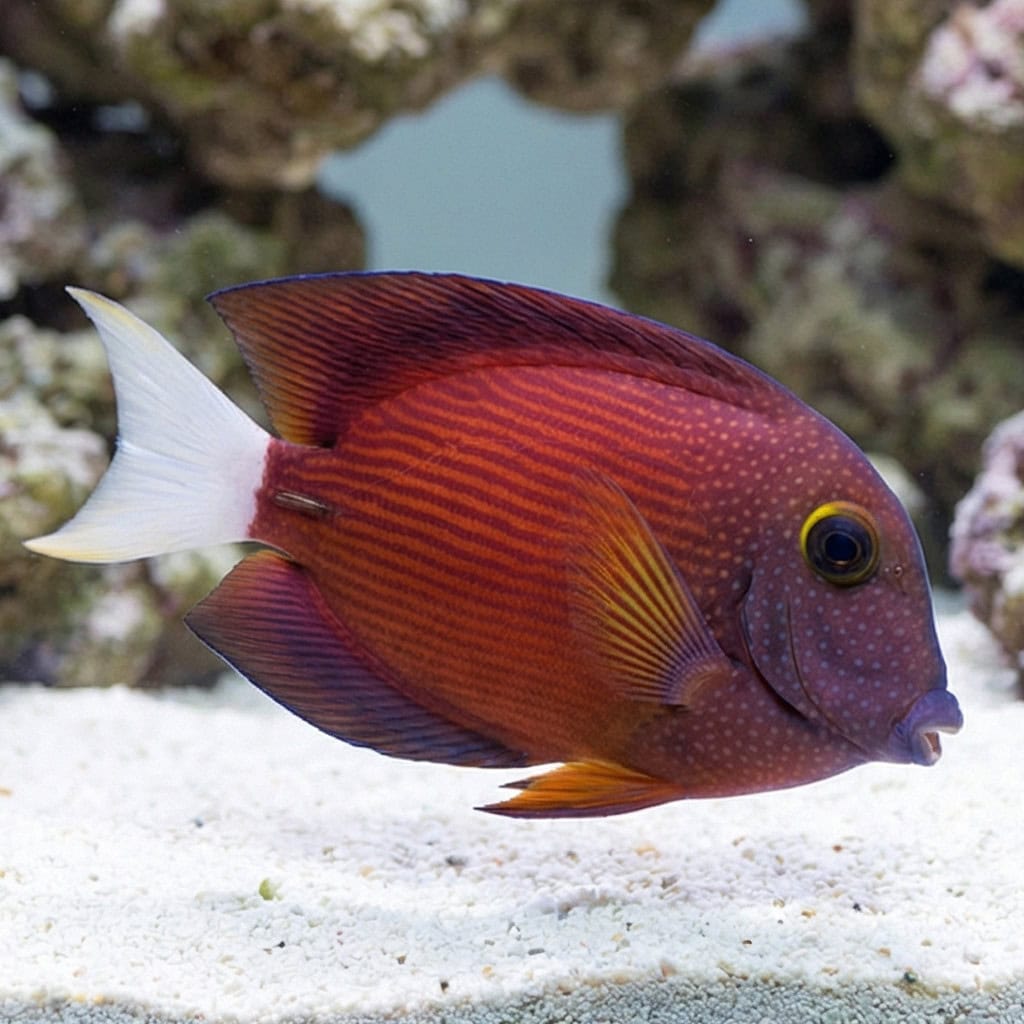
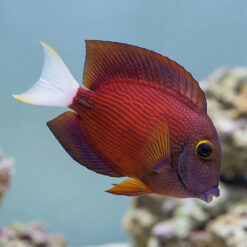
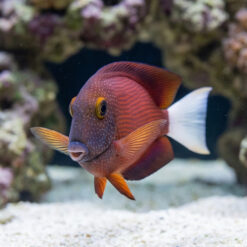
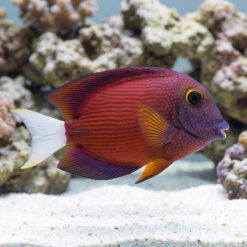
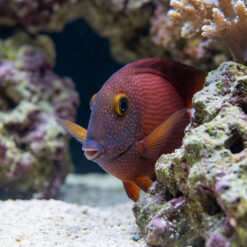
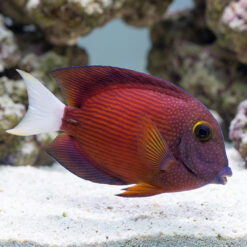
The White Tail Yellow Eye Tang (Ctenochaetus flavicauda) is a constant film-algae grazer that spends its day combing rock surfaces with bristle-like teeth. Adults typically show a darker body with a bright yellow eye and a sharply contrasting white tail, a look that fits well in reef tanks. This species is found on clear coral reefs in the Central Pacific and is often listed as a whitetail bristletooth tang.
What You’ll Observe:
- Makes steady “patrol routes” through the rockwork, stopping often to pick at surfaces
- Alternates between short cruising laps and tight, close-up grazing along the reef structure
- Uses caves and overhangs as regular pass-through zones, especially during transitions in lighting
- Juveniles can look much paler at first, with coloration sharpening as they settle and grow
Provide open swimming lanes plus plenty of mature rockwork so your tang always has natural grazing area. Offer a mixed menu (nori/seaweed plus quality pellets and frozen foods) so it stays active at feeding time while still browsing between meals. In established communities, consistent feeding and a stable daily light schedule help it keep a predictable routine.
Why does a juvenile look pale or “not like the pictures” at first?
Many juveniles start out noticeably lighter, and the stronger contrast (including the white tail) becomes more defined as the fish settles in and grows.
Is it normal for one to graze all day but seem “uninterested” in feeding time?
Yes—bristletooth tangs often eat continuously by picking at surfaces, so their prepared-food enthusiasm can vary day to day, especially right after introduction.
Can personality change after a few weeks in the tank?
It can—some hobbyists report that once the fish feels established, it becomes more confident about claiming favorite routes and personal space.
What’s a good way to introduce it into an existing tang group?
Many keepers use an acclimation box or a short “lights lower, feed heavy” introduction window to help reduce immediate attention from established fish.
What does “normal” grazing look like up close?
Instead of big bites of macroalgae, you’ll often see rapid, repeated picking at rock faces—more like constant cleaning passes than obvious chewing.
Shipped with pure oxygen and temperature control so it arrives stress-free and ready to eat.
Recently viewed products