
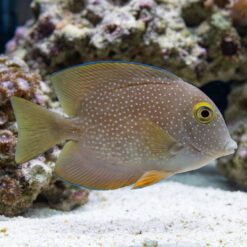
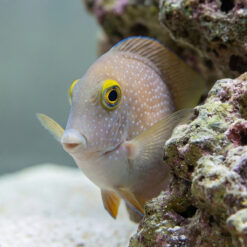
Gold Ring Bristletooth Tang
Ctenochaetus truncatus
| Stock | Variations | Price | Quantity | |
|---|---|---|---|---|
| Out of Stock | 2.75 - 3.75" - Spotted - Indian Ocean | Original price was: $265.99.$139.99Current price is: $139.99. | Email me | |
| Out of Stock | 3.75 - 4.5" - Spotted - Indian Ocean | Original price was: $279.99.$146.99Current price is: $146.99. | Email me |
Every order ships with our standard 3-hour live arrival guarantee. Need more time? Add our 5-Day Guarantee at checkout.
Full guarantee terms →Ships Monday – Thursday for next-day arrival at your nearest FedEx Hold location — typically ready by 9 AM. We monitor every delivery.
Shipping details →
Monday – Friday 8 AM – 9 PM
Saturday 12 PM – 4 PM
Sunday 12 PM – 9 PM
Healthy, stable animals from vetted suppliers — inspected before packing, shipped overnight. Decades of experience built this model so we can deliver premium livestock at 30%+ less than you'd pay elsewhere.
| Care Level | Moderate |
|---|---|
| Temperament | Semi-Aggressive |
| Reef Safe | Yes |
| Functional Benefit | Algae Control |
| Diet Type | Detritivore |
| Mininum Tank Size | 70 gallons |
| Max Size | 6 inches |
| Temperature | 72–78°F |
| pH Range | 8.1–8.4 |
| Specific Gravity | 1.022–1.025 |
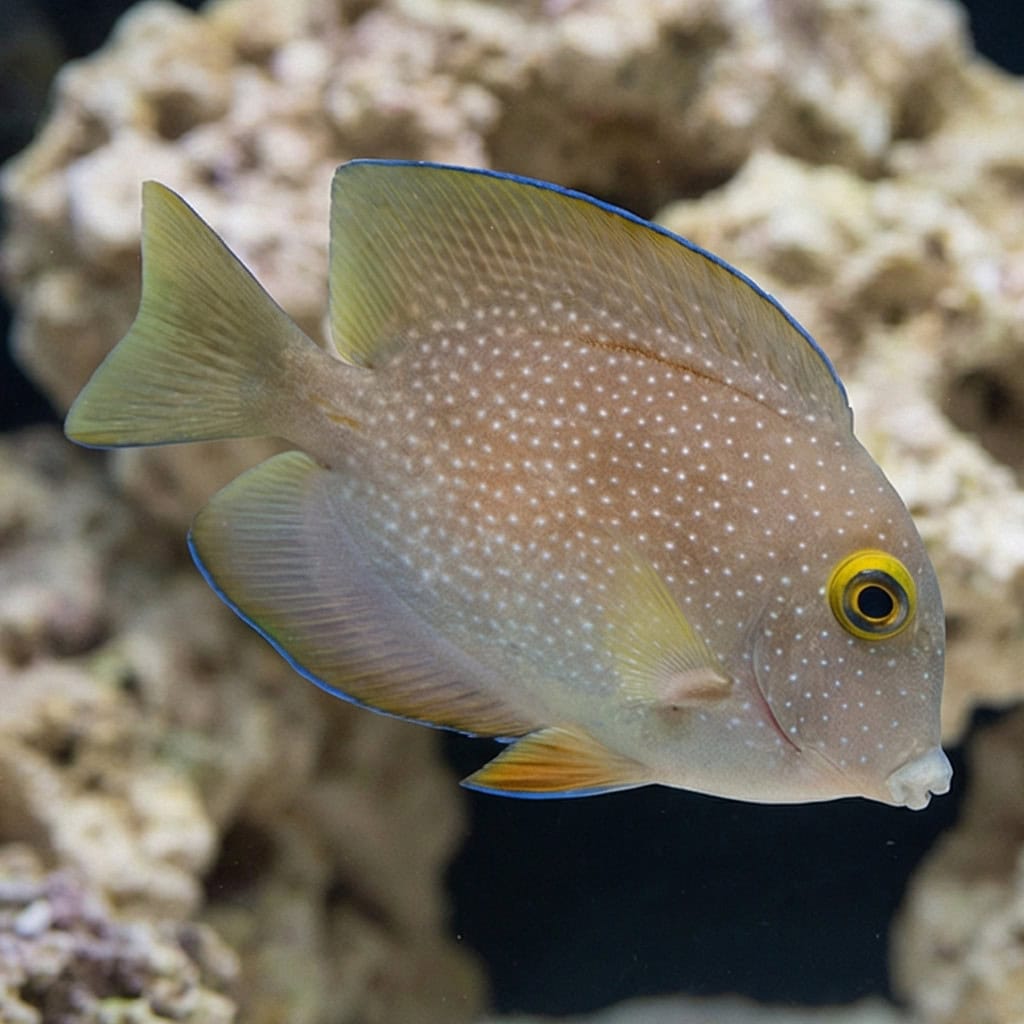
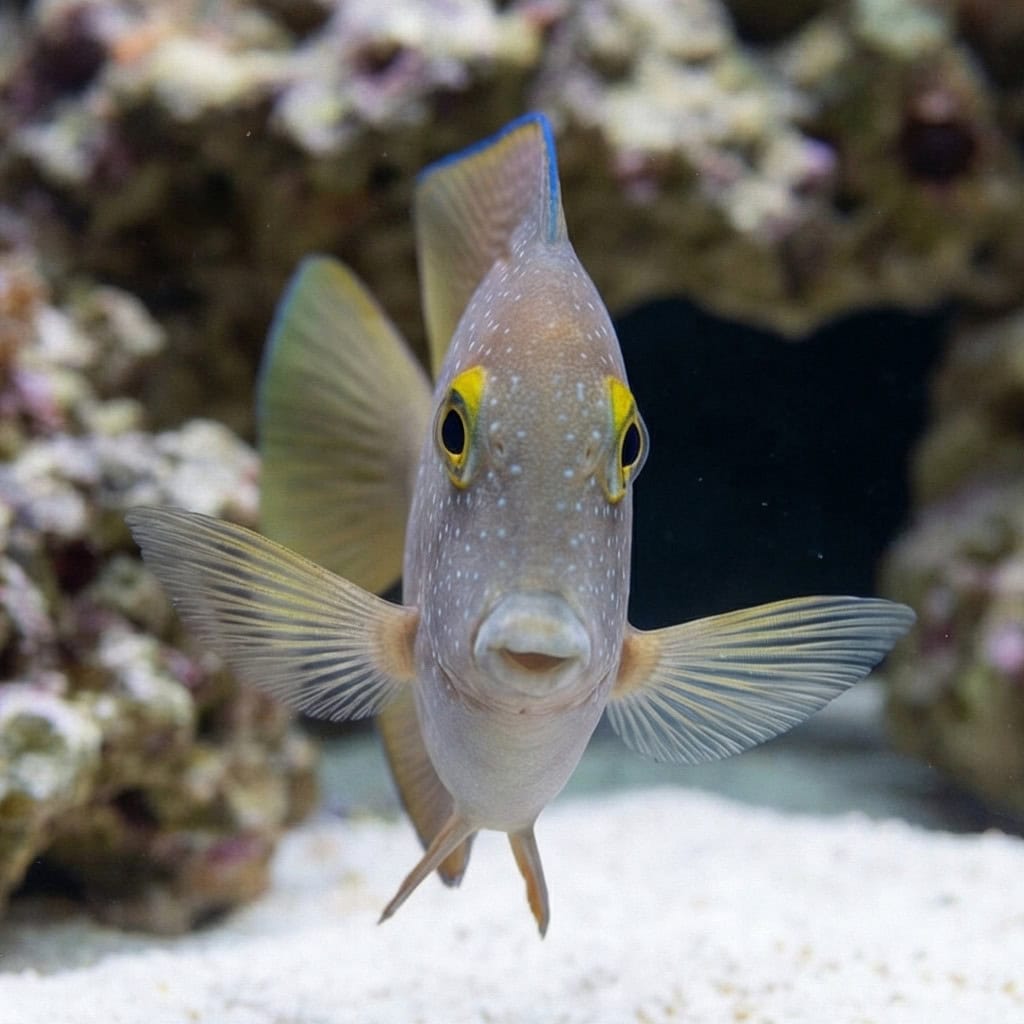
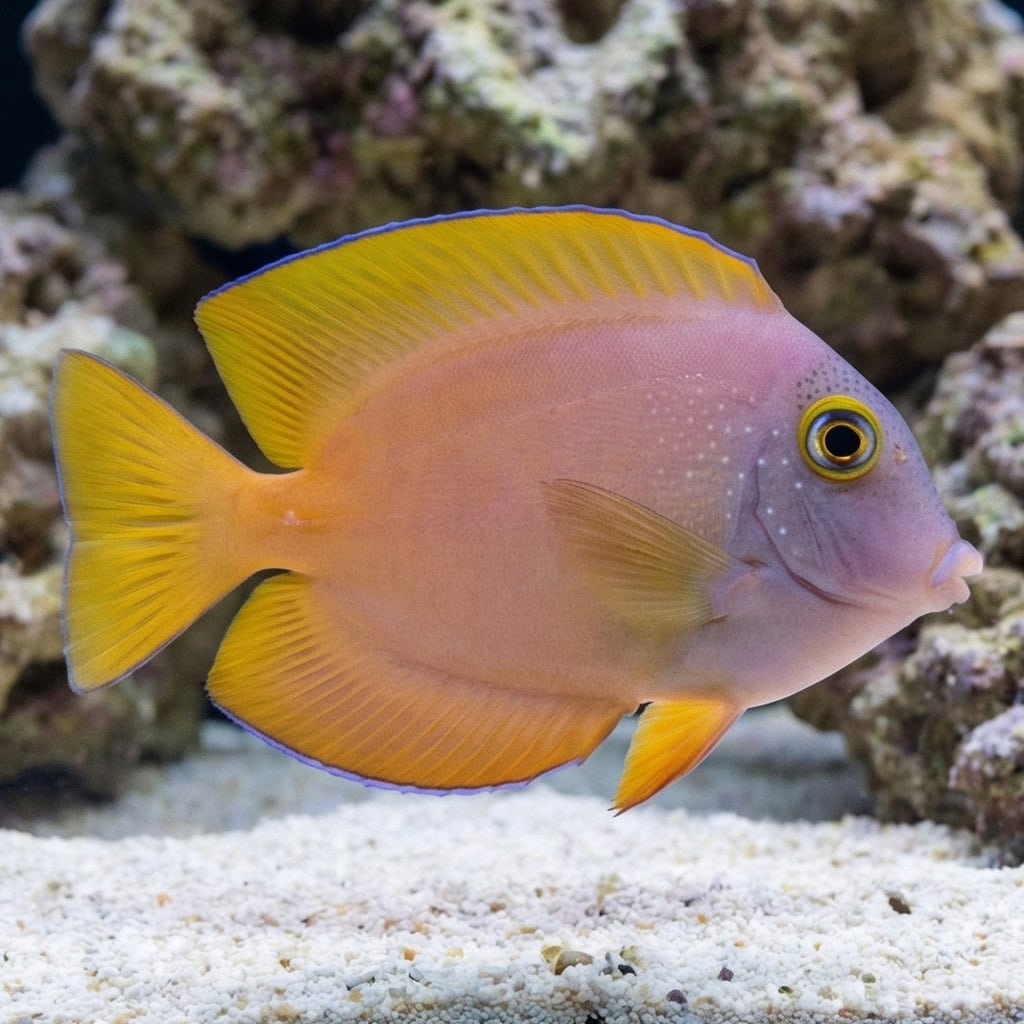
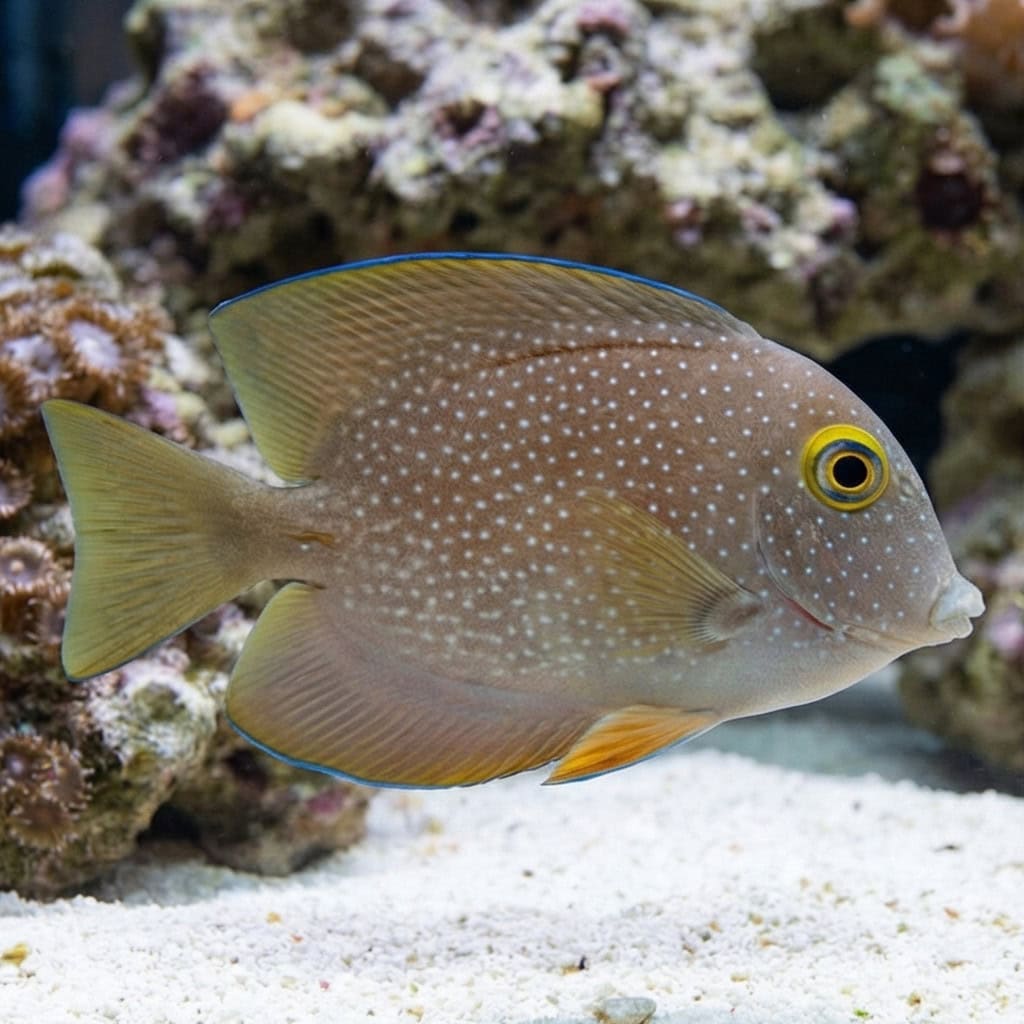
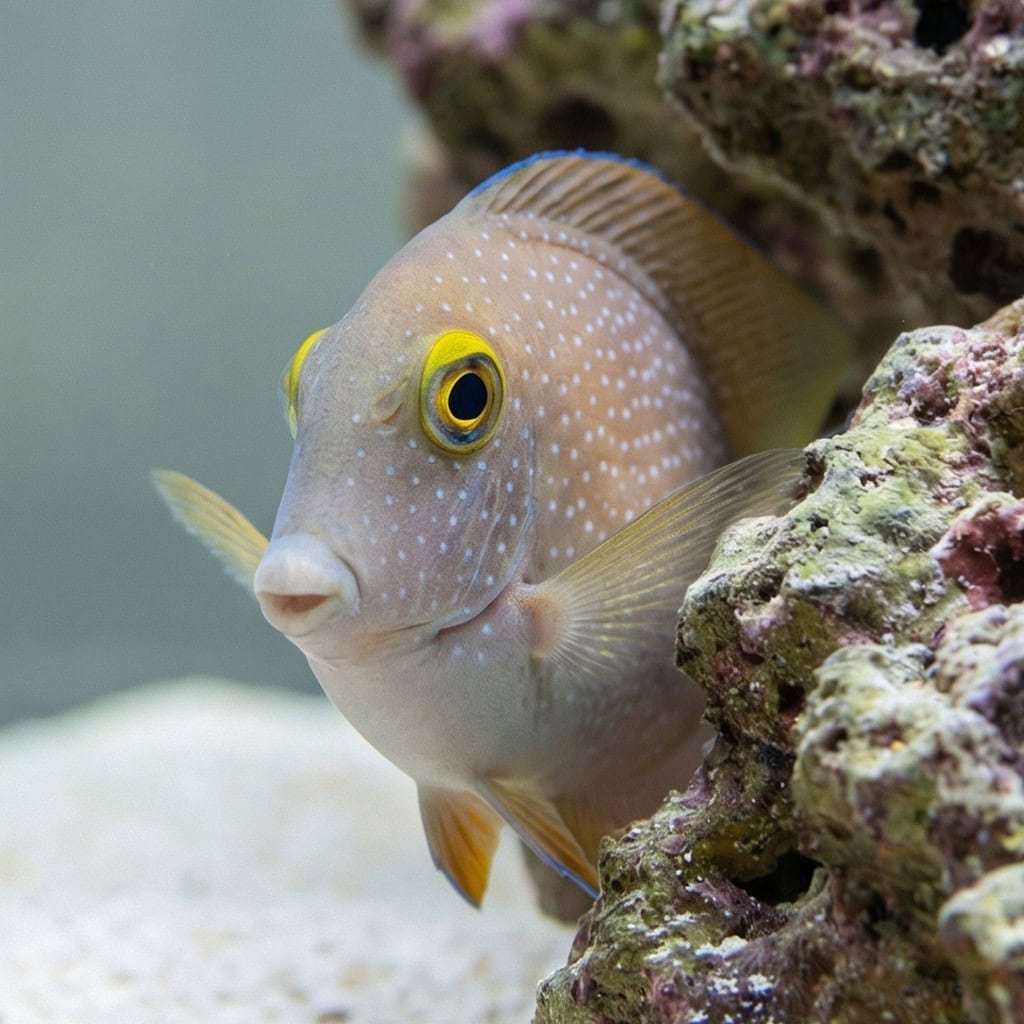
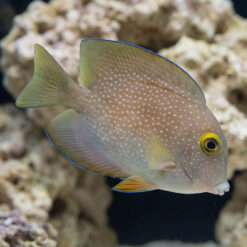
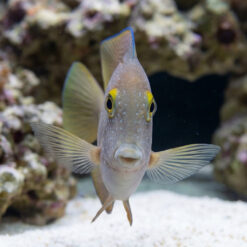
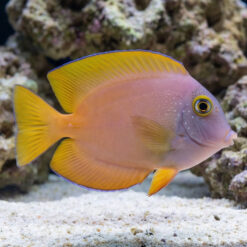
The Gold Ring Bristletooth Tang (Ctenochaetus truncatus) is a bristletooth tang that helps with detritus cleanup by scraping film algae, diatoms, and organics from rockwork and sand. Adults show a yellow eye ring with fine pale spots over an orange-brown body, and juveniles are often bright yellow; this species is found in the Indian Ocean.
What You’ll Observe:
- Steady daytime grazing, making short loops over rock surfaces and along the sand line
- Frequent stop-and-go “inspect and scrape” behavior as it works a route through the aquascape
- Quick dashes into rock branches or crevices, then reappearing to continue grazing
- Strong interest in areas with natural buildup (back wall, overflows, shaded rock faces)
Provide plenty of mature live rock surface area and a sand substrate so it can graze throughout the day. Offer dried seaweed on a clip several times per week along with spirulina-based foods and small frozen items to round out its diet. If adding it to a tank with established tangs, using an acclimation box or partition helps introductions go smoothly.
How can I tell a Gold Ring Bristletooth Tang apart from other bristletooth tangs?
Keepers commonly compare spot vs stripe patterns and face coloration; this species is often described as having small spots across the body rather than strong striping.
Is it normal for this tang to “disappear” into the rockwork at first?
Many hobbyists report an early routine of darting into cover and reappearing once it learns the tank’s layout and feeding schedule.
What introduction tricks do hobbyists use besides an acclimation box?
A frequently mentioned method is placing a mirror on the glass for a short period so established tangs focus on their reflection while the new fish settles in.
Why does it keep pecking at rocks even right after it eats?
Bristletooth tangs are constant grazers by nature, so ongoing scraping and sifting behavior is a normal part of how they feed throughout the day.
If it starts acting territorial later, what do hobbyists try first?
Common first steps include temporarily re-using a mirror, slightly changing the rockscape to reset “routes,” and giving new additions a protected introduction period.
Each fish is checked for strong appetite and activity before we approve it for your tank.
Recently viewed products