
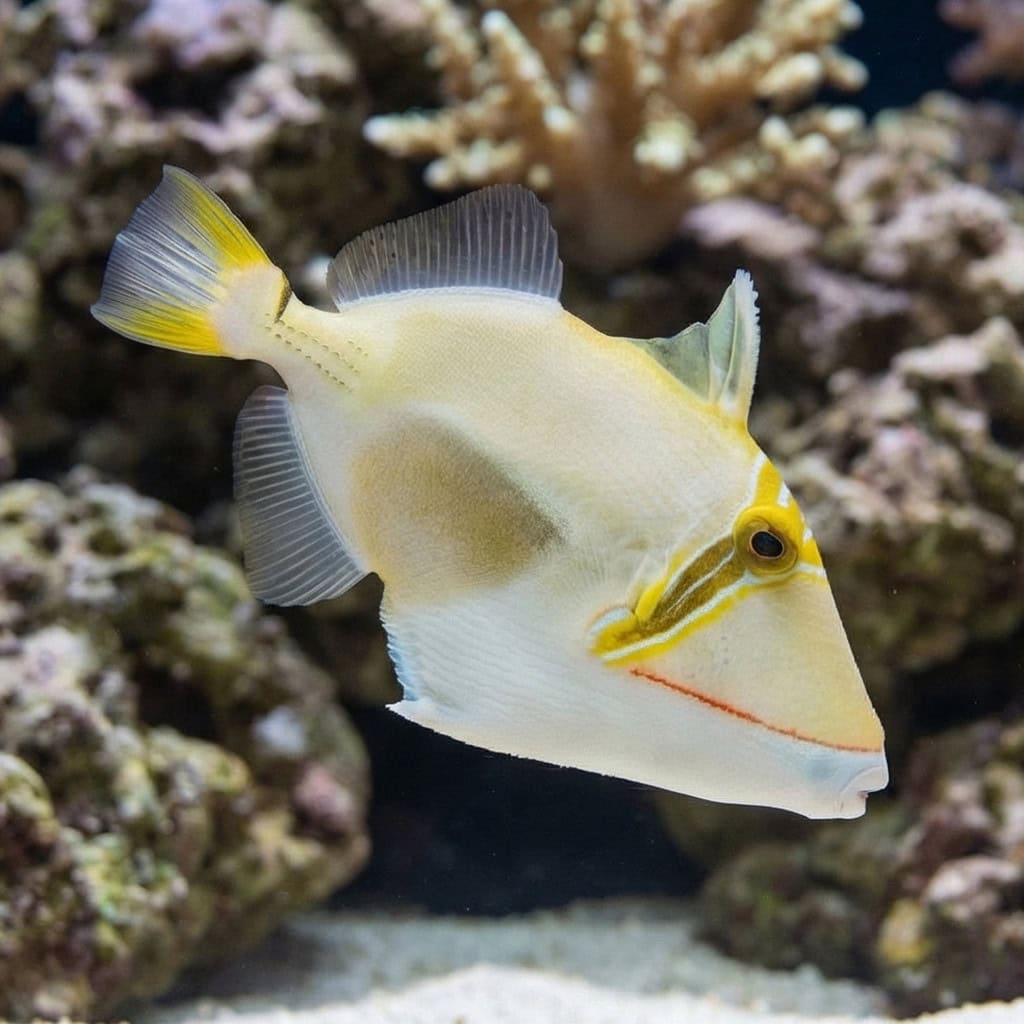
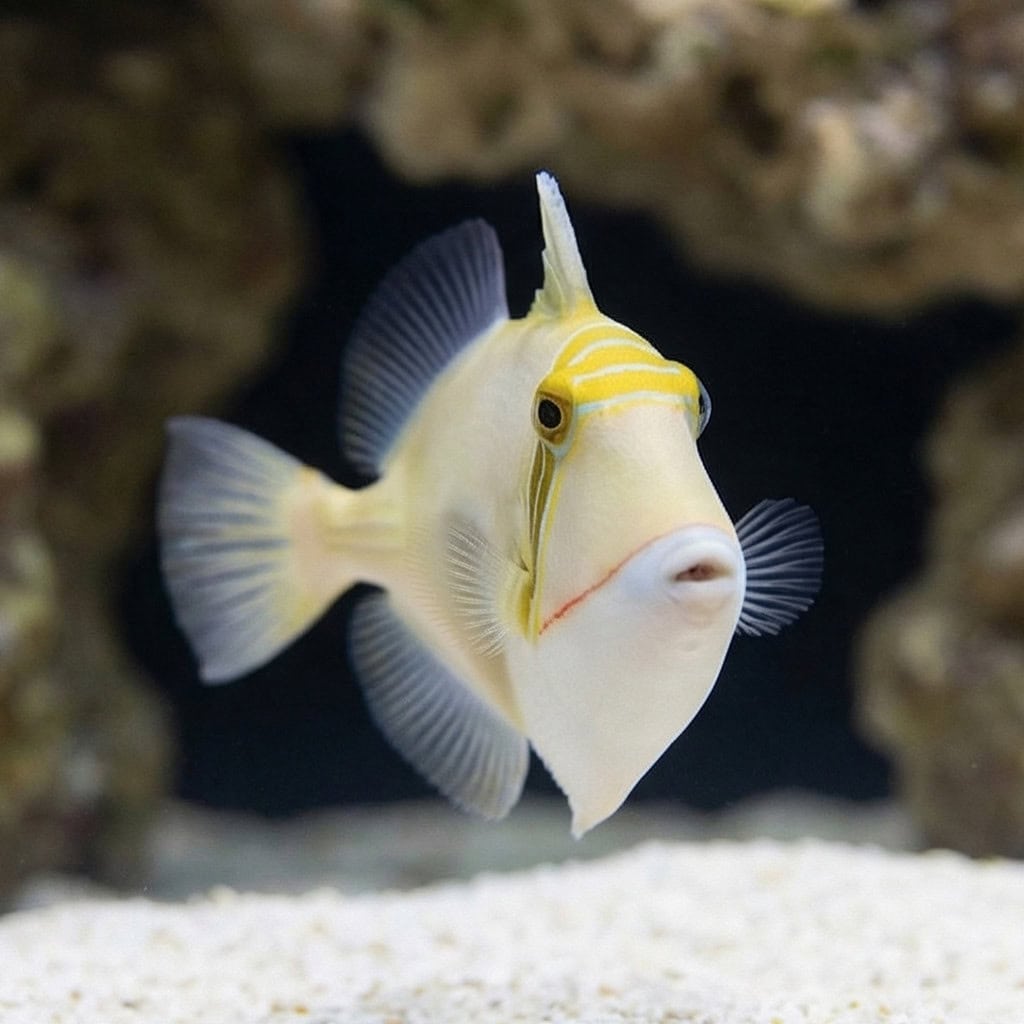
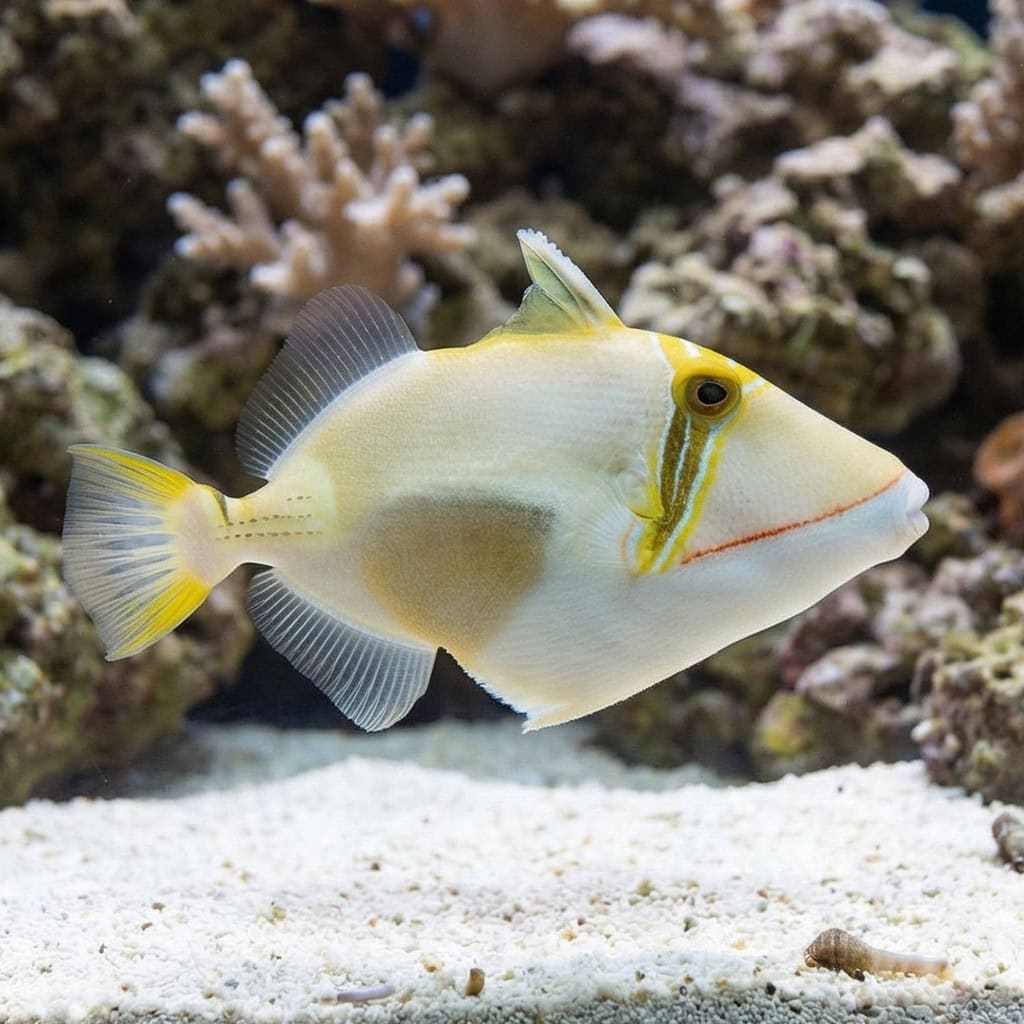
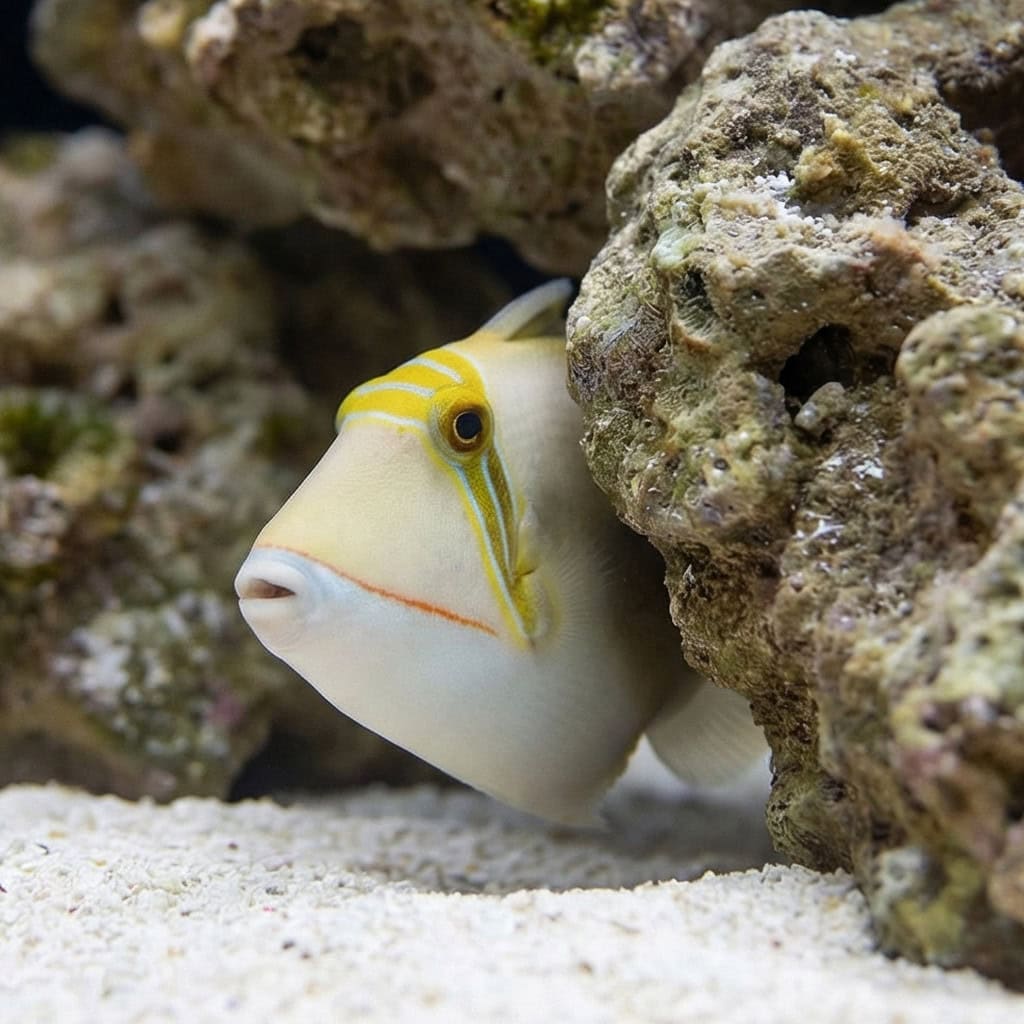
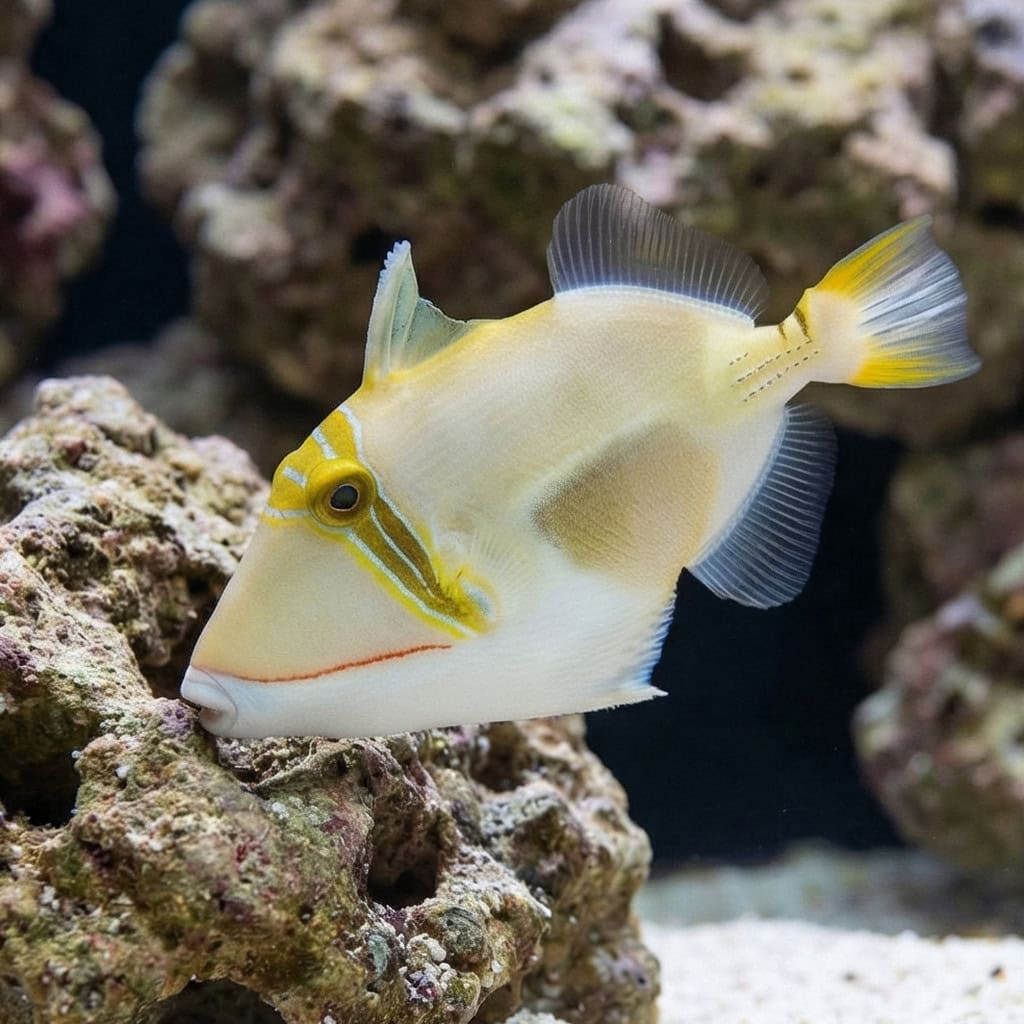
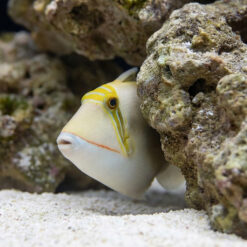
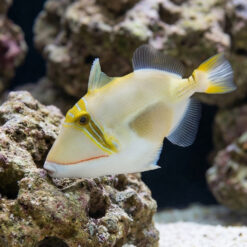
Bursa Trigger
Rhinecanthus verrucosus
| Stock | Variations | Price | Quantity | |
|---|---|---|---|---|
| Out of Stock | 2.25" or smaller - Indo-Pacific | Original price was: $68.99.$36.99Current price is: $36.99. | Email me | |
| Out of Stock | 2.25 - 3.5" - Indo-Pacific | Original price was: $97.99.$51.99Current price is: $51.99. | Email me |
Every order ships with our standard 3-hour live arrival guarantee. Need more time? Add our 5-Day Guarantee at checkout.
Full guarantee terms →Ships Monday – Thursday for next-day arrival at your nearest FedEx Hold location — typically ready by 9 AM. We monitor every delivery.
Shipping details →
Monday – Friday 8 AM – 9 PM
Saturday 12 PM – 4 PM
Sunday 12 PM – 9 PM
Healthy, stable animals from vetted suppliers — inspected before packing, shipped overnight. Decades of experience built this model so we can deliver premium livestock at 30%+ less than you'd pay elsewhere.
| Care Level | Easy |
|---|---|
| Temperament | Aggressive |
| Reef Safe | No |
| Functional Benefit | Ornamental Only |
| Diet Type | Carnivore |
| Mininum Tank Size | 120 gallons |
| Max Size | 10 inches |
| Temperature | 72–78°F |
| pH Range | 8.1–8.4 |
| Specific Gravity | 1.022–1.025 |
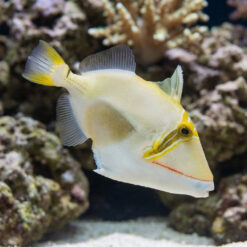
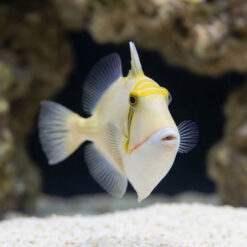
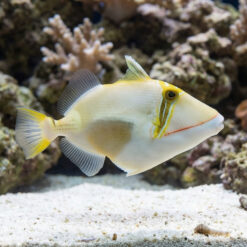
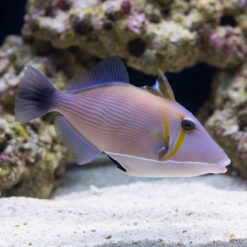
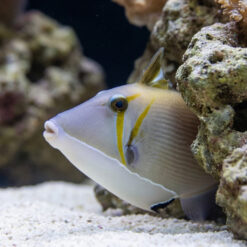
The Bursa Trigger (Rhinecanthus verrucosus), also called the blackbelly or blackpatch triggerfish, is a compact-bodied trigger with blue facial lines and a distinctive dark belly patch. It’s an Indo-Pacific species seen around shallow reef flats and lagoons, and it becomes a bold “centerpiece” fish as it matures.
What You’ll Observe:
- Patrols open water, then returns to the rockwork to investigate crevices and ledges between swims.
- Learns feeding routines quickly and comes out with purpose when food hits the water.
- Crunches and tears at meaty foods, using strong jaws built for hard, chewy items.
- Often settles into a favorite “home base” in the aquascape, especially during the first weeks.
For best results, give your Bursa Trigger secure rockwork with a few cave-like retreats plus open swimming lanes. Offer a varied menu of marine meaty foods, and rotate in tougher textures (like shell-on items) to support natural feeding behavior. A consistent feeding spot and schedule helps it settle in and stay engaged with your tank.
Is it normal for a new Bursa Trigger to hide when I walk up to the tank?
Yes—many keepers report a short “settling in” phase where it retreats when approached, then gets bolder as it learns your routine.
Why do some triggers bite or tug at frag plugs, epoxy, or fresh glue?
Hobbyists often describe Rhinecanthus triggers as persistent “tasters” that investigate new textures, especially right after you mount corals. Letting adhesives fully cure and placing frags more securely can reduce repeat attention.
Will it rearrange sand or move small rocks while it explores?
It’s common for triggerfish to shift small items as they probe the aquascape and hunt for bits of food in the rockwork. Many aquarists simply plan the layout so the “movable” pieces aren’t critical.
How fast do Rhinecanthus triggers grow in home aquariums?
Keepers frequently note they can spend long stretches in the mid-size range and then put on size in spurts, especially once fully settled into a steady feeding pattern.
What’s the safest way to feed one without encouraging hand-biting?
A feeding stick or tongs keeps interactions consistent and helps the fish target the food instead of your fingers—especially once it starts meeting you at the glass at mealtime.
We work with trusted suppliers who keep our specimens healthy and well-fed before shipping.
Only logged in customers who have purchased this product may leave a review.
Recently viewed products
Reviews
There are no reviews yet.