
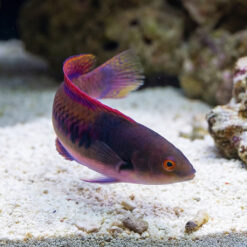
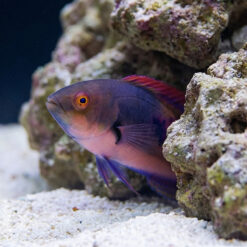
Blue Sided Fairy Wrasse
Cirrhilabrus cyanopleura
| Stock | Variations | Price | Quantity | |
|---|---|---|---|---|
| Out of Stock | 2" or smaller - Indo-Pacific | Original price was: $79.99.$41.99Current price is: $41.99. | Email me | |
| Out of Stock | 2 - 3" - Indo-Pacific | Original price was: $84.99.$44.99Current price is: $44.99. | Email me |
Every order ships with our standard 3-hour live arrival guarantee. Need more time? Add our 5-Day Guarantee at checkout.
Full guarantee terms →Ships Monday – Thursday for next-day arrival at your nearest FedEx Hold location — typically ready by 9 AM. We monitor every delivery.
Shipping details →
Monday – Friday 8 AM – 9 PM
Saturday 12 PM – 4 PM
Sunday 12 PM – 9 PM
Healthy, stable animals from vetted suppliers — inspected before packing, shipped overnight. Decades of experience built this model so we can deliver premium livestock at 30%+ less than you'd pay elsewhere.
| Care Level | Moderate |
|---|---|
| Temperament | Peaceful |
| Reef Safe | Yes |
| Functional Benefit | Ornamental Only |
| Diet Type | Planktivore |
| Mininum Tank Size | 90 gallons |
| Max Size | 6 inches |
| Temperature | 72–78°F |
| pH Range | 8.1–8.4 |
| Specific Gravity | 1.022–1.025 |
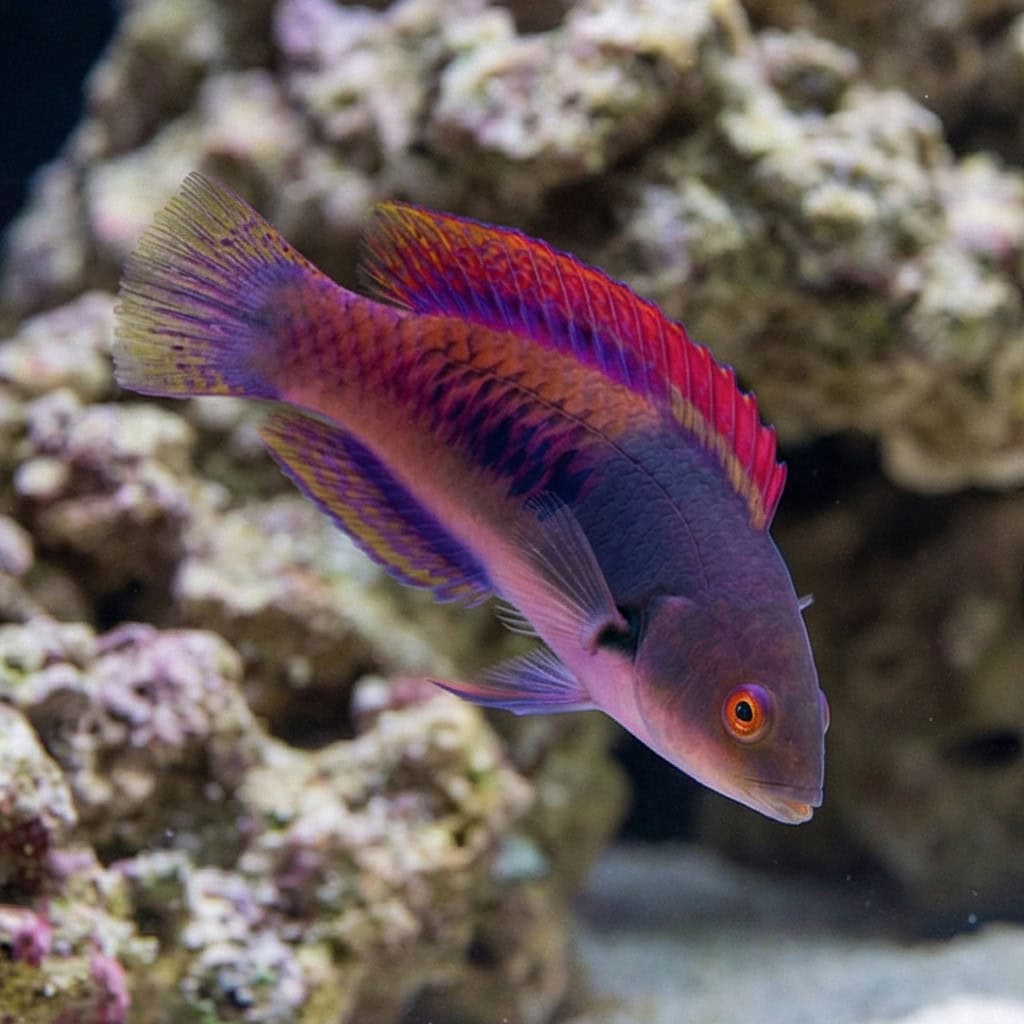
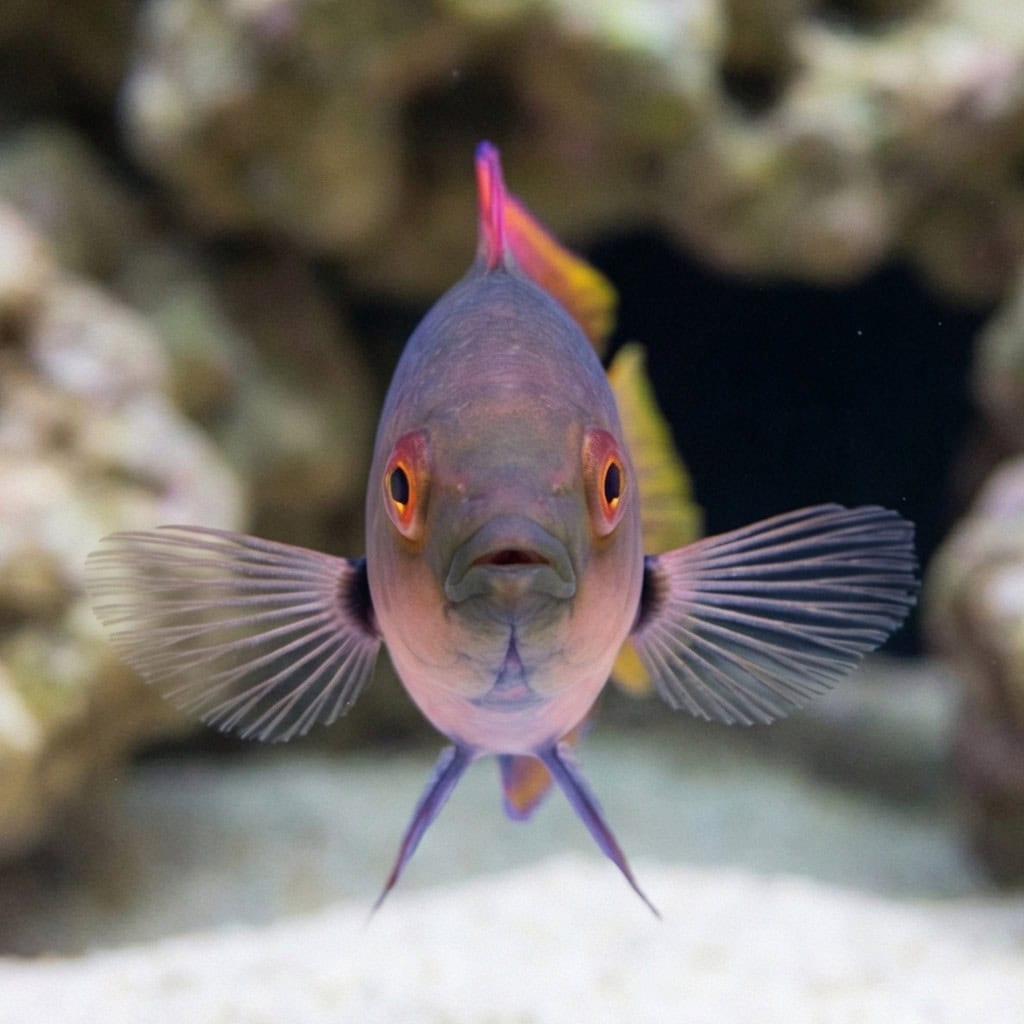
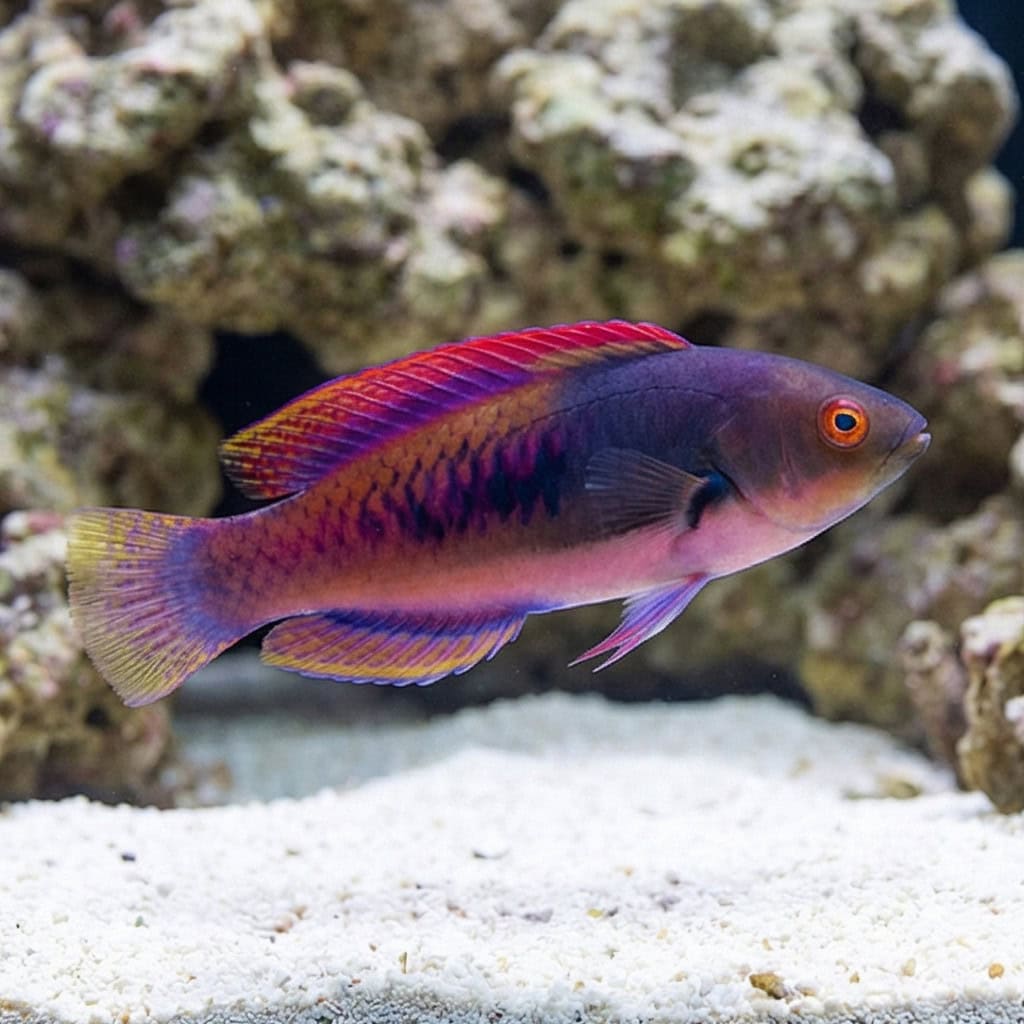
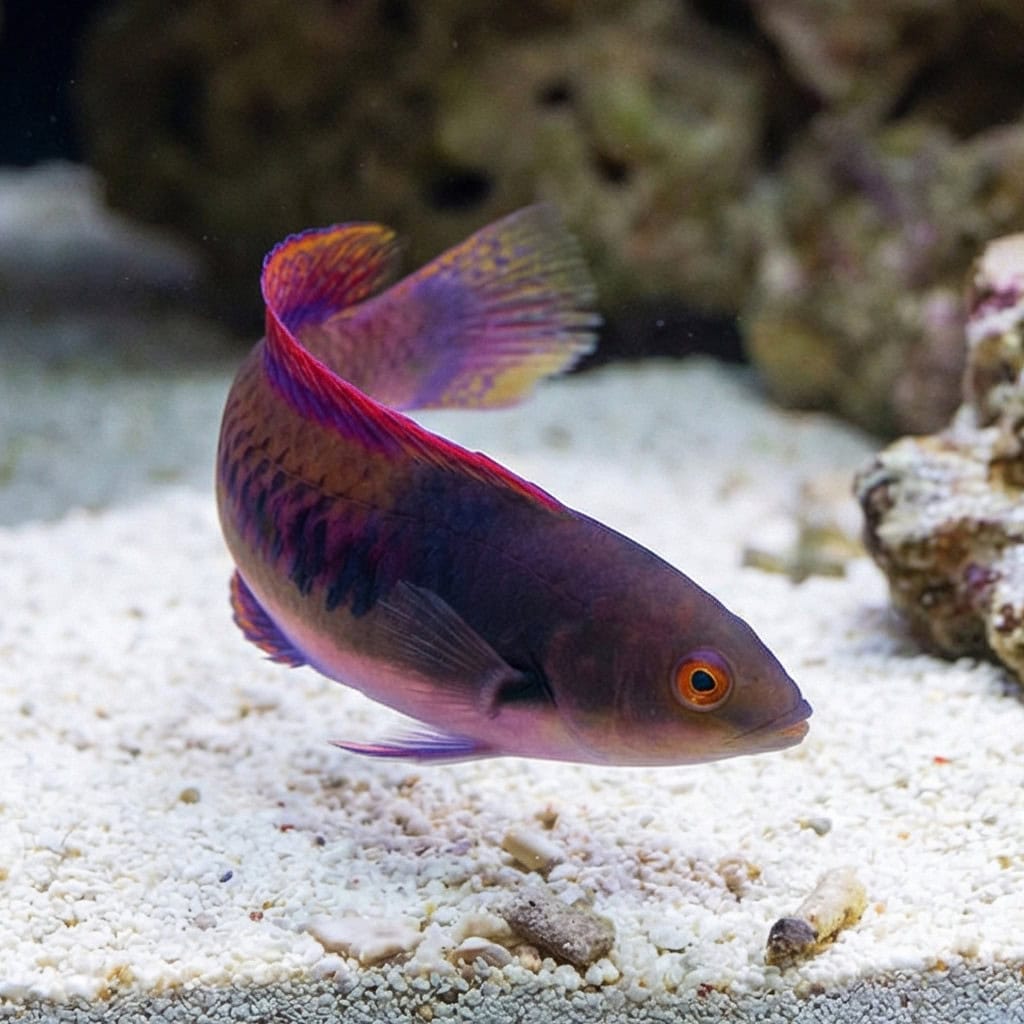
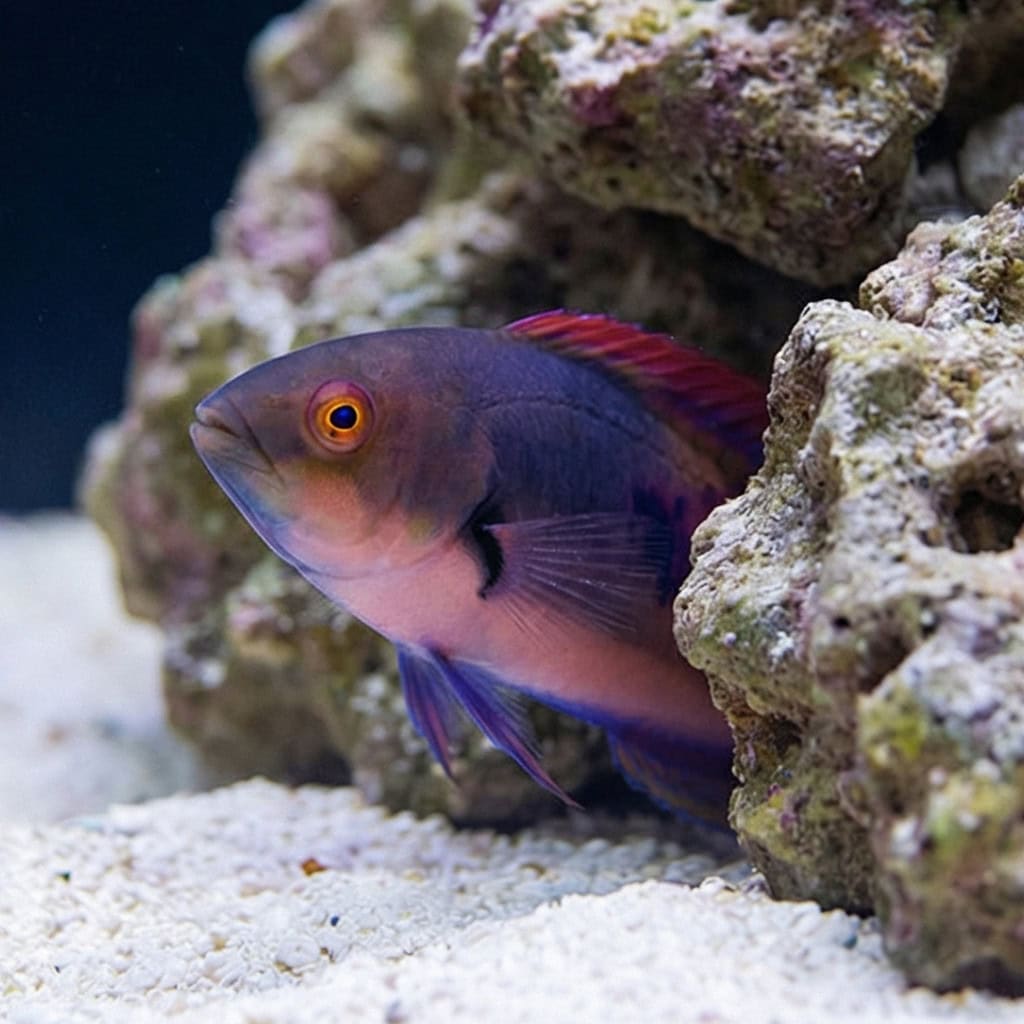
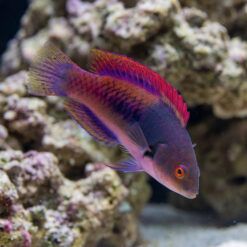
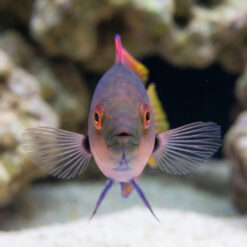
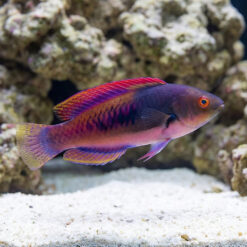
The Blue Sided Fairy Wrasse (Cirrhilabrus cyanopleura) is an active, open-water fairy wrasse from Indo-Pacific reefs, often seen swimming above the bottom in groups.
Males commonly show a darker blue-toned rear body with warmer yellow/orange tones and fine patterning across the scales and fins.
What You’ll Observe:
- Cruising the middle and upper rockwork edges, then looping back through open swim lanes
- Quick “flashes” of brighter color and fin-flares during social moments, especially around other wrasses
- Darting out for food and spending the rest of the day on steady patrol routes
- Settling into the rockwork at night to sleep (often tucked into a crevice)
Provide an established reef with plenty of live rock caves plus open space to swim, and keep a tight-fitting lid so it stays in the aquarium. Offer small meaty foods (fine frozen blends, mysis, and quality pellets) a few times per day to match its natural zooplankton-feeding style.
Why does this wrasse look different from other “blue sided” photos online?
Color and pattern can shift with mood, lighting, size, and whether the fish is female/initial-phase or male/terminal-phase, so two specimens may not look identical.
Does it sleep in the sand like some other wrasses?
Most fairy wrasses sleep by wedging into rock crevices, and some keepers report a light mucus “cocoon” at night rather than sand-burying.
Can a single female turn into a male over time?
Many fairy wrasses are sex-changing (dominant individuals can transition), so a lone female may gradually develop more male-type coloration and behavior in a stable setup.
Is “flashing” (rapid color change and fin display) normal?
Yes—brief displays are commonly reported during excitement, feeding time, or when interacting with similar-shaped fish.
What’s the smoothest way to add it when you already keep other fairy/flasher wrasses?
Keepers often use an acclimation/social box for several days so existing wrasses can see the newcomer without constant chasing, then release after everyone is eating normally.
Shipped with pure oxygen and temperature control so it arrives stress-free and ready to eat.
Recently viewed products