
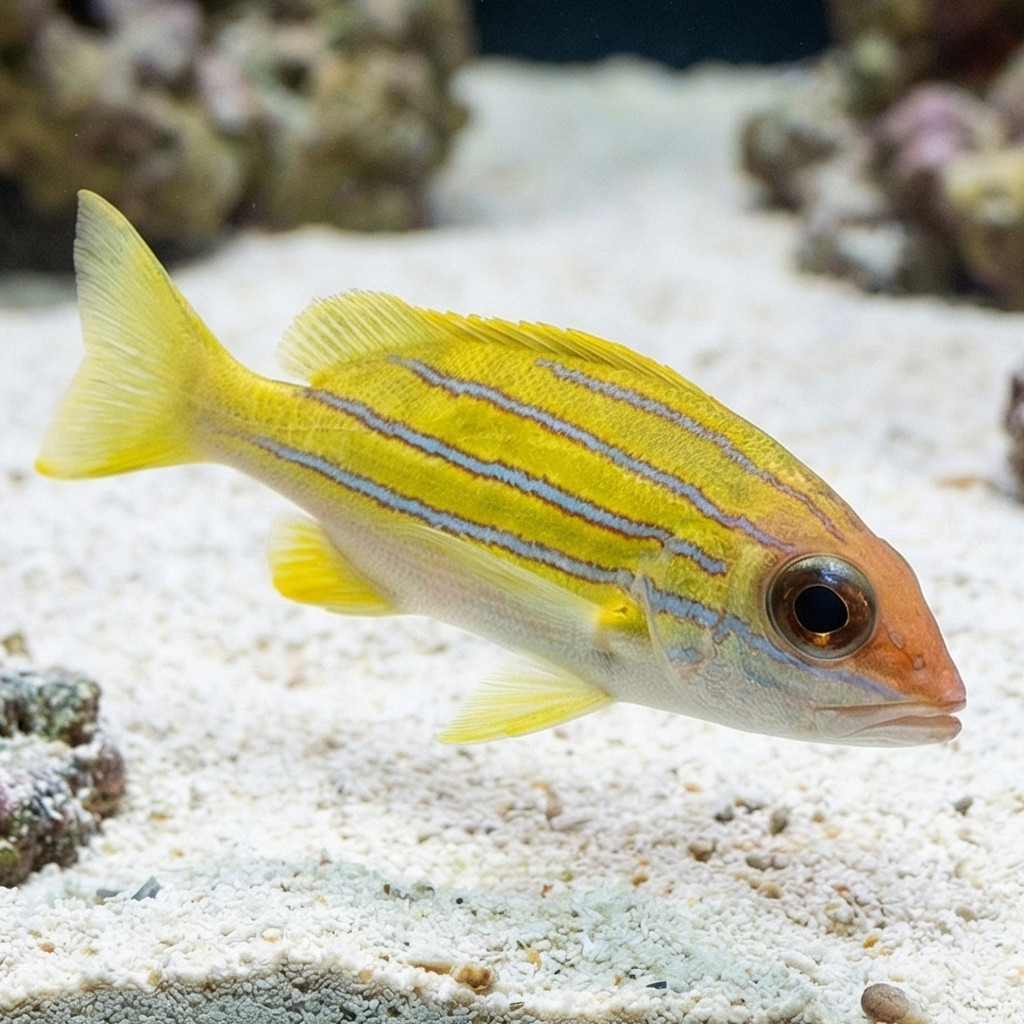
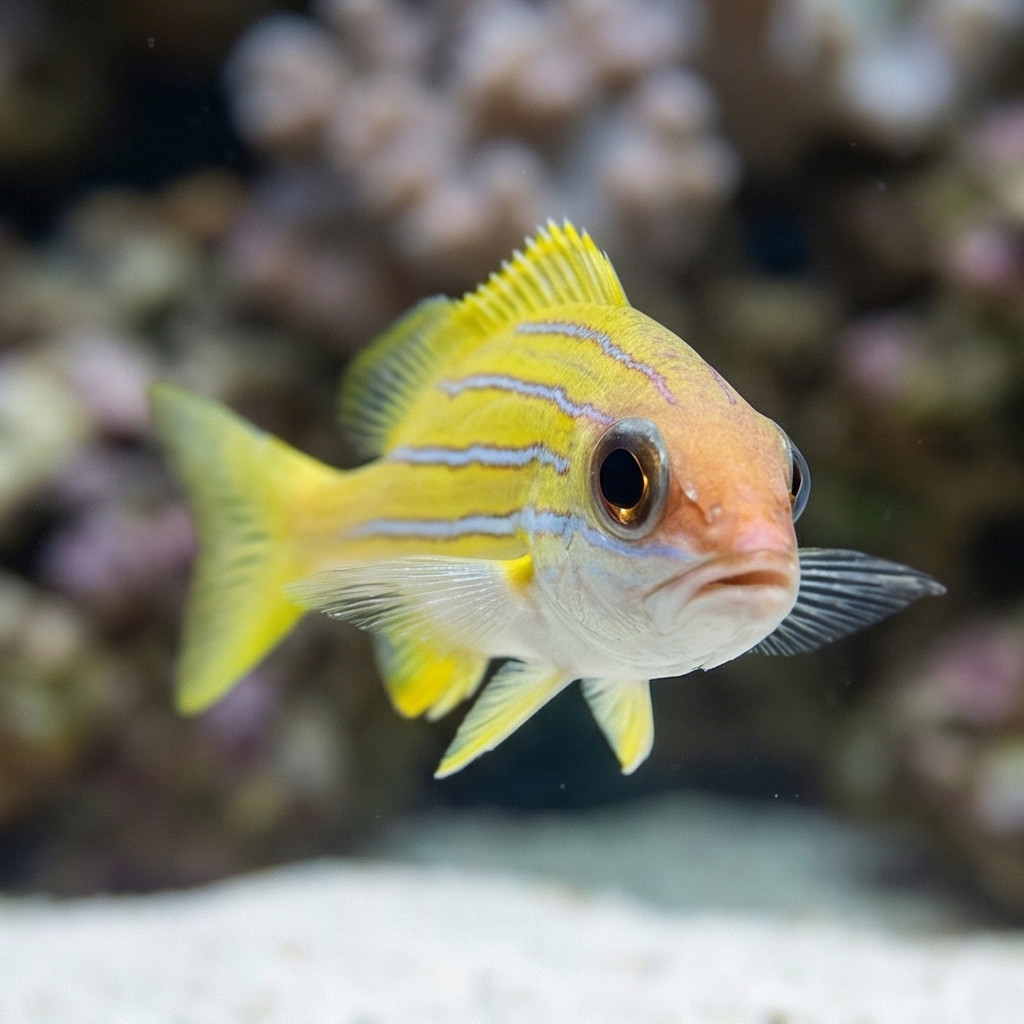
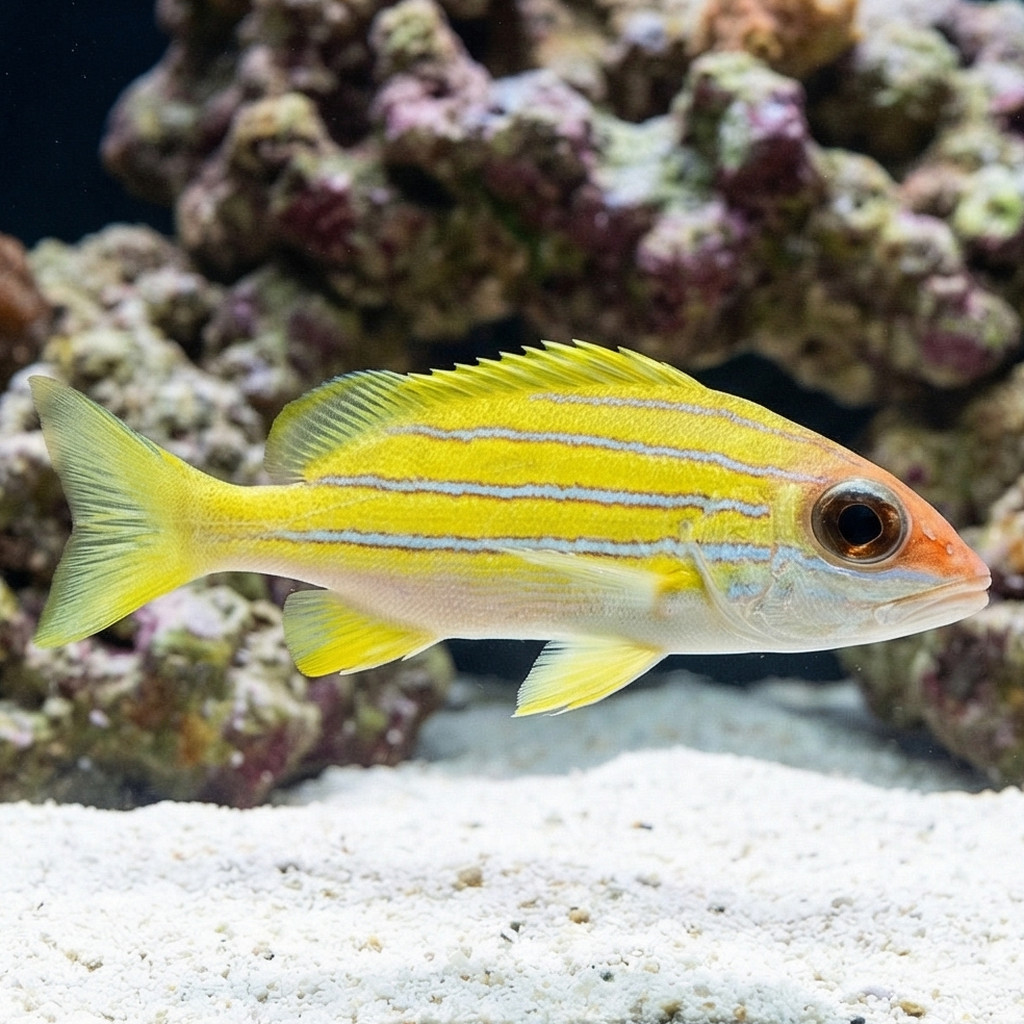
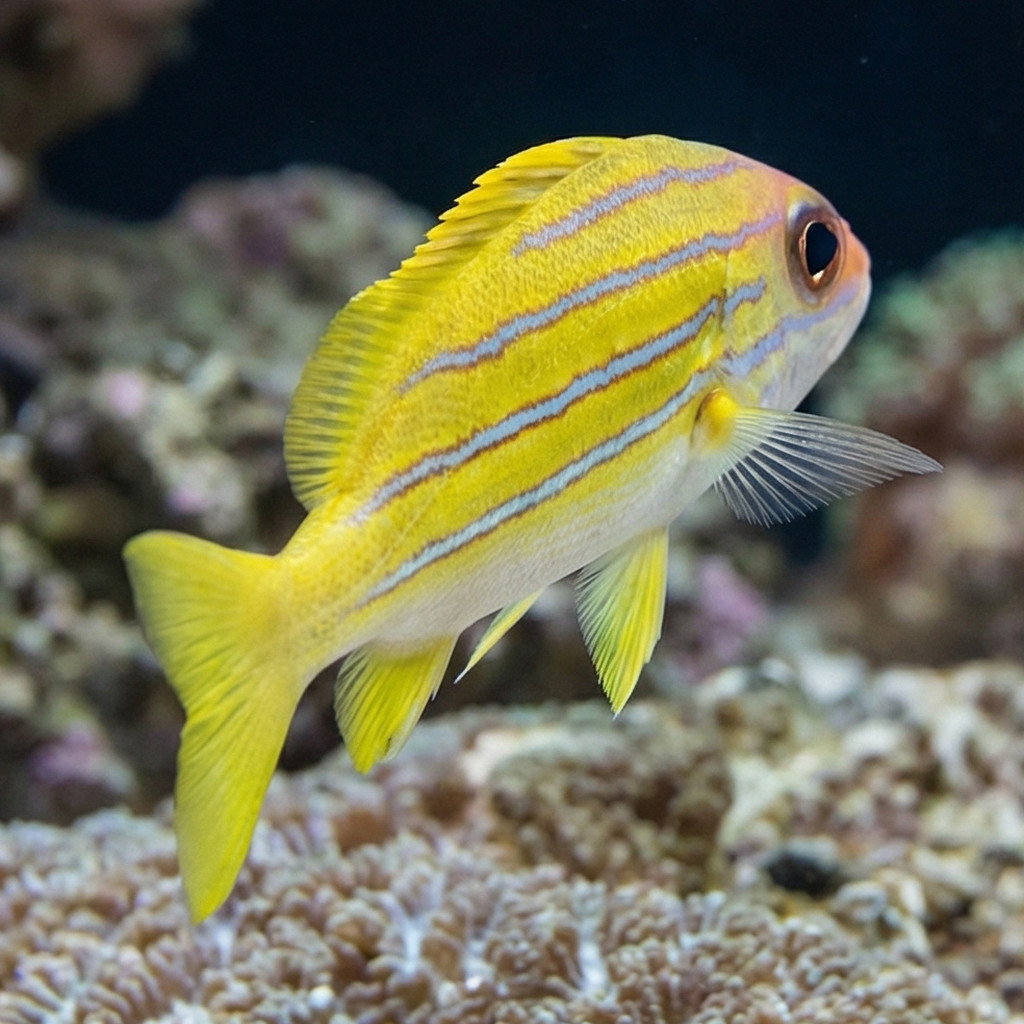
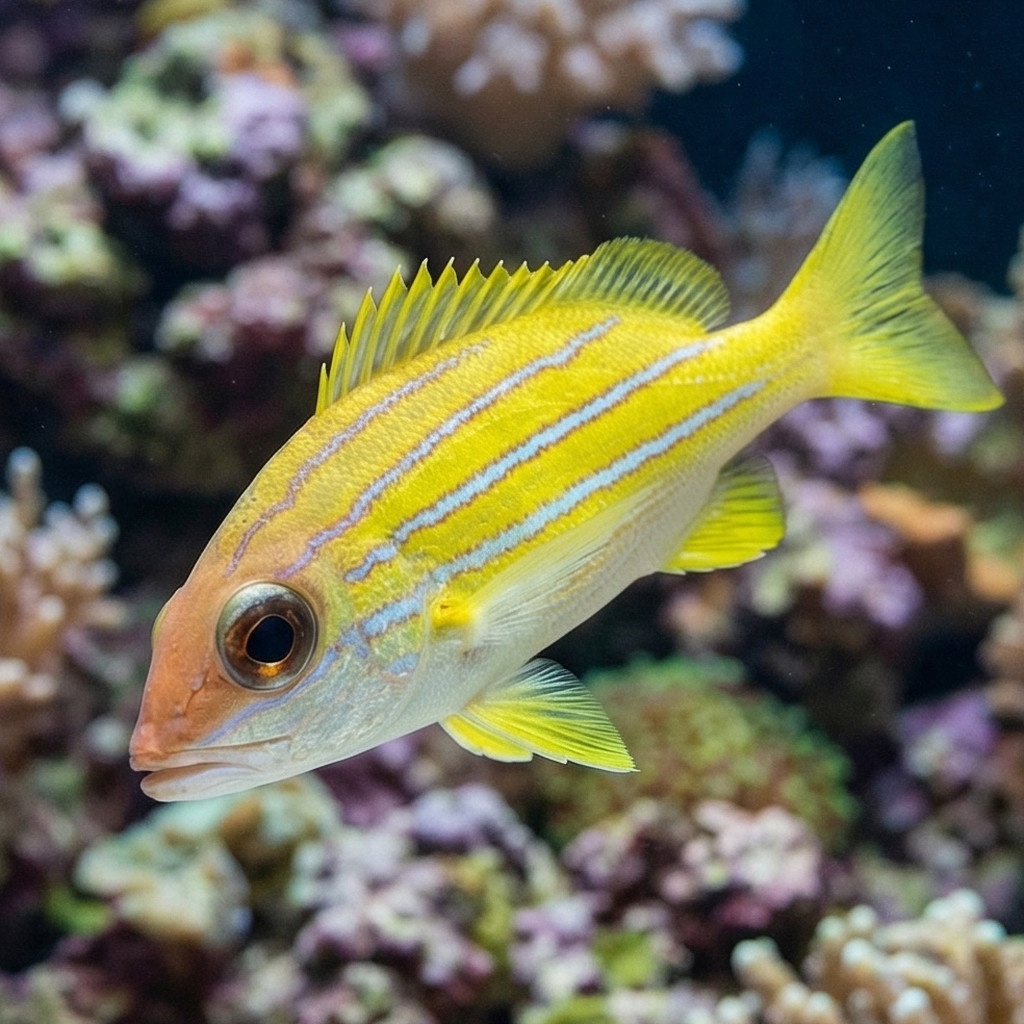
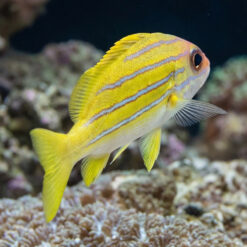
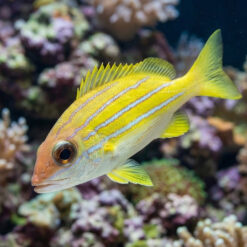
Bluestripe Snapper
Lutjanus kasmira
| Stock | Variations | Price | Quantity | |
|---|---|---|---|---|
| Out of Stock | 3.5 - 4.75" - Indo-Pacific | Original price was: $128.99.$67.99Current price is: $67.99. | Email me |
Every order ships with our standard 3-hour live arrival guarantee. Need more time? Add our 5-Day Guarantee at checkout.
Full guarantee terms →Ships Monday – Thursday for next-day arrival at your nearest FedEx Hold location — typically ready by 9 AM. We monitor every delivery.
Shipping details →
Monday – Friday 8 AM – 9 PM
Saturday 12 PM – 4 PM
Sunday 12 PM – 9 PM
Healthy, stable animals from vetted suppliers — inspected before packing, shipped overnight. Decades of experience built this model so we can deliver premium livestock at 30%+ less than you'd pay elsewhere.
| Care Level | Moderate |
|---|---|
| Temperament | Aggressive |
| Reef Safe | With Caution |
| Functional Benefit | Ornamental Only |
| Diet Type | Carnivore |
| Mininum Tank Size | 180 gallons |
| Max Size | 18 inches |
| Temperature | 72–78°F |
| pH Range | 8.1–8.4 |
| Specific Gravity | 1.022–1.025 |
The Bluestripe Snapper (Lutjanus kasmira), also called the bluelined snapper or ta’ape, is a bright yellow snapper marked with four electric-blue horizontal stripes. It’s an open-water cruiser that uses rockwork ledges and caves as “home base,” making it a good fit for large fish-only marine displays where you want constant motion.
What You’ll Observe:
- Steady midwater cruising with quick, direct bursts when food hits the water
- Frequent looping paths along the front glass once it learns your feeding routine
- Short “check-in” stops near a preferred cave or crevice between laps
- Confident feeding behavior that often pulls other fish into the open
Provide wide swimming lanes plus a few deep rock crevices so it can settle in and patrol comfortably. Offer a varied menu of marine meaty foods (chopped shrimp, mysis, and similar items) on a consistent schedule to keep feeding behavior predictable. It does best with robust tankmates that won’t be intimidated at mealtime.
Will it school like it does in the ocean?
In most home aquariums it’s kept singly, and it behaves more like a roaming “patrol fish.” In very large systems, multiple individuals introduced at the same time are more likely to settle into a calmer group dynamic.
Should I add it early or late in a community build?
Hobbyists commonly have the best results adding it after more passive fish are already established. That way, the snapper’s confident feeding presence doesn’t set the tone for the whole tank.
Why does its yellow-and-blue color sometimes look less intense?
Keepers often report color shifting with lighting, stress, and settling-in time. Stable conditions and a consistent, varied diet usually bring the sharper contrast back over time.
How do I feed it without it taking everything first?
Many aquarists use split-feeding: one side of the tank gets a small “distractor” portion while slower fish are target-fed on the other side. Feeding smaller portions more than once can also make the whole tank feel less frantic.
Does it use caves even though it’s always swimming?
Yes—owners frequently notice it chooses a specific crevice as a retreat point. Having a few clear “rest stops” in the rockwork helps it act bolder in the open.
Shipped with pure oxygen and temperature control so it arrives stress-free and ready to eat.
Recently viewed products