
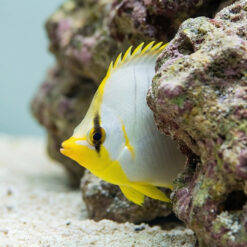
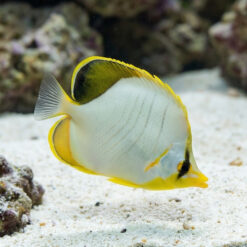
Yellowhead Butterfly
Chaetodon xanthocephalus
Original price was: $269.99.$141.99Current price is: $141.99.
| Stock | Variations | Price | Quantity | |
|---|---|---|---|---|
| Only 1 left | 2.25 - 3.5" - Indian Ocean | Original price was: $269.99.$141.99Current price is: $141.99. |
-
+
|
Every order ships with our standard 3-hour live arrival guarantee. Need more time? Add our 5-Day Guarantee at checkout.
Full guarantee terms →Ships Monday – Thursday for next-day arrival at your nearest FedEx Hold location — typically ready by 9 AM. We monitor every delivery.
Shipping details →
Monday – Friday 8 AM – 9 PM
Saturday 12 PM – 4 PM
Sunday 12 PM – 9 PM
Healthy, stable animals from vetted suppliers — inspected before packing, shipped overnight. Decades of experience built this model so we can deliver premium livestock at 30%+ less than you'd pay elsewhere.
| Care Level | Expert |
|---|---|
| Temperament | Peaceful |
| Reef Safe | No |
| Functional Benefit | Ornamental Only |
| Diet Type | Omnivore |
| Mininum Tank Size | 120 gallons |
| Max Size | 8 inches |
| Temperature | 74–80°F |
| pH Range | 8.1–8.4 |
| Specific Gravity | 1.022–1.025 |
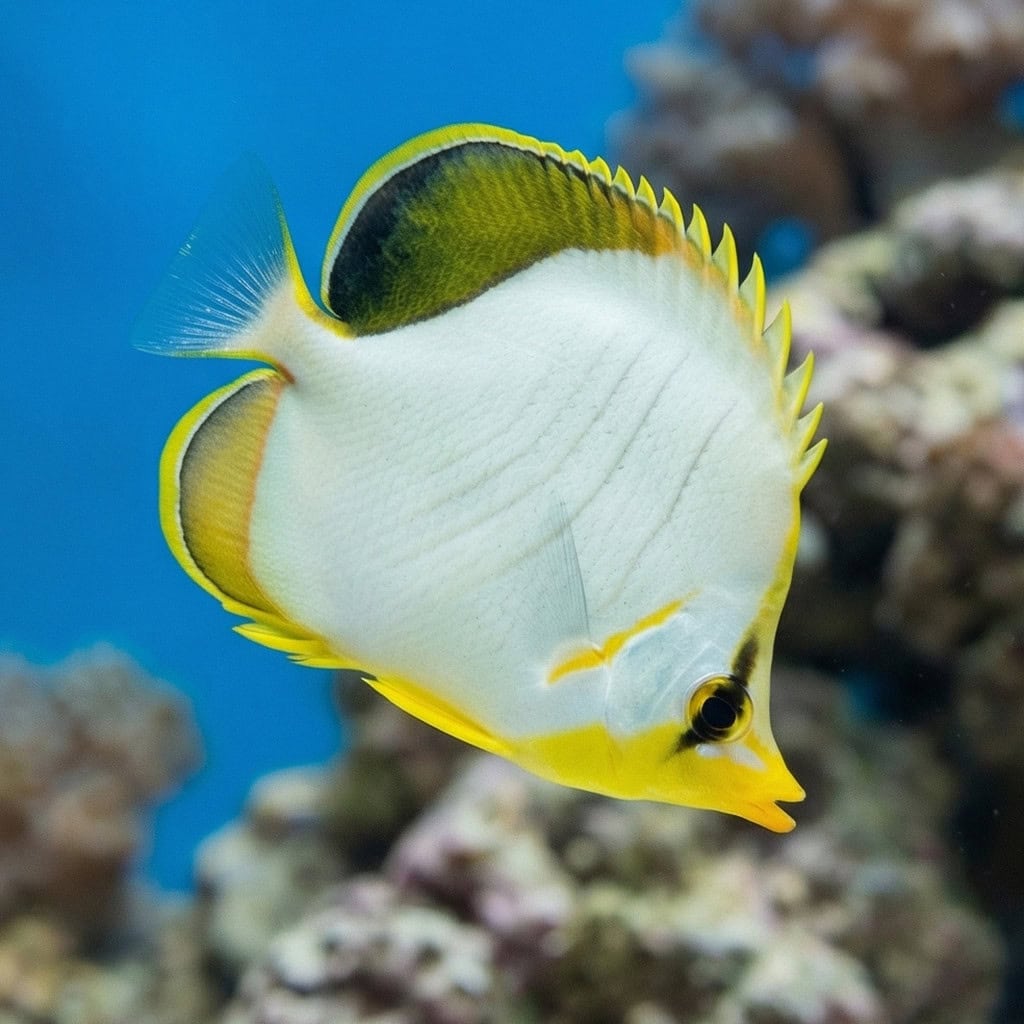
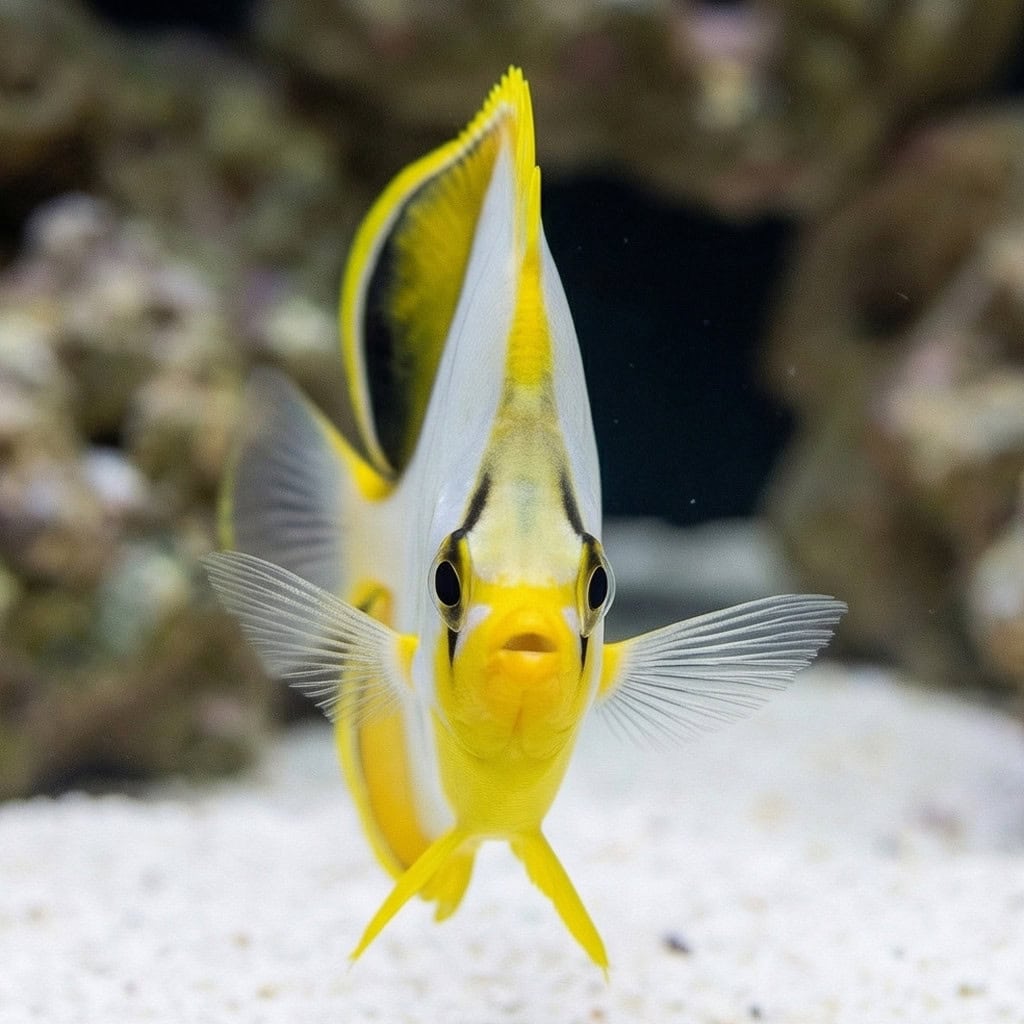
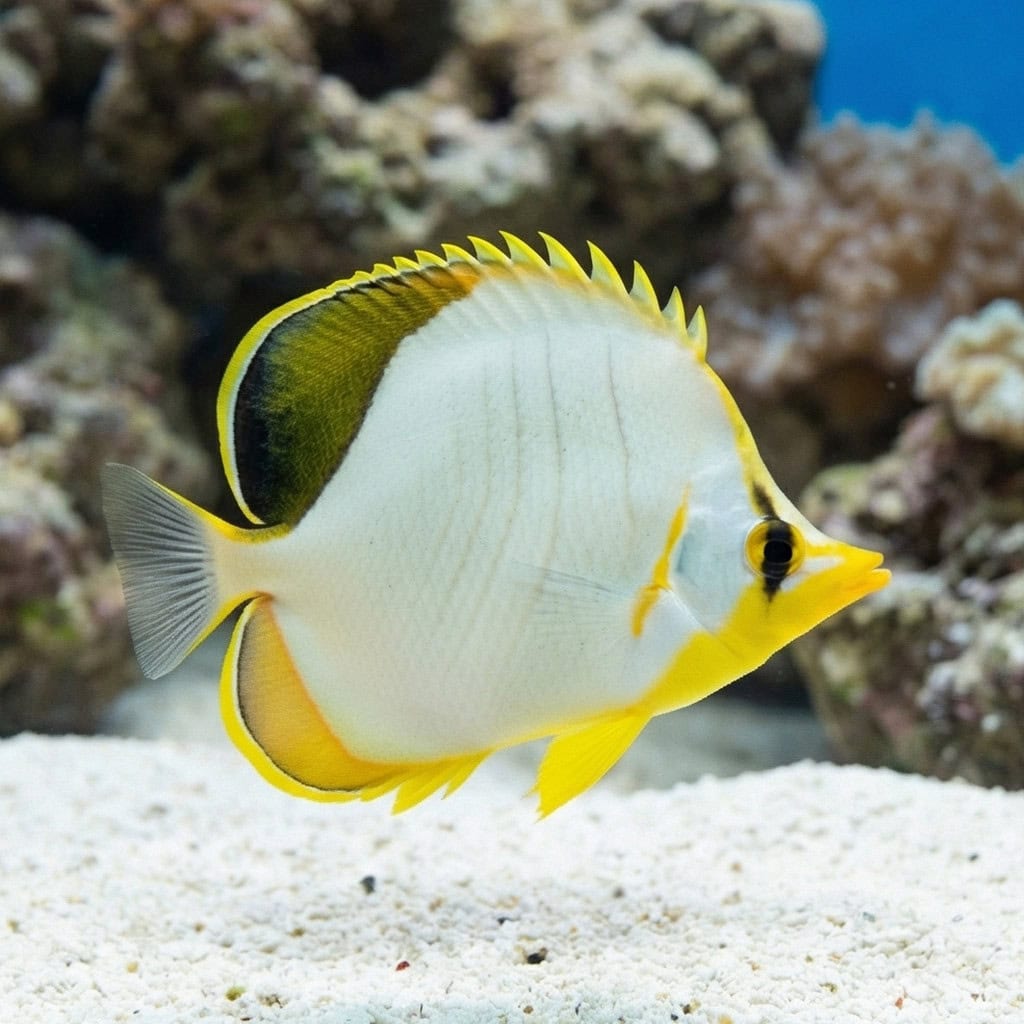
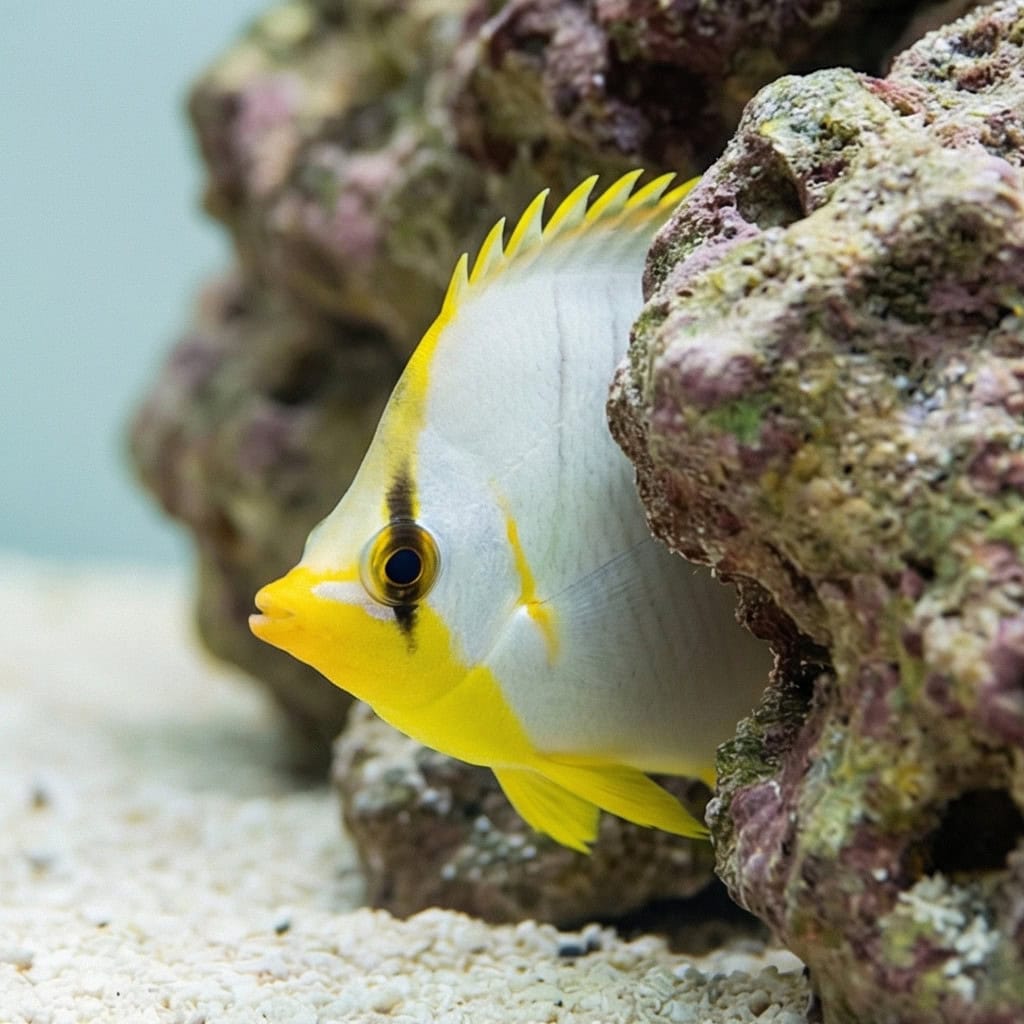
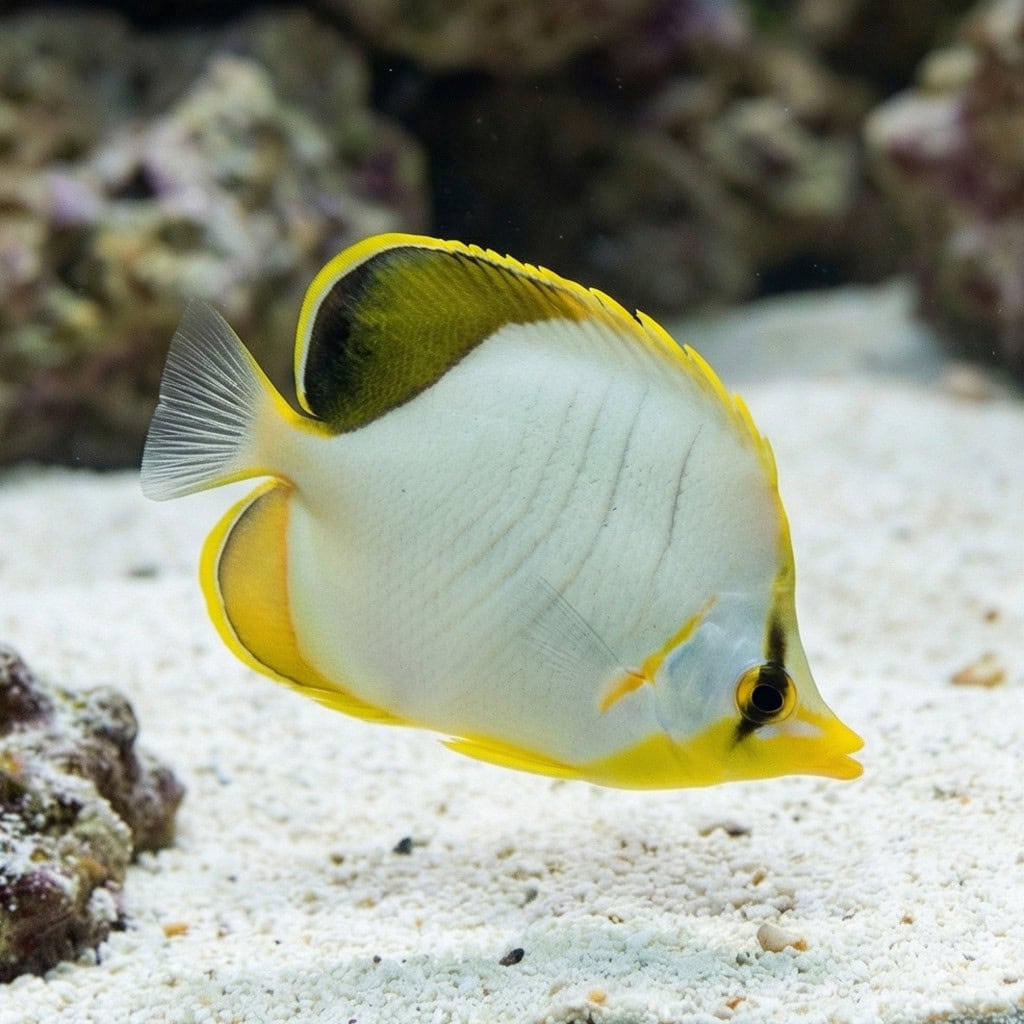
The Yellowhead Butterfly (Chaetodon xanthocephalus) is an Indian Ocean butterflyfish with a yellow face and throat, a pale body marked by subtle chevron lines, and yellow-toned dorsal and anal fins edged with darker trim. It reaches about 8 inches as an adult, giving it a noticeable presence in larger marine aquariums.
What You’ll Observe:
- Cruising open water in steady laps, then turning to inspect rock faces and crevices
- Pausing to hover and “look” into holes before making quick, precise pecks
- Settling into a predictable daily route and learning where food enters the tank
- Becoming most active at feeding time, especially when offered multiple small portions
Provide open swimming room plus rockwork with ledges and overhangs so it can move in and out of cover between laps. Offer a varied menu of chopped seafood and quality frozen preparations, split into 2–3 feedings per day for best consistency. Kept as a single specimen, it typically maintains a stable routine in the display.
How long does it usually take for a new specimen to “settle in” and follow a routine?
Many keepers notice a clear routine within the first 1–2 weeks as it learns the tank’s swim path and feeding locations.
What’s a practical way to get it taking prepared foods reliably?
Offering a mix of finely chopped items (so every bite is easy to swallow) and using the same feeding spot each time helps it lock onto the routine quickly.
Is it normal for one to patrol the glass or pace back and forth at first?
Yes—new arrivals often do repeated “loops” while mapping the tank, then spend more time inspecting rockwork once they recognize shelter and feeding zones.
Do hobbyists have better results adding it before or after other large, active fish?
A common approach is to add it when the tank is calm and feeding is consistent, then introduce other active swimmers later so the butterfly keeps a confident feeding rhythm.
Can two be introduced together without constant sparring?
When people try pairs, introducing both at the same time and providing multiple visual breaks in the aquascape tends to produce the most stable cohabitation.
Each fish is checked for strong appetite and activity before we approve it for your tank.
Recently viewed products