
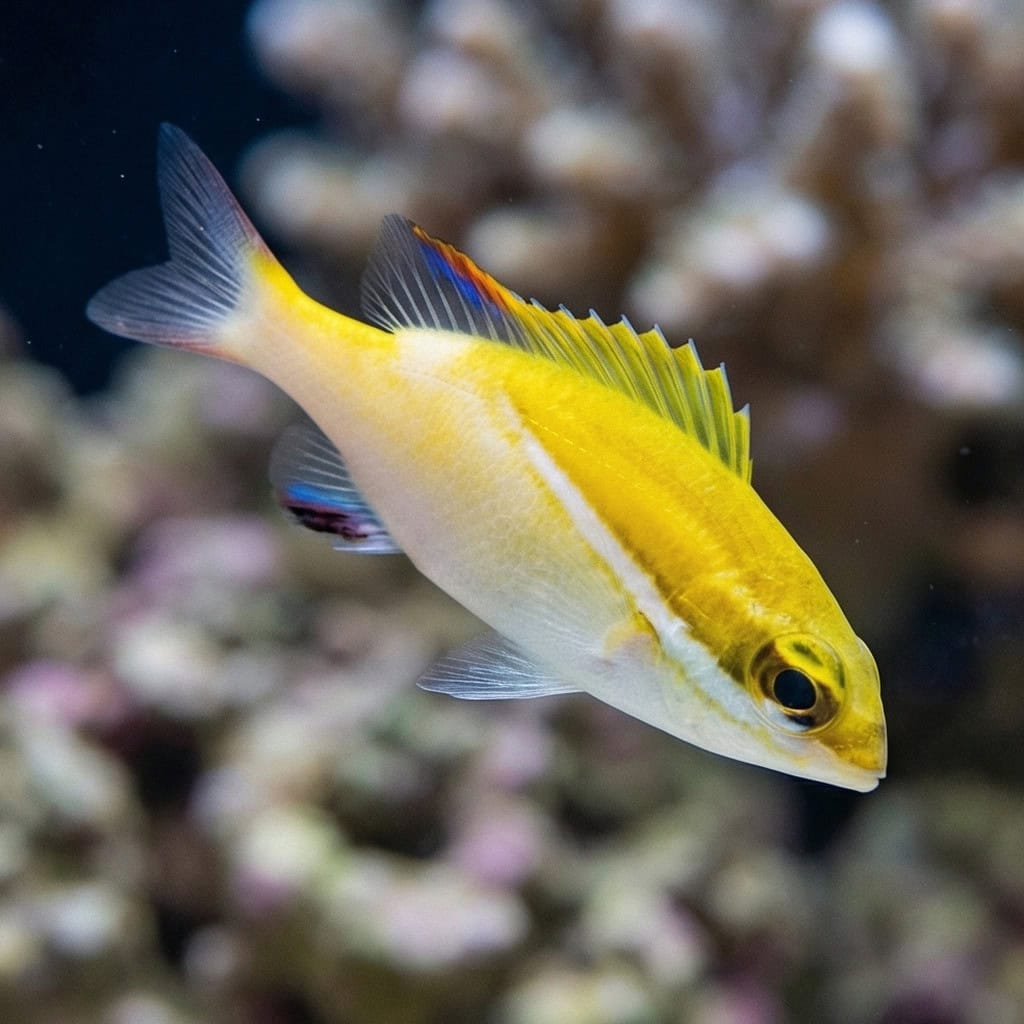
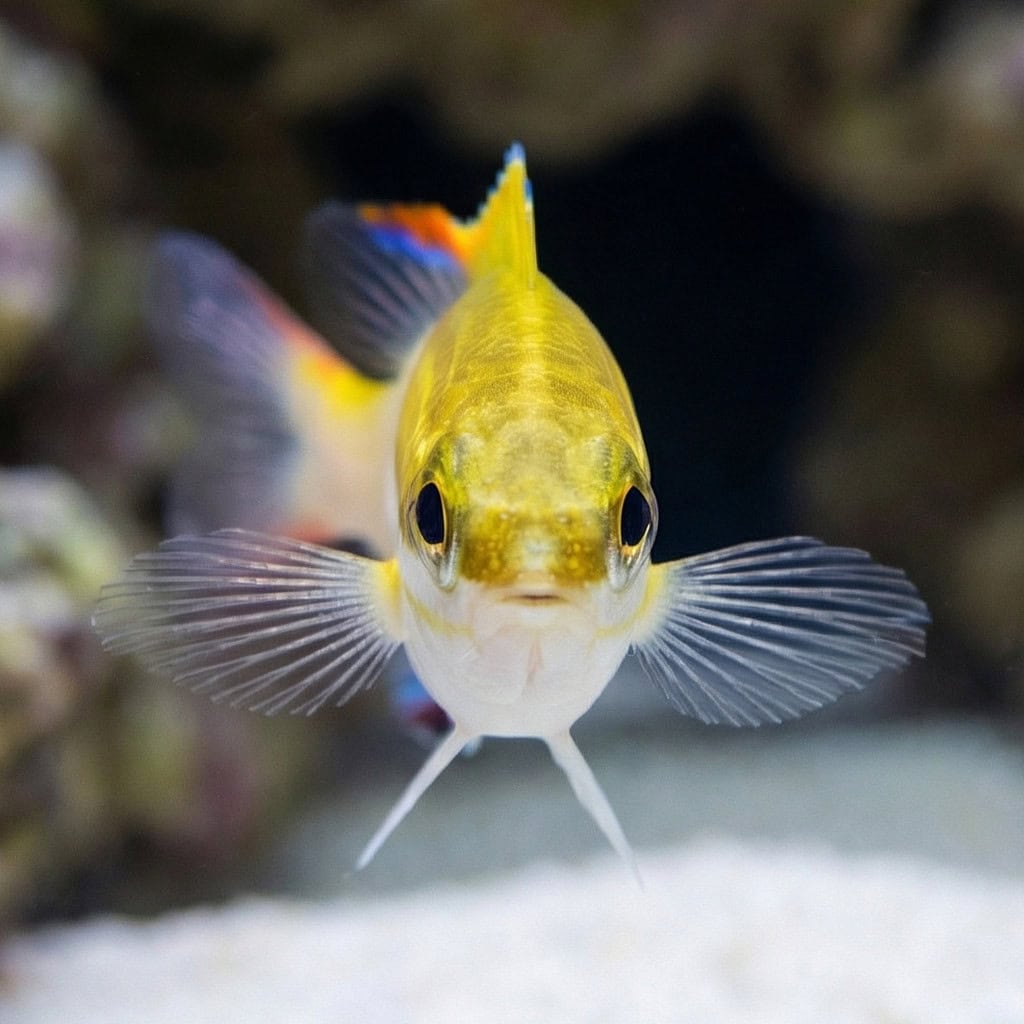
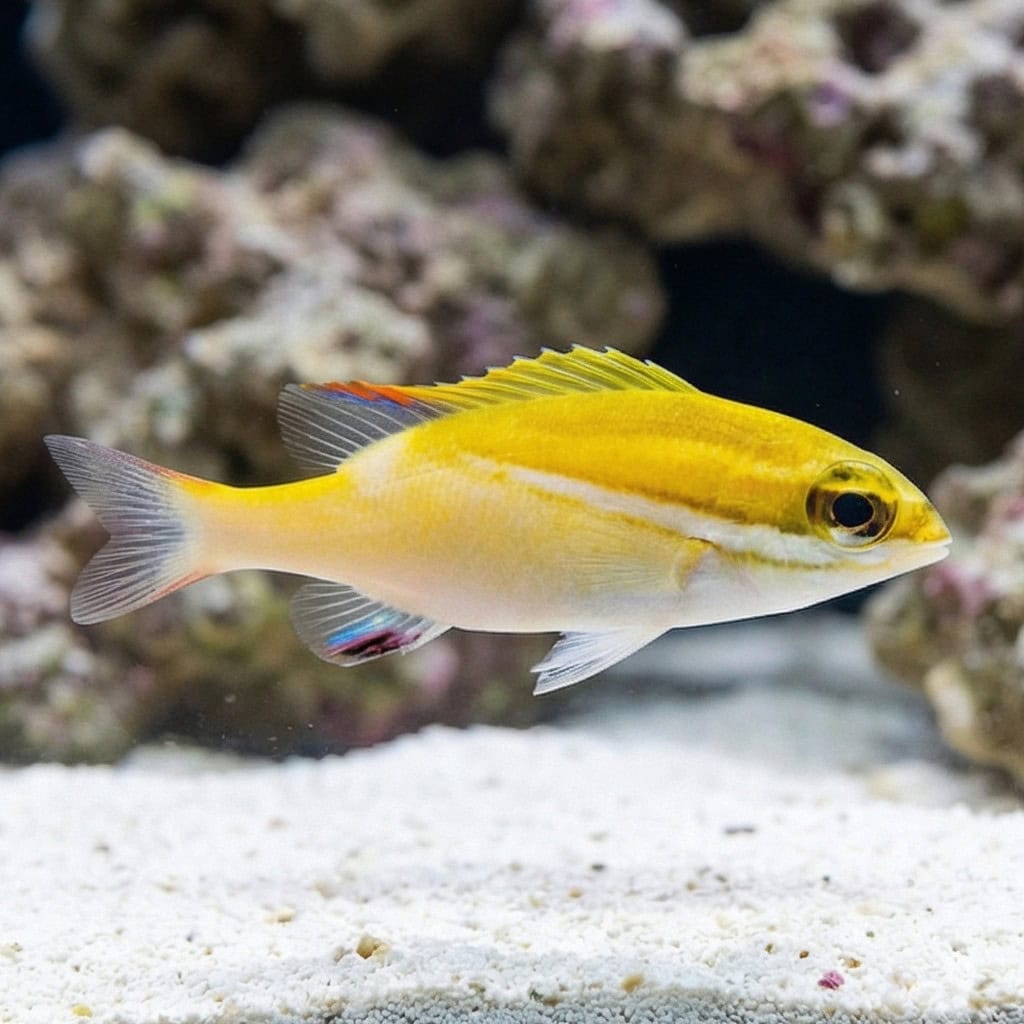
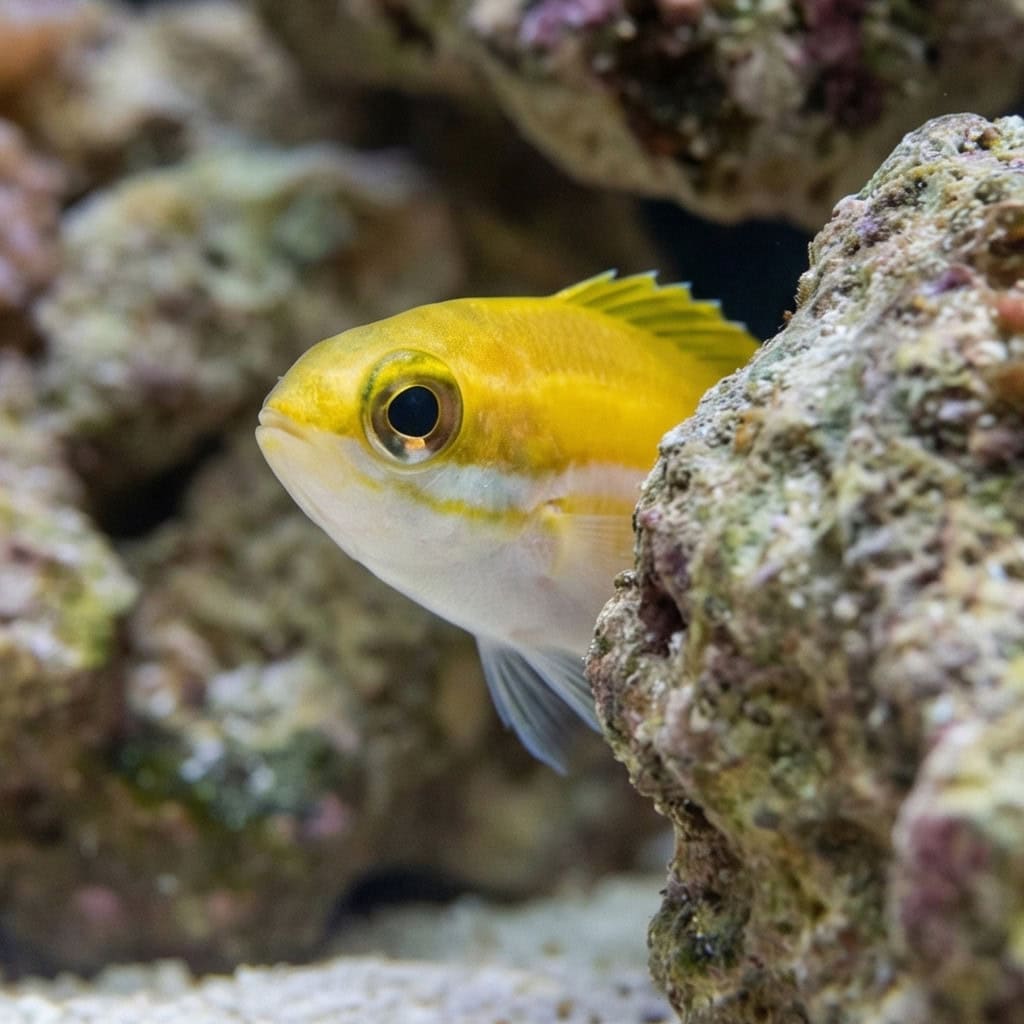
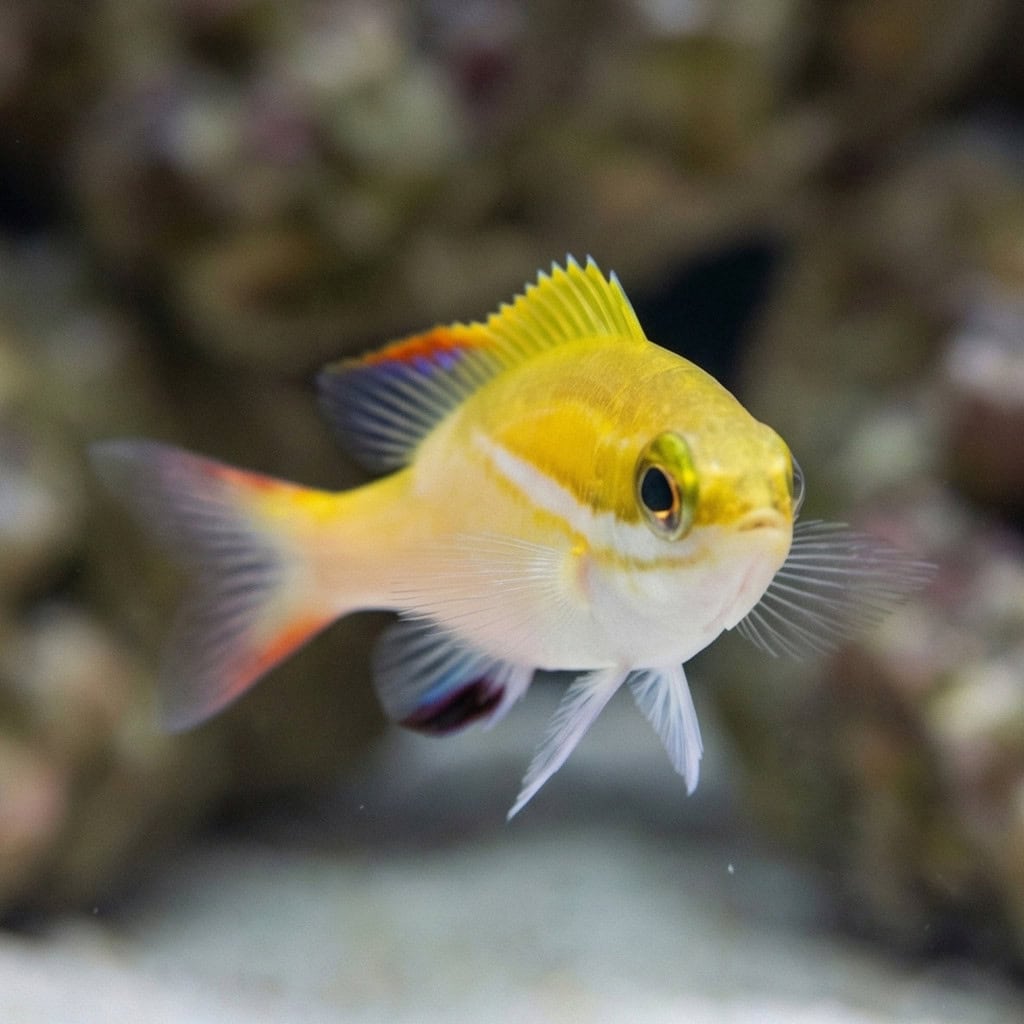
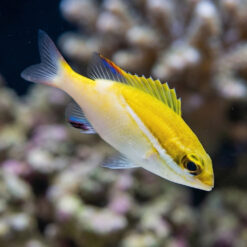
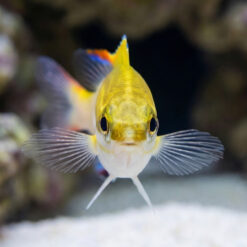
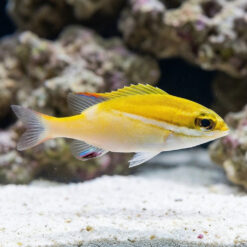
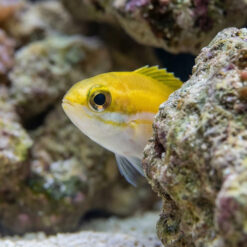
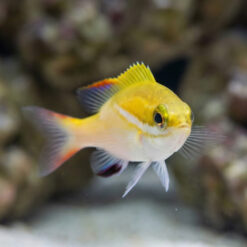
Two-Lined Monocle Bream
Scolopsis bilineata
| Stock | Variations | Price | Quantity | |
|---|---|---|---|---|
| Out of Stock | 2.25" or smaller - SSC Certified - Central Pacific | Original price was: $75.99.$39.99Current price is: $39.99. | Email me |
Every order ships with our standard 3-hour live arrival guarantee. Need more time? Add our 5-Day Guarantee at checkout.
Full guarantee terms →Ships Monday – Thursday for next-day arrival at your nearest FedEx Hold location — typically ready by 9 AM. We monitor every delivery.
Shipping details →
Monday – Friday 8 AM – 9 PM
Saturday 12 PM – 4 PM
Sunday 12 PM – 9 PM
Healthy, stable animals from vetted suppliers — inspected before packing, shipped overnight. Decades of experience built this model so we can deliver premium livestock at 30%+ less than you'd pay elsewhere.
| Care Level | Moderate |
|---|---|
| Temperament | Peaceful |
| Reef Safe | With Caution |
| Functional Benefit | Ornamental Only |
| Diet Type | Carnivore |
| Mininum Tank Size | 180 gallons |
| Max Size | 10 inches |
| Temperature | 72–78°F |
| pH Range | 8.1–8.4 |
| Specific Gravity | 1.022–1.025 |
The Two-Lined Monocle Bream (Scolopsis bilineata) is an Indo-Pacific, reef-associated fish recognized by the paired head lines in adults and the bright juvenile pattern that’s often more colorful than many reference photos. It’s also been documented to show green biofluorescence under blue/UV light, which can give it a noticeably different look compared to daylight viewing.
What You’ll Observe:
- Steady cruising through open areas with frequent passes along the rock edge
- Confident “inspection” behavior, pausing to look over the sand and lower rockwork
- A predictable routine, often becoming more visible during calmer, lower-light periods
- Direct, purposeful feeding once it recognizes your feeding schedule
Provide ample open swimming room with stable rockwork and a sandy bottom to match its natural reef-edge habits. Offer a mix of meaty frozen foods and sinking prepared foods in small portions, and keep the feeding cadence consistent so it learns where food arrives. In larger systems, it tends to settle in quickly and show its most natural day-to-day patterns.
Will this fish keep its bright juvenile colors as it grows?
Juveniles are commonly described as more colorful, and the pattern typically shifts toward the more subdued adult look as it matures.
Does it usually take pellets or other dried foods?
Hobbyists commonly ask this because availability varies by supplier; many bream-type fish transition best when pellets are introduced alongside frozen foods on a consistent schedule.
Is it normal if it seems more active at dusk or under moonlights?
Some monocle breams are reported to show more movement in calmer, lower-light windows, especially once they’ve settled into the tank’s routine.
Why do online photos look gray while the store fish looks totally different?
Multiple keepers note the “photo mismatch” comes from juvenile vs. adult patterning, plus lighting differences between holding systems and display photos.
Is this species often misidentified at fish stores?
It comes up often enough that keepers compare head lines and juvenile markings before committing, especially when buying a small specimen that may change appearance with age.
We work with trusted suppliers who keep our specimens healthy and well-fed before shipping.
Recently viewed products