
Bell’s Flasher Wrasse
Paracheilinus bellae
| Stock | Variations | Price | Quantity |
|---|
Every order ships with our standard 3-hour live arrival guarantee. Need more time? Add our 5-Day Guarantee at checkout.
Full guarantee terms →Ships Monday – Thursday for next-day arrival at your nearest FedEx Hold location — typically ready by 9 AM. We monitor every delivery.
Shipping details →
Monday – Friday 8 AM – 9 PM
Saturday 12 PM – 4 PM
Sunday 12 PM – 9 PM
Healthy, stable animals from vetted suppliers — inspected before packing, shipped overnight. Decades of experience built this model so we can deliver premium livestock at 30%+ less than you'd pay elsewhere.
| Care Level | Easy |
|---|---|
| Temperament | Peaceful |
| Reef Safe | Yes |
| Functional Benefit | Ornamental Only |
| Diet Type | Carnivore |
| Mininum Tank Size | 55 gallons |
| Max Size | 3 inches |
| Temperature | 72–78°F |
| pH Range | 8.1–8.4 |
| Specific Gravity | 1.022–1.025 |
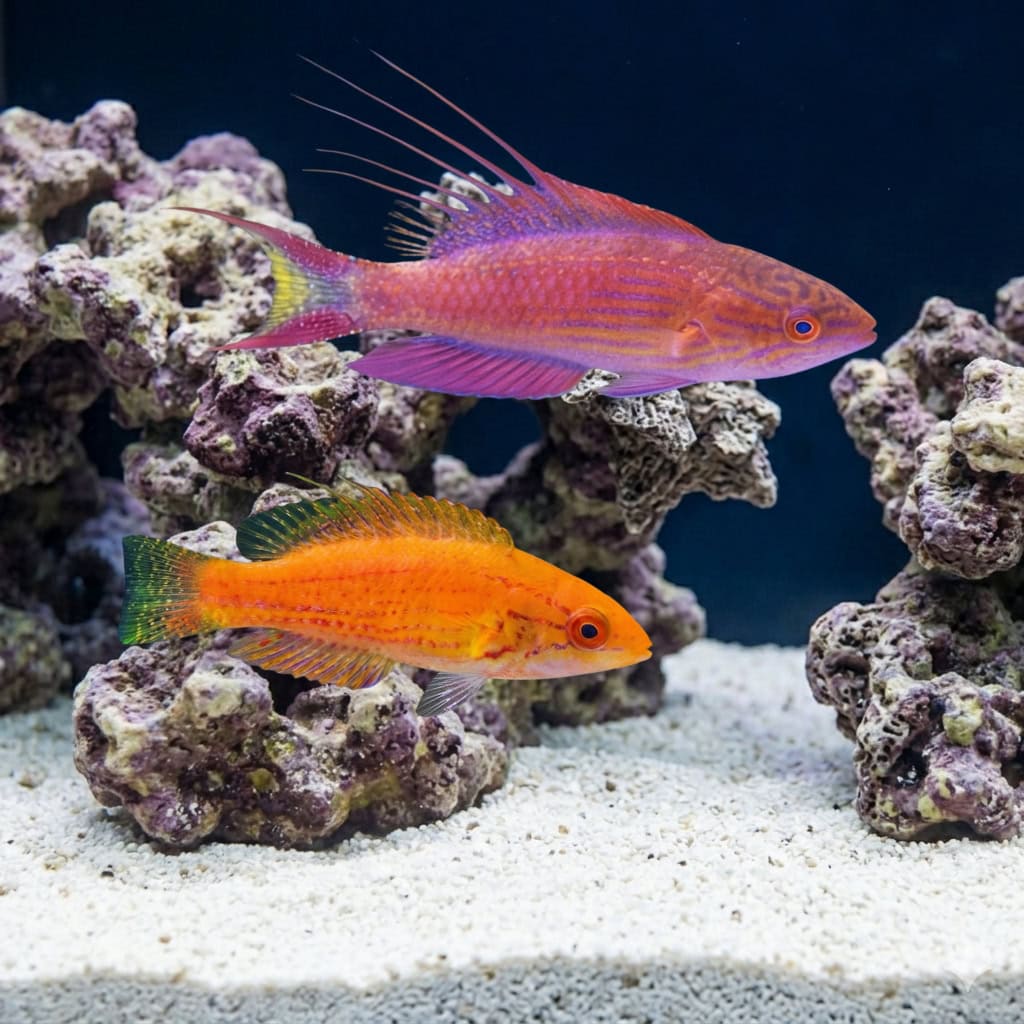
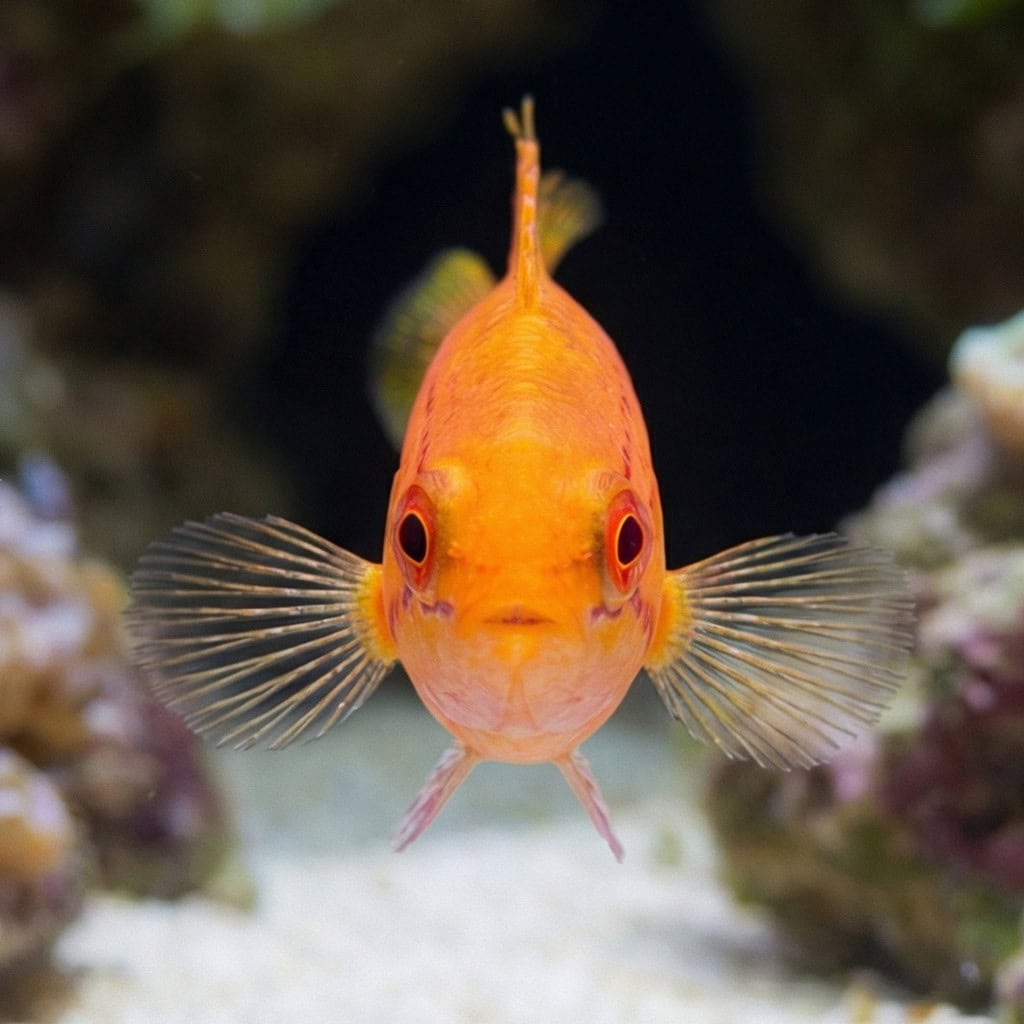
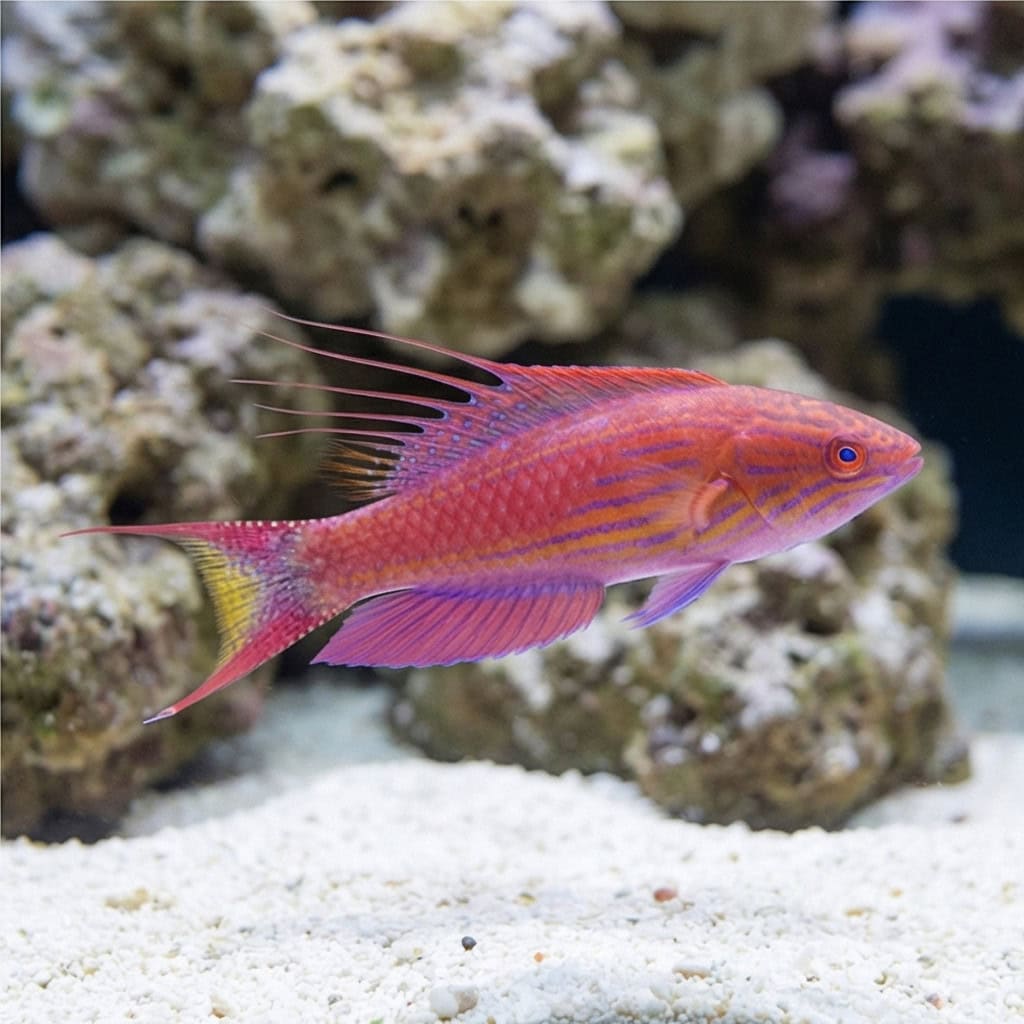
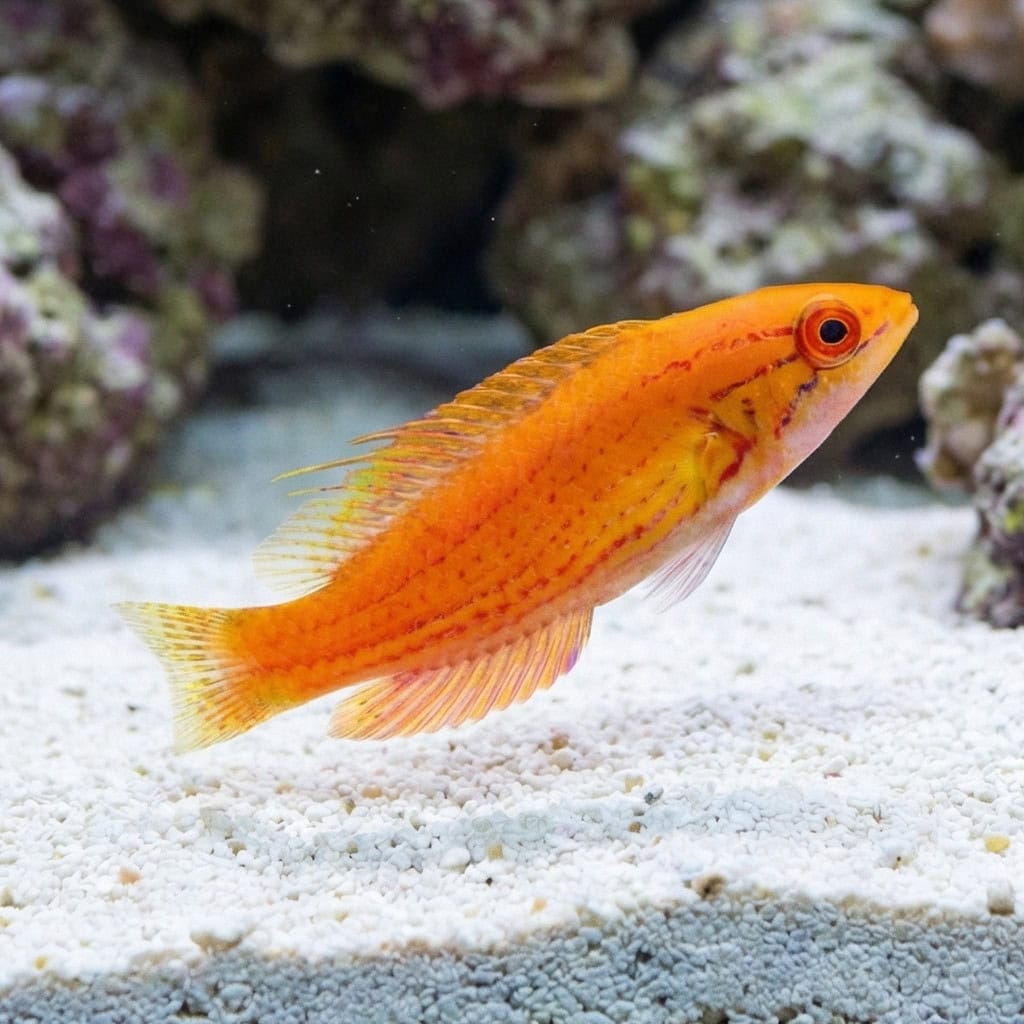
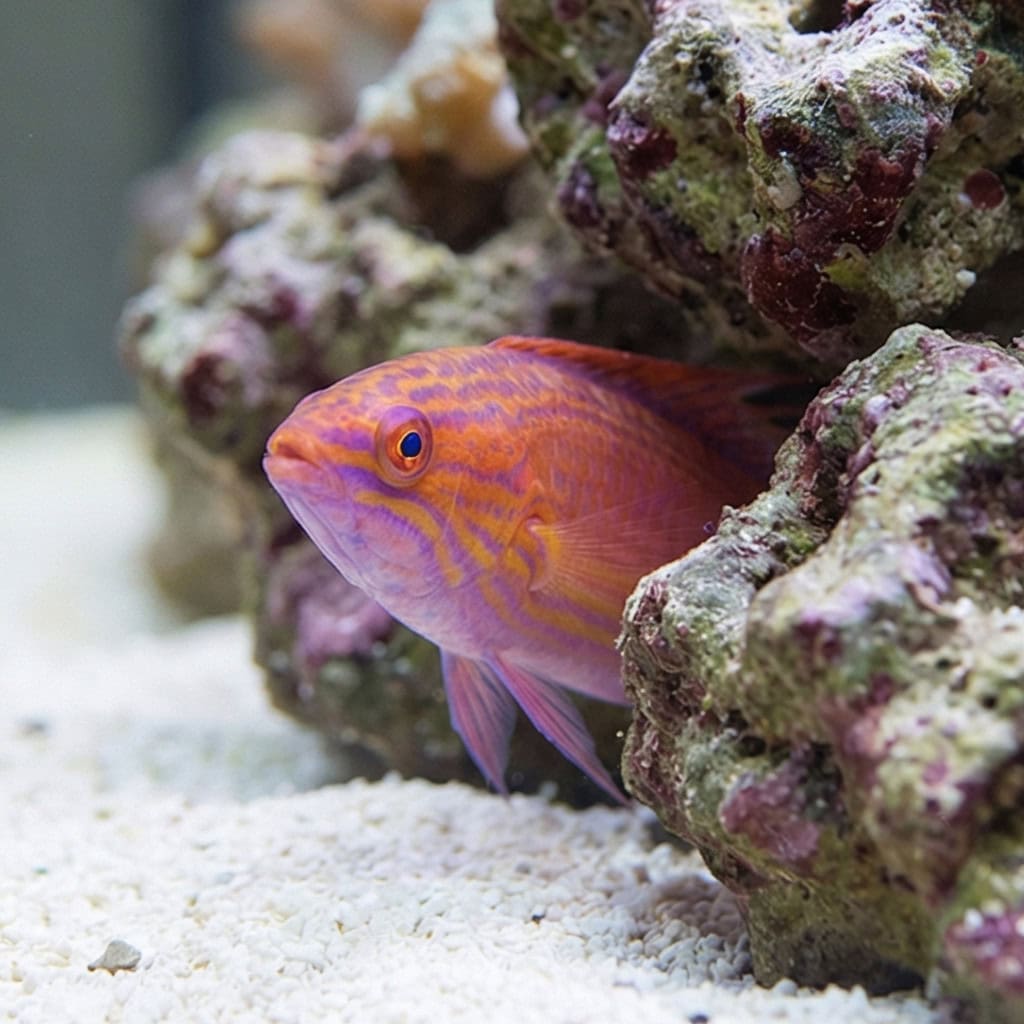
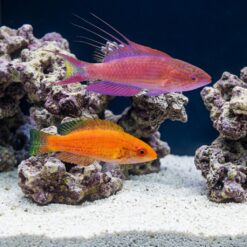
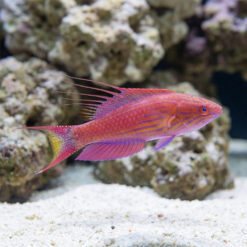
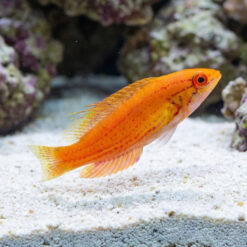
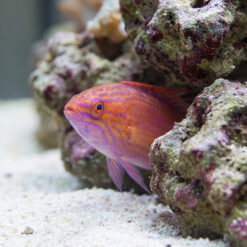
Bell’s Flasher Wrasse (Paracheilinus bellae) is a small reef-safe wrasse known for quick color-and-fin display behavior, especially when it feels settled and confident. Males show extended fins and intensified patterning during brief “flashing” displays, creating constant motion in the water column. This species is native to the Marshall Islands.
What You’ll Observe:
- Quick, stop-and-go swimming through open water and along rock edges
- Short display “bursts” where the dorsal and anal fins are raised, often around feeding time
- A consistent evening routine where it chooses a favorite crevice and settles in before lights-out
- Confident front-glass behavior once it learns your feeding schedule
Provide open swimming lanes plus rockwork with multiple small caves so it can pick a regular retreat spot. Offer a mix of finely chopped frozen foods and high-quality small pellets 2–3 times daily to match an active metabolism. Use a tight-fitting lid or screen top so it stays focused on displaying in the tank, not exploring above it.
Will it “flash” more if kept alone or with other wrasses?
Most keepers report more frequent displays when there’s a social cue (another flasher/fairy wrasse nearby), but established males still do brief “practice” flashes on their own.
How long does it take to settle in and act “normal” after introduction?
A common pattern is low visibility at first, followed by short appearances that become longer and more regular as it learns the tank’s routine and feeding rhythm.
Do Bell’s Flashers sleep in sand or in the rockwork?
Many hobbyists observe them choosing a specific rock crevice at night, often returning to the same spot daily once they’re comfortable.
Can I keep more than one flasher wrasse in the same tank?
Keepers often have the best results by planning introductions and stocking so there’s a clear social structure, with plenty of space and multiple retreat zones.
Why are females hard to find, and does that matter for the display behavior?
Females are less commonly offered, and males tend to reserve their biggest displays for social situations—so a planned pairing or small group can change how often you see “full” flashing.
Each fish is checked for strong appetite and activity before we approve it for your tank.
Recently viewed products