
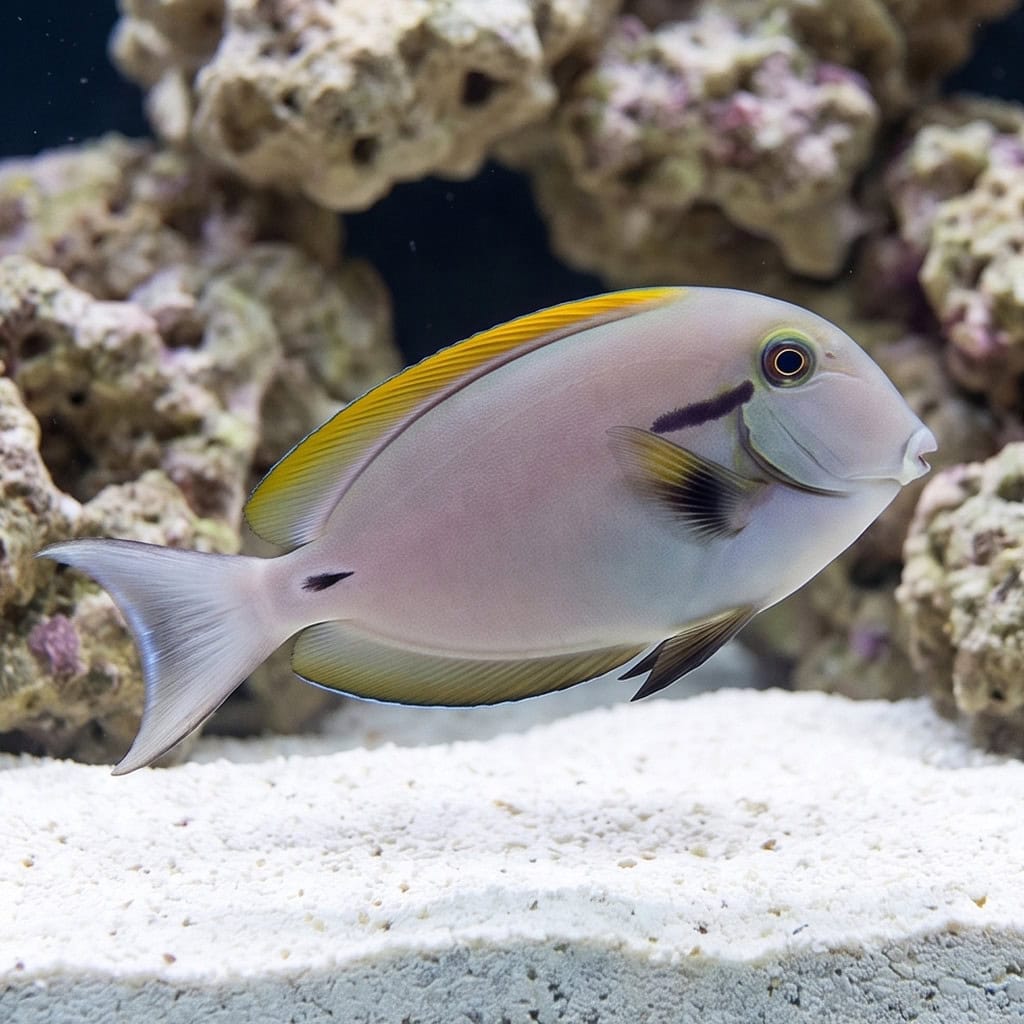
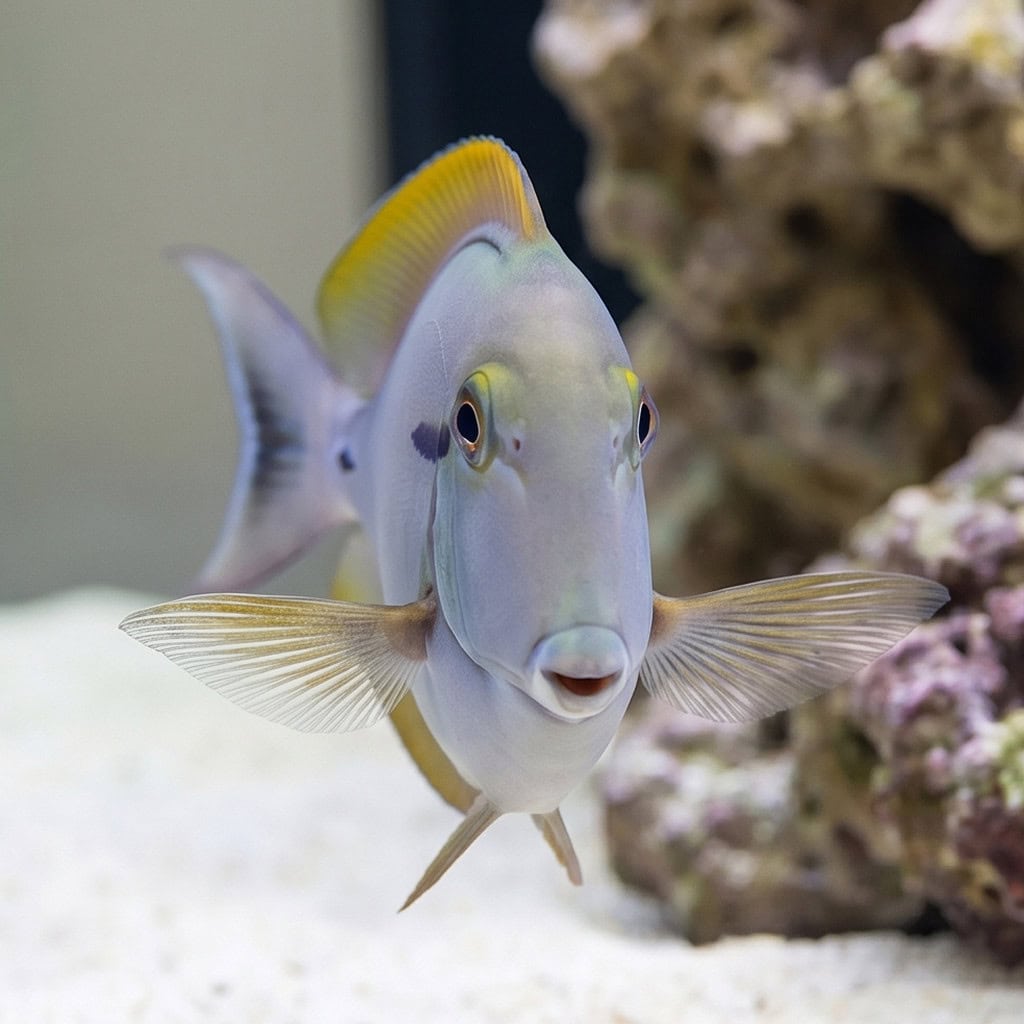
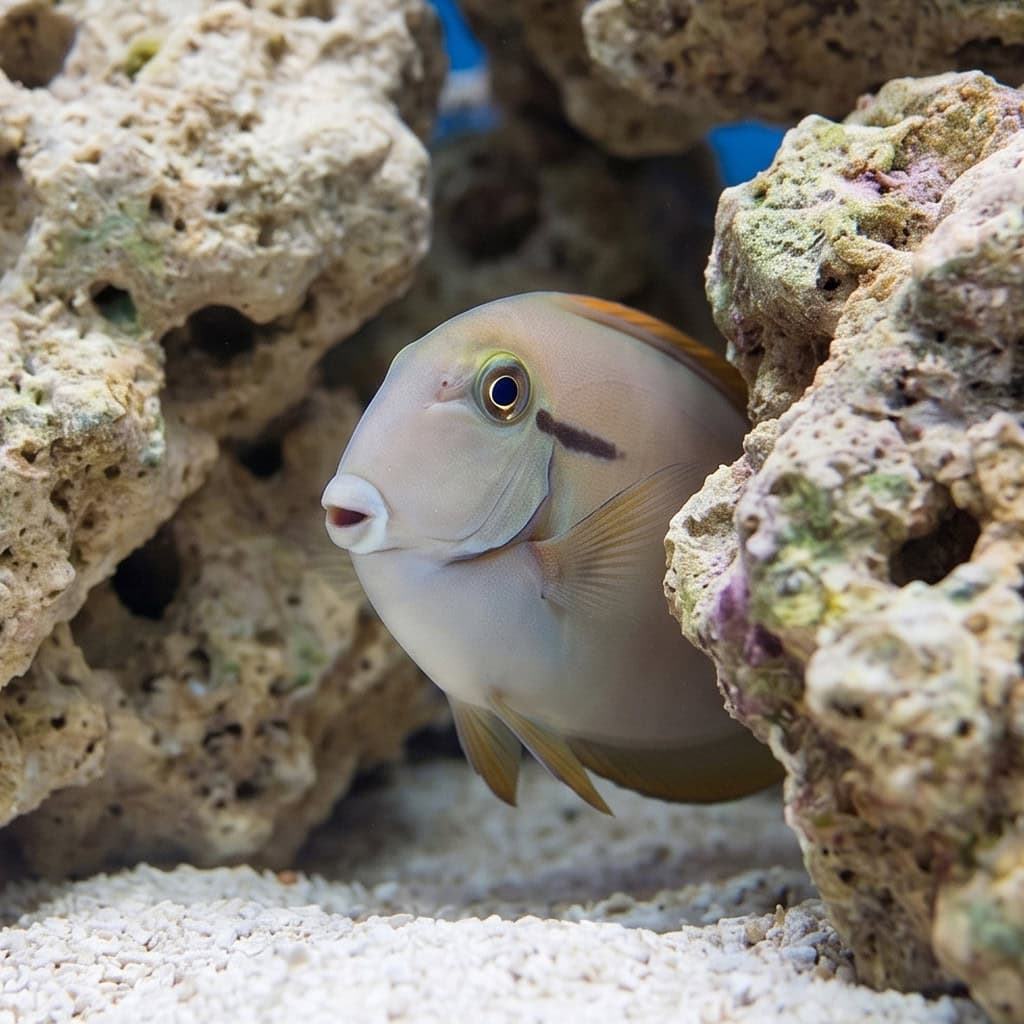
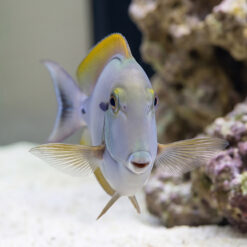
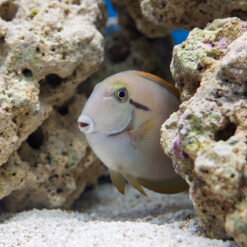
Epaulette (Black Shoulder) Tang
Acanthurus nigricauda
| Stock | Variations | Price | Quantity |
|---|
Every order ships with our standard 3-hour live arrival guarantee. Need more time? Add our 5-Day Guarantee at checkout.
Full guarantee terms →Ships Monday – Thursday for next-day arrival at your nearest FedEx Hold location — typically ready by 9 AM. We monitor every delivery.
Shipping details →
Monday – Friday 8 AM – 9 PM
Saturday 12 PM – 4 PM
Sunday 12 PM – 9 PM
Healthy, stable animals from vetted suppliers — inspected before packing, shipped overnight. Decades of experience built this model so we can deliver premium livestock at 30%+ less than you'd pay elsewhere.
| Care Level | Expert |
|---|---|
| Temperament | Semi-Aggressive |
| Reef Safe | Yes |
| Functional Benefit | Algae Control |
| Diet Type | Herbivore |
| Mininum Tank Size | 250 gallons |
| Max Size | 18 inches |
| Temperature | 72–78°F |
| pH Range | 8.1–8.4 |
| Specific Gravity | 1.022–1.025 |
The Epaulette (Black Shoulder) Tang is a large grazing surgeonfish that helps manage film algae on rockwork and other hard surfaces. It has a bluish-gray to brown body with a bold dark “epaulette” mark behind the eye and a crisp white ring at the base of the tail. Native to Indo-Pacific lagoons and reef areas, it’s commonly sold as the Epaulette Surgeonfish or Eye-Stripe Surgeonfish.
What You’ll Observe:
- Makes steady laps across open water, then works back along the rock faces
- Grazes in short bursts, especially along rock edges and nearby sand margins
- Shows noticeable light-to-dark color shifts during social moments
- Picks a regular “parking spot” in the rockwork as the lights wind down
- Learns feeding locations quickly and returns to grazing areas throughout the day
Provide a long, open swimming lane with brisk flow and high oxygen, plus multiple rock ledges it can tuck into at night. Offer dried marine algae (nori) frequently alongside herbivore pellets and frozen blends, and spread feeding stations out so it can graze naturally. With consistent grazing options and stable routines, it becomes an active, high-motion centerpiece fish.
Does this tang prefer rockwork or sand when grazing?
Most keepers see it graze the film on rock faces and along sandy margins, making repeated passes rather than staying in one spot.
How do you introduce it when other tangs are already established?
An acclimation box for a few days and small rockwork changes often help established fish accept a new swimmer.
Why does its color sometimes look lighter or almost black?
Shade shifts are common in Acanthurus tangs and can show up during activity, social interactions, and cleaning behavior.
Will it sleep in the open or hide?
Many settle into a consistent nighttime spot in the rockwork, wedging under a ledge and reappearing after lights come on.
What’s an easy way to keep it from focusing on one food clip spot?
Place algae clips in two separated areas so it can make natural grazing laps and share access without crowding.
Each fish is checked for strong appetite and activity before we approve it for your tank.
Recently viewed products