
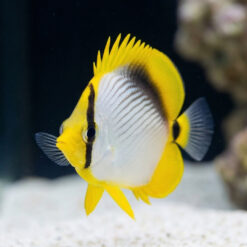
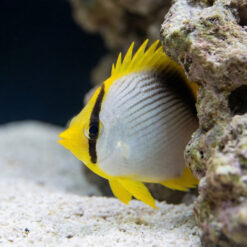
Blackback Butterfly
Chaetodon melannotus
| Stock | Variations | Price | Quantity |
|---|
Every order ships with our standard 3-hour live arrival guarantee. Need more time? Add our 5-Day Guarantee at checkout.
Full guarantee terms →Ships Monday – Thursday for next-day arrival at your nearest FedEx Hold location — typically ready by 9 AM. We monitor every delivery.
Shipping details →
Monday – Friday 8 AM – 9 PM
Saturday 12 PM – 4 PM
Sunday 12 PM – 9 PM
Healthy, stable animals from vetted suppliers — inspected before packing, shipped overnight. Decades of experience built this model so we can deliver premium livestock at 30%+ less than you'd pay elsewhere.
| Care Level | Moderate |
|---|---|
| Temperament | Peaceful |
| Reef Safe | No |
| Functional Benefit | Ornamental Only |
| Diet Type | Carnivore |
| Mininum Tank Size | 120 gallons |
| Max Size | 6 inches |
| Temperature | 72–78°F |
| pH Range | 8.1–8.4 |
| Specific Gravity | 1.022–1.025 |
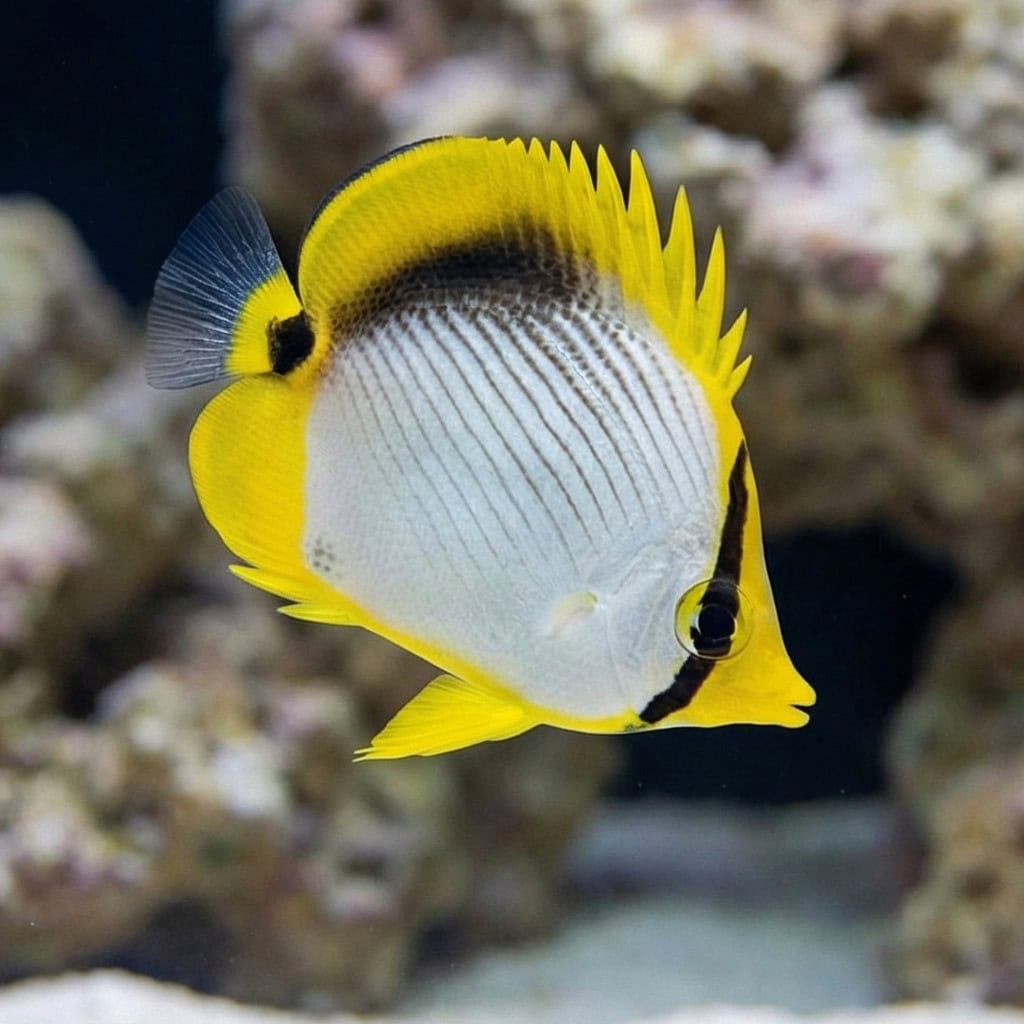
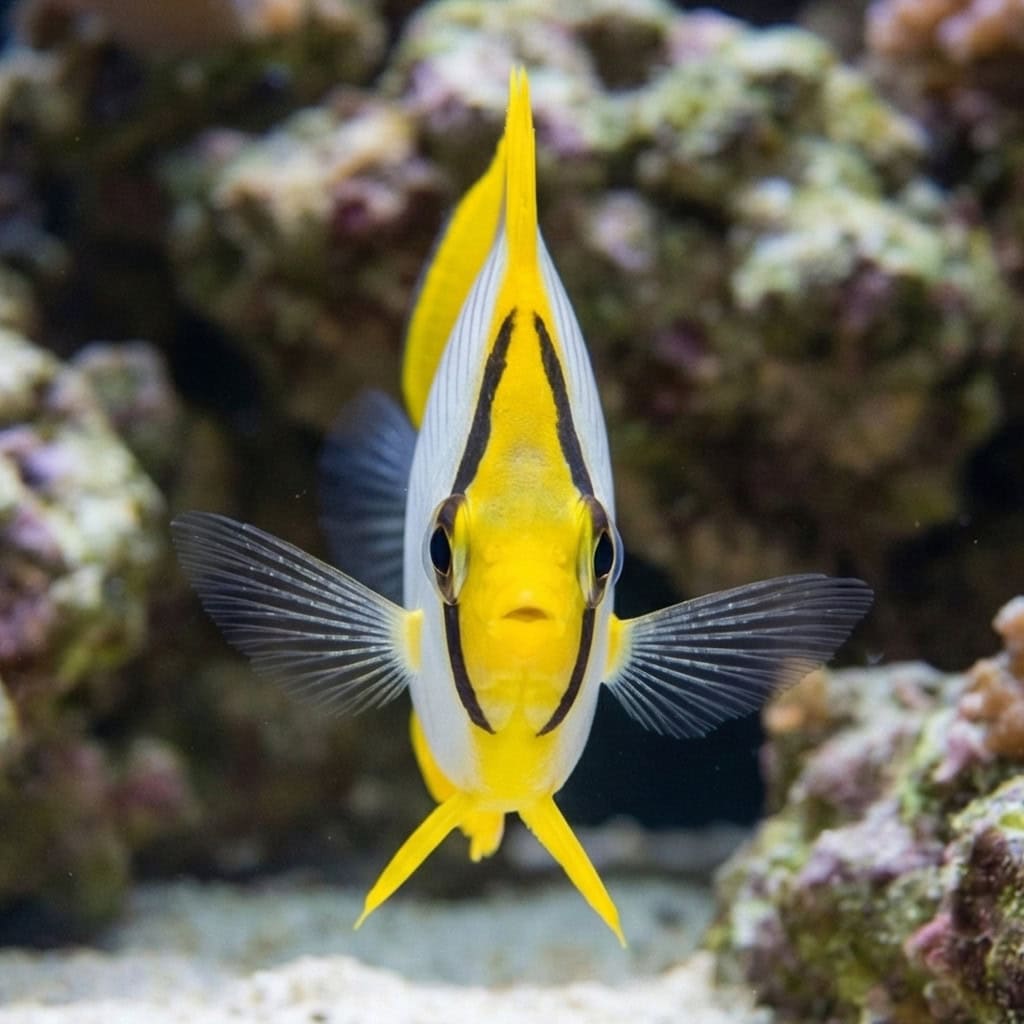
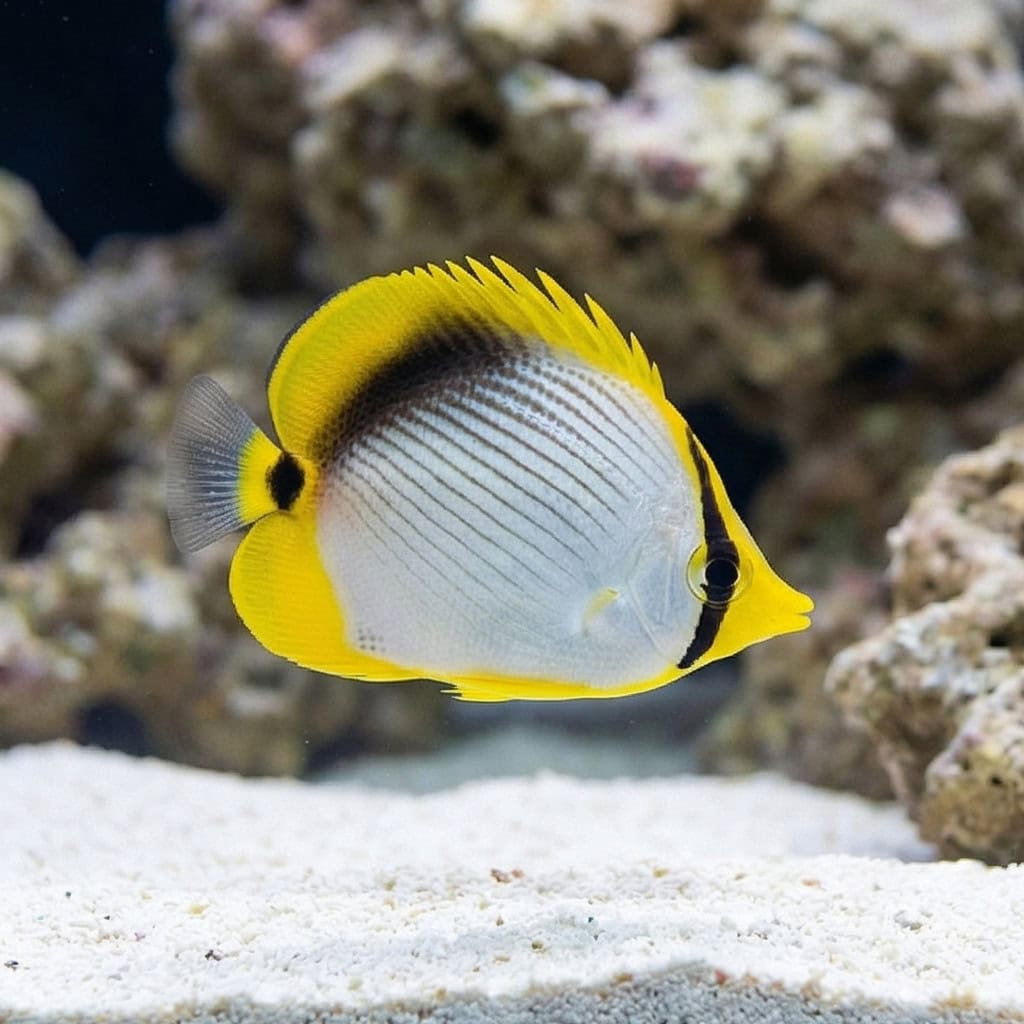
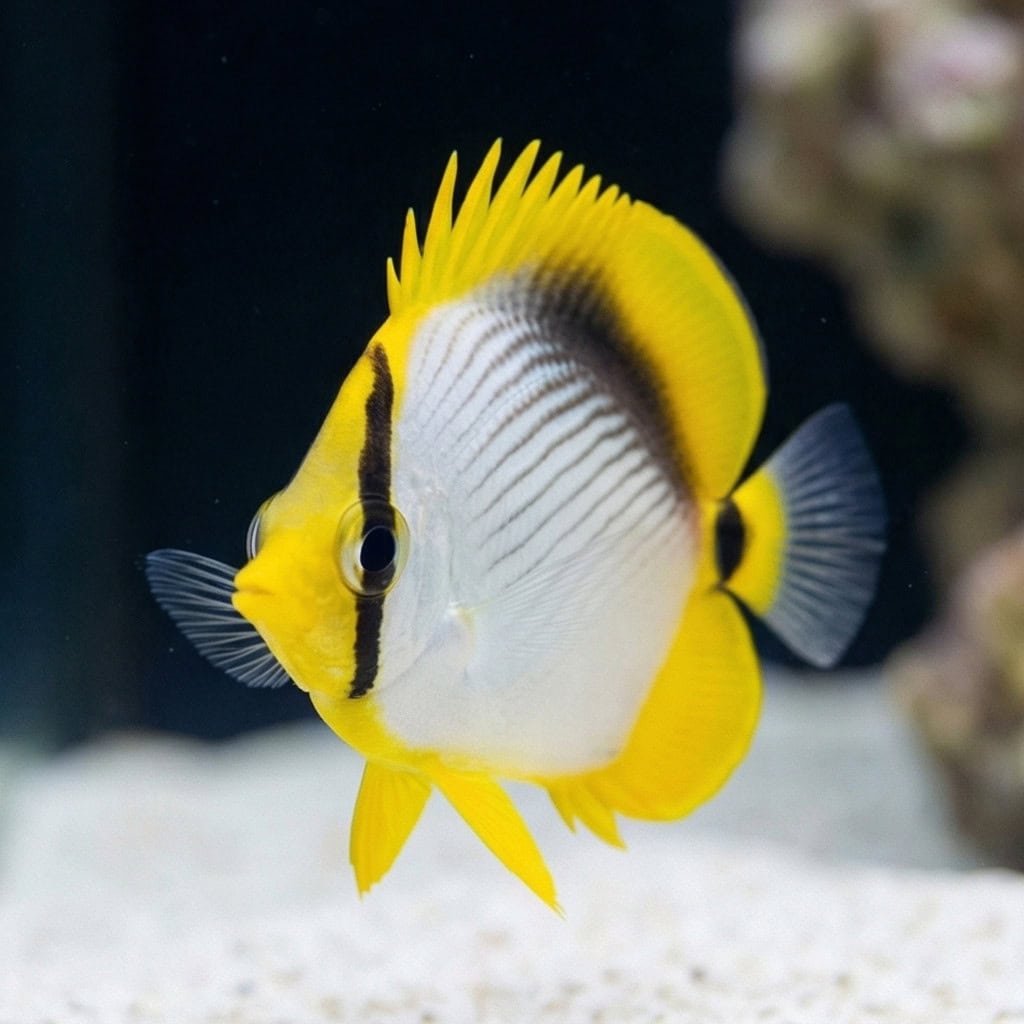
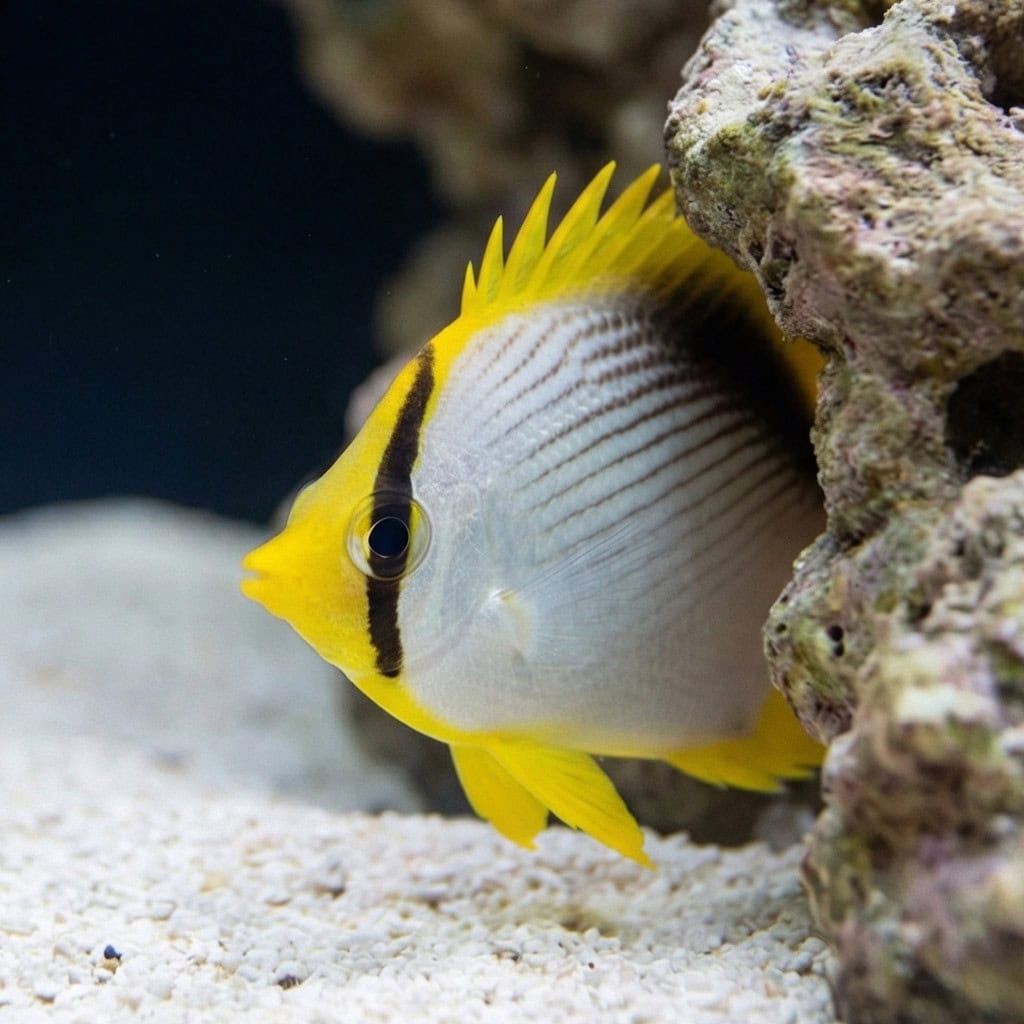
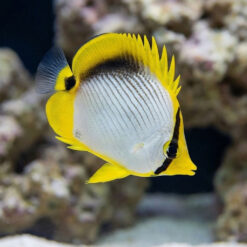
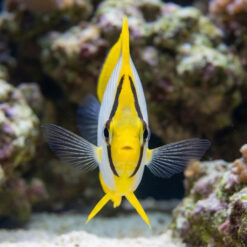
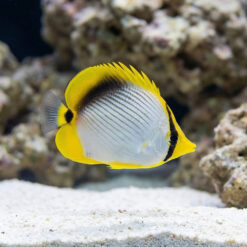
The Blackback Butterfly (Chaetodon melannotus) has a white body marked with diagonal black striping, a yellow face and fins, and a darker “black back” area that gives the fish its common name. It’s an Indo-Pacific butterflyfish often kept in larger marine displays where its cruising, rockwork-focused behavior can be observed daily.
What You’ll Observe:
- Regular laps through open water with frequent pauses to inspect live rock
- Quick, precise “picking” motions as it investigates surfaces during the day
- A consistent routine of becoming more active around feeding time
- Occasional nighttime/dim-light color shifting that can look dramatically different than daytime coloration
Provide a mature 120-gallon (or larger) aquarium with plenty of hiding places and clear swimming lanes. Offer small meaty foods in a steady routine (multiple feedings work well), and use vitamin-enriched options to support crisp coloration. Plan for a single specimen unless you’re introducing a proven pair.
Why does my Blackback Butterfly look much darker at night?
Many keepers notice strong color changes in dim light or after lights-out; it’s a normal shift and the daytime pattern typically returns with lighting and activity.
Is it normal for this fish to “peck” at rocks all day even when it’s well-fed?
Yes—constant investigating and picking is typical butterflyfish behavior and is part of how they spend time between feedings.
How do hobbyists get a new butterflyfish to recognize prepared foods as food?
A common approach is offering a few highly-scented, small meaty items repeatedly at the same spot (or with a feeding ring/clip) so it learns a predictable feeding cue from your routine.
Can I keep two Blackback Butterflies together if I buy them at the same time?
Most hobbyists aim for a confirmed pair; two random individuals can still sort out space, so pairing strategy matters more than simply purchasing together.
What does “eating well” usually look like once it settles in?
Owners typically report the best long-term results when the fish consistently joins each feeding, takes multiple bites per session, and keeps a rounded body line behind the head over time.
We source from vetted suppliers known for healthy, long-lived specimens.
Recently viewed products