
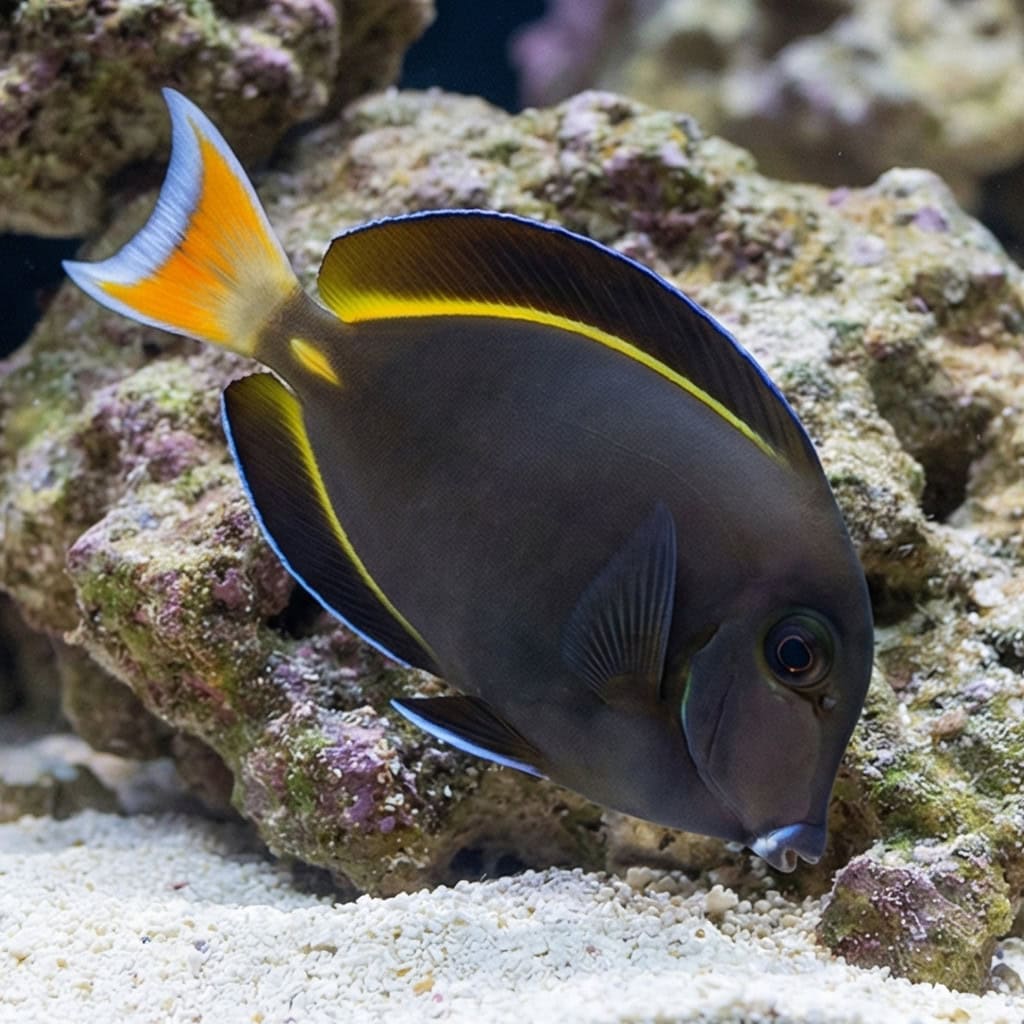
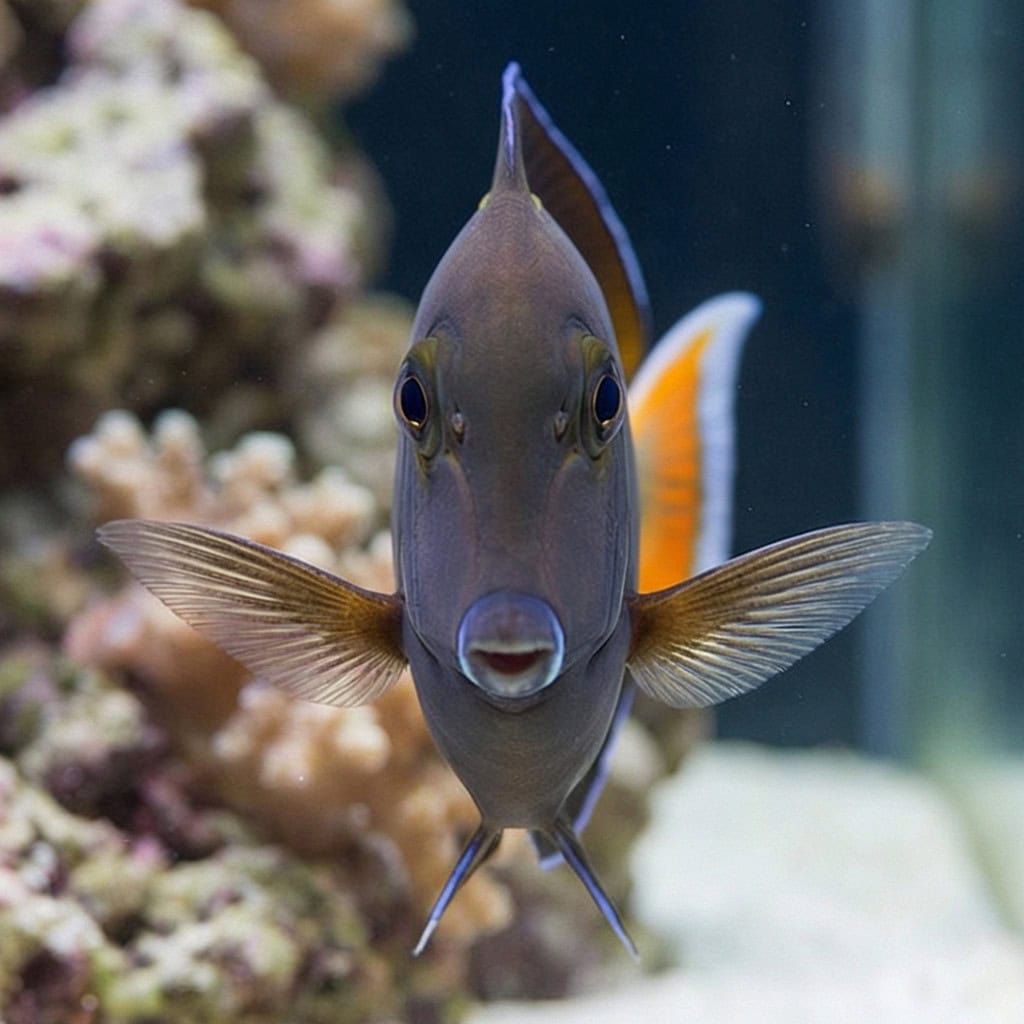
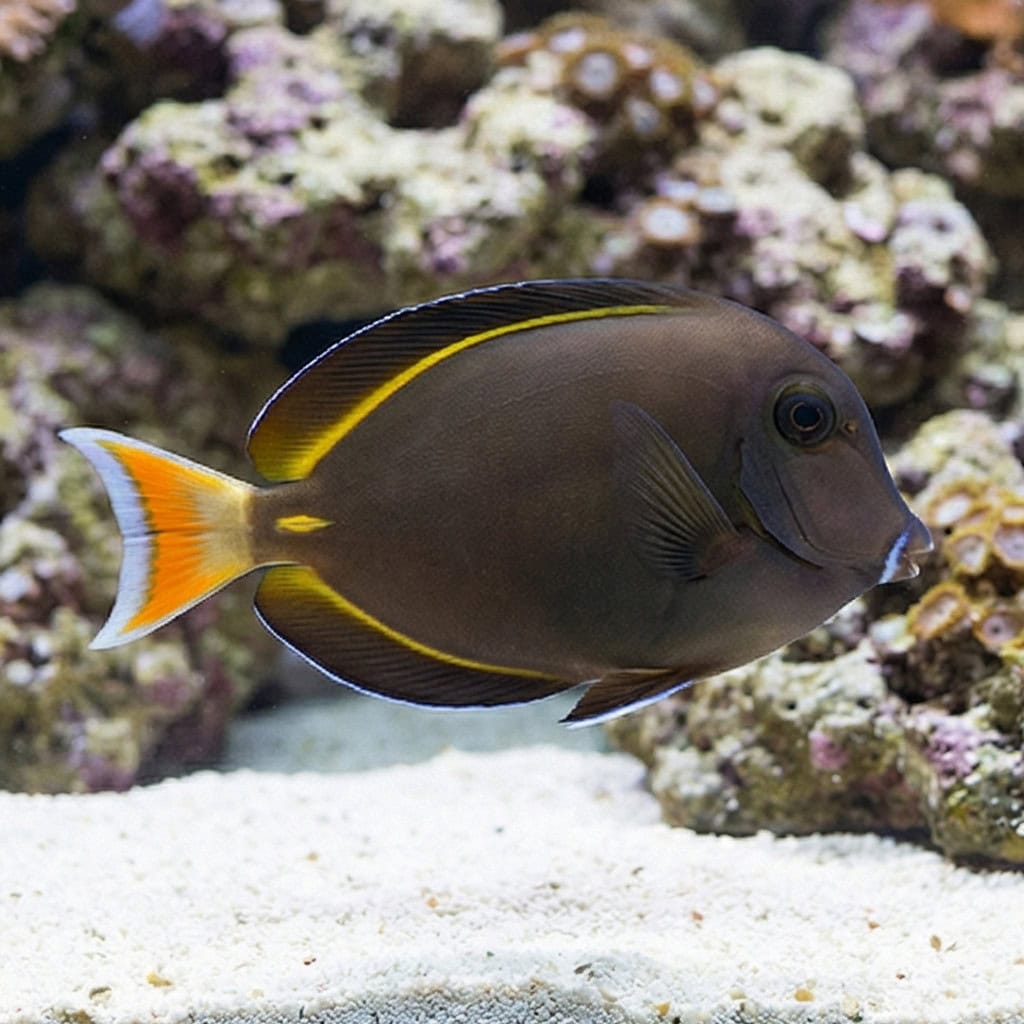
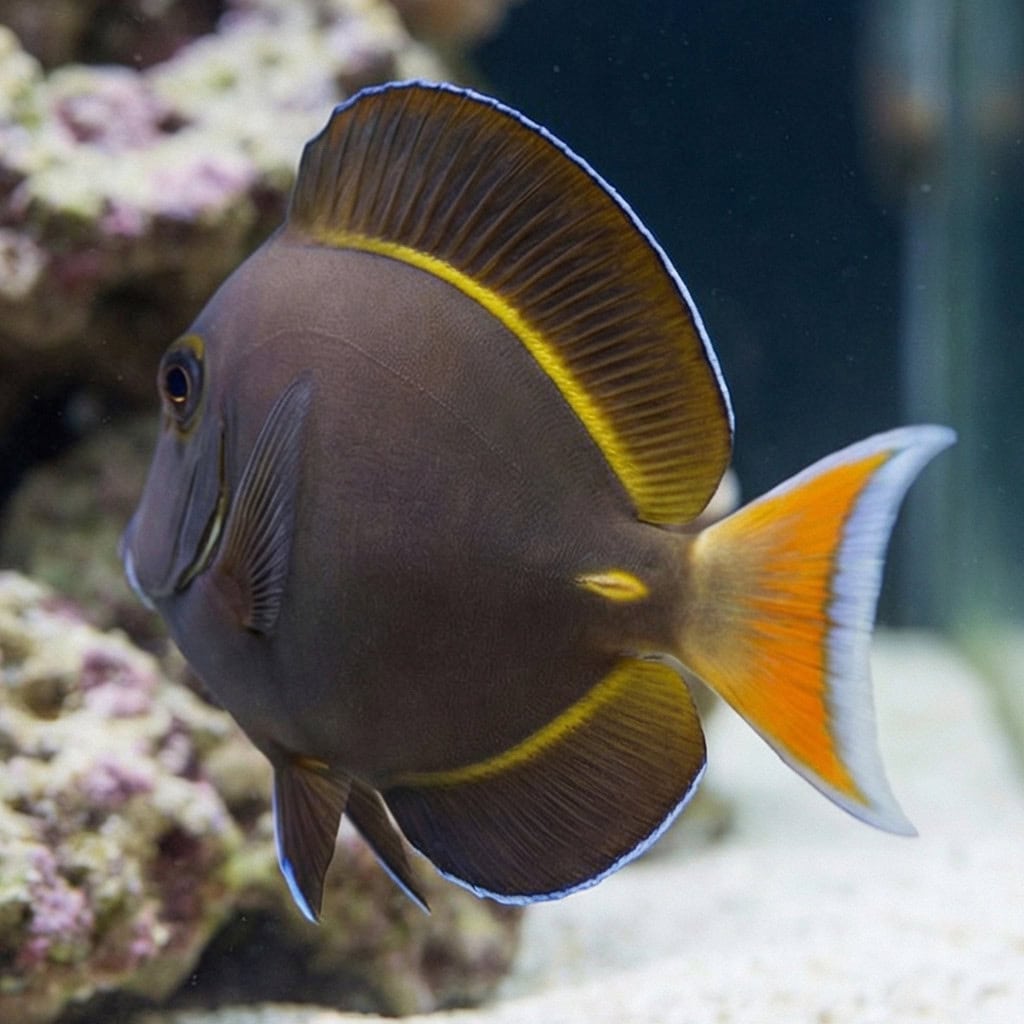
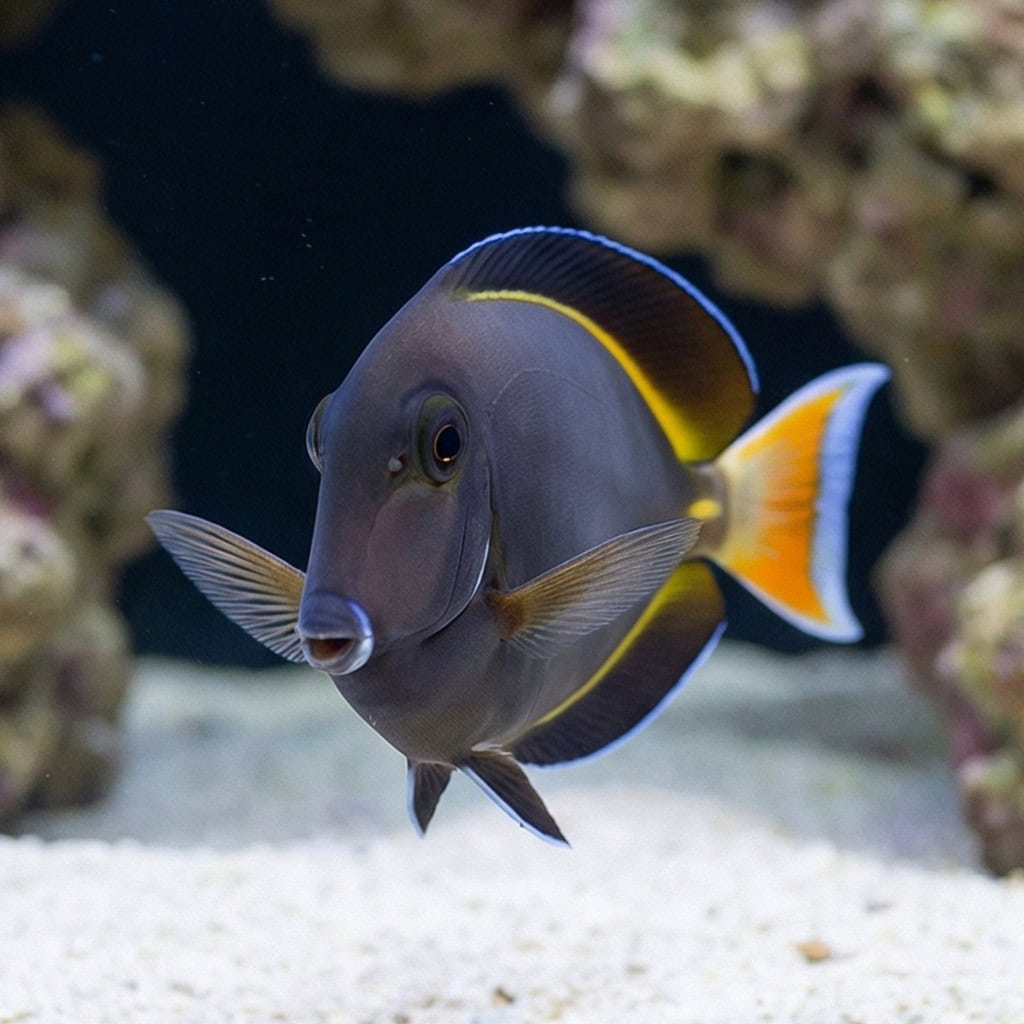
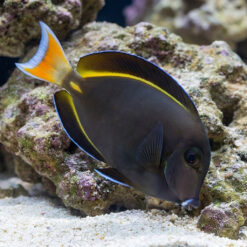
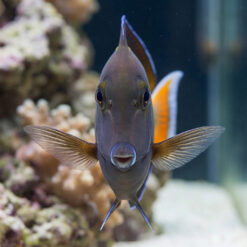
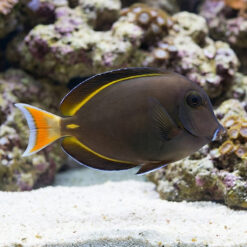
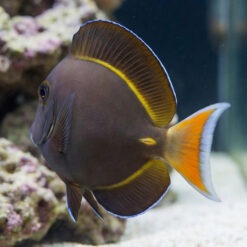
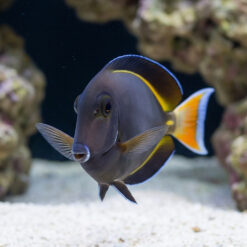
Hybrid Achilles X White Cheek Tang
Acanthurus achilles X nigricans
| Stock | Variations | Price | Quantity |
|---|
Every order ships with our standard 3-hour live arrival guarantee. Need more time? Add our 5-Day Guarantee at checkout.
Full guarantee terms →Ships Monday – Thursday for next-day arrival at your nearest FedEx Hold location — typically ready by 9 AM. We monitor every delivery.
Shipping details →
Monday – Friday 8 AM – 9 PM
Saturday 12 PM – 4 PM
Sunday 12 PM – 9 PM
Healthy, stable animals from vetted suppliers — inspected before packing, shipped overnight. Decades of experience built this model so we can deliver premium livestock at 30%+ less than you'd pay elsewhere.
| Care Level | Expert |
|---|---|
| Temperament | Semi-Aggressive |
| Reef Safe | Yes |
| Functional Benefit | Algae Control |
| Diet Type | Herbivore |
| Mininum Tank Size | 180 gallons |
| Max Size | 8 inches |
| Temperature | 72–78°F |
| pH Range | 8.1–8.4 |
| Specific Gravity | 1.022–1.025 |
This Hybrid Achilles X White Cheek Tang (Acanthurus achilles X nigricans) is a fast-swimming surgeonfish that blends the dark body and high-contrast accents these Acanthurus tangs are known for. In a reef tank, it’s valued as a constant grazer that helps keep surfaces cleaner while staying coral-safe.
What You’ll Observe:
- Frequent open-water laps, especially along the front glass
- Regular “drive-by” grazing passes over rockwork and overflow areas
- Quick recognition of feeding routines (clip time and frozen food time)
- Short display bursts when another tang enters its favorite swim lane
Provide a mature aquarium with strong, turbulent flow and plenty of oxygen-rich circulation, plus open swim space with rockwork breaks. Offer dried seaweed on a clip multiple times per week and rotate in quality frozen foods so it can keep grazing between meals. Spreads out best when you give it multiple grazing stations around the tank.
Is it normal for a new tang to pace the glass for a few days?
It’s common during the first settling-in window, especially if the fish is mapping the tank or reacting to reflections. A consistent light schedule and stable flow patterns usually help it transition into a calmer routine.
Will it eat prepared foods or mostly graze?
Most learn prepared foods quickly once they associate you with feeding, while still grazing throughout the day. Keeping a seaweed clip available makes the switch to your feeding routine smoother.
How do I introduce it if I already keep other tangs?
An acclimation box period and feeding heavier for a few days helps everyone focus on food instead of posturing. Many hobbyists also use a temporary mirror/picture distraction to diffuse attention during the first introductions.
Will the orange/yellow accents change as it grows?
Hybrids vary, but the contrast often becomes sharper as the fish matures and settles into a stable diet and daily routine. Under bright reef lighting, the edge highlights typically show more clearly.
Where does it sleep at night?
It will usually pick a consistent rock crevice or sheltered corner and “park” there after lights-out. Giving it a few cave-like breaks in the rockwork encourages a predictable bedtime spot.
Each fish is checked for strong appetite and activity before we approve it for your tank.
Recently viewed products