
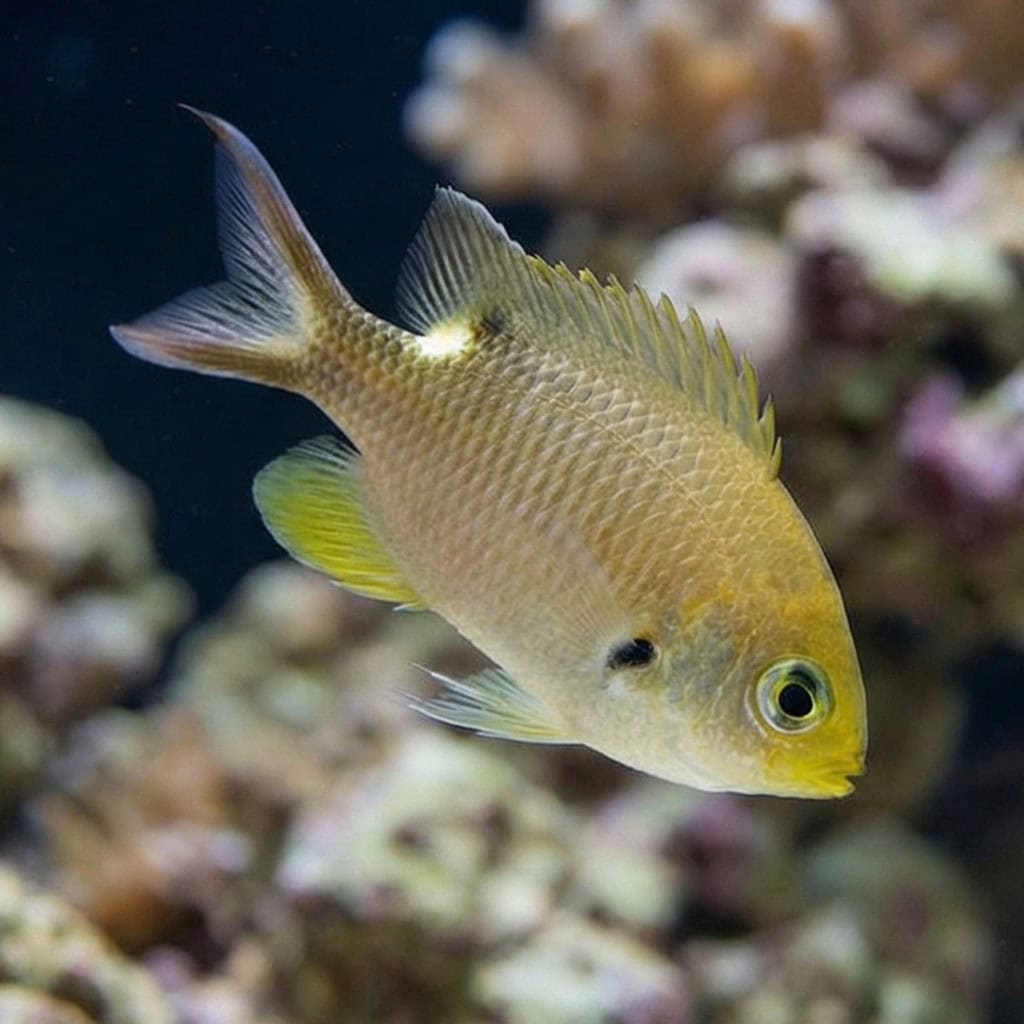
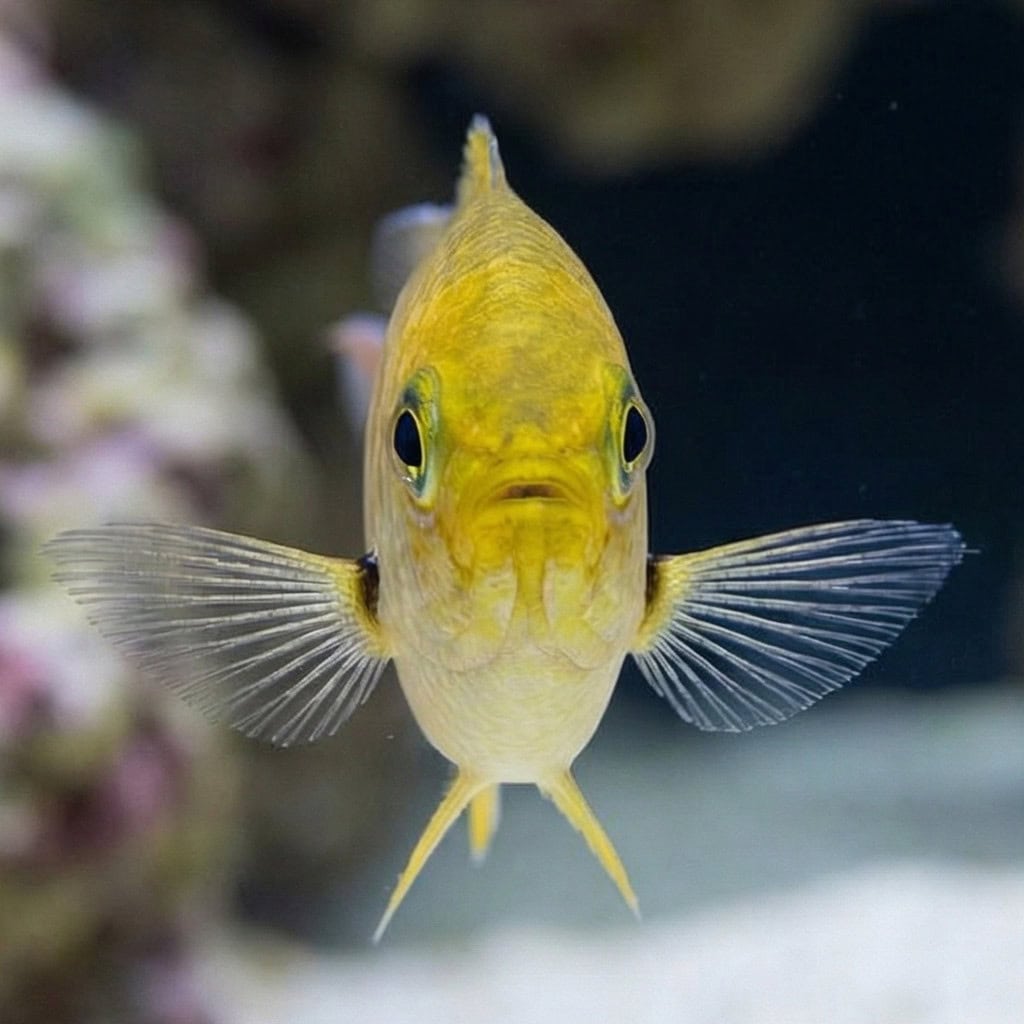
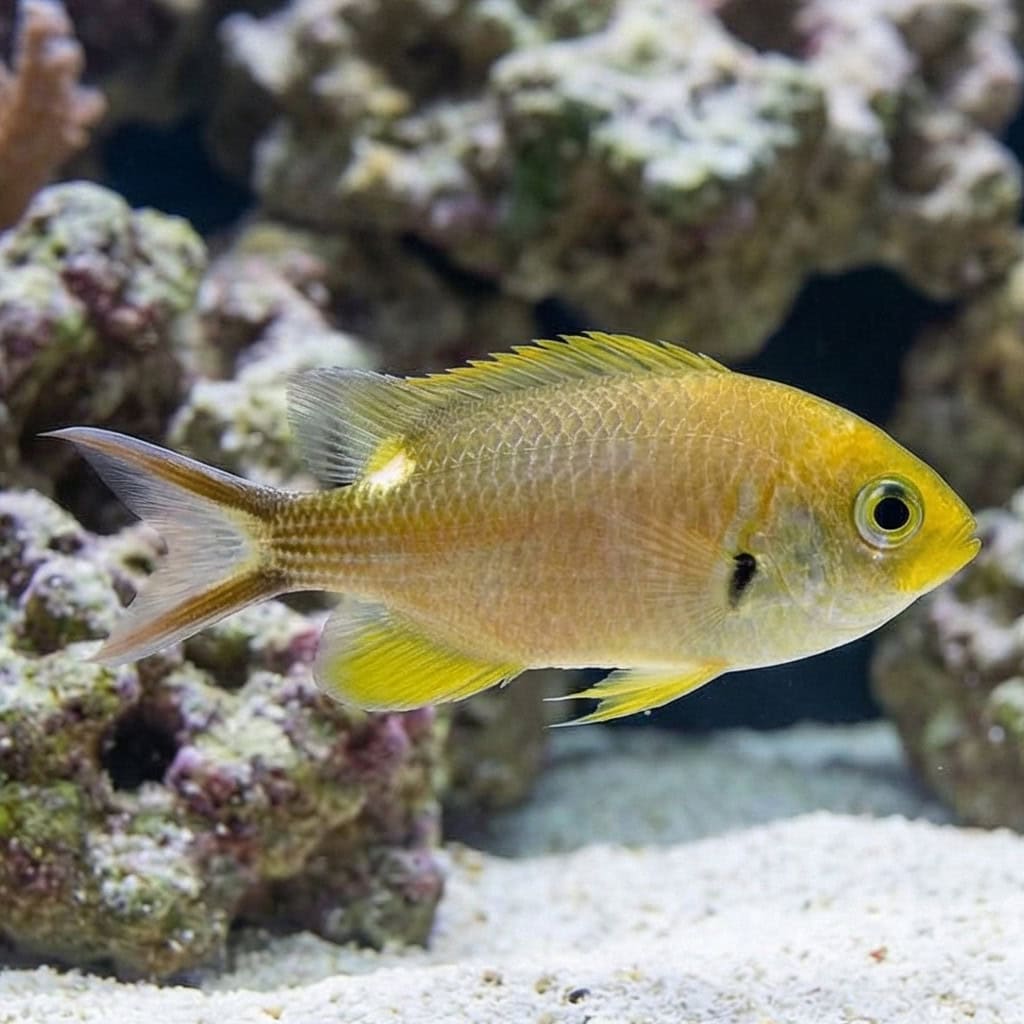
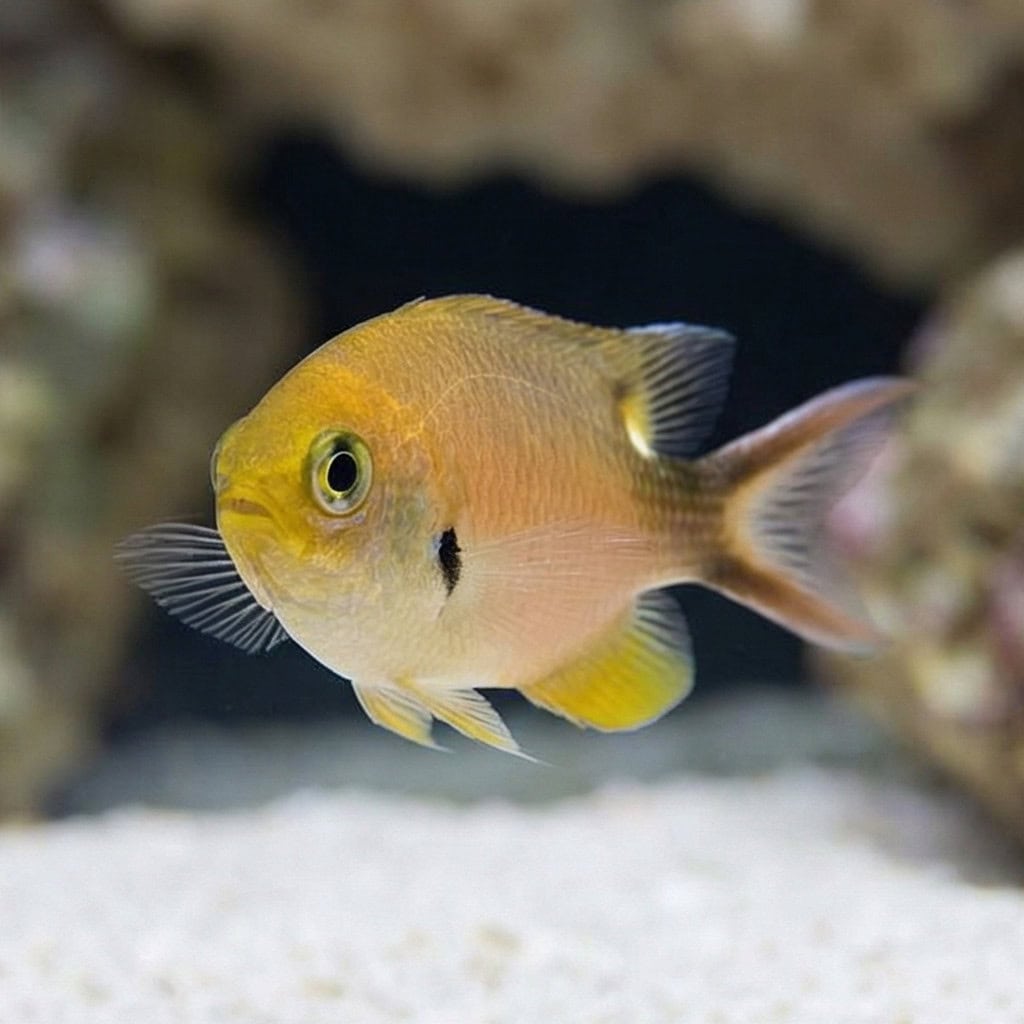
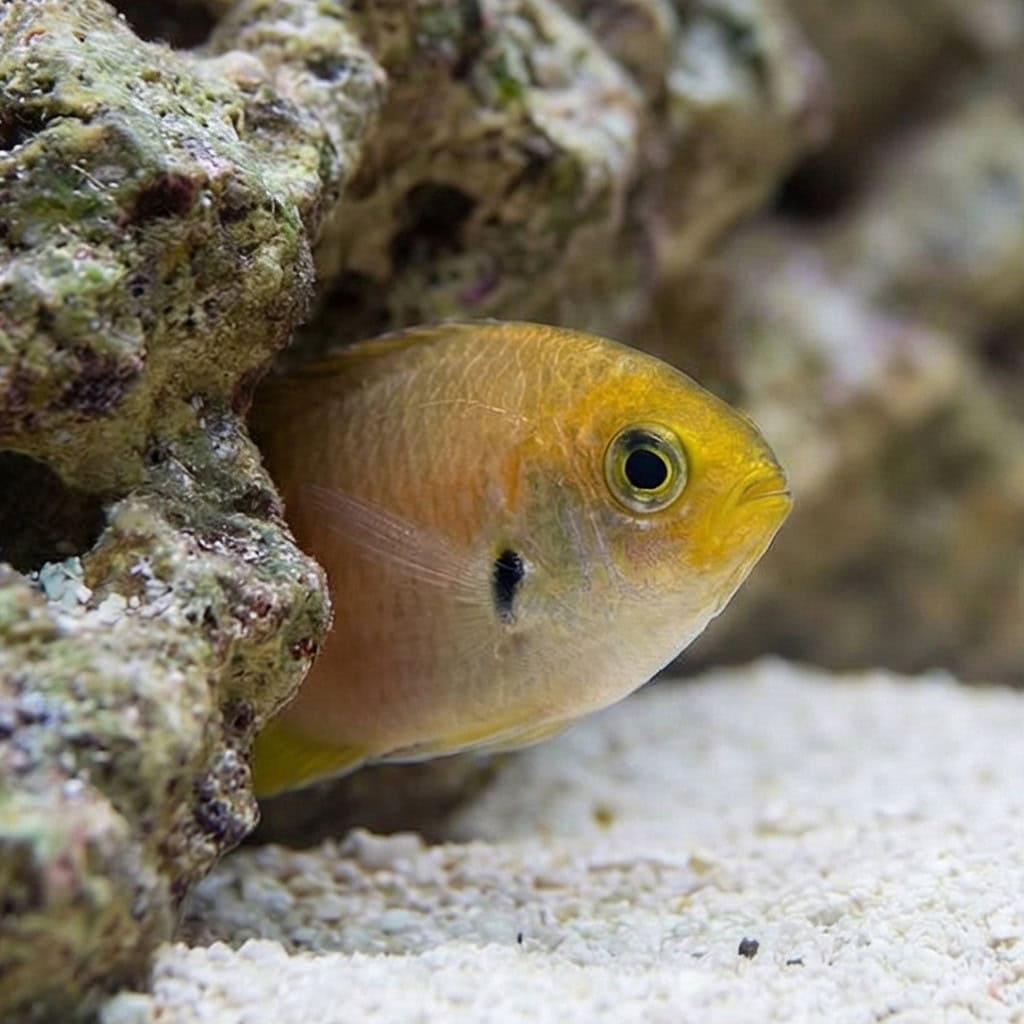
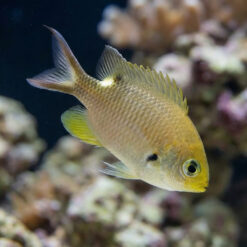
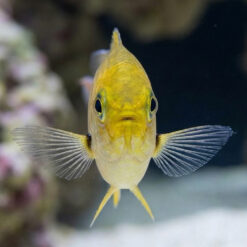
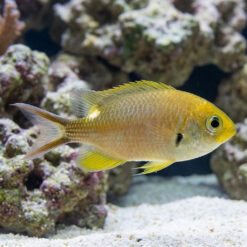
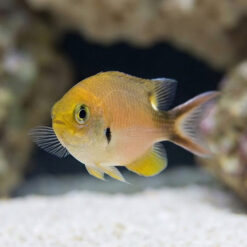
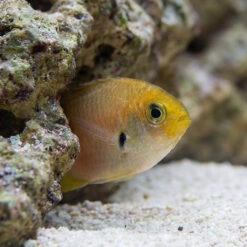
Scissortail Damsel
Azurina atrilobata
Original price was: $93.99.$48.99Current price is: $48.99.
| Stock | Variations | Price | Quantity | |
|---|---|---|---|---|
| Only 1 left | 2.25 - 3.25" - East Pacific | Original price was: $93.99.$48.99Current price is: $48.99. |
-
+
|
Every order ships with our standard 3-hour live arrival guarantee. Need more time? Add our 5-Day Guarantee at checkout.
Full guarantee terms →Ships Monday – Thursday for next-day arrival at your nearest FedEx Hold location — typically ready by 9 AM. We monitor every delivery.
Shipping details →
Monday – Friday 8 AM – 9 PM
Saturday 12 PM – 4 PM
Sunday 12 PM – 9 PM
Healthy, stable animals from vetted suppliers — inspected before packing, shipped overnight. Decades of experience built this model so we can deliver premium livestock at 30%+ less than you'd pay elsewhere.
| Care Level | Easy |
|---|---|
| Temperament | Peaceful |
| Reef Safe | Yes |
| Functional Benefit | Ornamental Only |
| Diet Type | Planktivore |
| Mininum Tank Size | 30 gallons |
| Max Size | 5 inches |
| Temperature | 72–78°F |
| pH Range | 8.1–8.4 |
| Specific Gravity | 1.022–1.025 |
The Scissortail Damsel (Chromis atrilobata; accepted name Azurina atrilobata) is an open-water, reef-associated damselfish from the eastern Pacific, often seen gathering above coral and rocky reefs. It shows a streamlined blue-gray body and a deeply forked “scissor” tail that stays active in the water column.
What You’ll Observe:
- Hovering and cruising in midwater above the reef structure, especially once it settles in
- Quick, coordinated turns and short dashes when food hits the water
- A preference for holding position in the current rather than perching on the rocks
- Loose group behavior that looks more like a moving cluster than a tight “ball”
- Regular use of rockwork as a retreat spot when lights dim
To help it do well long-term, provide open swimming room with rockwork nearby so it can move out into the water column and return to structure as needed. Offer small, frequent feedings of fine frozen foods and appropriately sized pellets so it can feed naturally in the current; consistent routines usually bring it out earlier and keep it active.
Will it “school” tightly like in the ocean?
In many home tanks it tends to form a loose shoal (staying generally together) rather than a tight, perfectly synchronized school.
Should I keep one or a small group?
Many hobbyists keep a single fish successfully, while groups can look more natural—adding them together and feeding consistently often helps the group settle into a steadier routine.
Do they sleep out in the open or in the rocks?
Most will drift toward the rockwork and pick a consistent retreat area as the lights go down, then resume midwater activity after the light cycle ramps up.
Can I mix this with other chromis/damsels for a “school” effect?
It’s usually smoother when similarly sized, similarly shaped fish are introduced around the same time, so territories and “favorite spots” develop more evenly.
How do I get a new one eating confidently?
Start with small foods that stay suspended (fine frozen blends, small pellets) and feed a little more often at first so it can learn the flow pattern and feeding zone.
Shipped with pure oxygen and temperature control so it arrives stress-free and ready to eat.
Recently viewed products