
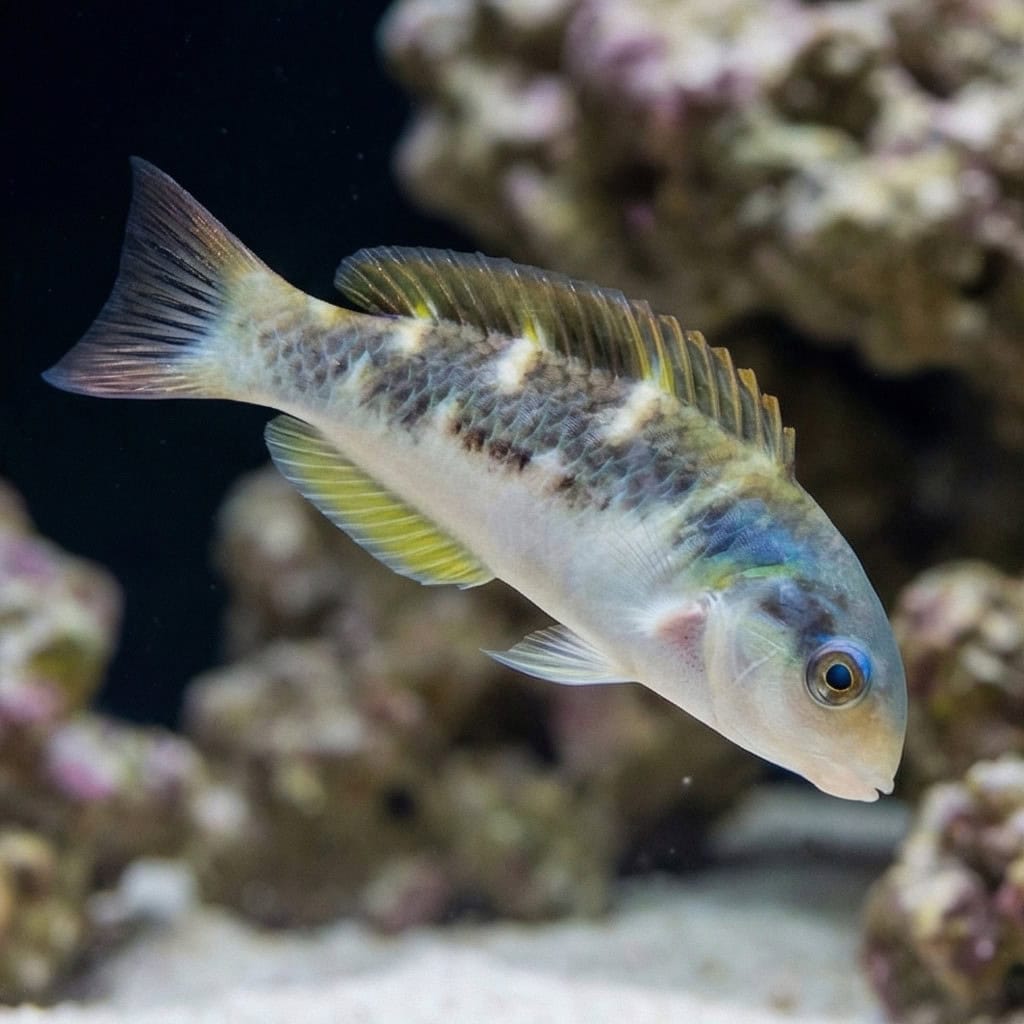
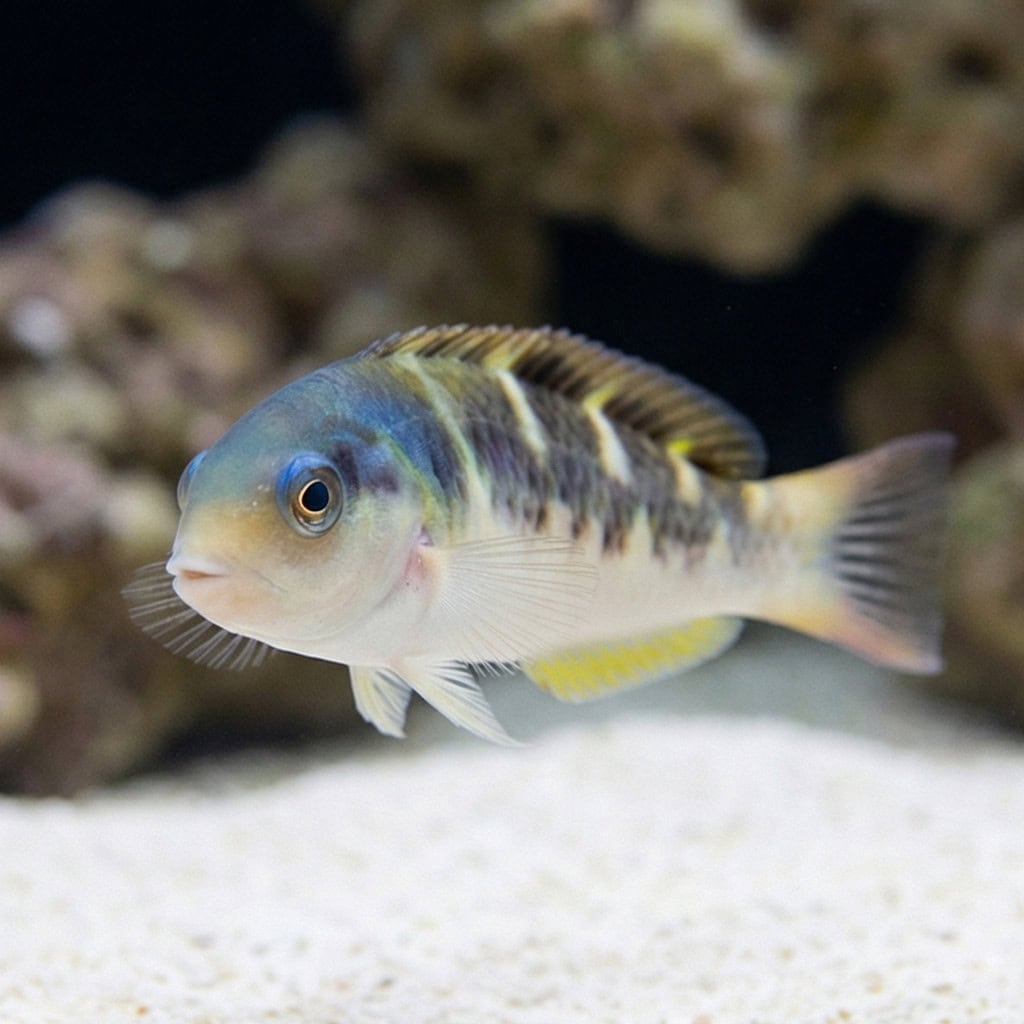
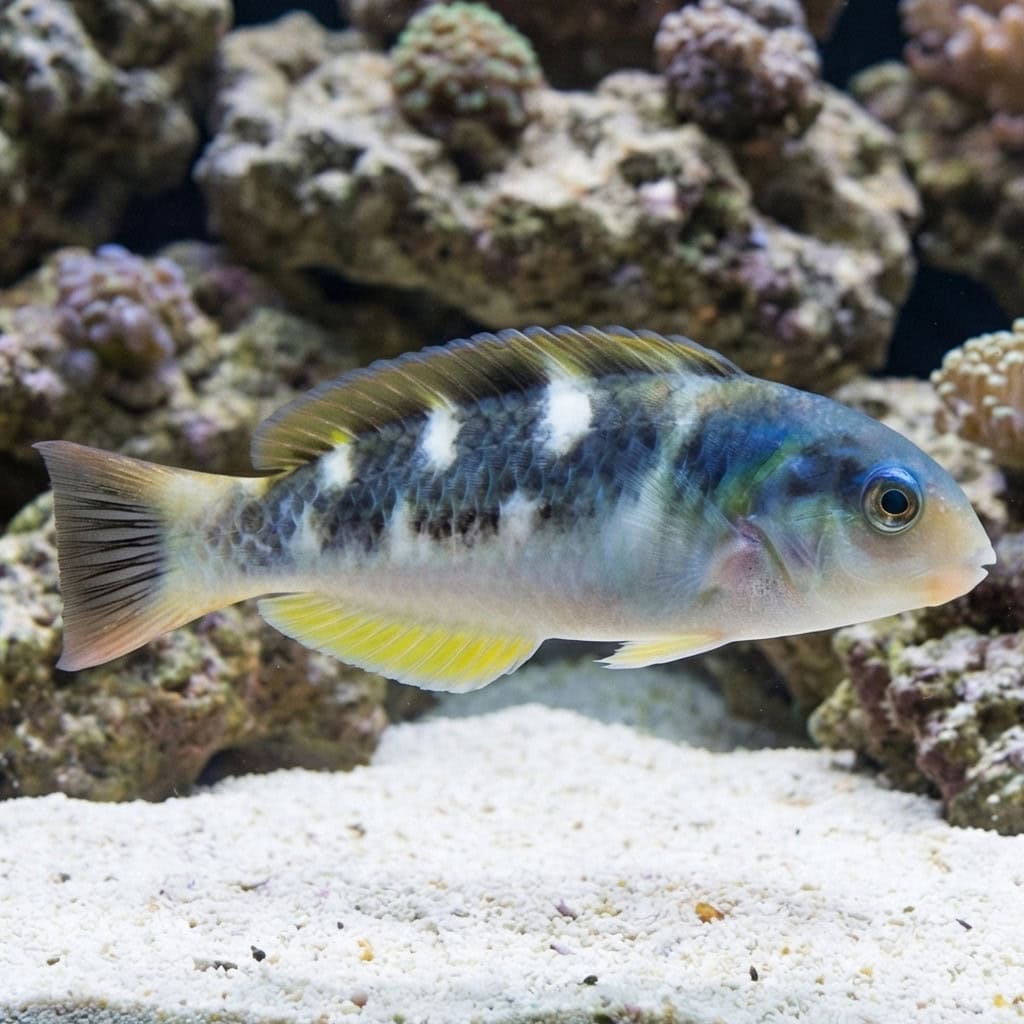
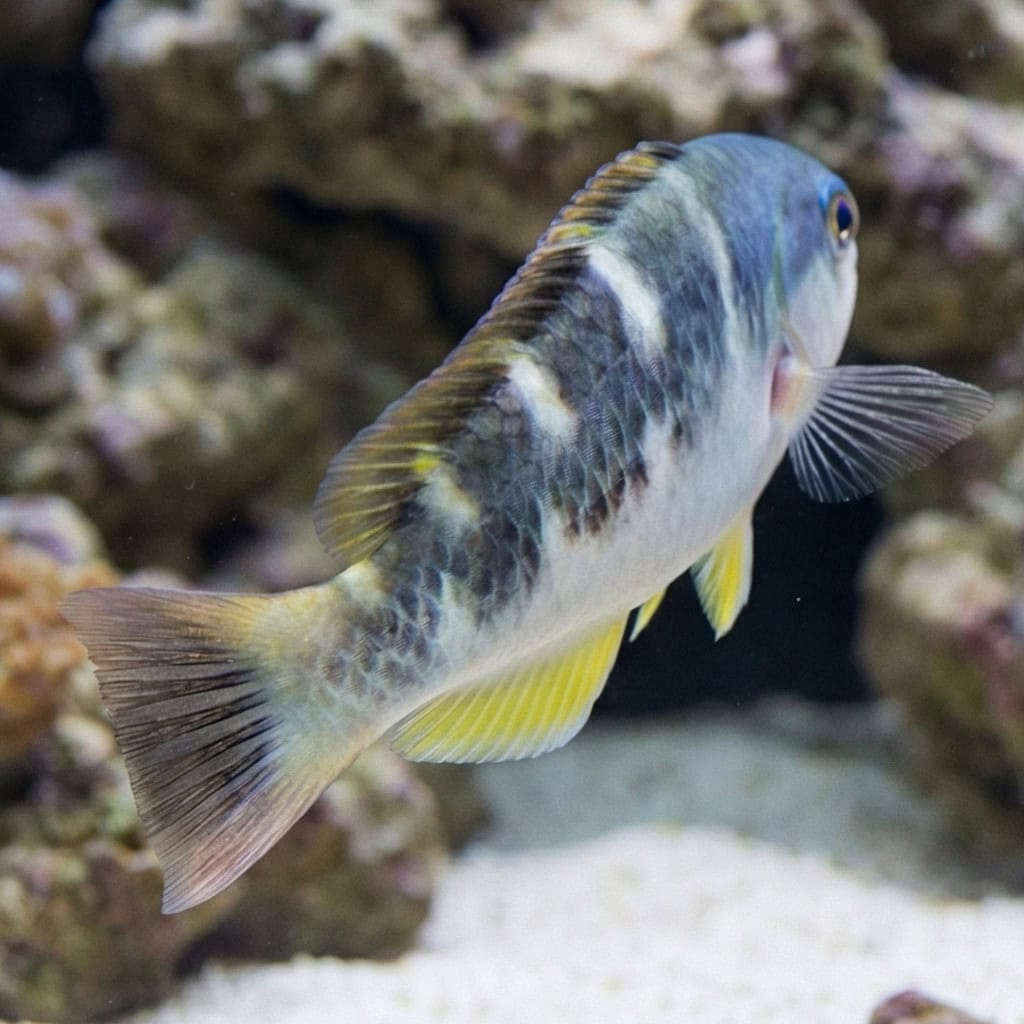
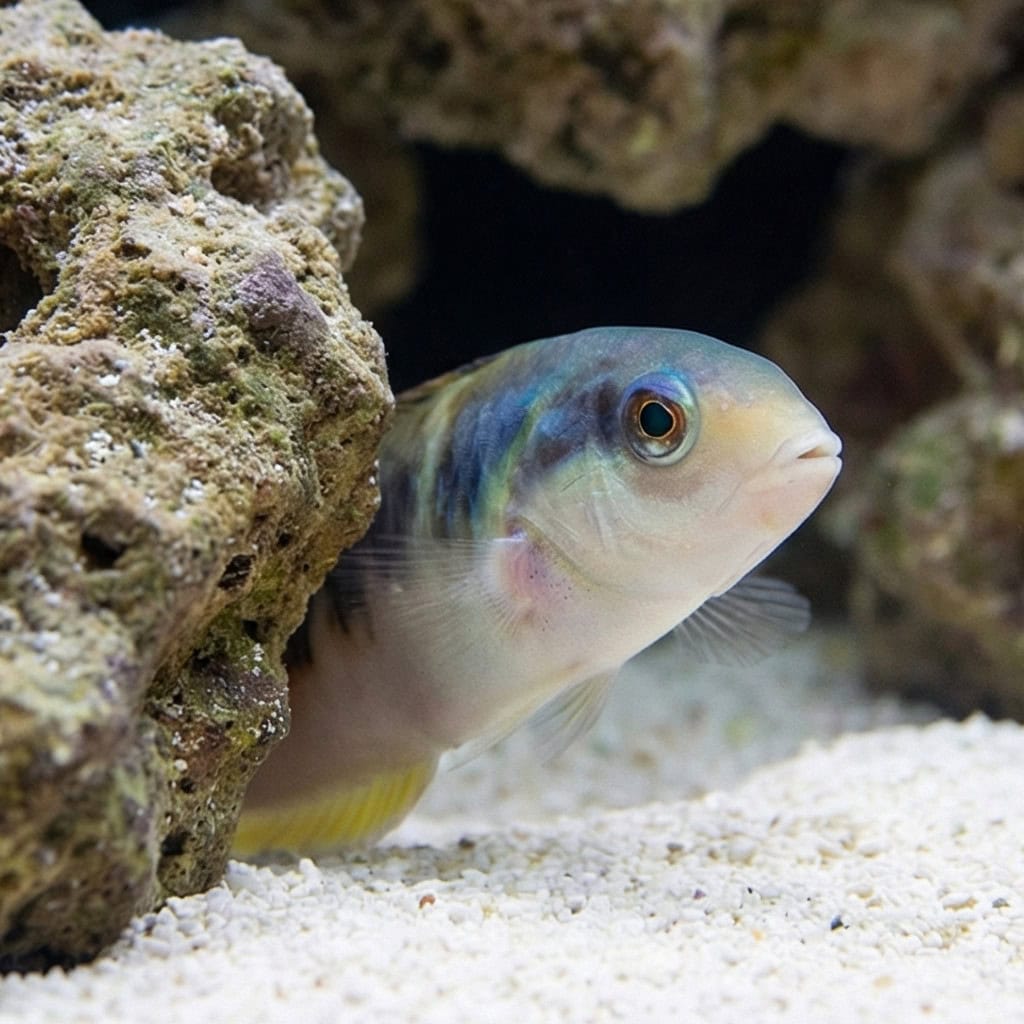
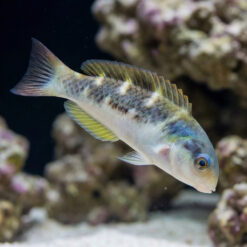
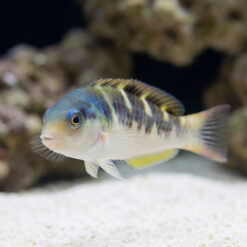
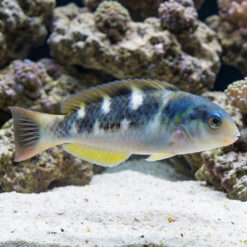
Jansen’s Wrasse
Thalassoma jansenii
| Stock | Variations | Price | Quantity |
|---|
Every order ships with our standard 3-hour live arrival guarantee. Need more time? Add our 5-Day Guarantee at checkout.
Full guarantee terms →Ships Monday – Thursday for next-day arrival at your nearest FedEx Hold location — typically ready by 9 AM. We monitor every delivery.
Shipping details →
Monday – Friday 8 AM – 9 PM
Saturday 12 PM – 4 PM
Sunday 12 PM – 9 PM
Healthy, stable animals from vetted suppliers — inspected before packing, shipped overnight. Decades of experience built this model so we can deliver premium livestock at 30%+ less than you'd pay elsewhere.
| Care Level | Moderate |
|---|---|
| Temperament | Semi-Aggressive |
| Reef Safe | With Caution |
| Functional Benefit | Pest Control |
| Diet Type | Carnivore |
| Mininum Tank Size | 120 gallons |
| Max Size | 8 inches |
| Temperature | 72–78°F |
| pH Range | 8.1–8.4 |
| Specific Gravity | 1.022–1.025 |
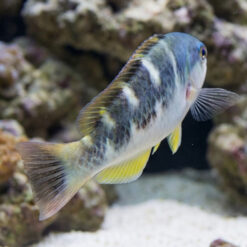
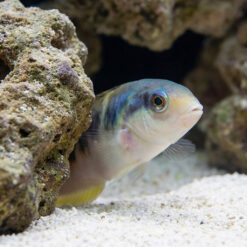
Jansen’s Wrasse (Thalassoma jansenii) is an active “saddle wrasse” that naturally hunts small, motile invertebrates, which can help keep rockwork clear of roaming pests. Its pattern is typically pale with bold dark bands, and mature males often show more yellow between the bars as they develop.
What You’ll Observe:
- Constant cruising in and out of rockwork, with quick turns and tight laps along the reef structure
- Regular “inspection” of crevices and the sand line for bite-sized prey
- A noticeable shift in coloration as the fish matures and settles into a dominant look
- Fast, mid-water feeding response—often taking food while still on the move
Provide a spacious aquascape with open swim room and sturdy rockwork; a sandbed area gives a natural place to settle at night. Offer a rotating mix of meaty frozen foods plus quality pellets so it can feed in short bursts throughout the day. A tight-fitting lid helps support uninterrupted, confident activity.
Will it leave corals alone but still hunt my clean-up crew?
Many keepers find it ignores coral tissue but targets moving invertebrates (especially small shrimp, crabs, and some snails) as it matures.
Does it need sand, or can it be kept bare-bottom?
Some individuals wedge into rockwork to rest, but many hobbyists report more consistent “settling down” behavior when a sandbed area is available.
Why does it sometimes look more yellow (or more contrasted) on certain days?
Color shifts are commonly tied to maturity, social dominance, and daily activity level, so the same fish can look different from week to week.
What’s the best way to introduce it if I plan to keep other wrasses?
A common approach is introducing other wrasses first and adding the Thalassoma later, so the tank feels “already established” when it arrives.
Do wrasses really jump that easily?
Hobbyists frequently report wrasses finding small gaps (feeding doors, cord cutouts), so covering those openings is usually the deciding factor.
Shipped with pure oxygen and temperature control so it arrives stress-free and ready to eat.
Recently viewed products