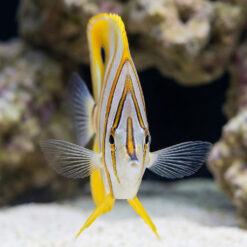
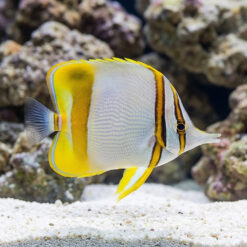
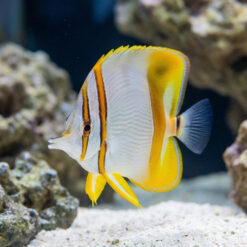
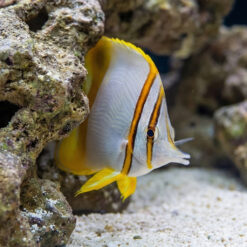
Margined Butterfly
Chelmon marginalis
| Stock | Variations | Price | Quantity |
|---|
Every order ships with our standard 3-hour live arrival guarantee. Need more time? Add our 5-Day Guarantee at checkout.
Full guarantee terms →Ships Monday – Thursday for next-day arrival at your nearest FedEx Hold location — typically ready by 9 AM. We monitor every delivery.
Shipping details →
Monday – Friday 8 AM – 9 PM
Saturday 12 PM – 4 PM
Sunday 12 PM – 9 PM
Healthy, stable animals from vetted suppliers — inspected before packing, shipped overnight. Decades of experience built this model so we can deliver premium livestock at 30%+ less than you'd pay elsewhere.
| Care Level | Moderate |
|---|---|
| Temperament | Peaceful |
| Reef Safe | With Caution |
| Functional Benefit | Pest Control |
| Diet Type | Carnivore |
| Mininum Tank Size | 90 gallons |
| Max Size | 8 inches |
| Temperature | 72–78°F |
| pH Range | 8.1–8.4 |
| Specific Gravity | 1.022–1.025 |
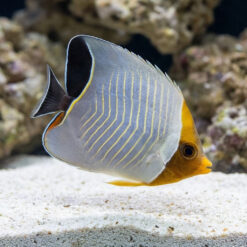
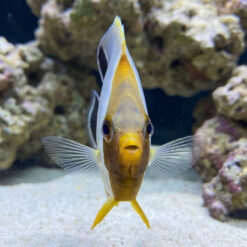
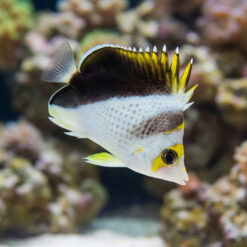
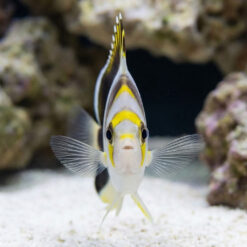
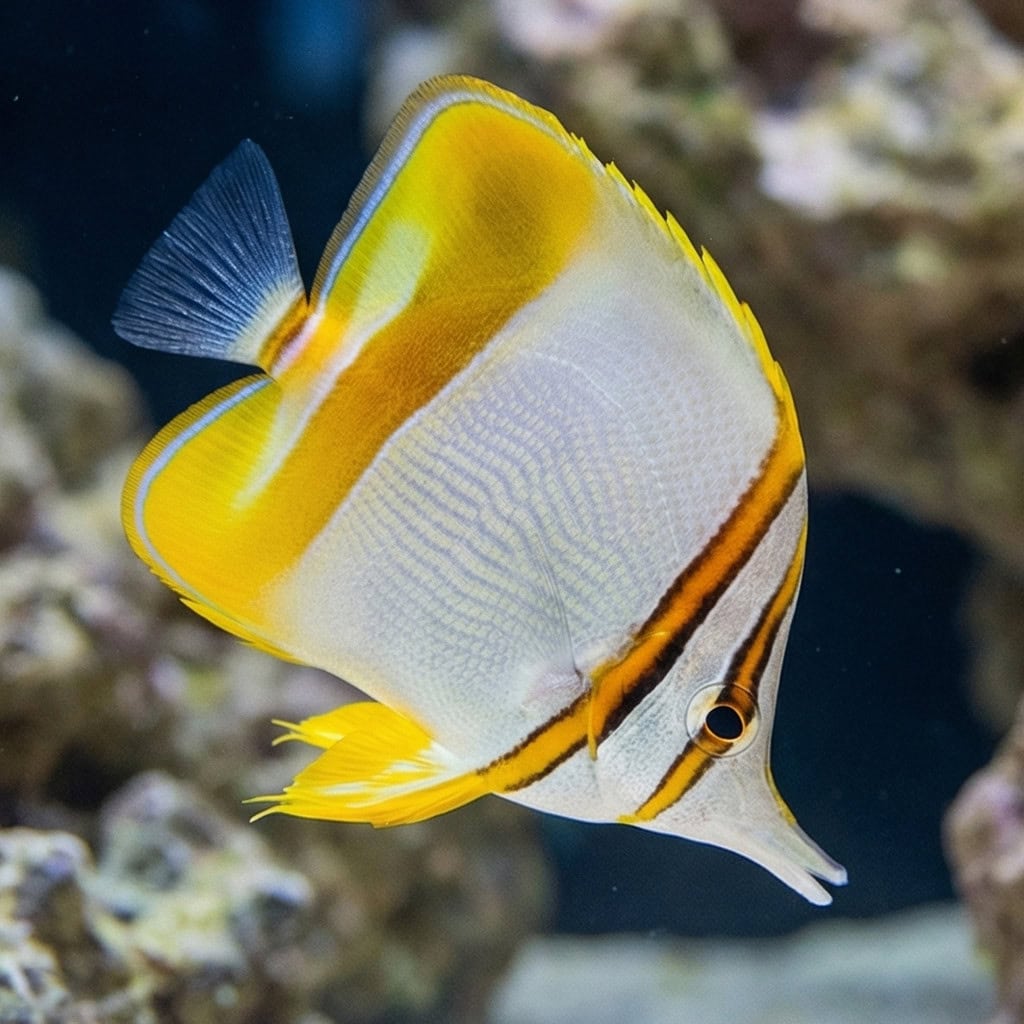
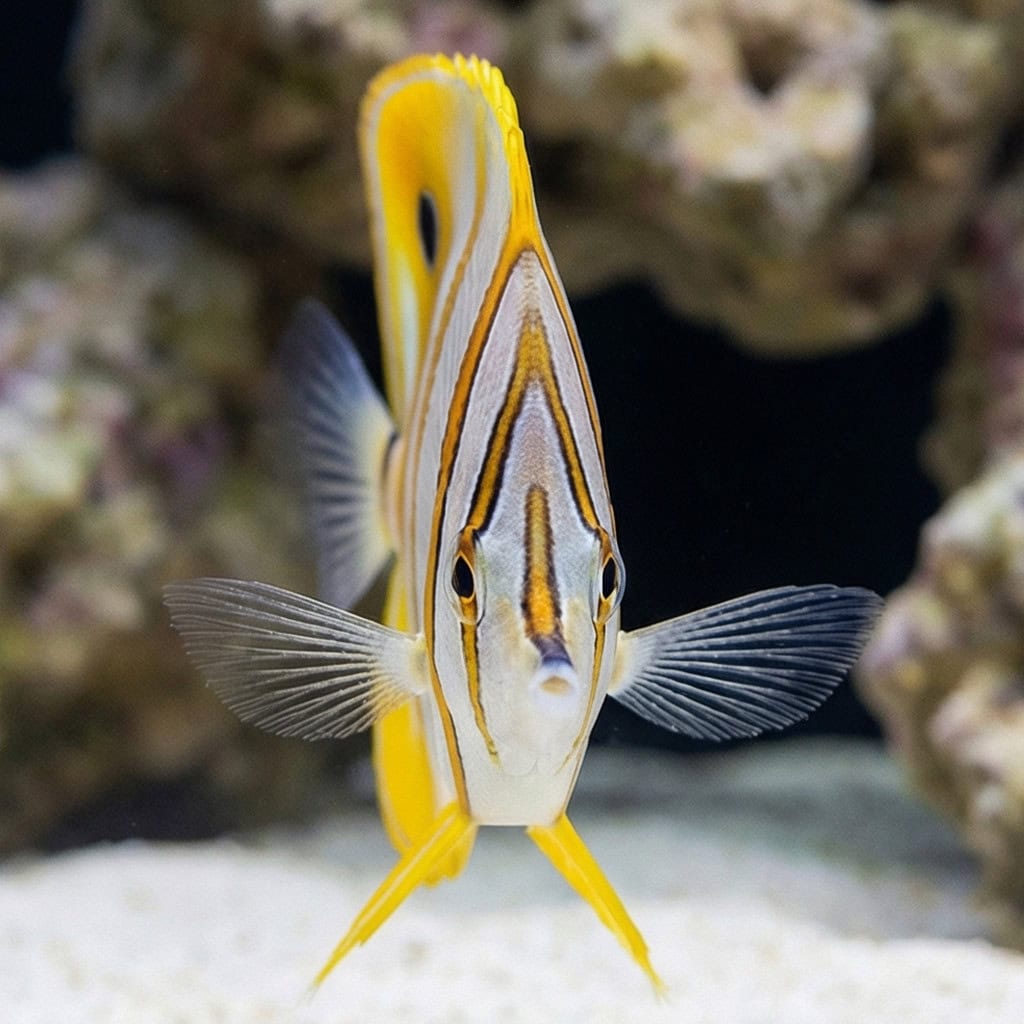
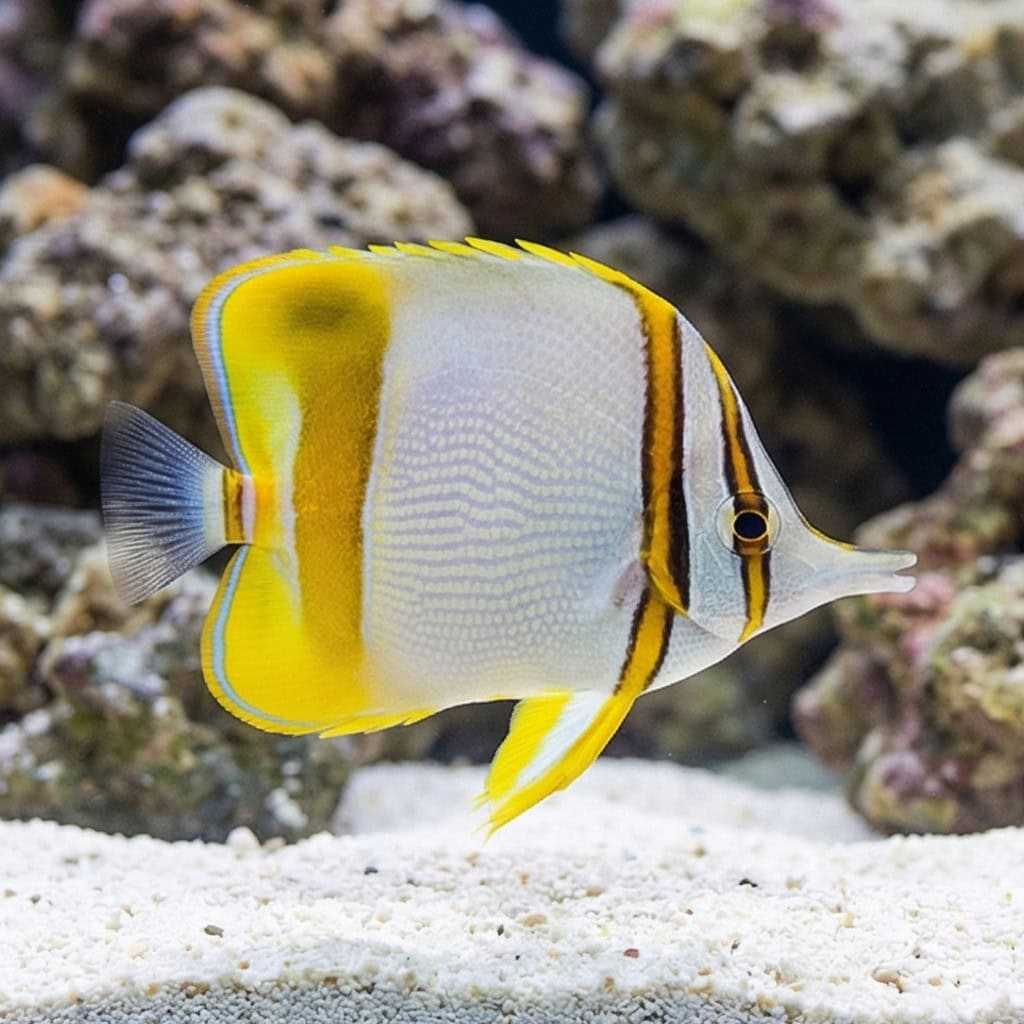
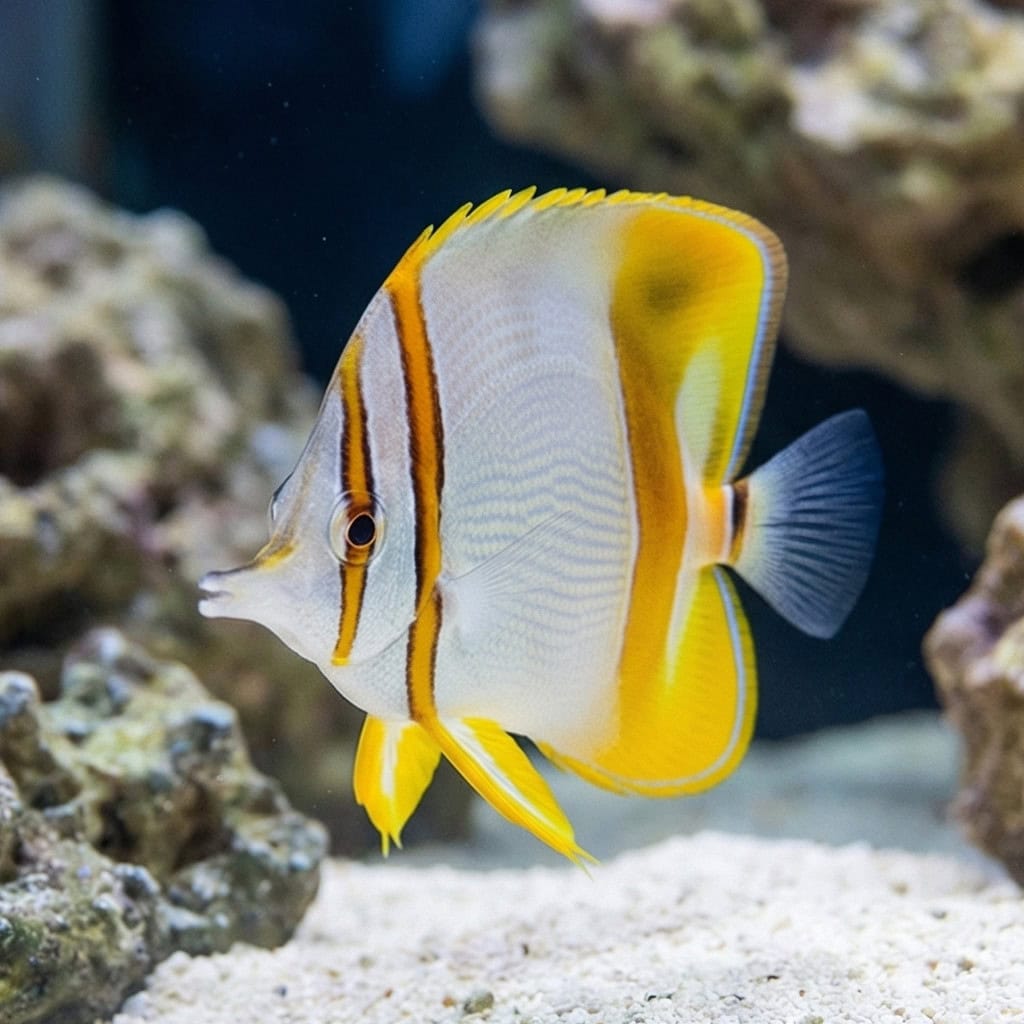
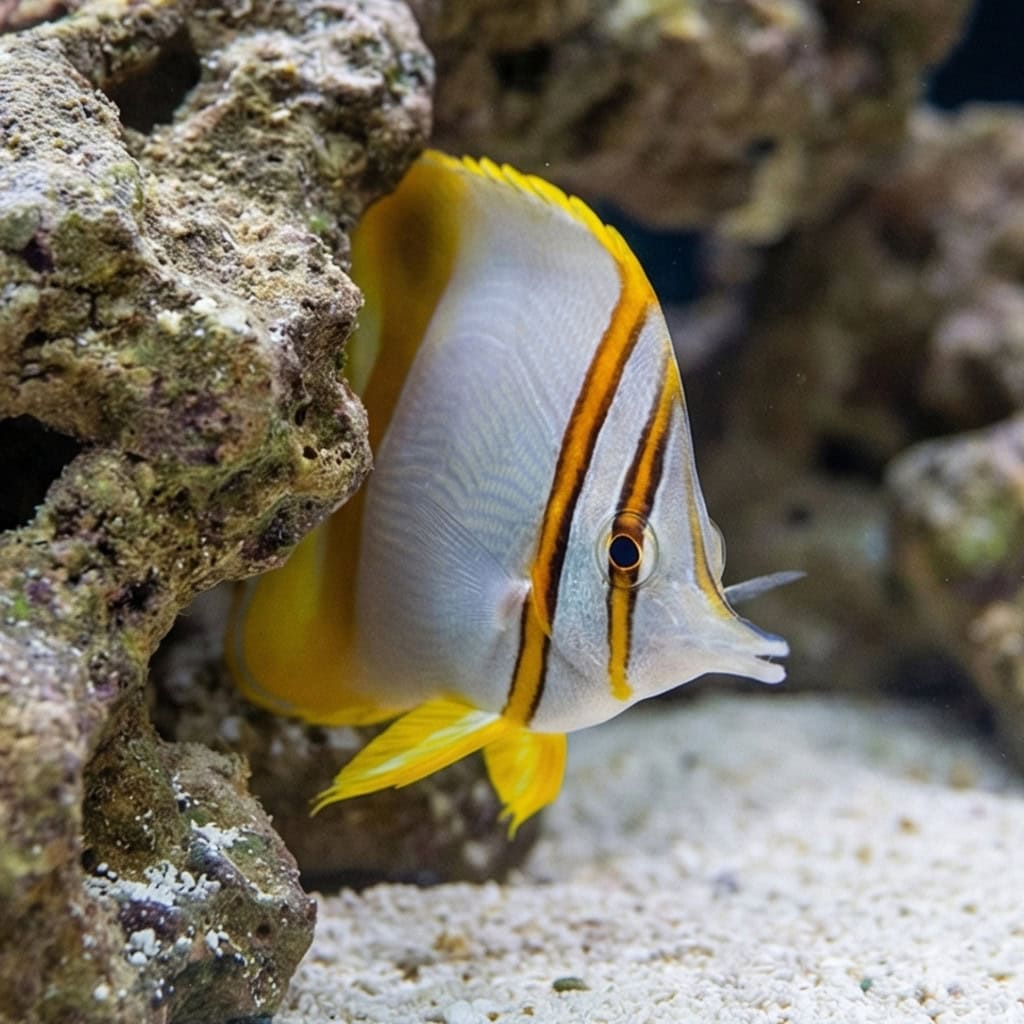
Often chosen for pest control, the Margined Butterfly (Chelmon marginalis) is known for picking at small nuisance pests like Aiptasia in some aquariums. Its silvery-white body, orange facial bars, and yellow band near the tail pair with a long, narrow snout built for probing into rockwork. Native to Australian reefs, it spends much of its day inspecting surfaces for tiny benthic foods.
What You’ll Observe:
- Slow, steady cruising along live rock, pausing often to “inspect” crevices with its snout
- Short bursts of focused picking in one area, then moving on to the next patch of rock
- Regular laps through open water between feeding stops
- Occasional pairing behavior when housed with a compatible mate
Provide mature live rock with plenty of holes and ledges, plus open swimming room so it can forage naturally. Offer a varied rotation of meaty foods (like mysis and finely chopped seafood) and use multiple small feedings to build a consistent routine. It does best when it can settle in without heavy competition at mealtime.
Will it always eat Aiptasia once added?
Many hobbyists report Aiptasia picking, but results vary by individual fish and what other foods are available in the tank.
Is it normal for it to “pace” one rock wall for days?
Yes—many keepers notice a pattern of repeated inspection laps as it learns the tank and targets tiny foods in specific spots.
Will it bother feather dusters and tube worms?
This species is frequently reported to pick at tubeworm crowns, so tanks with lots of ornamental worms may see increased attention on them.
Can you keep two together?
Some keepers have success with pairs or small groups when introduced at the same time and given ample space, but compatibility is still individual.
Do the markings look different as it matures?
Juveniles can show stronger pattern elements that fade with age, and adults typically lack the bold “false eyespot” seen in some related butterflyfish.
We work with trusted suppliers who keep our specimens healthy and well-fed before shipping.
Recently viewed products