
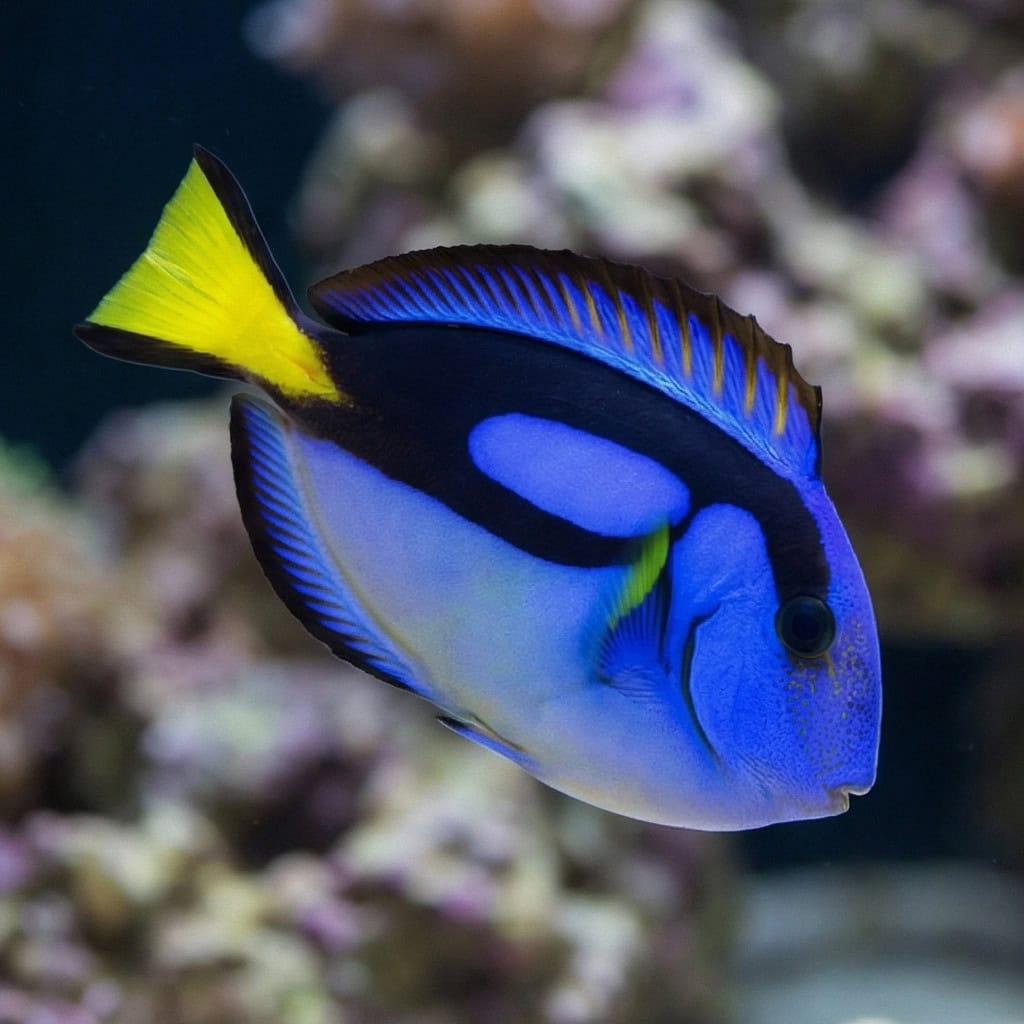
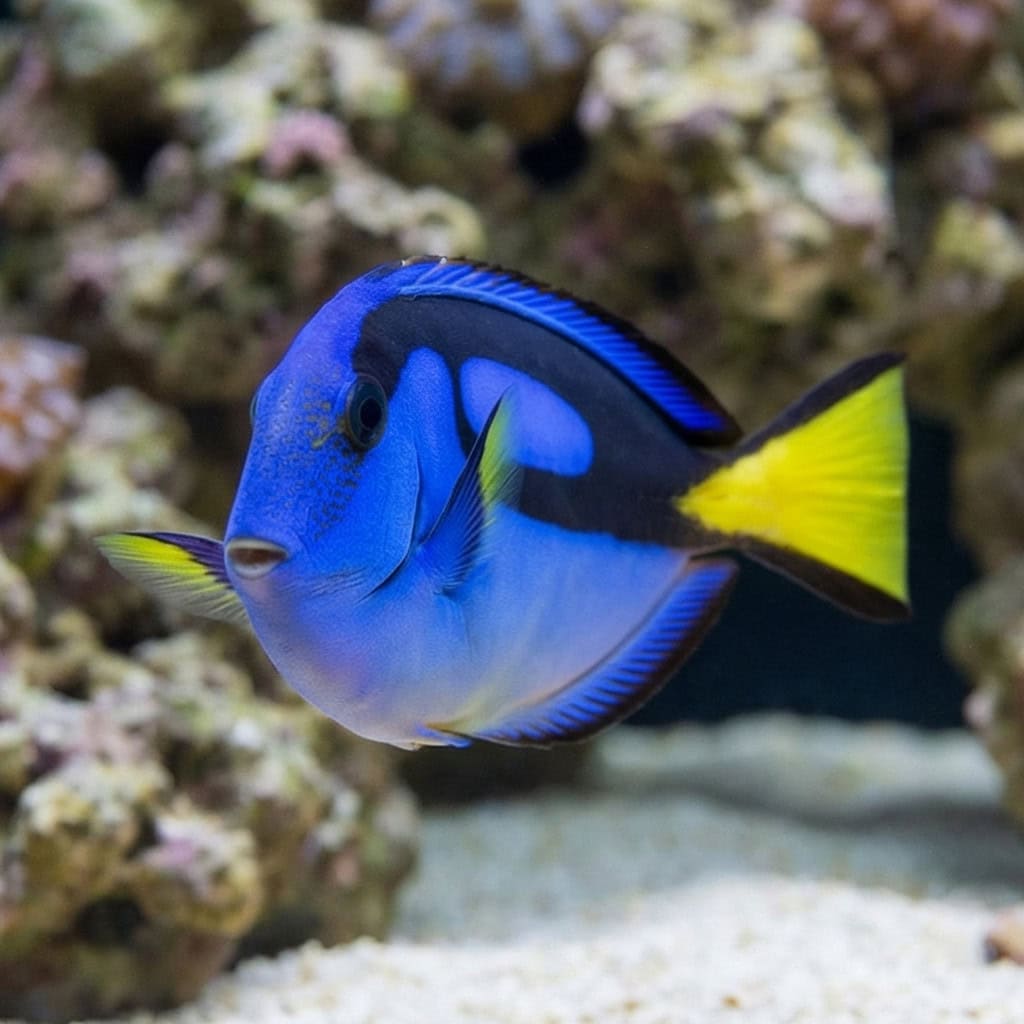
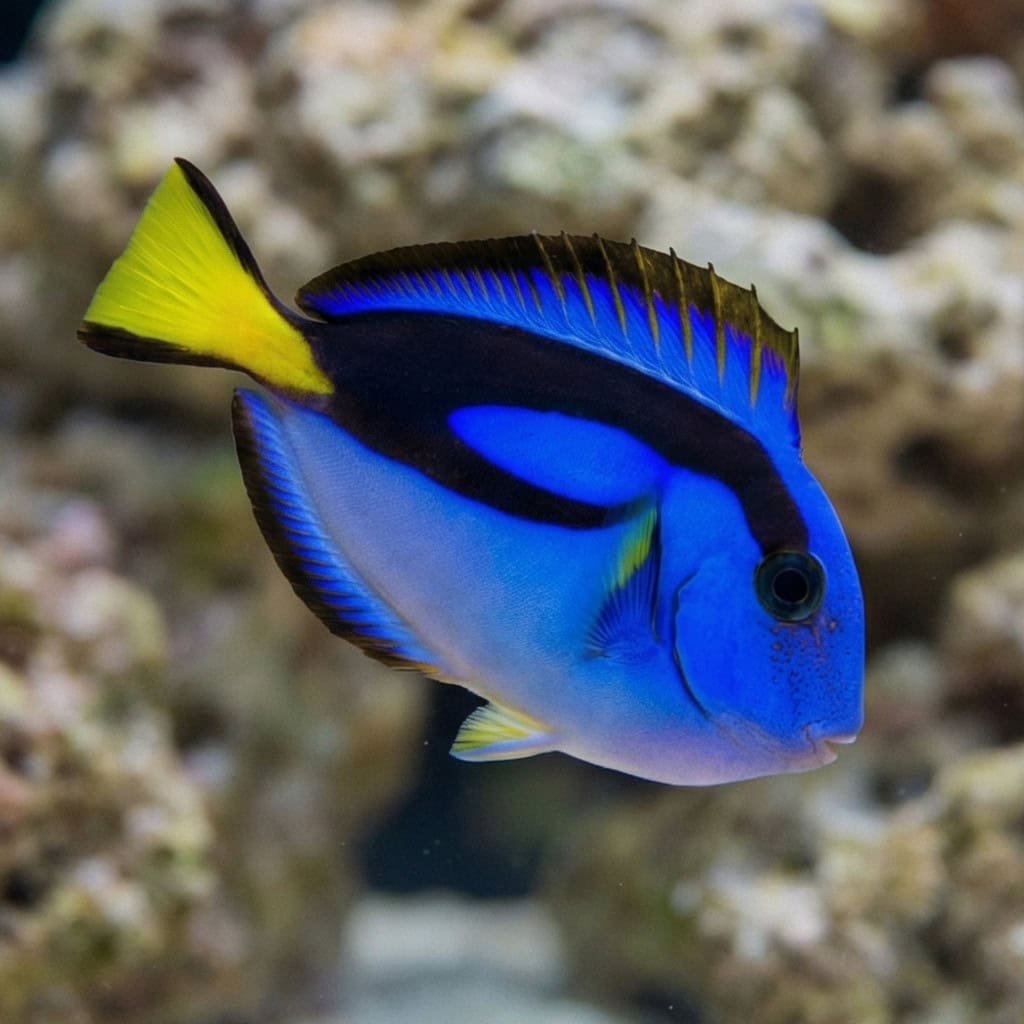
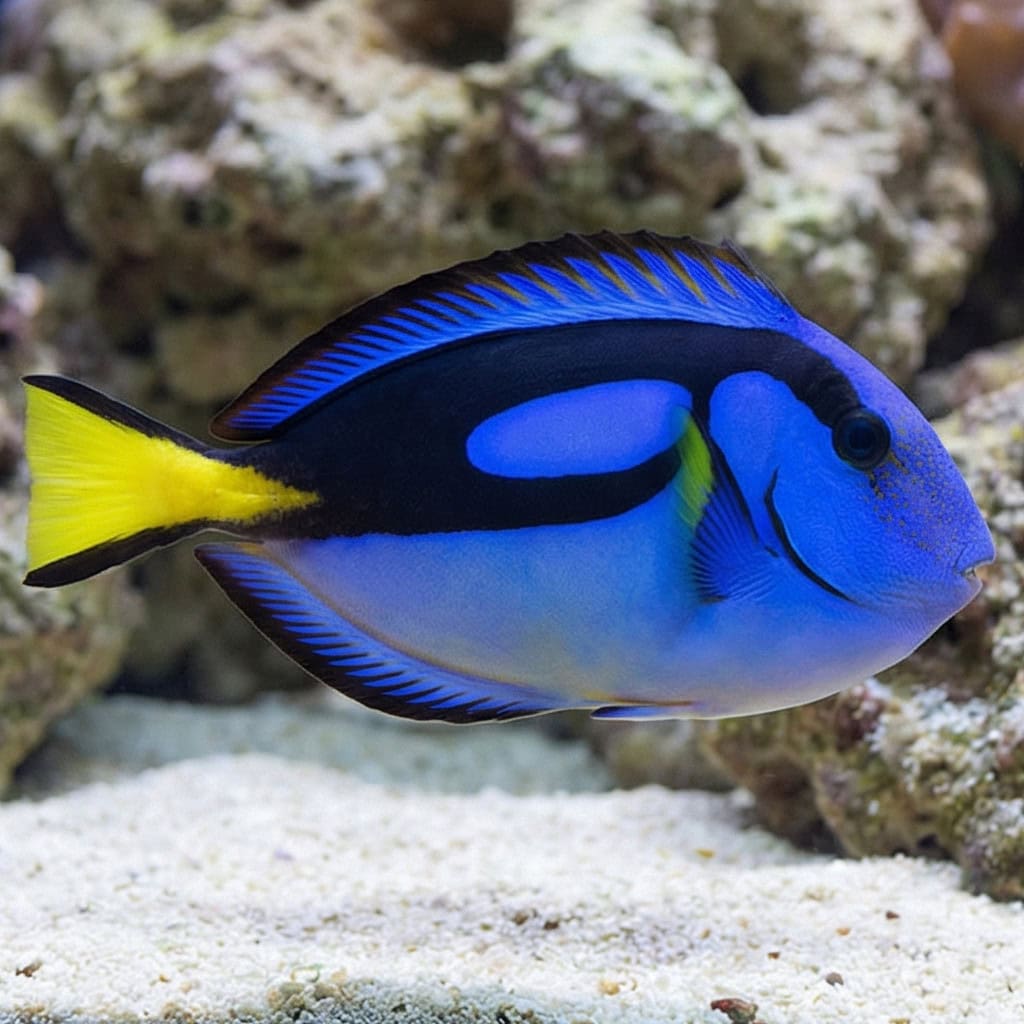
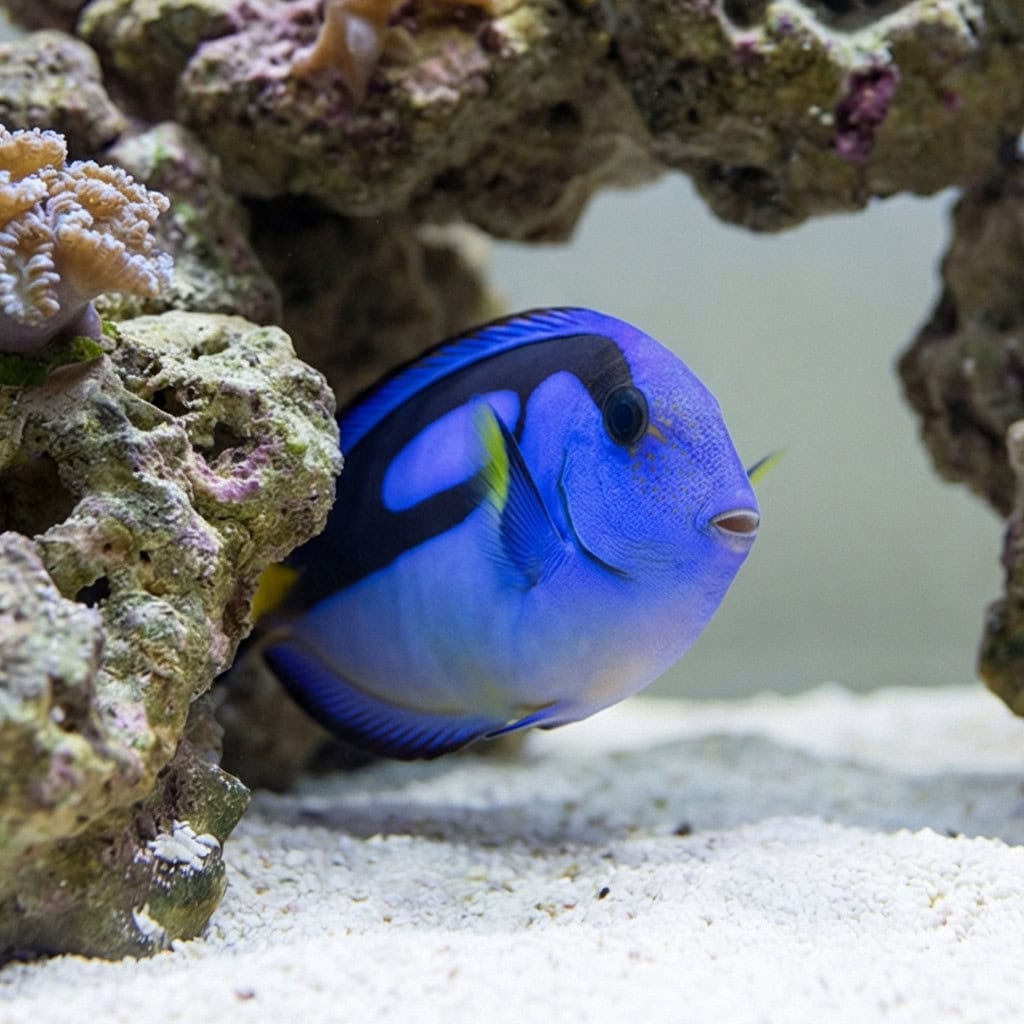
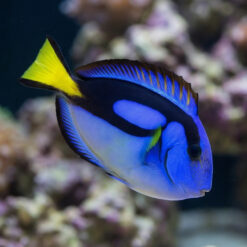
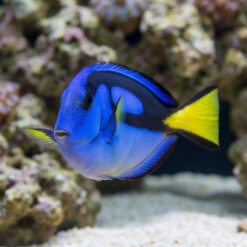
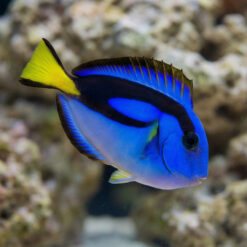
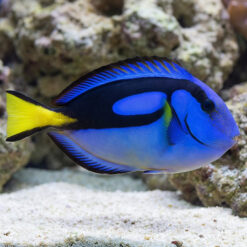
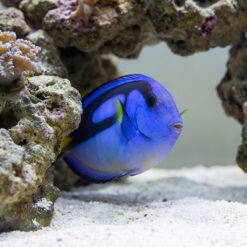
Blue Hippo Tang Yellow Belly
Paracanthurus hepatus
| Stock | Variations | Price | Quantity | |
|---|---|---|---|---|
| Out of Stock | 1.25" or smaller - Juvenile - Africa | Original price was: $93.99.$48.99Current price is: $48.99. | Email me |
Every order ships with our standard 3-hour live arrival guarantee. Need more time? Add our 5-Day Guarantee at checkout.
Full guarantee terms →Ships Monday – Thursday for next-day arrival at your nearest FedEx Hold location — typically ready by 9 AM. We monitor every delivery.
Shipping details →
Monday – Friday 8 AM – 9 PM
Saturday 12 PM – 4 PM
Sunday 12 PM – 9 PM
Healthy, stable animals from vetted suppliers — inspected before packing, shipped overnight. Decades of experience built this model so we can deliver premium livestock at 30%+ less than you'd pay elsewhere.
| Care Level | Moderate |
|---|---|
| Temperament | Semi-Aggressive |
| Reef Safe | Yes |
| Functional Benefit | Algae Control |
| Diet Type | Omnivore |
| Mininum Tank Size | 180 gallons |
| Max Size | 12 inches |
| Temperature | 72–78°F |
| pH Range | 8.1–8.4 |
| Specific Gravity | 1.022–1.025 |
The Blue Hippo Tang (Yellow Belly) is an active grazer that helps pick at film algae while adding nonstop movement to larger reef tanks. It shows a royal-blue body with a bold black “palette” marking, a bright yellow tail, and—on this color form—a noticeable yellow belly.
What You’ll Observe:
- Long, open-water laps across the front of the tank, especially during feeding time
- Quick “dart and pause” cruising through rockwork, then back out into open water
- Regular grazing passes over rock and glass as it searches for natural growth
- Sleeping behavior that includes wedging into rock crevices or resting on its side
Provide a 180-gallon (or larger) aquarium with a long footprint, open swimming lanes, and multiple rockwork “parking spots” it can use to settle in. Offer algae sheets plus a varied omnivore menu (quality pellets and frozen foods) so it stays active and maintains body weight.
Why does my Blue Hippo Tang wedge into rocks or lay on its side—does it sleep like that?
Many do; they often “park” in tight rock crevices or rest on their side as a normal sleep/comfort behavior.
How long will it hide after being added to a new tank?
It often comes out in short loops at first, then increases open swimming as it learns the tank’s layout and feeding routine.
What if it ignores nori/algae sheets at first?
Try placing a small sheet near its usual swimming path and leave it consistent day-to-day; many start sampling once they recognize it as a food source.
Is it normal for a new Hippo Tang to “disappear” for a day?
Yes—sometimes they tuck deep into the rockwork and stay still for long stretches, then reappear when the room is quiet or food is added.
Why does it suddenly get jumpy when I walk up to the aquarium?
They can learn patterns outside the glass; slow movements and a consistent feeding schedule usually make their “startle and dash” responses less frequent over time.
Our selection process means you get robust, well-adjusted specimens that settle in quickly.
Recently viewed products