
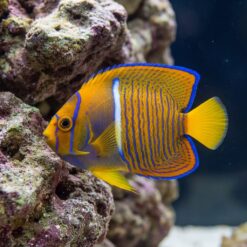
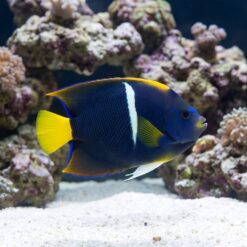
Passer Angelfish
Holacanthus passer
| Stock | Variations | Price | Quantity | |
|---|---|---|---|---|
| Out of Stock | 4.5 - 5.5" - East Pacific | Original price was: $736.99.$386.99Current price is: $386.99. | Email me | |
| Out of Stock | 3.75 - 4.5" - East Pacific | Original price was: $651.99.$341.99Current price is: $341.99. | Email me | |
| Out of Stock | 5.5 -7" - East Pacific | Original price was: $785.99.$412.99Current price is: $412.99. | Email me | |
| Out of Stock | 2 - 3" - Juvenile - East Pacific | Original price was: $490.99.$257.99Current price is: $257.99. | Email me | |
| Out of Stock | 2" or smaller - Juvenile - East Pacific | Original price was: $441.99.$231.99Current price is: $231.99. | Email me |
Every order ships with our standard 3-hour live arrival guarantee. Need more time? Add our 5-Day Guarantee at checkout.
Full guarantee terms →Ships Monday – Thursday for next-day arrival at your nearest FedEx Hold location — typically ready by 9 AM. We monitor every delivery.
Shipping details →
Monday – Friday 8 AM – 9 PM
Saturday 12 PM – 4 PM
Sunday 12 PM – 9 PM
Healthy, stable animals from vetted suppliers — inspected before packing, shipped overnight. Decades of experience built this model so we can deliver premium livestock at 30%+ less than you'd pay elsewhere.
| Care Level | Moderate |
|---|---|
| Temperament | Semi-Aggressive |
| Reef Safe | With Caution |
| Functional Benefit | Ornamental Only |
| Diet Type | Omnivore |
| Mininum Tank Size | 250 gallons |
| Max Size | 18 inches |
| Temperature | 72–78°F |
| pH Range | 8.1–8.4 |
| Specific Gravity | 1.022–1.025 |
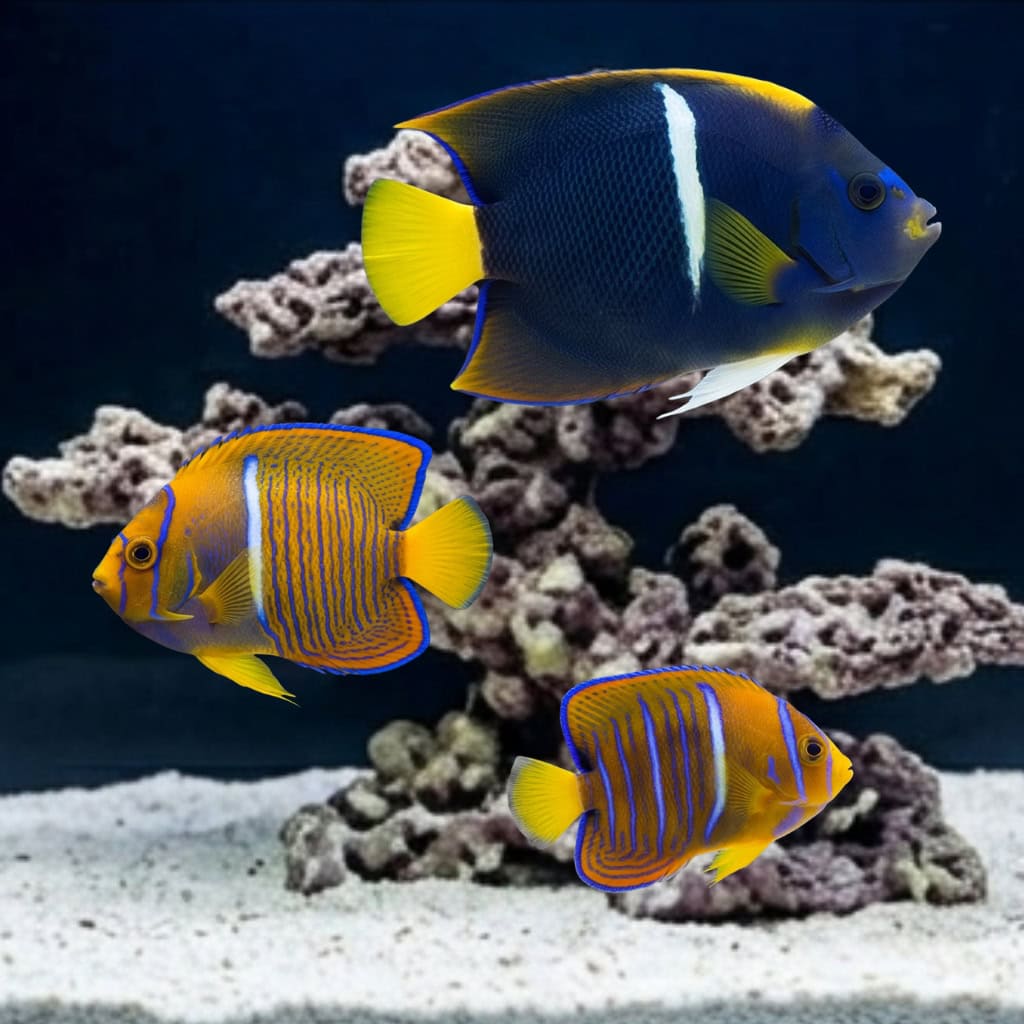
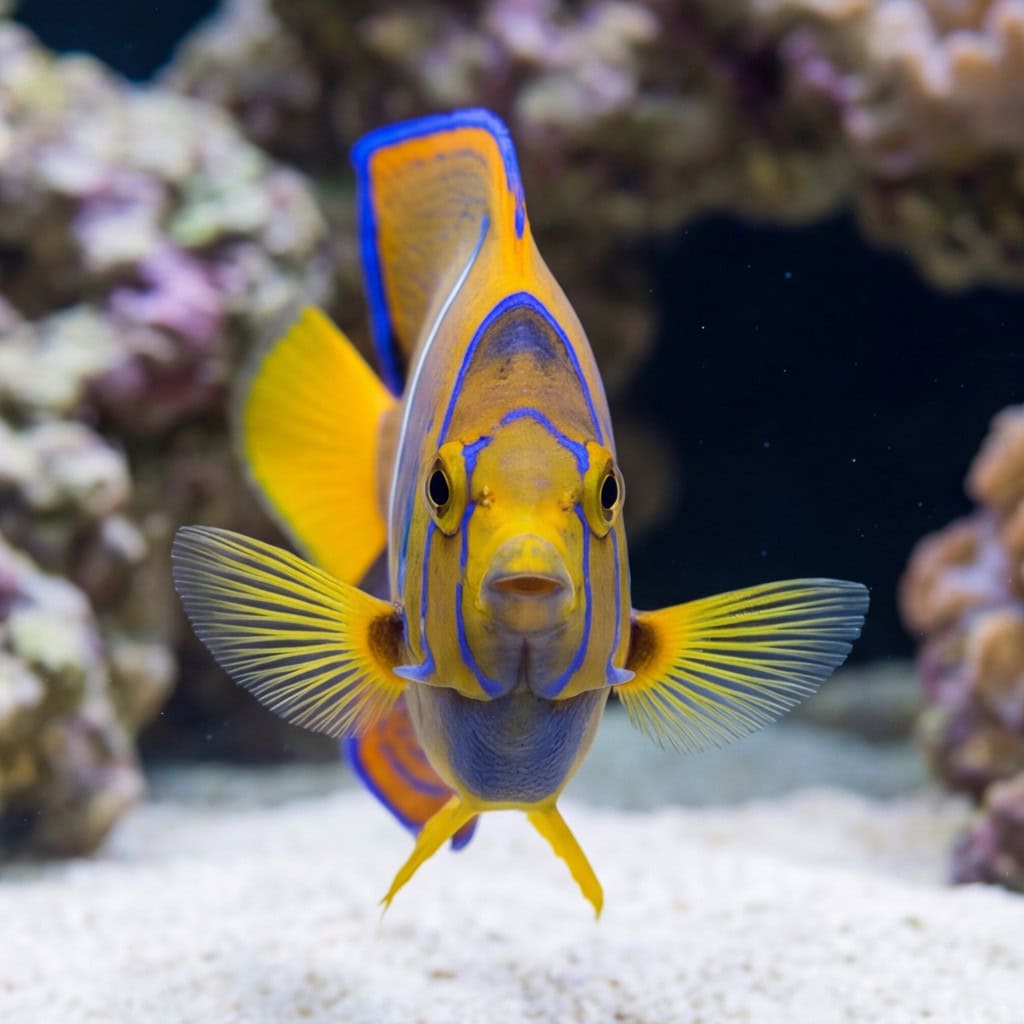
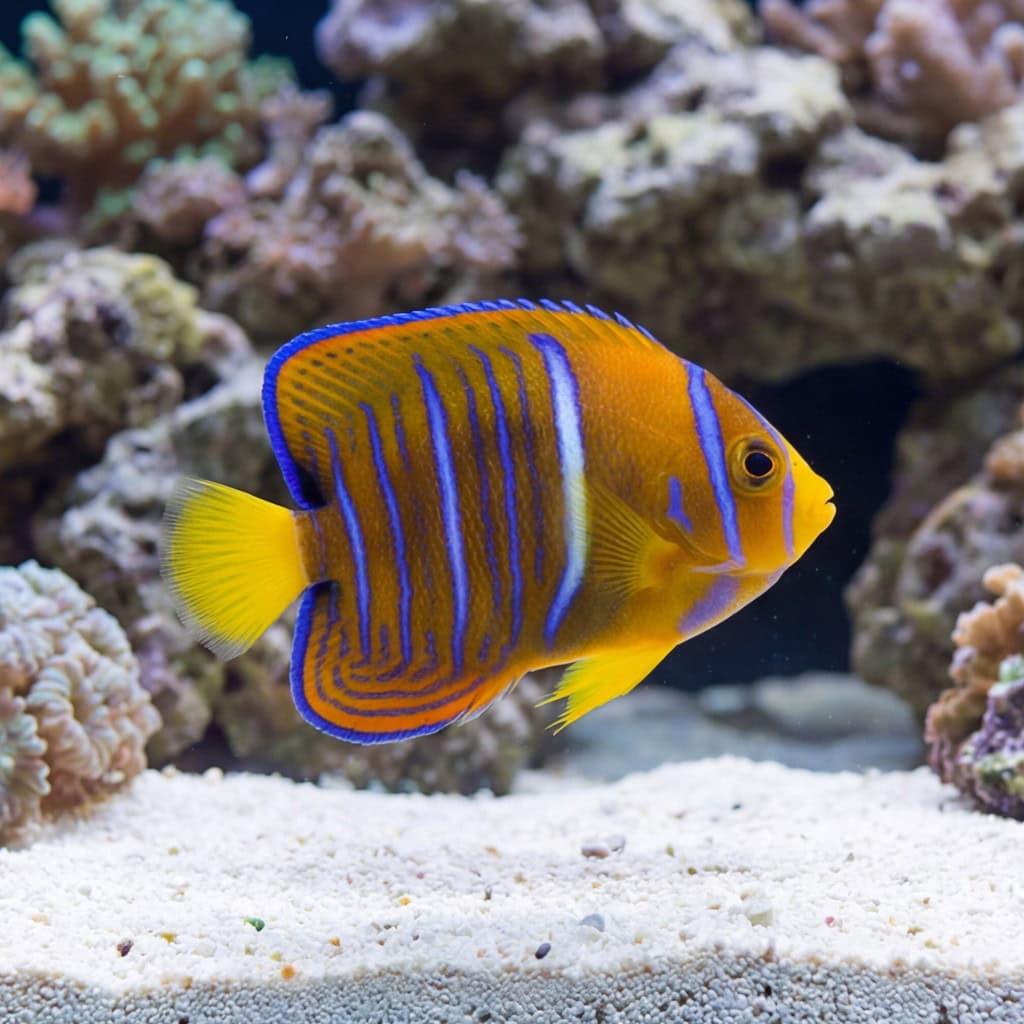
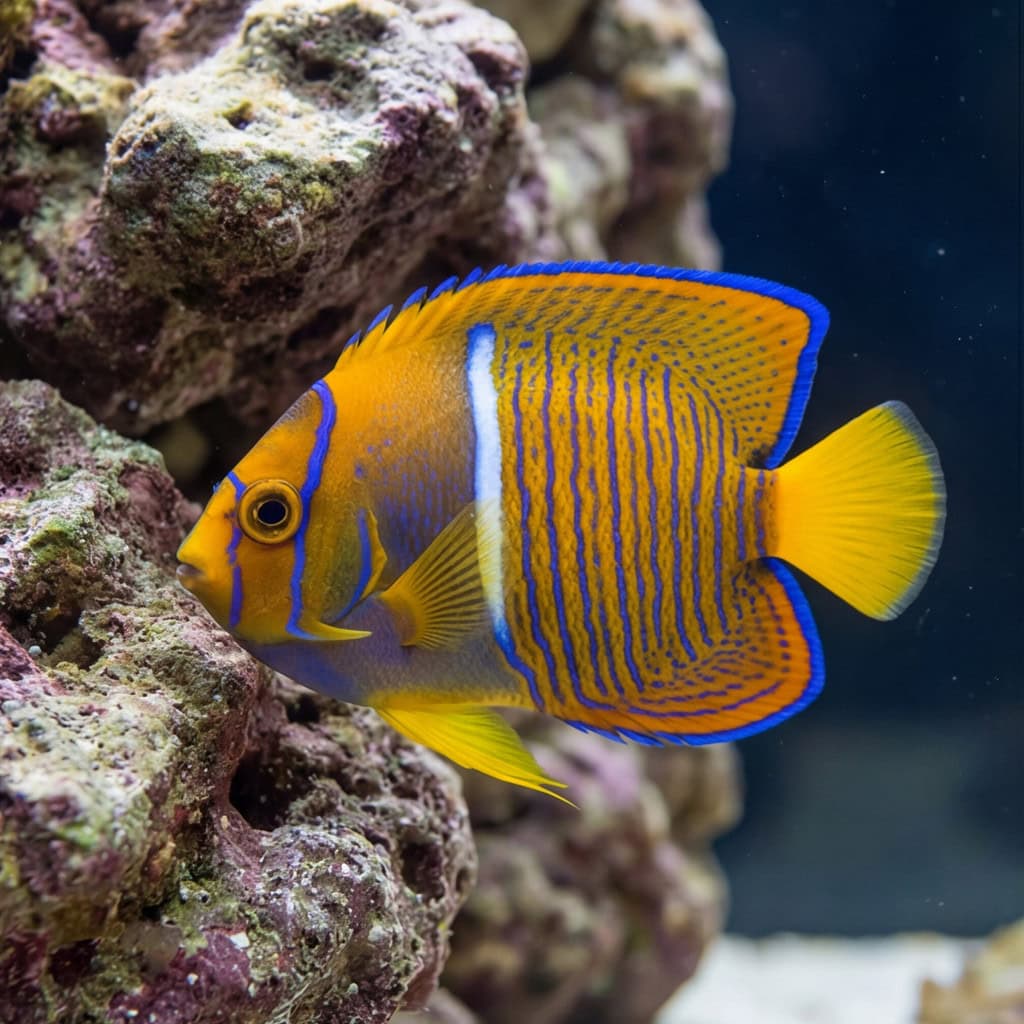
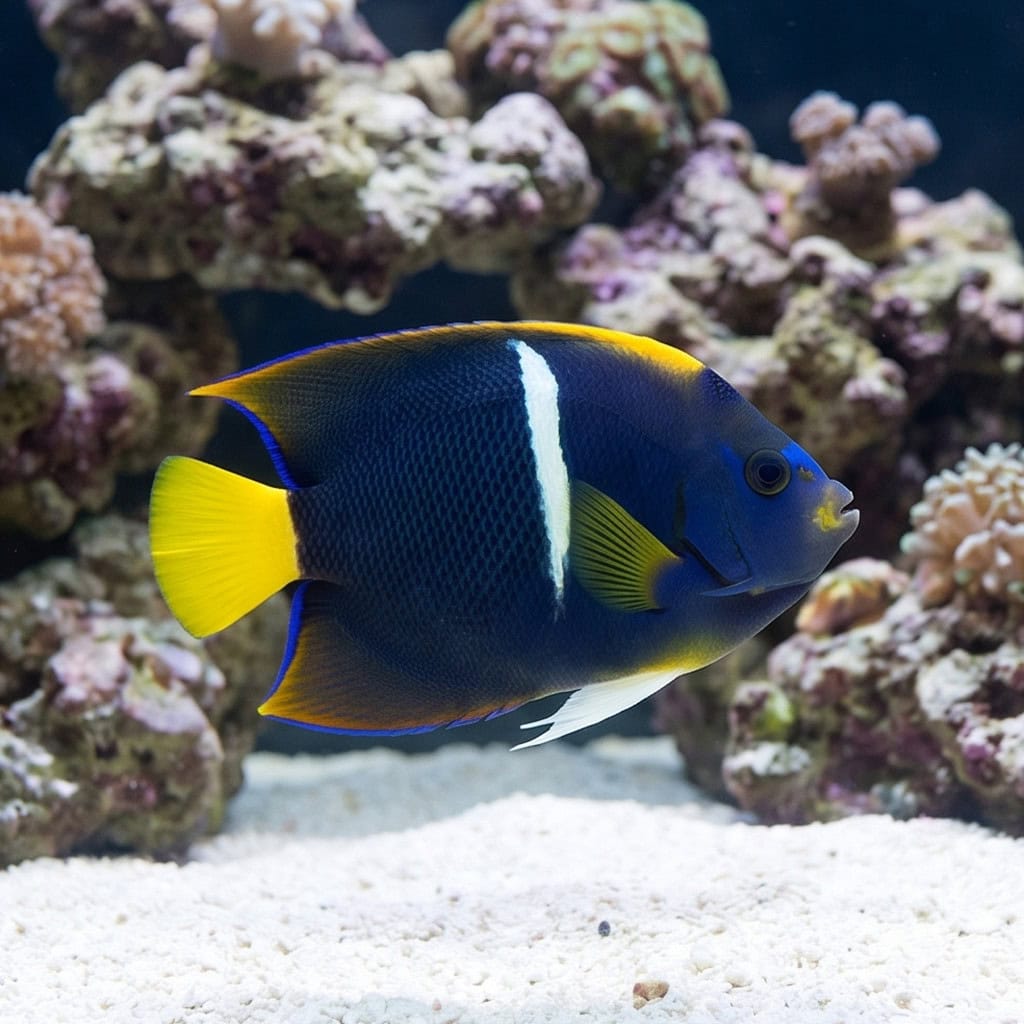
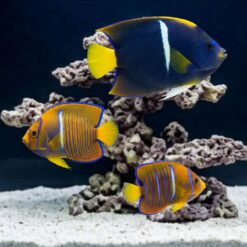
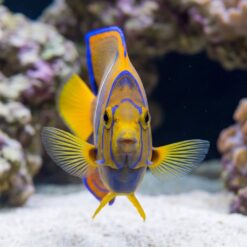
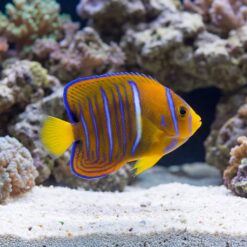
The Passer Angelfish (Holacanthus passer), also called the King Angelfish, is a large angelfish from the tropical eastern Pacific, seen from the Gulf of California south toward Peru and around offshore islands. Adult coloration is deep blue with a bold white vertical bar and yellow edging and fins, while juveniles show an orange body with blue striping as they mature.
What You’ll Observe:
- A confident, open-water cruiser that makes steady loops through the front of the tank
- Regular “picking” at rock surfaces as it explores for natural grazing spots
- A consistent daily route, often returning to the same swim lanes and preferred areas
- More assertive “body language” as it settles in, especially around its favorite zones
Provide ample open swimming room plus substantial live rock so your fish can weave through structure and tuck into a secure resting spot. Offer a varied menu that includes marine algae/seaweed and quality angelfish foods that contain sponge, alongside frozen meaty items, to keep it eating well and engaged.
How long does it usually take for juvenile coloration to transition toward adult patterning?
Most hobbyists report it happens gradually over many months, with the pattern shifting in stages rather than overnight; photo timelines are the easiest way to notice the change.
In a mixed reef, is it normal for a Passer Angelfish to ignore some corals but focus on a few specific pieces?
Yes’keepers often describe it as “selective sampling,” where certain fleshy LPS get extra attention while other corals may be left alone.
Will it typically claim a specific sleeping spot?
Many individuals pick one or two preferred caves/ledges and return there consistently once they feel established.
Can it be kept with other large angelfish if added thoughtfully?
Some aquarists have success by spacing out similar-shaped angels, using acclimation/introductions that reduce immediate face-to-face contact, and keeping plenty of visual breaks in the rockwork.
Is constant pecking at rock and tank surfaces normal behavior?
Yes’this species naturally forages by picking throughout the day, and that steady grazing-style activity is a common “settled in” sign.
Our selection process means you get robust, well-adjusted specimens that settle in quickly.
Recently viewed products