
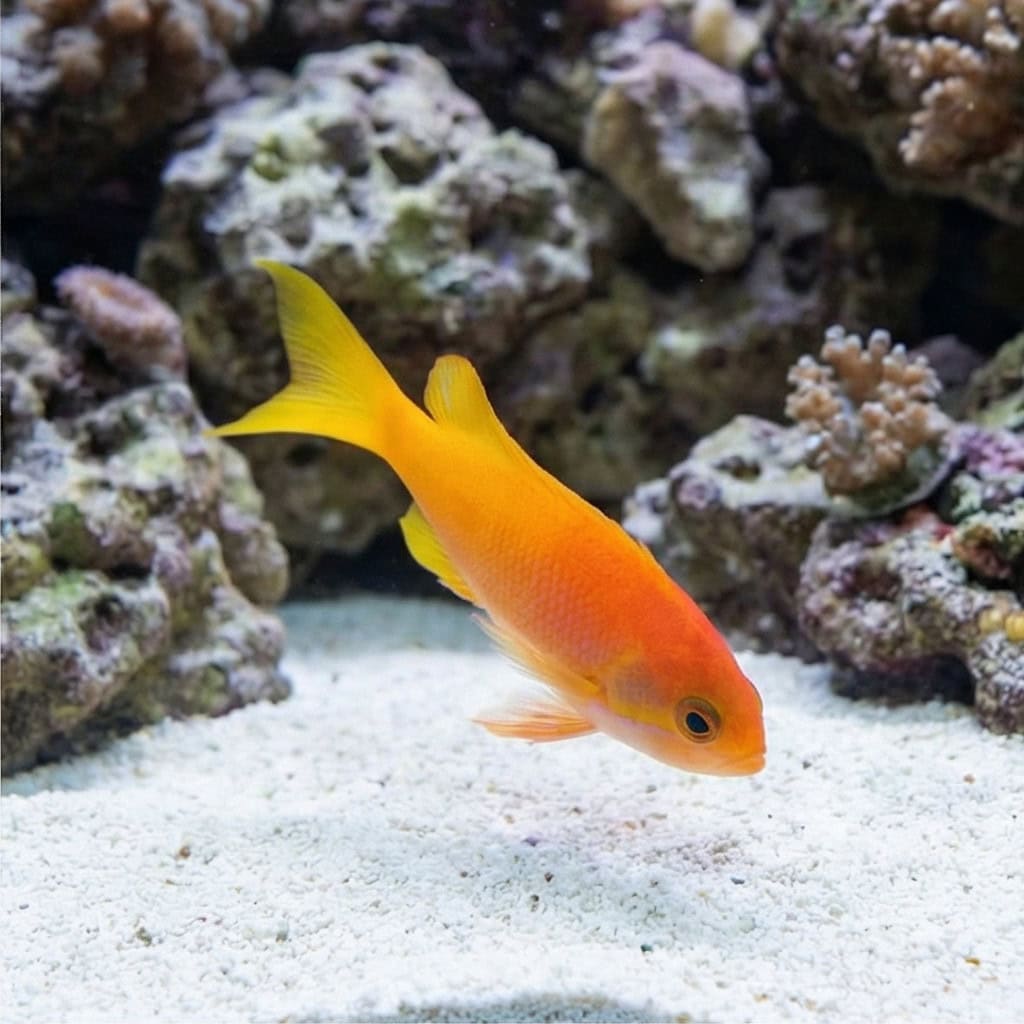
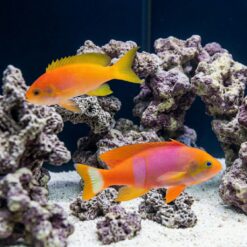
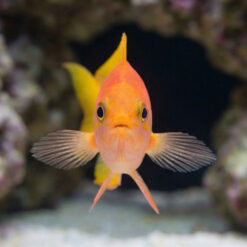
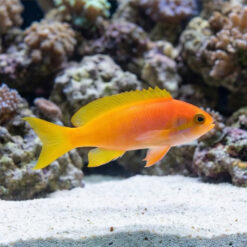
Pictilis Anthias
Pseudanthias pictilis
| Stock | Variations | Price | Quantity | |
|---|---|---|---|---|
| Out of Stock | 2.25 - 3.5" - Female - South Pacific | Original price was: $252.99.$132.99Current price is: $132.99. | Email me | |
| Out of Stock | 2.25" or smaller - Female - South Pacific | Original price was: $252.99.$132.99Current price is: $132.99. | Email me |
Every order ships with our standard 3-hour live arrival guarantee. Need more time? Add our 5-Day Guarantee at checkout.
Full guarantee terms →Ships Monday – Thursday for next-day arrival at your nearest FedEx Hold location — typically ready by 9 AM. We monitor every delivery.
Shipping details →
Monday – Friday 8 AM – 9 PM
Saturday 12 PM – 4 PM
Sunday 12 PM – 9 PM
Healthy, stable animals from vetted suppliers — inspected before packing, shipped overnight. Decades of experience built this model so we can deliver premium livestock at 30%+ less than you'd pay elsewhere.
| Care Level | Moderate |
|---|---|
| Temperament | Peaceful |
| Reef Safe | Yes |
| Functional Benefit | Ornamental Only |
| Diet Type | Planktivore |
| Mininum Tank Size | 120 gallons |
| Max Size | 5 inches |
| Temperature | 72–78°F |
| pH Range | 8.1–8.4 |
| Specific Gravity | 1.022–1.025 |
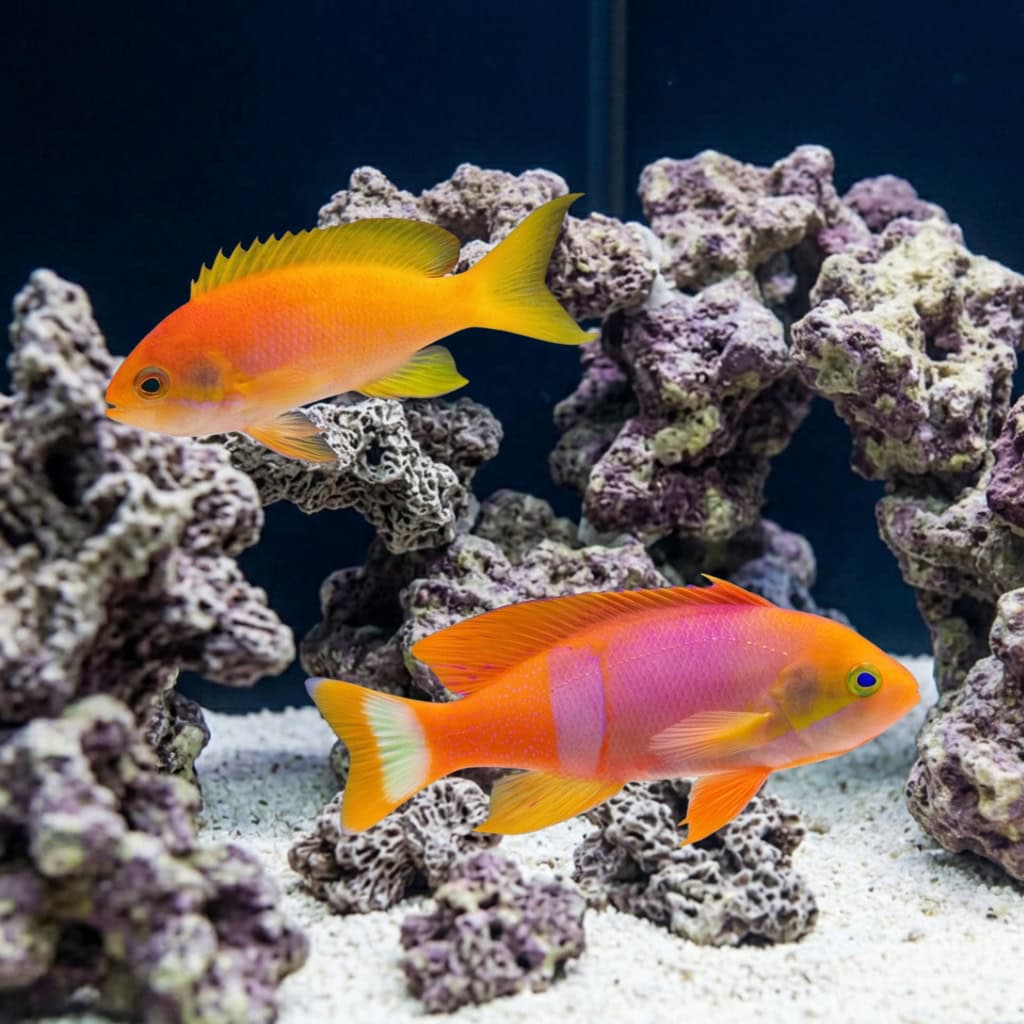
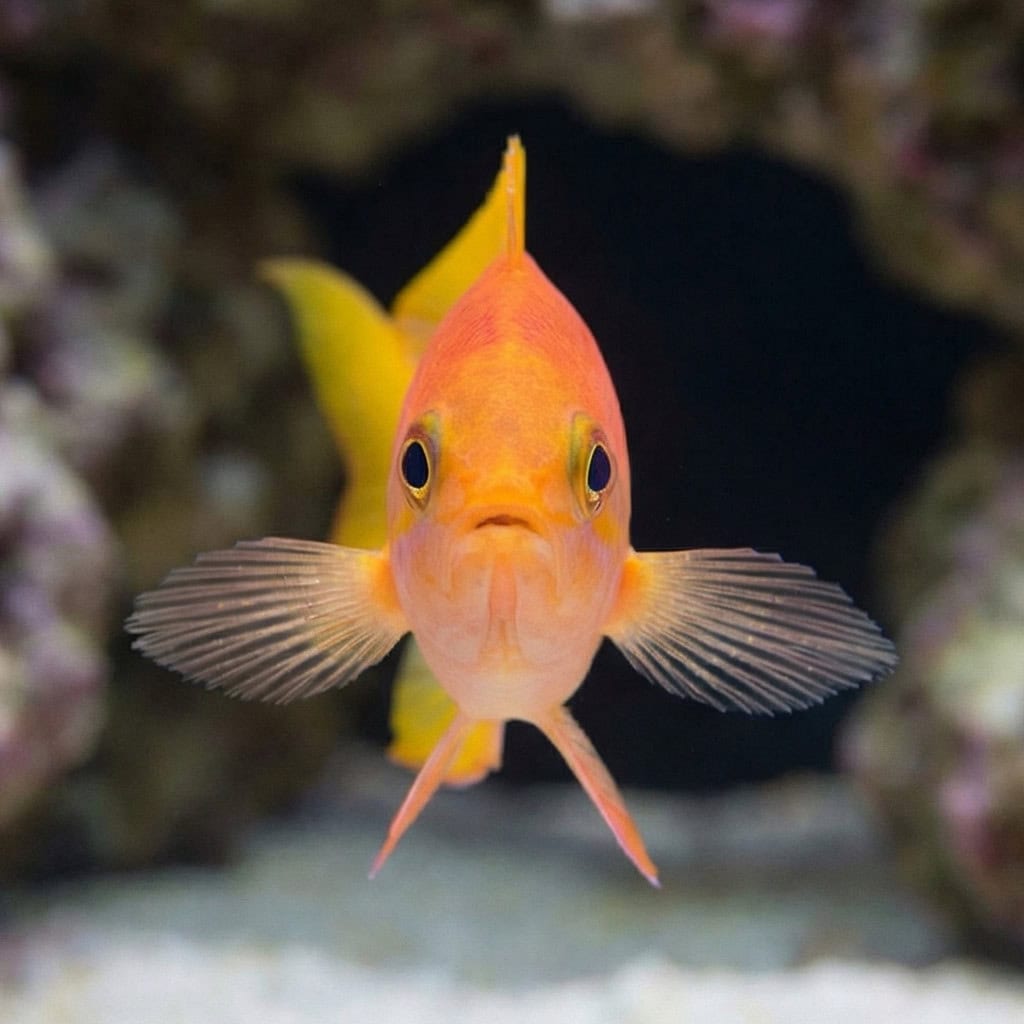
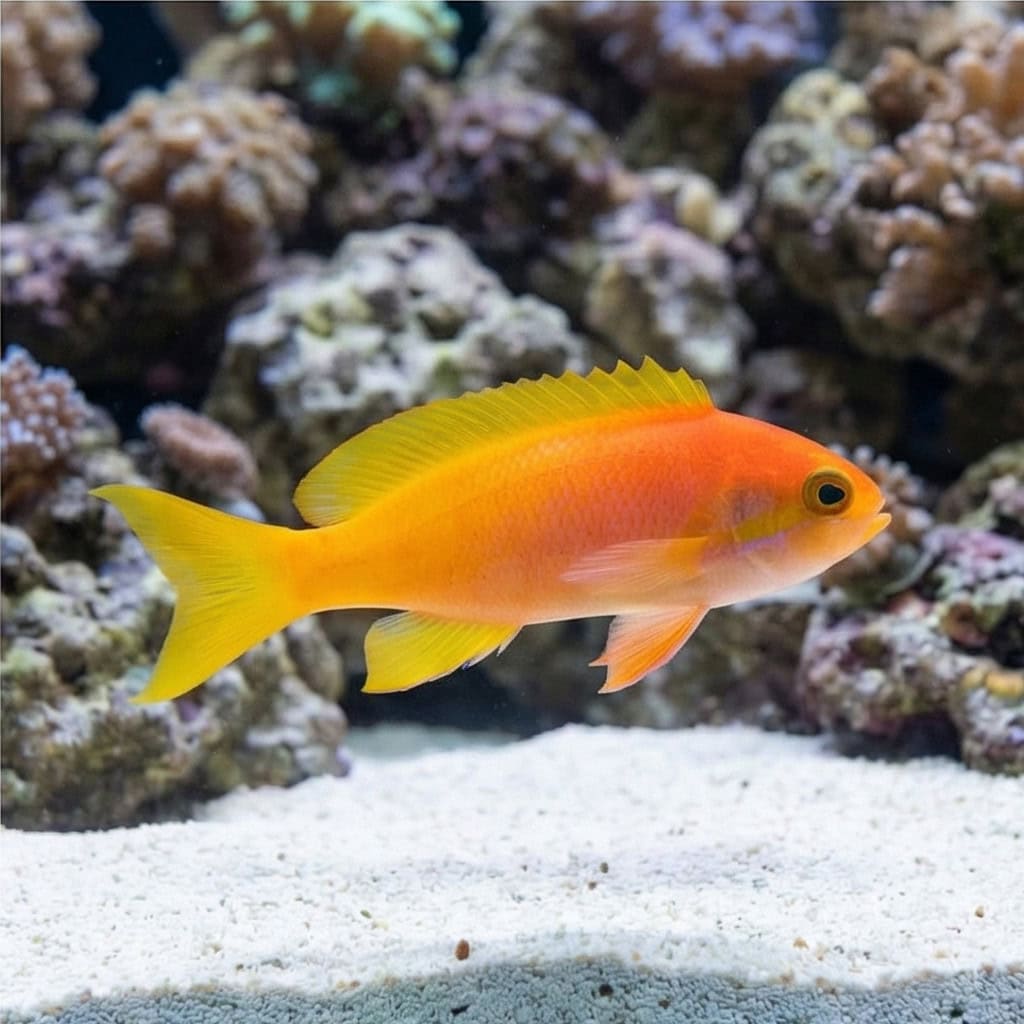
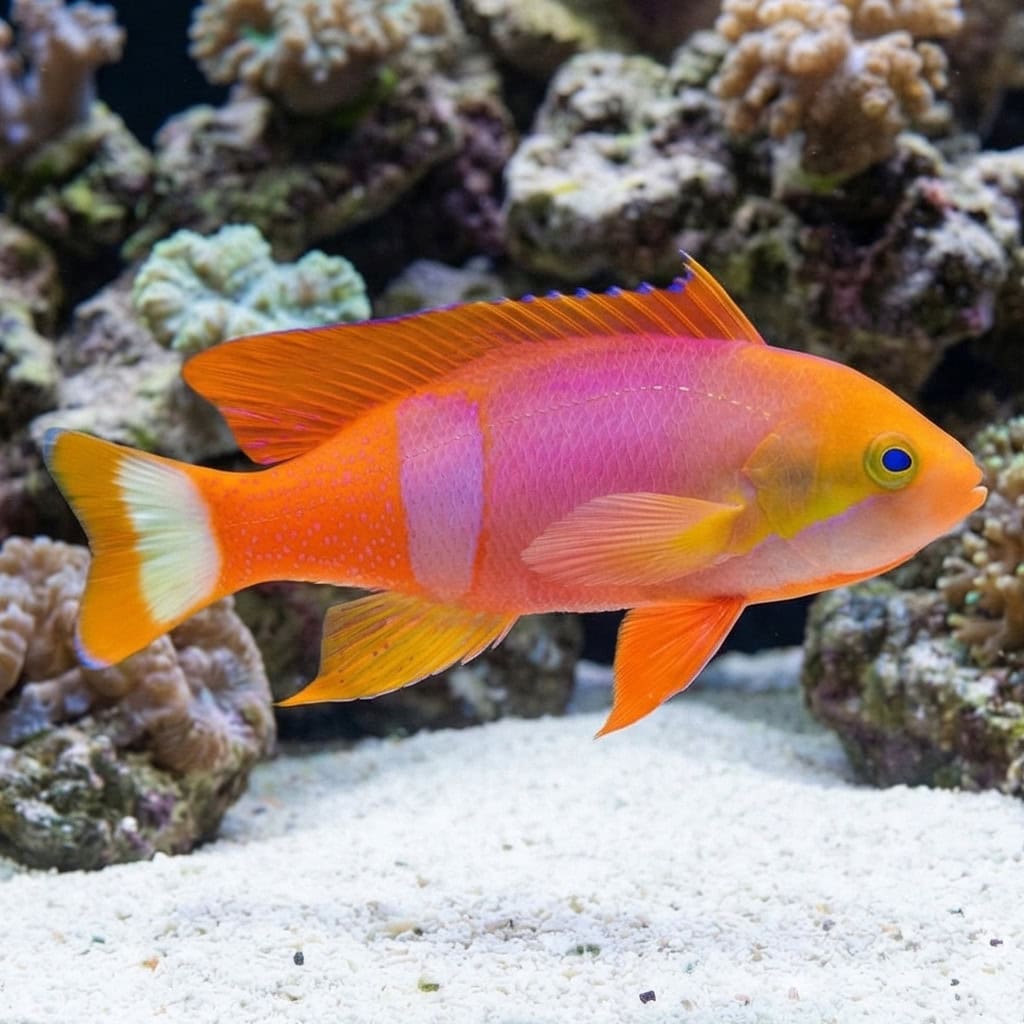
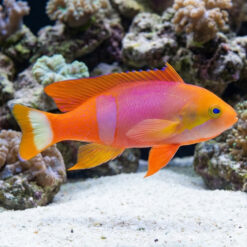
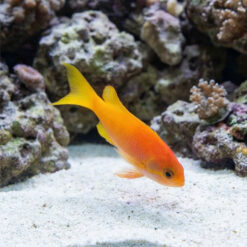
Pictilis Anthias (Pseudanthias pictilis) is a mid-water anthias that brings constant motion to the open water column, with a “painted” look of warm-toned reds/oranges over lighter body areas. In the wild it’s associated with coral reefs in the Coral Sea region and is commonly reported from deeper reef zones (roughly 12–40 m).
What You’ll Observe:
- Hovers and cruises in the mid-to-upper water column, often gathering near ledges and overhangs between feeding bursts
- Quick, coordinated “dash-and-stop” feeding behavior when food hits the water
- Noticeable social spacing and short display chases as a group settles into a routine
- Strong daylight activity, with the most visible behavior during regular feeding times
Provide open swimming room with rockwork that creates shaded pockets and gentle “lanes” for the group to move through. Offer small plankton-sized foods in multiple small feedings per day (frozen mysis/plankton blends, fine pellets, and other zooplankton-style foods), and consider an auto-feeder to support steady micro-feedings. When keeping more than one, adding them together and giving the group space helps the social structure stay consistent.
Do they “school,” or do they just hang out together?
Most keepers describe anthias as grouping and loosely moving together rather than forming a tight, synchronized school all day.
Will they take pellets, or do they usually need frozen foods forever?
Many hobbyists get better long-term consistency by mixing frozen foods with small pellets and using an auto-feeder to keep portions frequent and small.
How do people manage feeding if they’re away from the tank during the day?
A common approach is an auto-feeder for small pellets plus one or two frozen feedings when someone is home, so the fish still get multiple daily opportunities to eat.
Is it normal to see short chasing or “pecking order” behavior in a new group?
Yes’keepers often report brief display chases as the group settles in, and this usually looks more like spacing and posturing than constant fighting.
Do you need an obvious male right away, or will one change over time?
Many anthias groups sort themselves out over time, and hobbyists often plan around a single dominant fish becoming the primary male in the group.
We source from vetted suppliers known for healthy, long-lived specimens.
Only logged in customers who have purchased this product may leave a review.
Recently viewed products
Reviews
There are no reviews yet.