
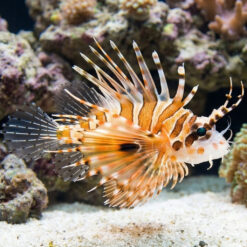
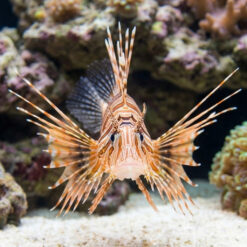
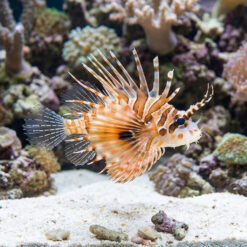
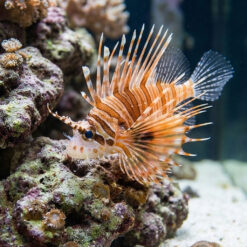
Antenneta Lionfish
Pterois antennata
Price range: $90.99 through $95.99
| Stock | Variations | Price | Quantity | |
|---|---|---|---|---|
| Only 4 left | 3 - 4" - Venomous - Indo-Pacific | Original price was: $181.99.$95.99Current price is: $95.99. |
-
+
|
|
| Only 1 left | 2 - 3" - Venomous - Indo-Pacific | Original price was: $171.99.$90.99Current price is: $90.99. |
-
+
|
|
| Out of Stock | 4" or larger - Venomous - Indo-Pacific | Original price was: $196.99.$103.99Current price is: $103.99. | Email me |
Every order ships with our standard 3-hour live arrival guarantee. Need more time? Add our 5-Day Guarantee at checkout.
Full guarantee terms →Ships Monday – Thursday for next-day arrival at your nearest FedEx Hold location — typically ready by 9 AM. We monitor every delivery.
Shipping details →
Monday – Friday 8 AM – 9 PM
Saturday 12 PM – 4 PM
Sunday 12 PM – 9 PM
Healthy, stable animals from vetted suppliers — inspected before packing, shipped overnight. Decades of experience built this model so we can deliver premium livestock at 30%+ less than you'd pay elsewhere.
| Care Level | Moderate |
|---|---|
| Temperament | Semi-Aggressive |
| Reef Safe | With Caution |
| Functional Benefit | Ornamental Only |
| Diet Type | Carnivore |
| Mininum Tank Size | 55 gallons |
| Max Size | 8 inches |
| Temperature | 72–78°F |
| pH Range | 8.1–8.4 |
| Specific Gravity | 1.022–1.025 |
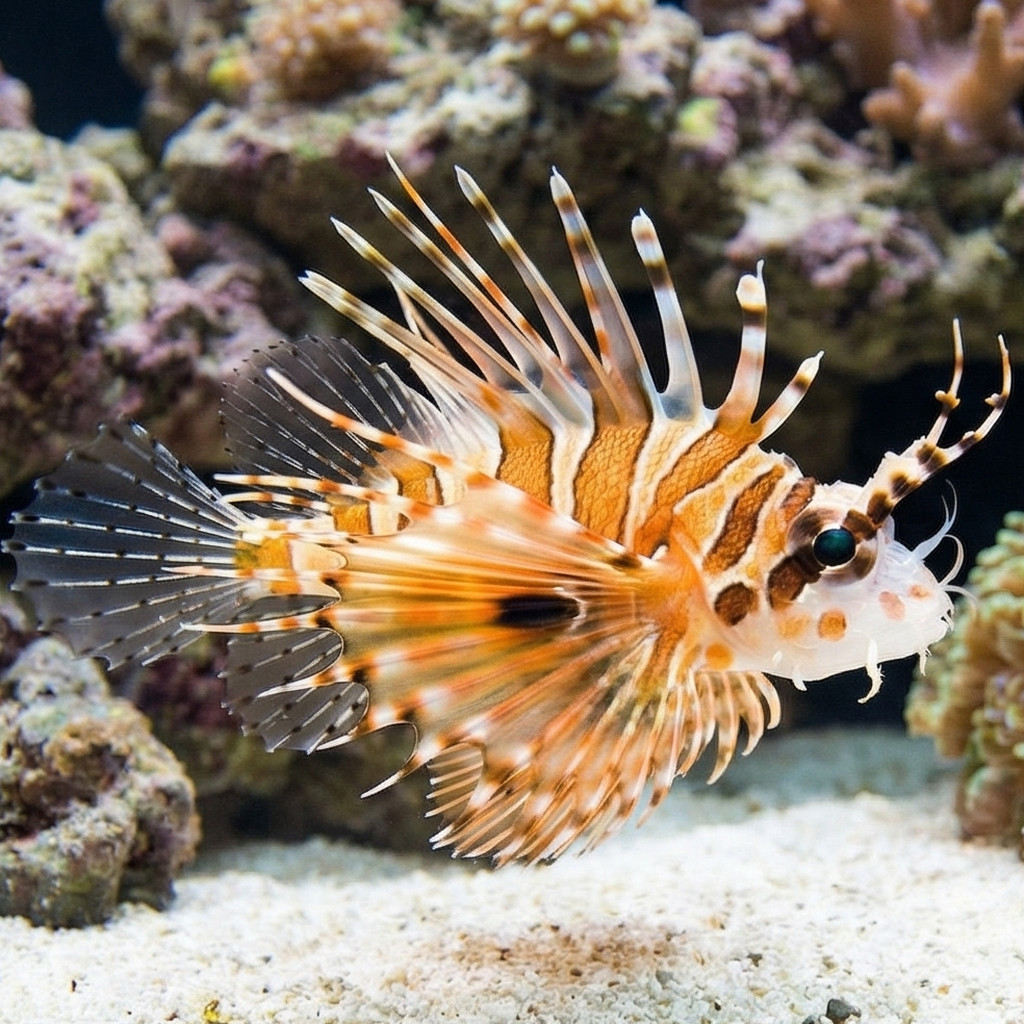
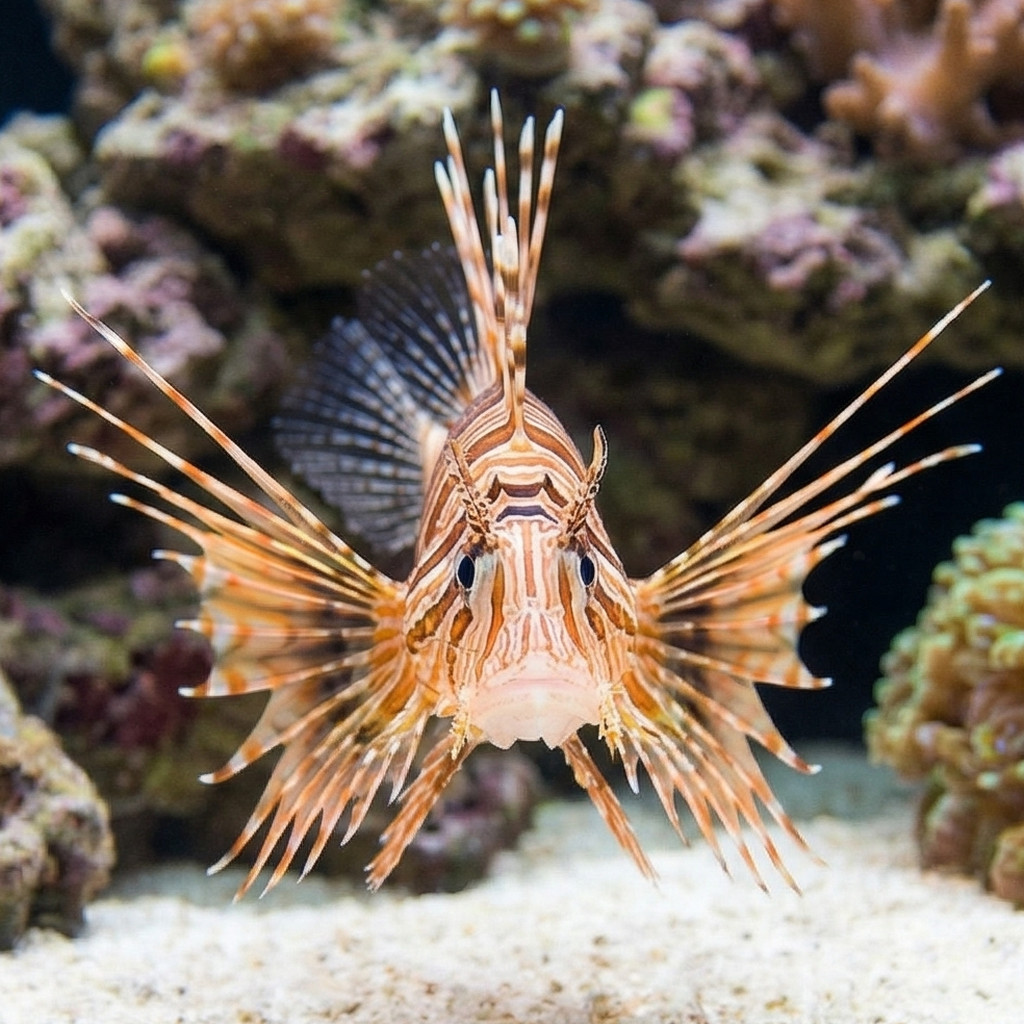
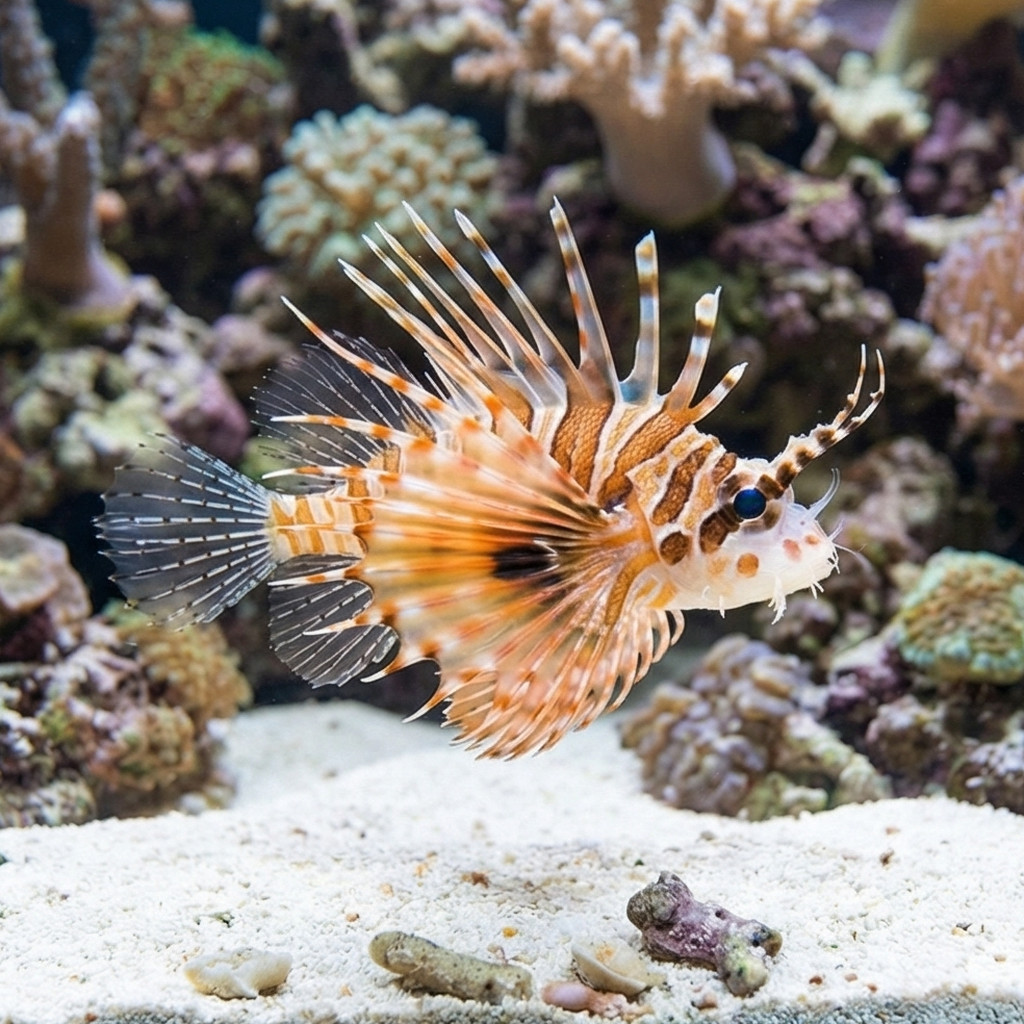
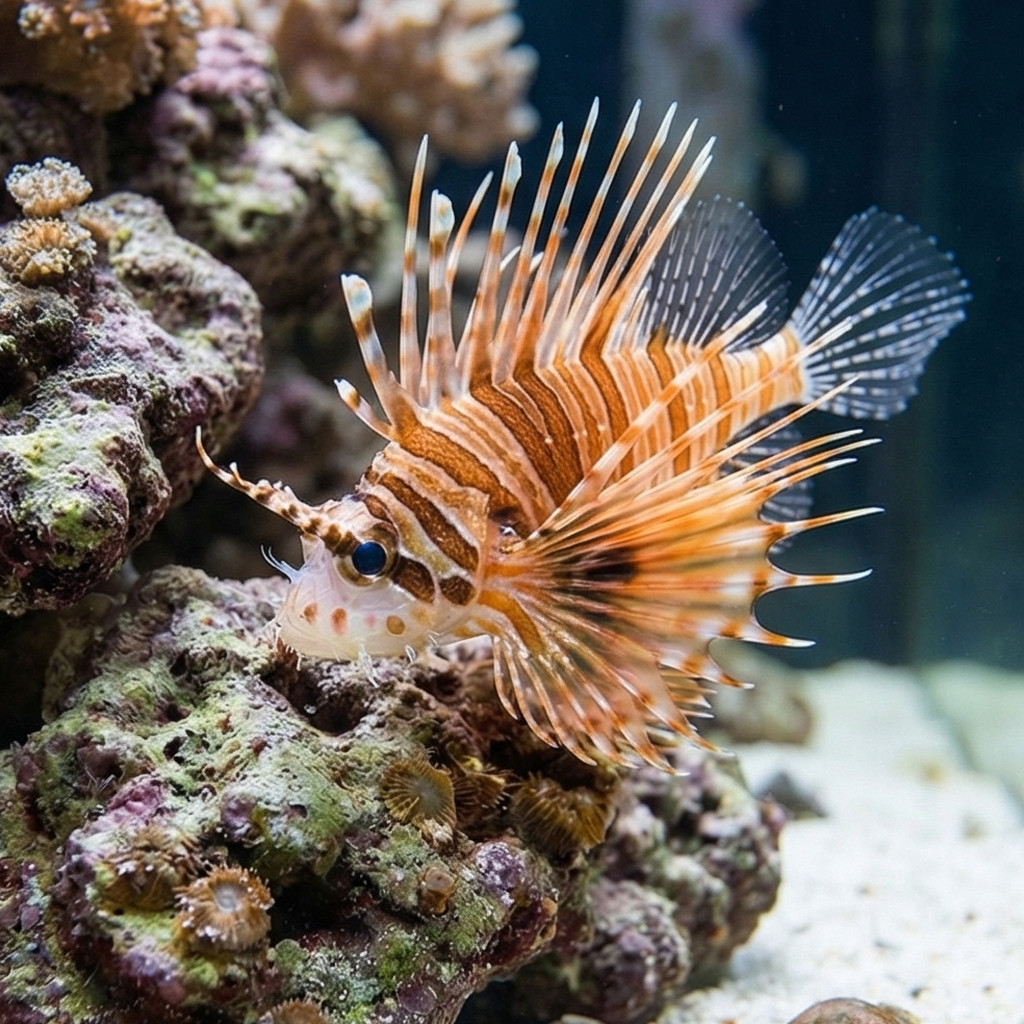
The Antenneta Lionfish (Pterois antennata), also called the spotfin or ragged-finned lionfish, is a banded Indo-Pacific predator with long, bright white pectoral rays and distinctive “antennae” above the eyes. Its red-brown vertical barring and spotted fins make it a standout display fish in fish-only and mixed predator systems.
What You’ll Observe:
- Perching on rockwork and under overhangs, then gliding out to patrol open areas
- A noticeable increase in activity around dusk and shortly after lights change
- Slow, deliberate stalking behavior, using wide fins to guide prey into corners
- Learning a feeding routine and taking food from a feeding stick once settled
To succeed, provide stable salinity and plenty of caves/ledges so it can choose shaded resting spots. Offer a varied menu of marine meaty foods several times per week, and use tongs or a feeding stick for consistent target feeding. Keep tankmates large enough that they won’t be viewed as food, and plan your cleanup crew around its natural hunting style.
How long does it usually take an antennata lionfish to accept frozen foods?
Many hobbyists start with live shrimp and then transition by offering thawed foods on a feeding stick so the food “moves” in the flow.
Why does my lionfish “beg” but then ignore the food at the last second?
It’s often responding to the routine and motion; offering smaller pieces and trying again later in the same session commonly improves follow-through.
Is it normal for an antennata lionfish to hide for the first few days?
Yes—many settle in by staying under ledges at first, then spend more time in the open once they learn the tank’s schedule.
Can antennata lionfish be kept with other lionfish?
Some keepers do it successfully when each fish has its own resting zones and feeding access, especially in larger systems.
Can krill or silversides be used as the main diet?
They’re commonly used as part of the rotation, but most experienced keepers aim for variety (different marine-origin items) rather than relying on one staple food.
Shipped with pure oxygen and temperature control so it arrives stress-free and ready to eat.
Recently viewed products