
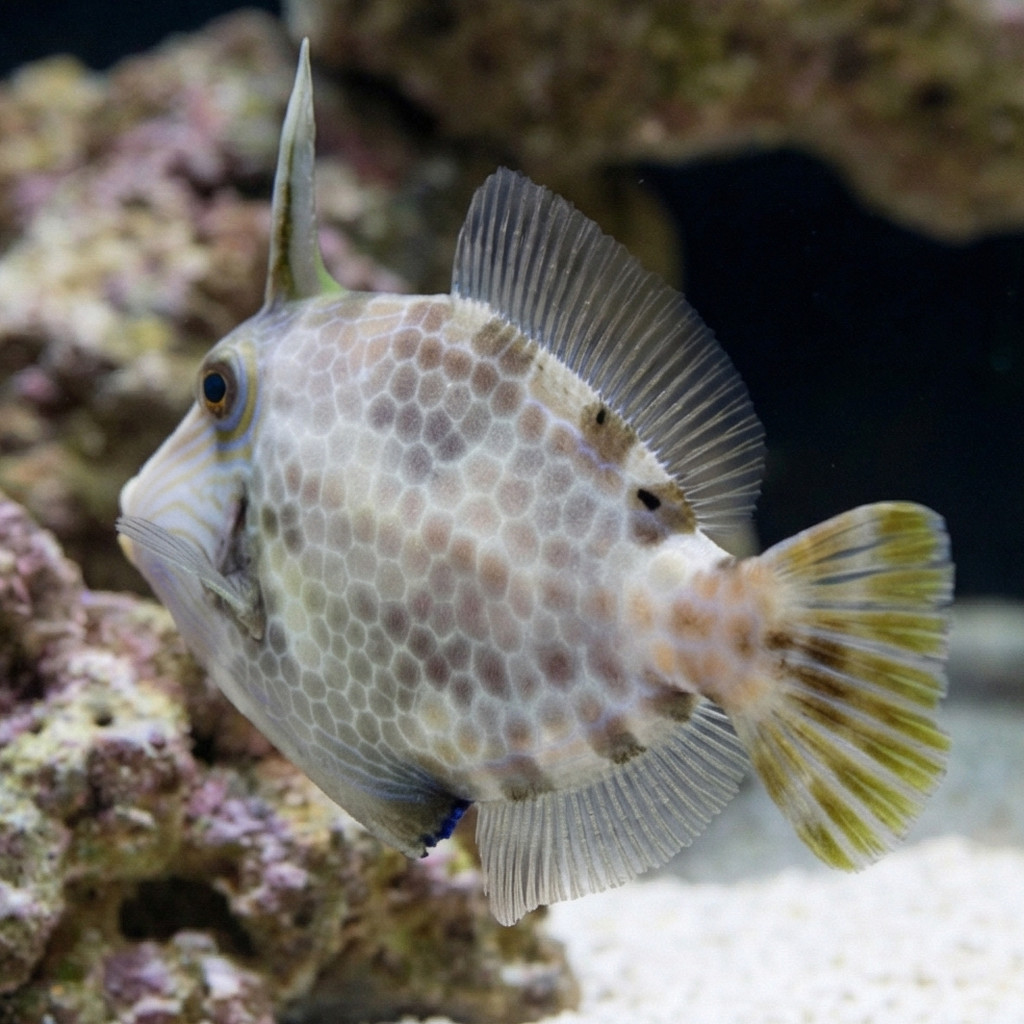
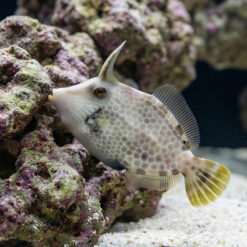
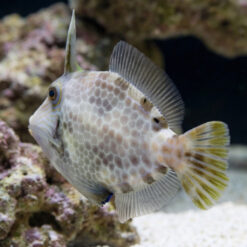
Atlantic Filefish
Cantherhines sp.
| Stock | Variations | Price | Quantity |
|---|
Every order ships with our standard 3-hour live arrival guarantee. Need more time? Add our 5-Day Guarantee at checkout.
Full guarantee terms →Ships Monday – Thursday for next-day arrival at your nearest FedEx Hold location — typically ready by 9 AM. We monitor every delivery.
Shipping details →
Monday – Friday 8 AM – 9 PM
Saturday 12 PM – 4 PM
Sunday 12 PM – 9 PM
Healthy, stable animals from vetted suppliers — inspected before packing, shipped overnight. Decades of experience built this model so we can deliver premium livestock at 30%+ less than you'd pay elsewhere.
| Care Level | Moderate |
|---|---|
| Temperament | Peaceful |
| Reef Safe | No |
| Functional Benefit | Ornamental Only |
| Diet Type | Omnivore |
| Mininum Tank Size | 180 gallons |
| Max Size | 18 inches |
| Temperature | 72–78°F |
| pH Range | 8.1–8.4 |
| Specific Gravity | 1.022–1.025 |
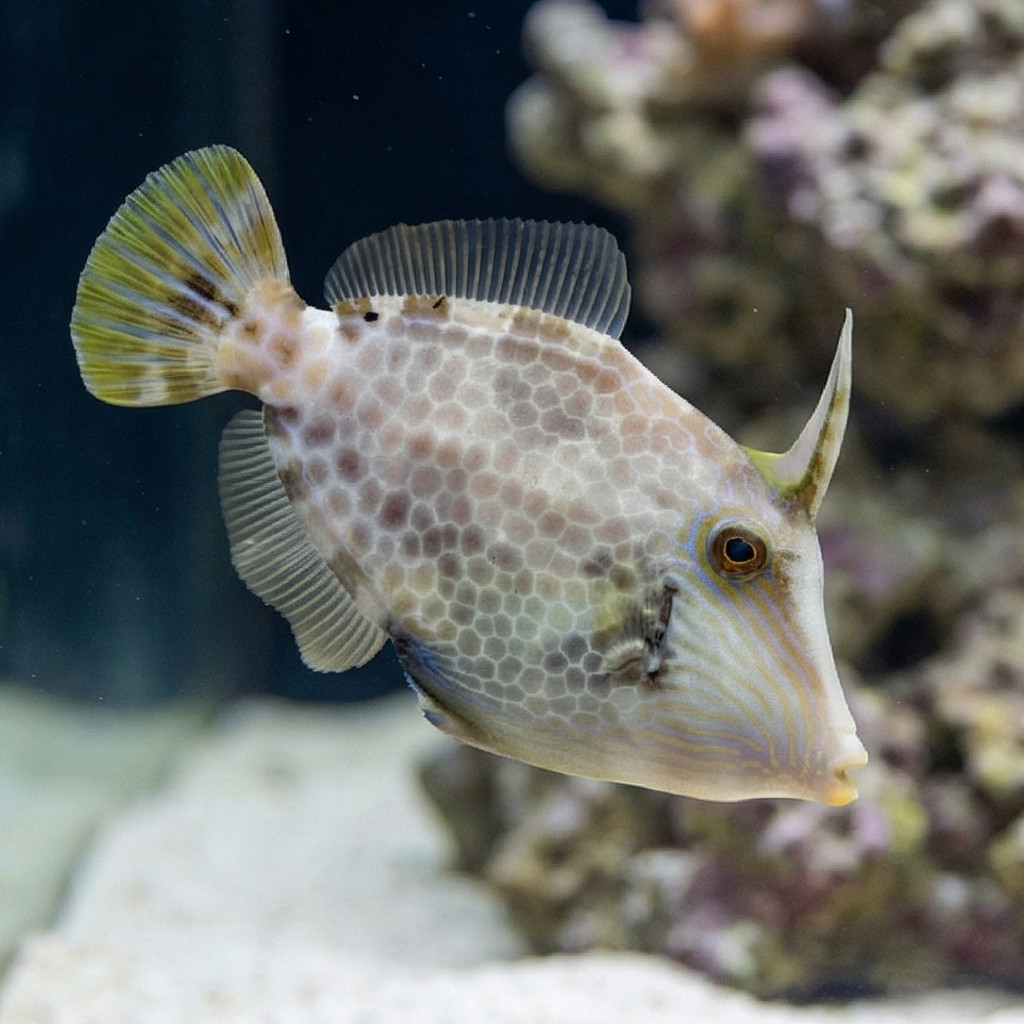
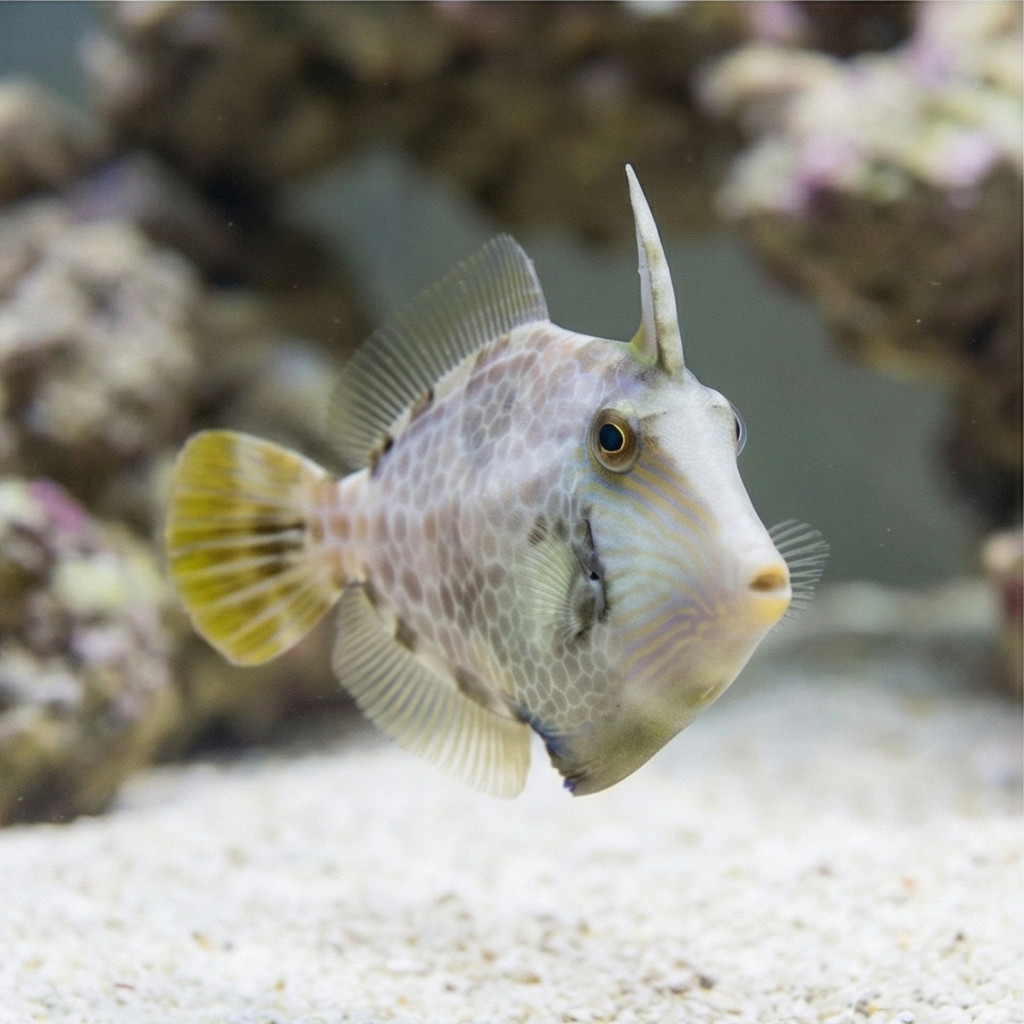
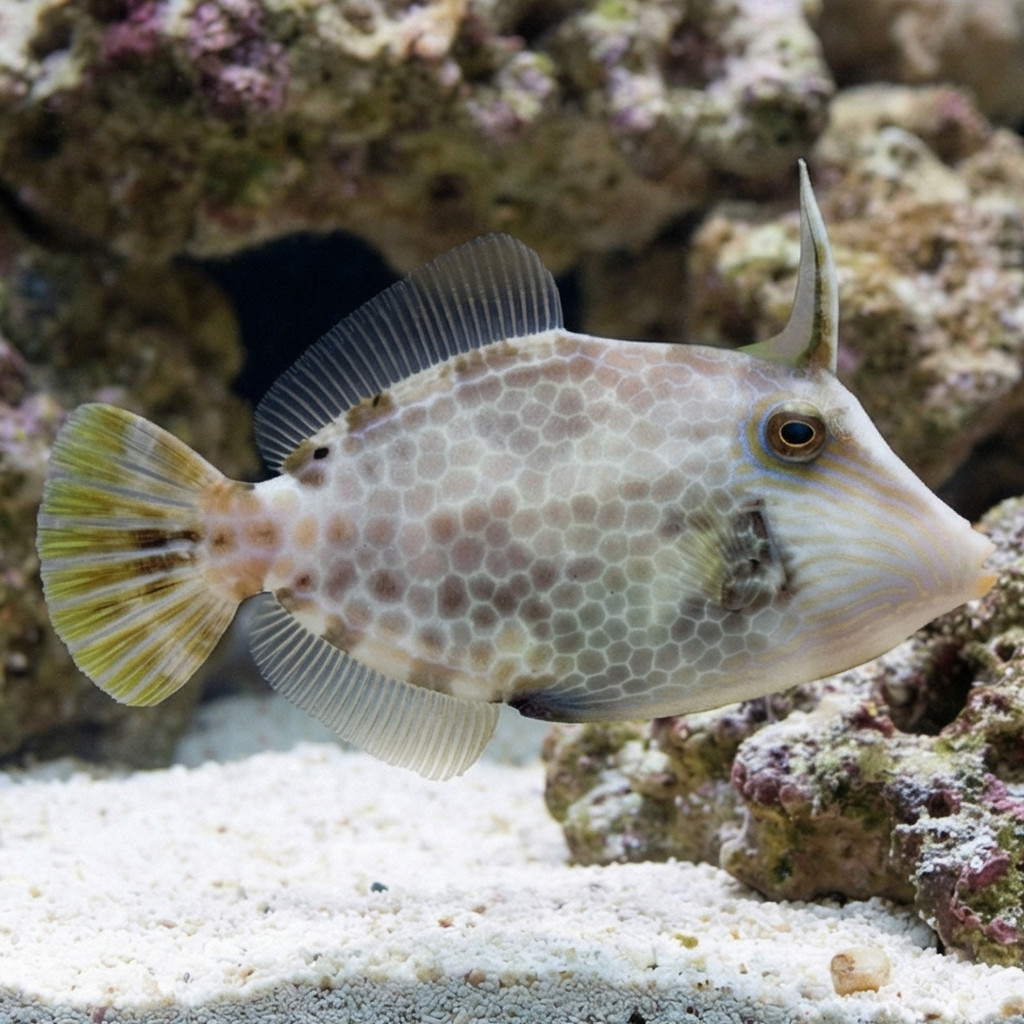
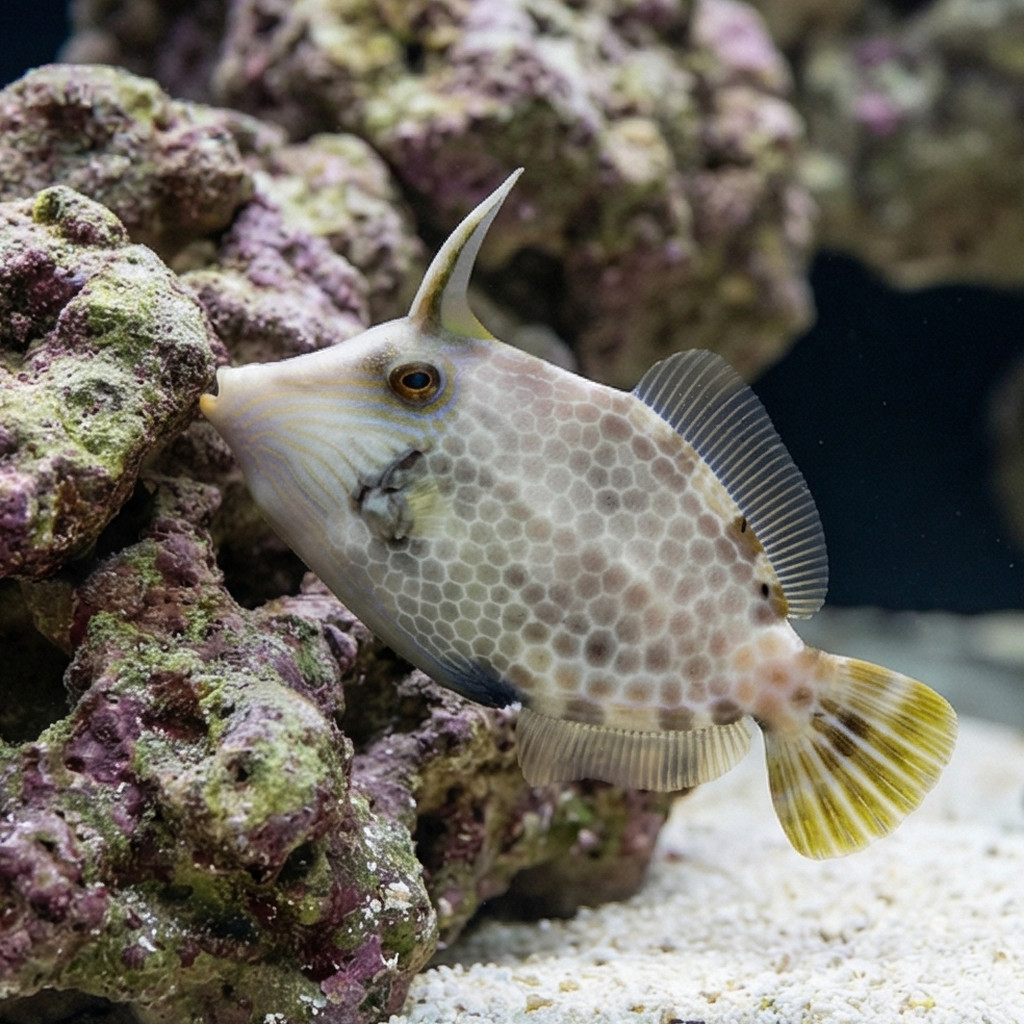
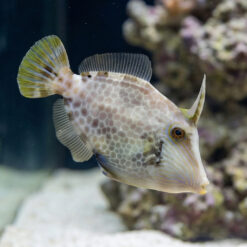
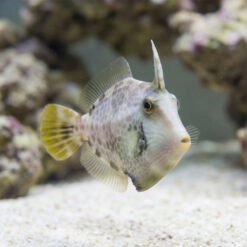
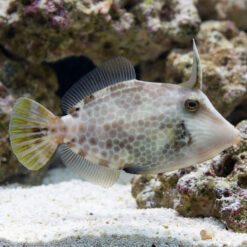
The Atlantic Filefish (Cantherhines sp.) has a trigger-like body shape with a tough “leatherjacket” look and a long, tapering profile made for maneuvering through reef structure. Its base color often stays in the brown-to-olive range, with spotting and contrast that can shift quickly depending on mood and surroundings.
What You’ll Observe:
- Slow, deliberate cruising along rockwork, then short glides into open water before returning to structure
- Frequent “hover and pivot” movement, using fins to make tight turns in caves and ledges
- Noticeable pattern/contrast changes during feeding time, lights-on transitions, and when exploring new areas
- A focused picking style at food, with repeated passes over the same area as it searches
Provide stable rockwork with multiple overhangs and sheltered lanes so it can move in and out of cover naturally. Offer a wide mix of meaty frozen foods plus algae-based options, and feed in a few smaller servings so it has consistent opportunities to eat. A calm feeding environment helps it settle into a steady routine in your tank.
Why does my Atlantic Filefish change color or “turn on” its spots?
Many Cantherhines filefish can shift contrast quickly as they explore, feed, or adjust to lighting. It’s commonly seen as part of normal communication and camouflage.
Will it wedge itself into rockwork or rest in tight spaces?
Yes—many filefish choose a favorite crevice or ledge and return to it regularly. This is a normal “secure resting” behavior once it learns the tank’s layout.
How do I get it to recognize prepared foods fast?
Start with highly scented frozen foods (like mysis or finely chopped seafood), then mix in gel foods or softened pellets over time. Consistent feeding locations help it learn where food shows up.
Can I keep two filefish together?
Some keepers try pairs, but many hobbyists recommend planning around a single specimen unless you have a very large system and a clear separation of territories. Introducing both at the same time tends to go more smoothly than adding one later.
Why does it bite at nets or bags during moves?
Filefish often “grab” surfaces as a way to steady themselves. Using a specimen container instead of a net usually makes transfers calmer and more controlled.
We work with trusted suppliers who keep our specimens healthy and well-fed before shipping.
Recently viewed products