
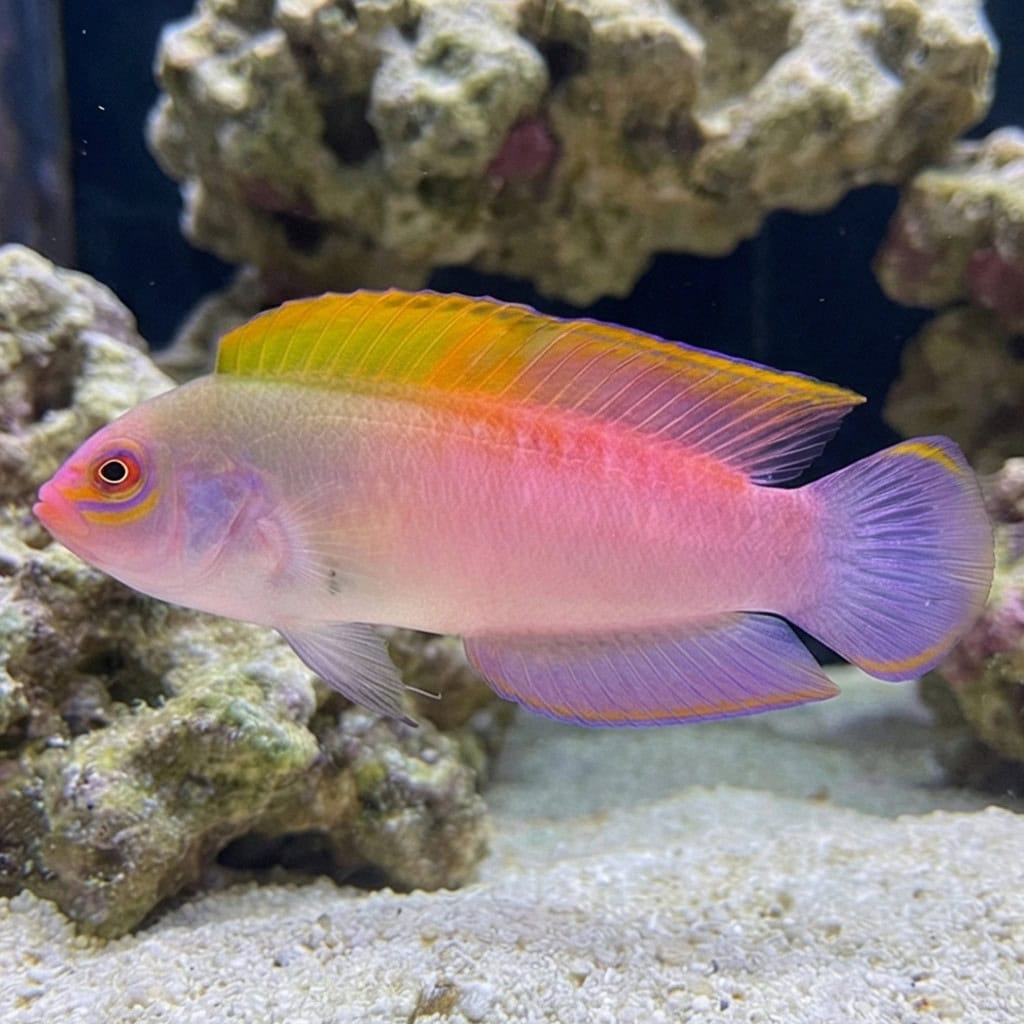
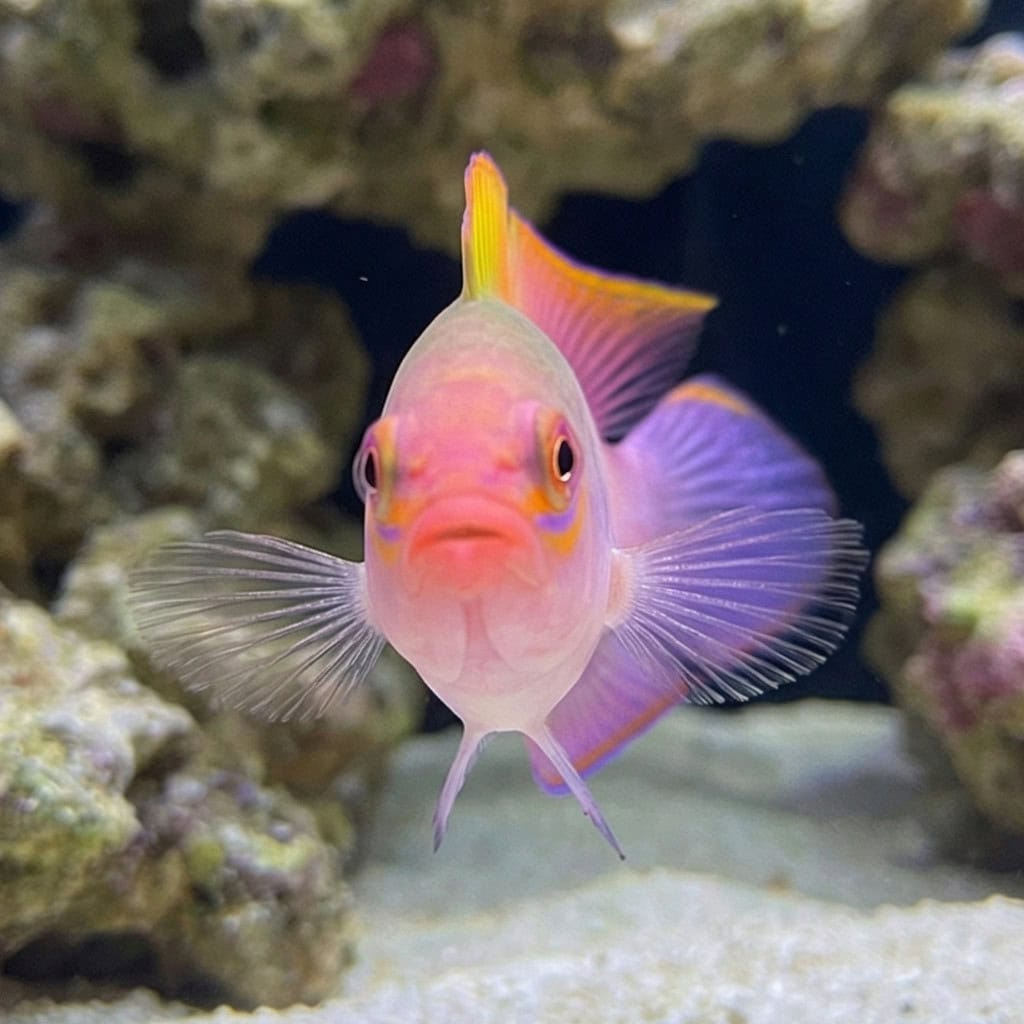
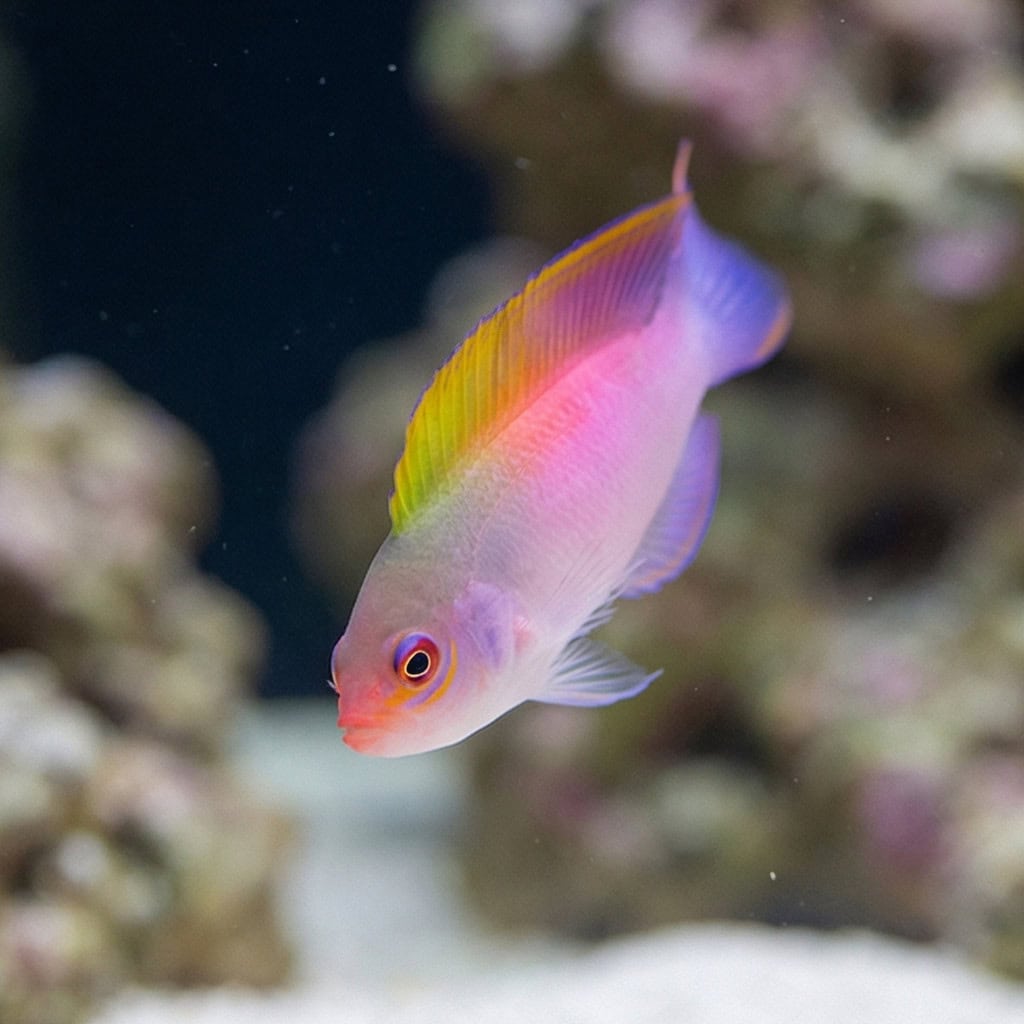
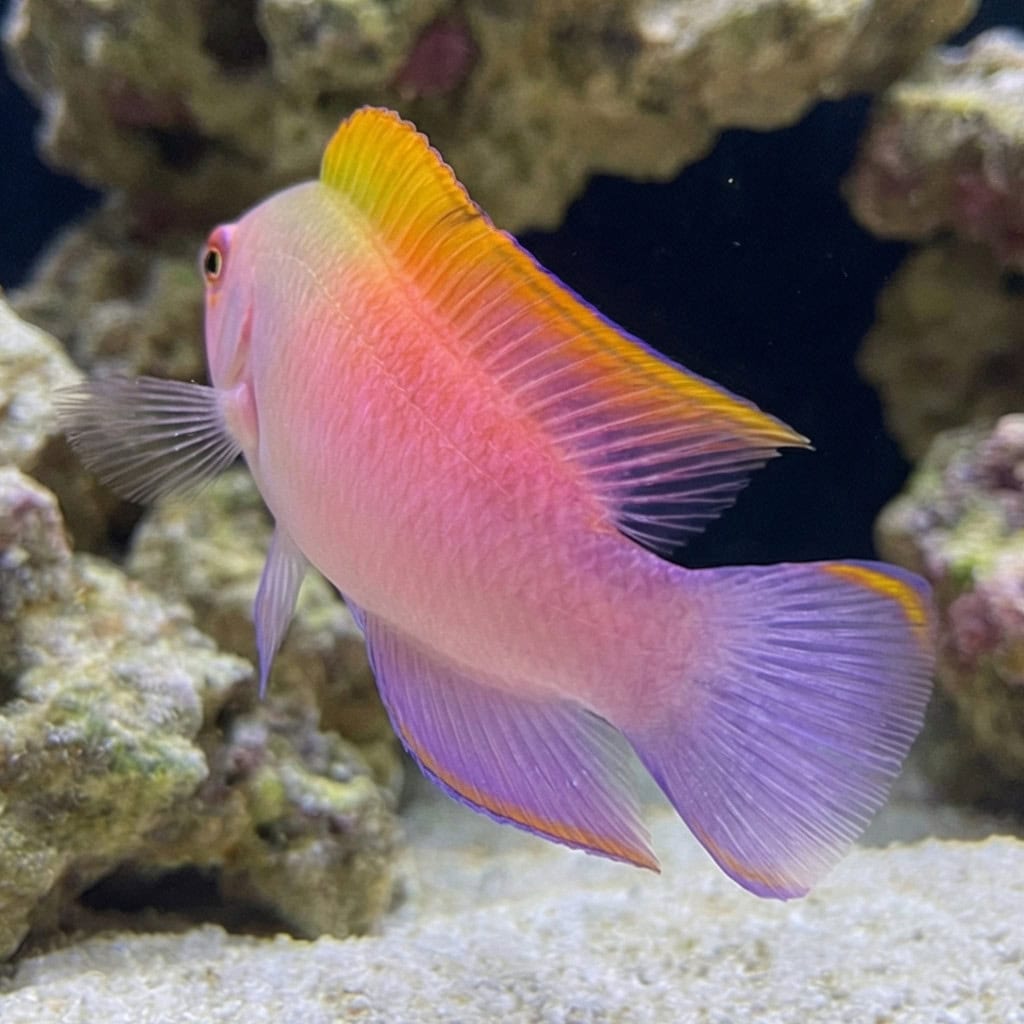
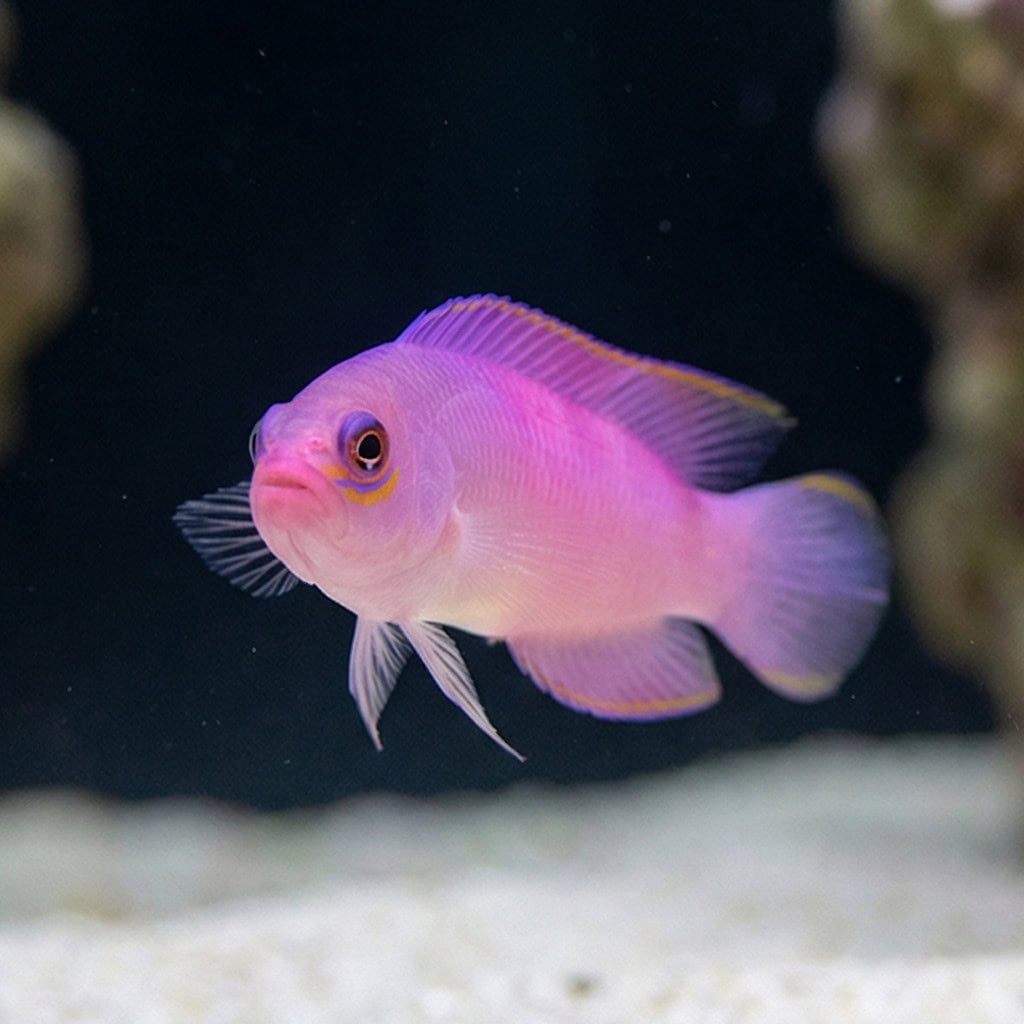
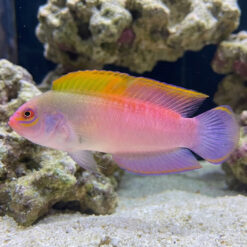
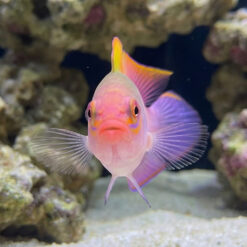
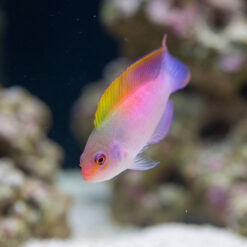
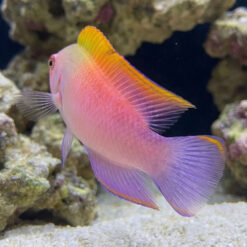
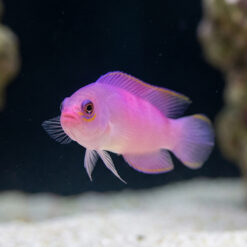
Australian Multicolor Dottyback
Ogilbyina novaehollandiae
| Stock | Variations | Price | Quantity |
|---|
Every order ships with our standard 3-hour live arrival guarantee. Need more time? Add our 5-Day Guarantee at checkout.
Full guarantee terms →Ships Monday – Thursday for next-day arrival at your nearest FedEx Hold location — typically ready by 9 AM. We monitor every delivery.
Shipping details →
Monday – Friday 8 AM – 9 PM
Saturday 12 PM – 4 PM
Sunday 12 PM – 9 PM
Healthy, stable animals from vetted suppliers — inspected before packing, shipped overnight. Decades of experience built this model so we can deliver premium livestock at 30%+ less than you'd pay elsewhere.
| Care Level | Easy |
|---|---|
| Temperament | Aggressive |
| Reef Safe | Yes |
| Functional Benefit | Pest Control |
| Diet Type | Carnivore |
| Mininum Tank Size | 30 gallons |
| Max Size | 4 inches |
| Temperature | 72–78°F |
| pH Range | 8.1–8.4 |
| Specific Gravity | 1.022–1.025 |
The Australian Multicolor Dottyback (Ogilbyina novaehollandiae) is a Great Barrier Reef dottyback that often helps control nuisance bristleworms and other small hitchhikers while adding a compact, multicolored look to your rockwork. Color and pattern can vary by specimen, and the fins commonly show crisp contrast under reef lighting. It stays relatively small, but behaves like a dedicated rockwork “owner” once it picks a home base.
What You’ll Observe:
- Short, fast patrol routes around a favorite cave or ledge, with quick darts back into cover
- “Perch-and-pounce” hunting around crevices, especially when food hits the water
- A strong feeding response to meaty foods, often meeting a baster or feeding stick at the same spot
- Consistent daytime activity near the rocks, with brief sprints between hiding places
Provide a rockscape with several caves and broken sight lines so it can claim one zone without dominating the whole layout. Feed small meaty items (like mysis and finely chopped seafood) consistently, and target-feed near its perch to keep feeding organized. If you’re building a community, add it after more easygoing fish have already settled in.
Why does it “disappear” into the rockwork for a few days after introduction?
Many dottybacks spend their first stretch mapping a home base and will stay tucked into a single crevice until they feel routine around the tank.
Does rearranging rockwork help when adding new fish later?
A small re-scape can reset boundaries and create new hiding routes, which often helps the tank feel “new” to everyone at the same time.
Why does it focus on chasing one specific fish more than others?
Keepers often report extra attention toward fish that use the same caves and swim in the same tight zones, since they’re competing for the same space.
Does feeding style change what happens at mealtime?
Target-feeding (baster, feeding stick, or a consistent “feeding corner”) can keep the dottyback busy with food instead of surveying the whole tank for competition.
What introduction methods do hobbyists use if it immediately guards a single rock pile?
An acclimation box (for a couple of days) or a short “lights-dim” period during release is commonly used to let other fish adjust to its presence without a full-speed chase.
Our selection process means you get robust, well-adjusted specimens that settle in quickly.
Recently viewed products