
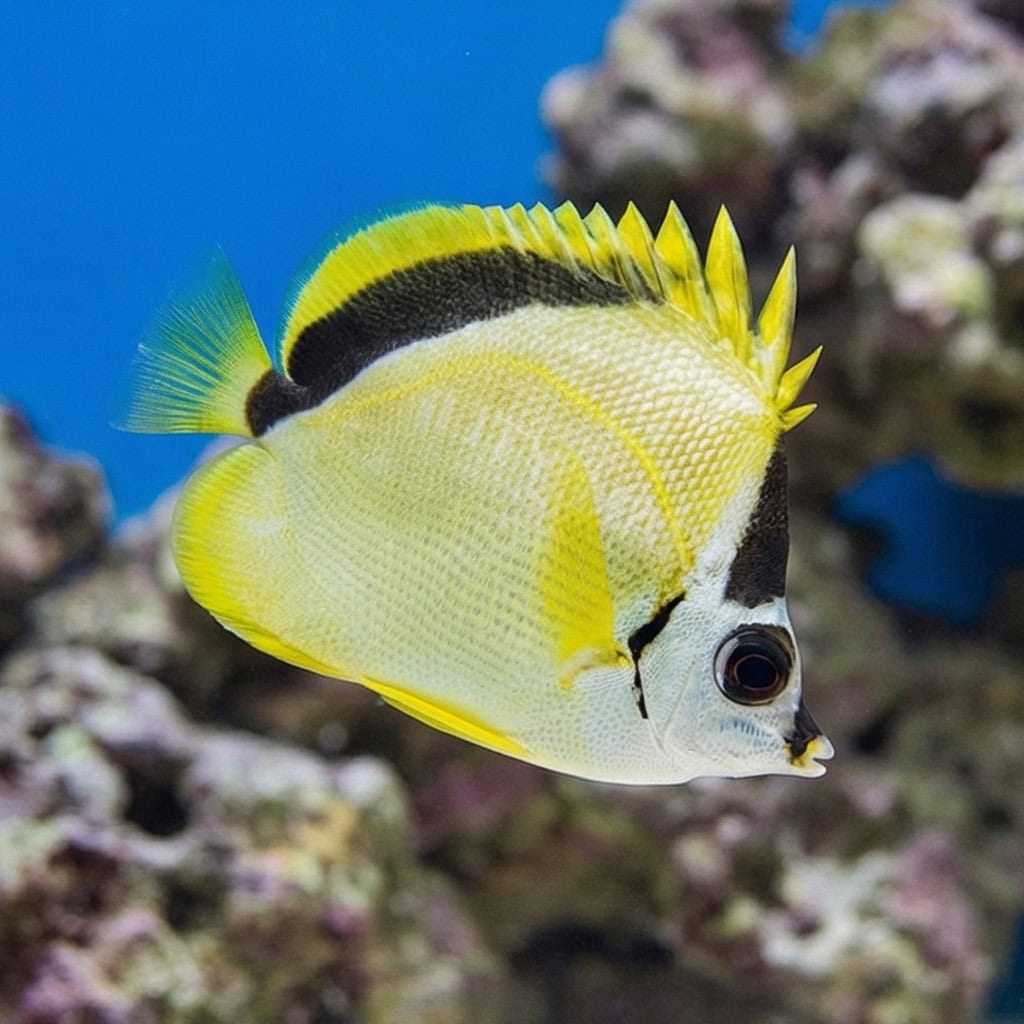
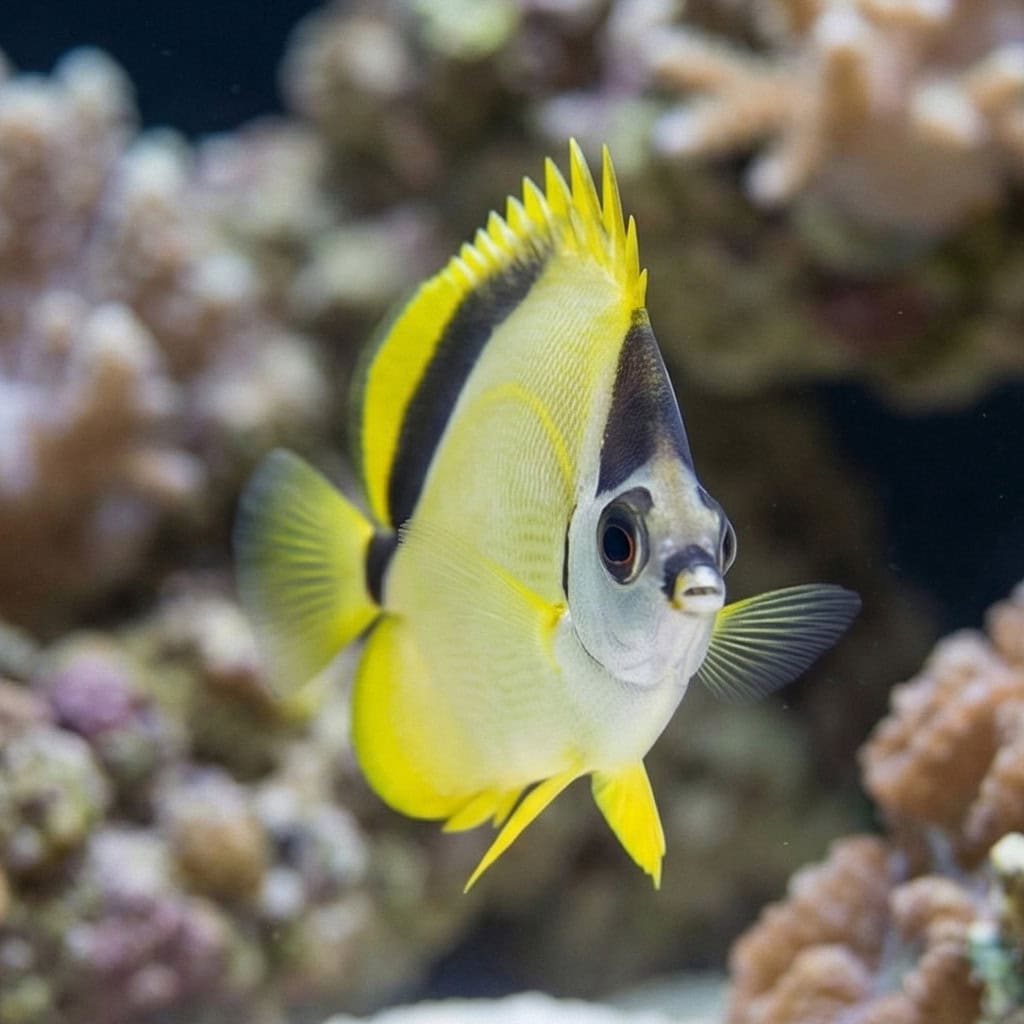
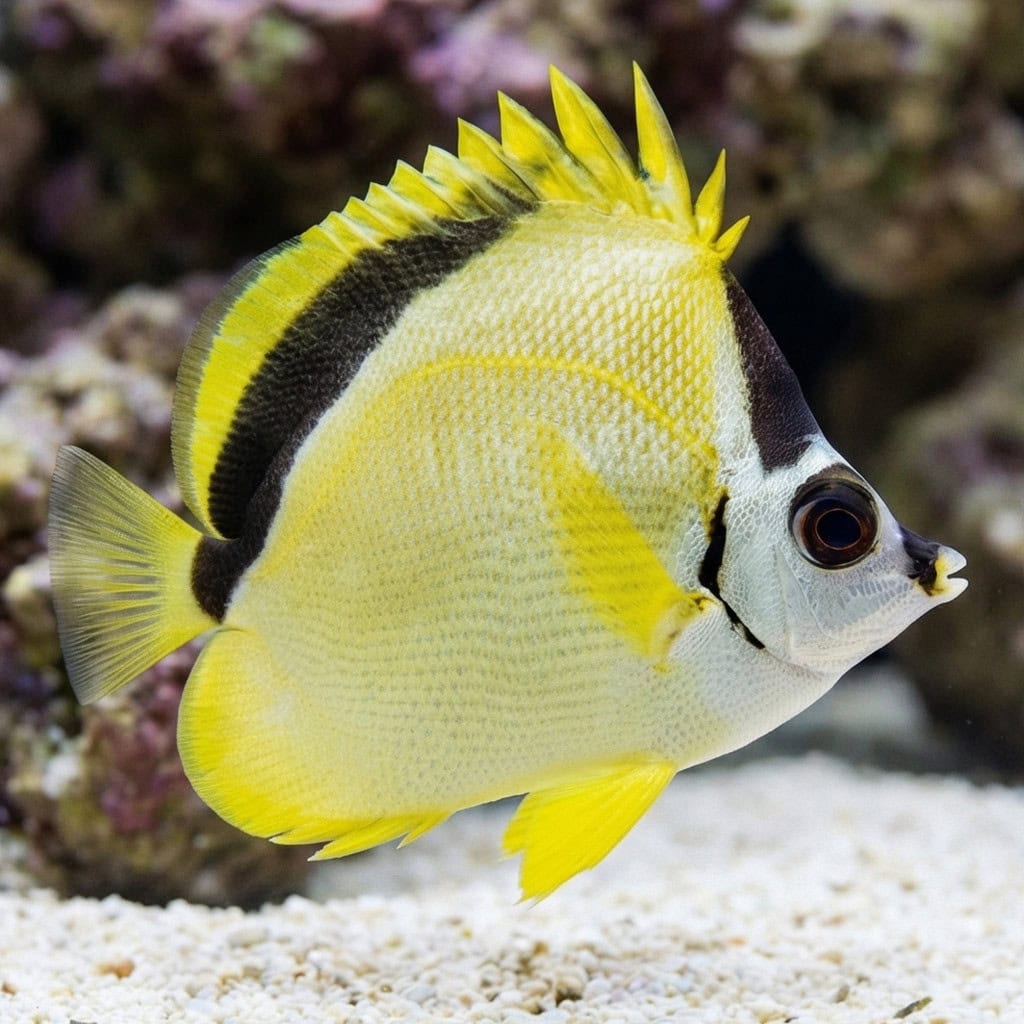
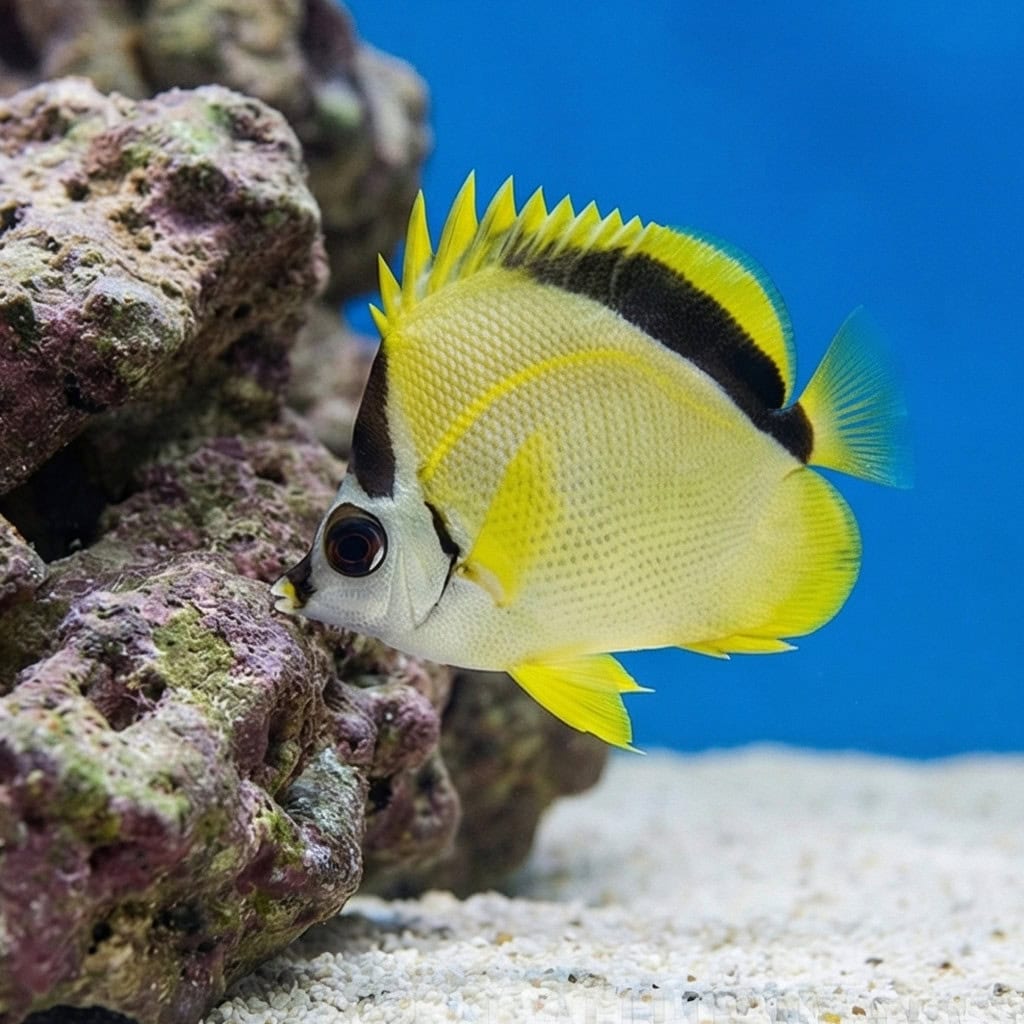
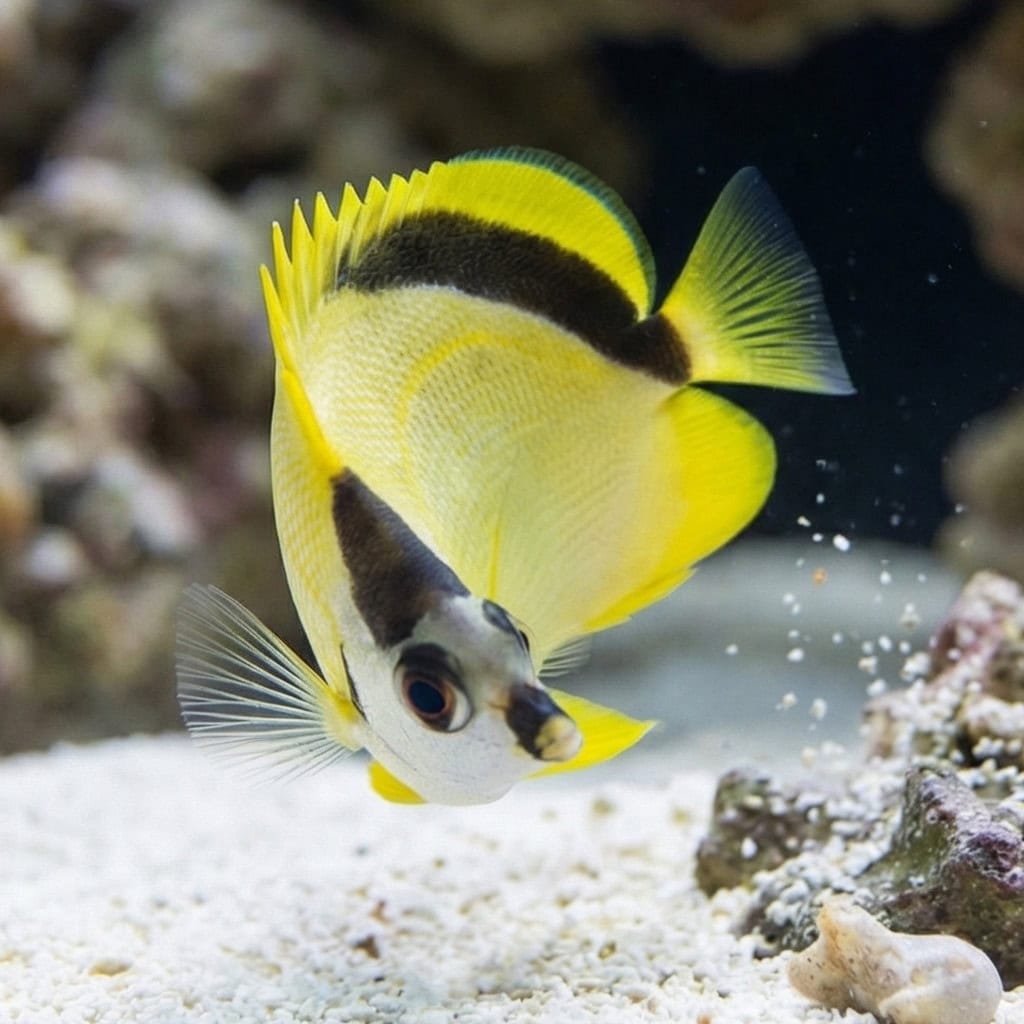
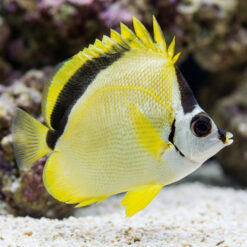
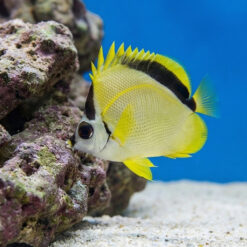
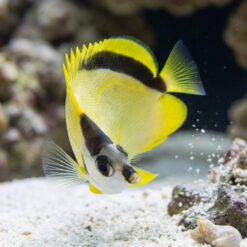
Barberfish Butterfly
Johnrandallia nigrirostris
Original price was: $256.99.$134.99Current price is: $134.99.
| Stock | Variations | Price | Quantity | |
|---|---|---|---|---|
| Out of Stock | 3.5 - 4.75" - East Pacific | Original price was: $292.99.$153.99Current price is: $153.99. | Email me | |
| Only 2 left | 2.25 - 3.5" - East Pacific | Original price was: $256.99.$134.99Current price is: $134.99. |
-
+
|
|
| Out of Stock | 2.25" or smaller - East Pacific | Original price was: $234.99.$123.99Current price is: $123.99. | Email me |
Every order ships with our standard 3-hour live arrival guarantee. Need more time? Add our 5-Day Guarantee at checkout.
Full guarantee terms →Ships Monday – Thursday for next-day arrival at your nearest FedEx Hold location — typically ready by 9 AM. We monitor every delivery.
Shipping details →
Monday – Friday 8 AM – 9 PM
Saturday 12 PM – 4 PM
Sunday 12 PM – 9 PM
Healthy, stable animals from vetted suppliers — inspected before packing, shipped overnight. Decades of experience built this model so we can deliver premium livestock at 30%+ less than you'd pay elsewhere.
| Care Level | Moderate |
|---|---|
| Temperament | Semi-Aggressive |
| Reef Safe | No |
| Functional Benefit | Parasite Control |
| Diet Type | Omnivore |
| Mininum Tank Size | 30 gallons |
| Max Size | 6 inches |
| Temperature | 72–78°F |
| pH Range | 8.1–8.4 |
| Specific Gravity | 1.022–1.025 |
Also known as the Blacknosed Barberfish Butterflyfish, Johnrandallia nigrirostris is an Eastern Pacific butterflyfish that spends the day cruising and grazing across rock surfaces. It has a silvery-yellow body with a bold black mask through the eye and a dark snout, plus an active on-the-move presence that reads well in larger fish-only and live-rock displays.
What You’ll Observe:
- Active daytime cruising with frequent stop-and-peck grazing on rockwork.
- Short, focused bursts of picking as it searches for tiny invertebrates and natural films.
- Periodic approaches to larger fish, sometimes prompting brief cleaning interactions.
- An evening routine of settling into rock and rubble areas to rest.
Provide open swimming space with plenty of established live rock so it can browse naturally throughout the day. Offer a varied menu of frozen mysis, finely chopped seafood, and quality pellets 2–3 times daily to keep feeding consistent and confident. Maintain stable reef-range salinity and pH for steady activity and coloration.
Does it “clean” other fish in a home aquarium?
Many hobbyists see occasional cleaning-station behavior, especially from smaller specimens, but it’s best treated as a bonus behavior rather than its only job.
Why is it always pecking at the rocks even after it eats prepared foods?
That constant picking is normal browsing—fish in this group spend a lot of time searching surfaces for tiny snacks between meals.
Will it ignore food for the first few days and then suddenly start eating?
It’s common for the first strong feeding response to build over the first several feedings; offering small portions multiple times daily helps it lock in a routine.
Can I keep more than one Barberfish together?
Some keepers have the best results when multiple are introduced at the same time, so they establish their spacing and routines together.
Where should it sleep at night?
Most settle into sheltered rockwork and stay close to structure after lights out, then resume active daytime cruising when the tank brightens up.
Each fish is checked for strong appetite and activity before we approve it for your tank.
Recently viewed products