
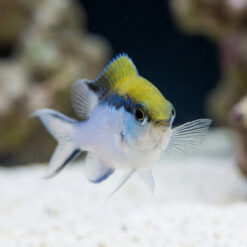
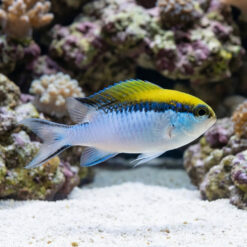
Barrier Reef Chromis
Chromis nitida
Original price was: $155.99.$81.99Current price is: $81.99.
| Stock | Variations | Price | Quantity | |
|---|---|---|---|---|
| Only 1 left | 2 - 3" - Australia | Original price was: $155.99.$81.99Current price is: $81.99. |
-
+
|
Every order ships with our standard 3-hour live arrival guarantee. Need more time? Add our 5-Day Guarantee at checkout.
Full guarantee terms →Ships Monday – Thursday for next-day arrival at your nearest FedEx Hold location — typically ready by 9 AM. We monitor every delivery.
Shipping details →
Monday – Friday 8 AM – 9 PM
Saturday 12 PM – 4 PM
Sunday 12 PM – 9 PM
Healthy, stable animals from vetted suppliers — inspected before packing, shipped overnight. Decades of experience built this model so we can deliver premium livestock at 30%+ less than you'd pay elsewhere.
| Care Level | Easy |
|---|---|
| Temperament | Semi-Aggressive |
| Reef Safe | Yes |
| Functional Benefit | Ornamental Only |
| Diet Type | Omnivore |
| Mininum Tank Size | 55 gallons |
| Max Size | 3 inches |
| Temperature | 72–78°F |
| pH Range | 8.1–8.4 |
| Specific Gravity | 1.022–1.025 |
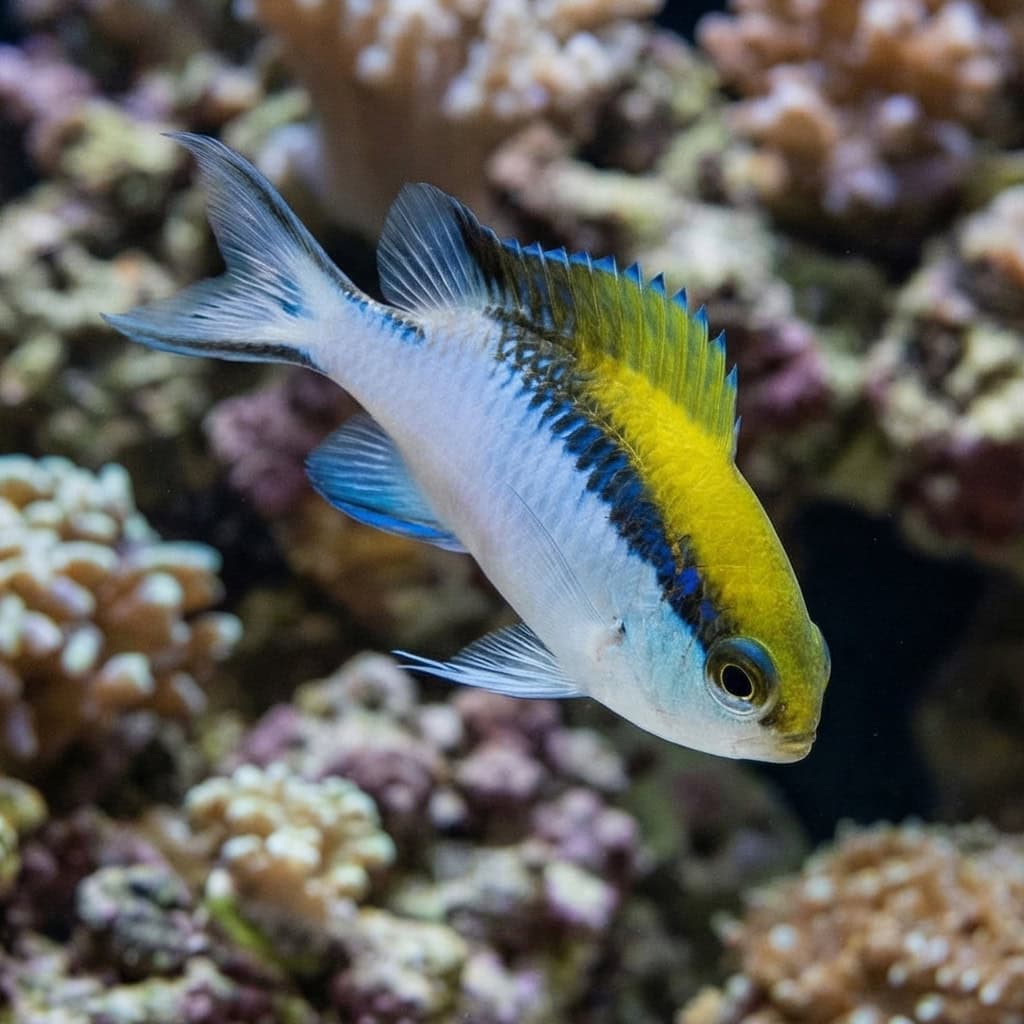
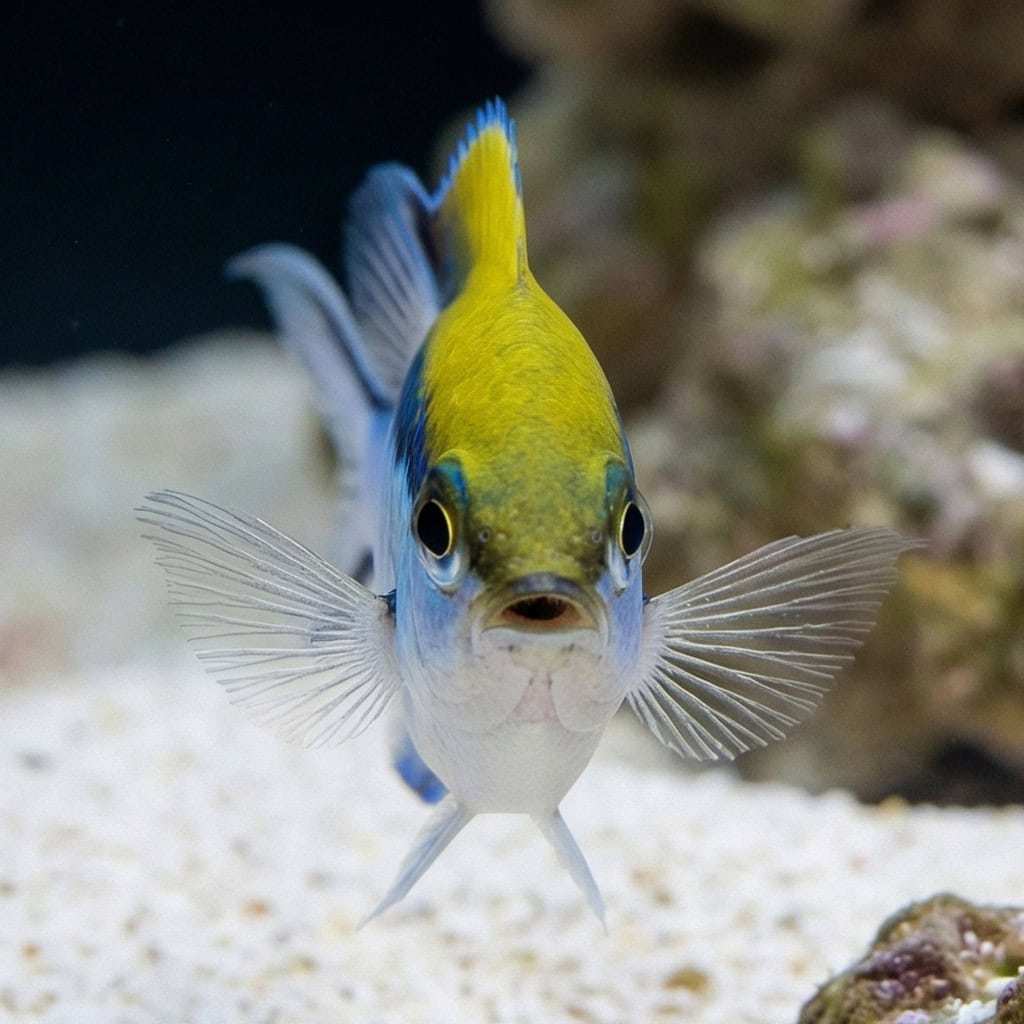
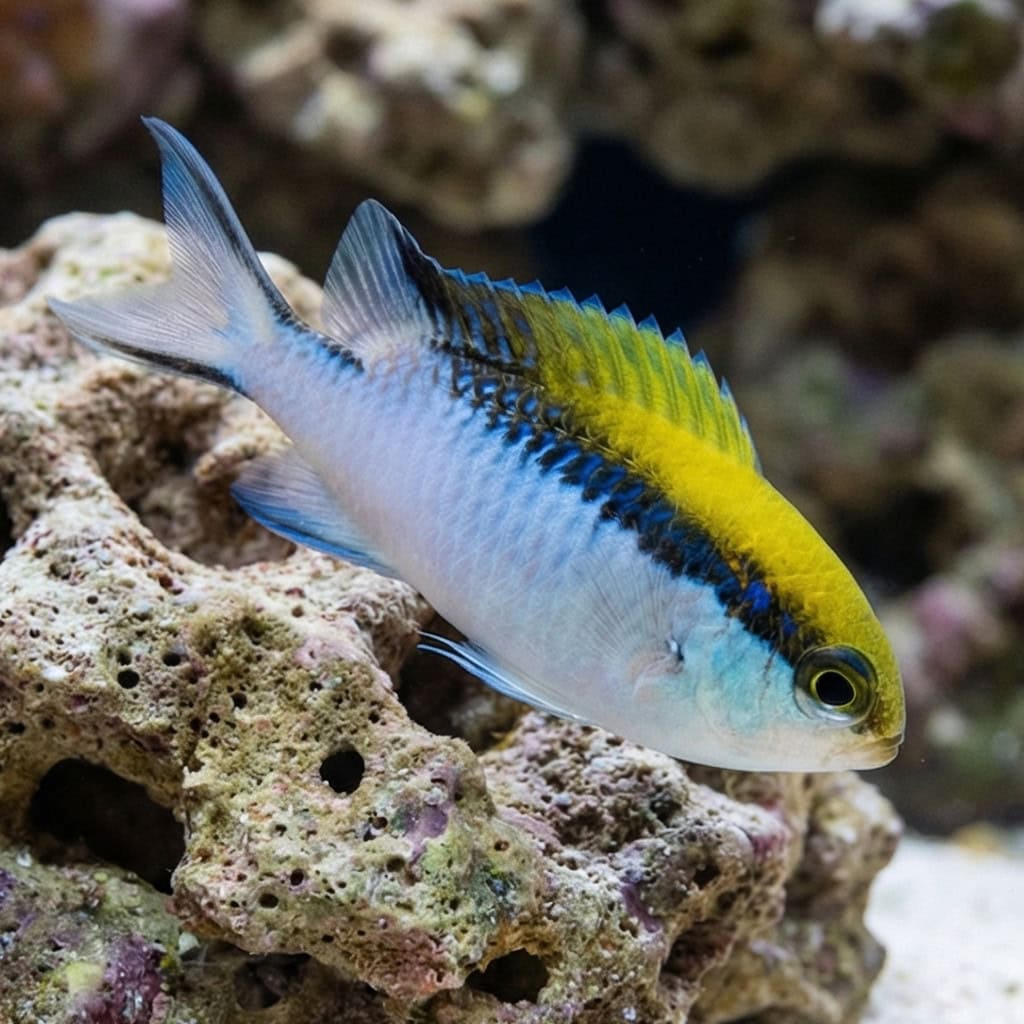
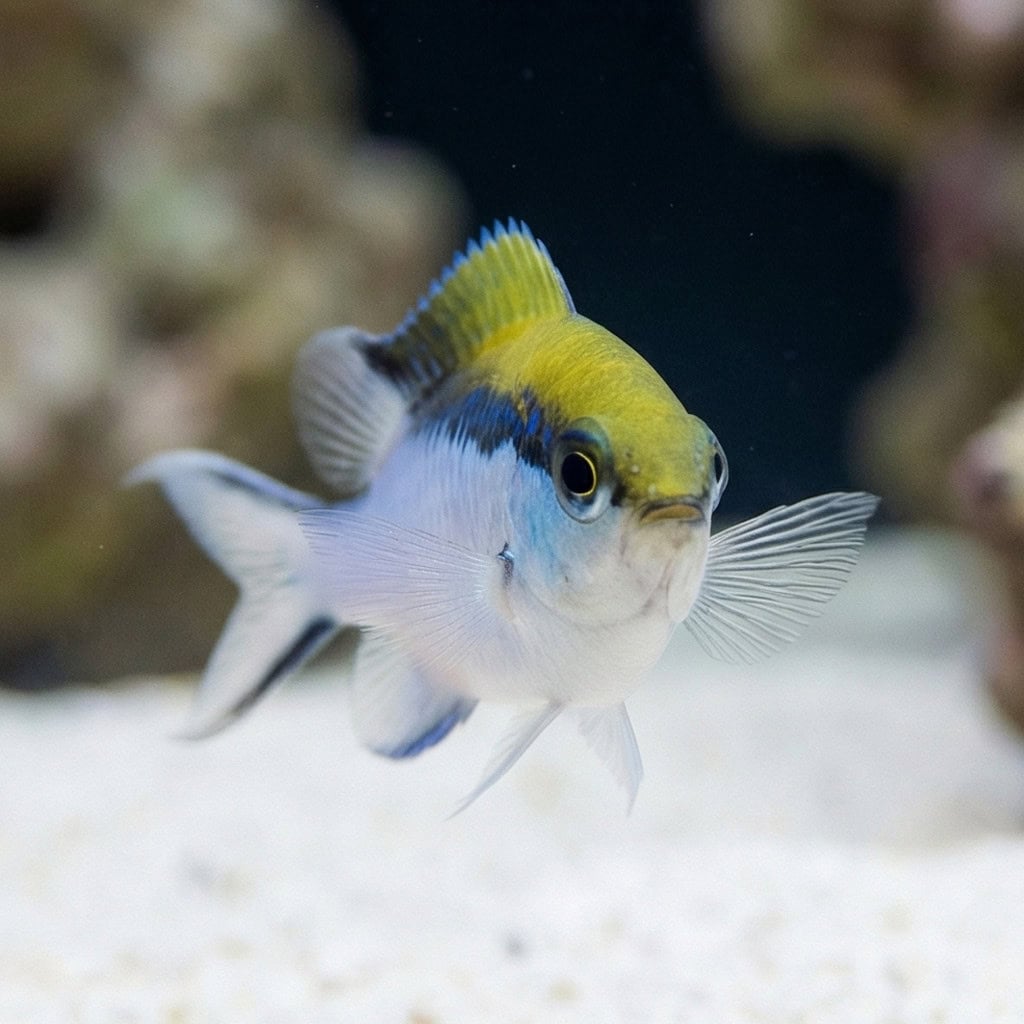
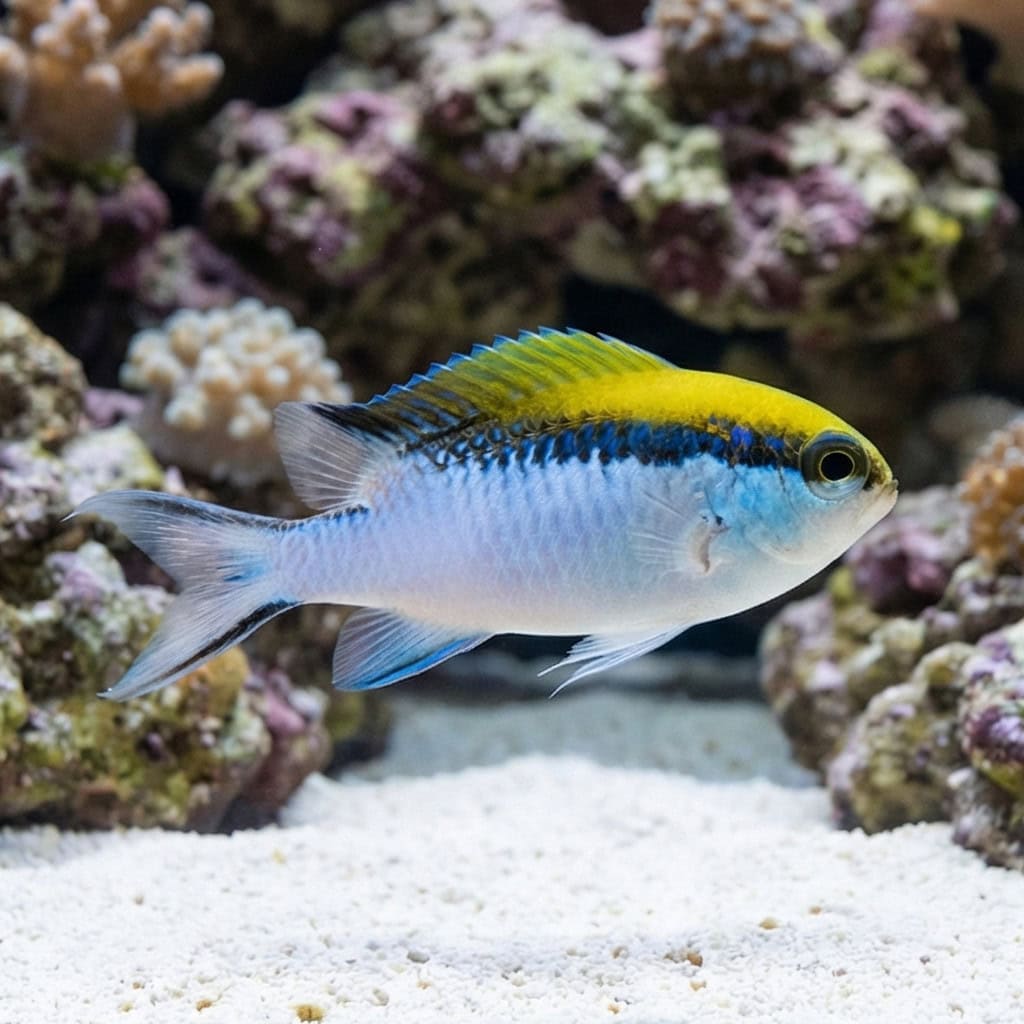
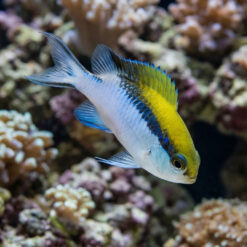
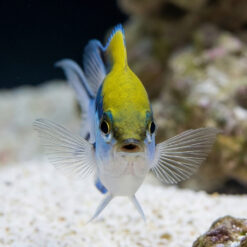
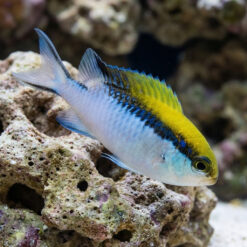
Barrier Reef Chromis (Chromis nitida), also known as the yellowback puller, is an Australian chromis with a yellow-brown back, a dark diagonal facial line, and silvery sides. It’s a midwater swimmer that adds steady movement above reef rockwork.
What You’ll Observe:
- Spends most of the day in the mid-to-upper water column, hovering and making short dashes between rockwork edges.
- Often behaves like a loose shoal when young, then settles into a more spaced-out pattern as it matures.
- Color can look washed right after shipping, then returns more strongly as it settles in over the first week.
- Develops a “favorite zone” in the tank and repeatedly returns there between feedings.
Provide open swimming room with a few rock ledges and shaded pockets so it can move in and out of cover naturally. Offer a mix of small frozen and pellet foods in a couple of small feedings so it can eat comfortably in the water column. If keeping multiples, adding them at the same time in a spacious setup helps day-to-day interactions stay more consistent.
Will a group stay tightly “schooled” long-term?
Many hobbyists see a loose shoal effect at first, then a more spread-out midwater pattern as each fish picks a preferred zone.
Why does one chromis sometimes get singled out?
In smaller groups, attention can focus on one fish; larger odd-number groupings introduced together are commonly used to distribute that pressure.
Is it normal for the color to fade after shipping?
Yes—temporary paling is commonly reported after shipping or a move, with color returning as the fish settles in (often within about a week).
Can I mix this chromis with other chromis species?
It can work in larger displays, but mixed chromis still tend to sort out a hierarchy; introducing them together helps keep the dynamic more even.
Should I expect it to act like a “pair” during spawning season?
In the wild, they can form pairs for breeding, and keepers sometimes notice a fish favoring a specific rock area more strongly as it matures.
Our selection process means you get robust, well-adjusted specimens that settle in quickly.
Recently viewed products