
Bird Wrasse
Gomphosus varius
Price range: $103.99 through $206.99
| Stock | Variations | Price | Quantity | |
|---|---|---|---|---|
| Only 3 left | 4.5 - 5.5" - Male - Green - Indo-Pacific | Original price was: $392.99.$206.99Current price is: $206.99. |
-
+
|
|
| Only 1 left | 4.25 - 6.25" - Female - Black - Indo-Pacific | Original price was: $220.99.$115.99Current price is: $115.99. |
-
+
|
|
| Only 3 left | 2.25 - 4.25" - Female - Black - Indo-Pacific | Original price was: $196.99.$103.99Current price is: $103.99. |
-
+
|
|
| Out of Stock | 2.25" or smaller - Female - Black - Indo-Pacific | Original price was: $147.99.$77.99Current price is: $77.99. | Email me | |
| Out of Stock | 2.25 - 4.25" - SSC Certified - Female - Black - Central Pacific | Original price was: $75.99.$39.99Current price is: $39.99. | Email me |
Every order ships with our standard 3-hour live arrival guarantee. Need more time? Add our 5-Day Guarantee at checkout.
Full guarantee terms →Ships Monday – Thursday for next-day arrival at your nearest FedEx Hold location — typically ready by 9 AM. We monitor every delivery.
Shipping details →
Monday – Friday 8 AM – 9 PM
Saturday 12 PM – 4 PM
Sunday 12 PM – 9 PM
Healthy, stable animals from vetted suppliers — inspected before packing, shipped overnight. Decades of experience built this model so we can deliver premium livestock at 30%+ less than you'd pay elsewhere.
| Care Level | Easy |
|---|---|
| Temperament | Semi-Aggressive |
| Reef Safe | No |
| Functional Benefit | Ornamental Only |
| Diet Type | Carnivore |
| Mininum Tank Size | 120 gallons |
| Max Size | 12 inches |
| Temperature | 72–78°F |
| pH Range | 8.1–8.4 |
| Specific Gravity | 1.022–1.025 |
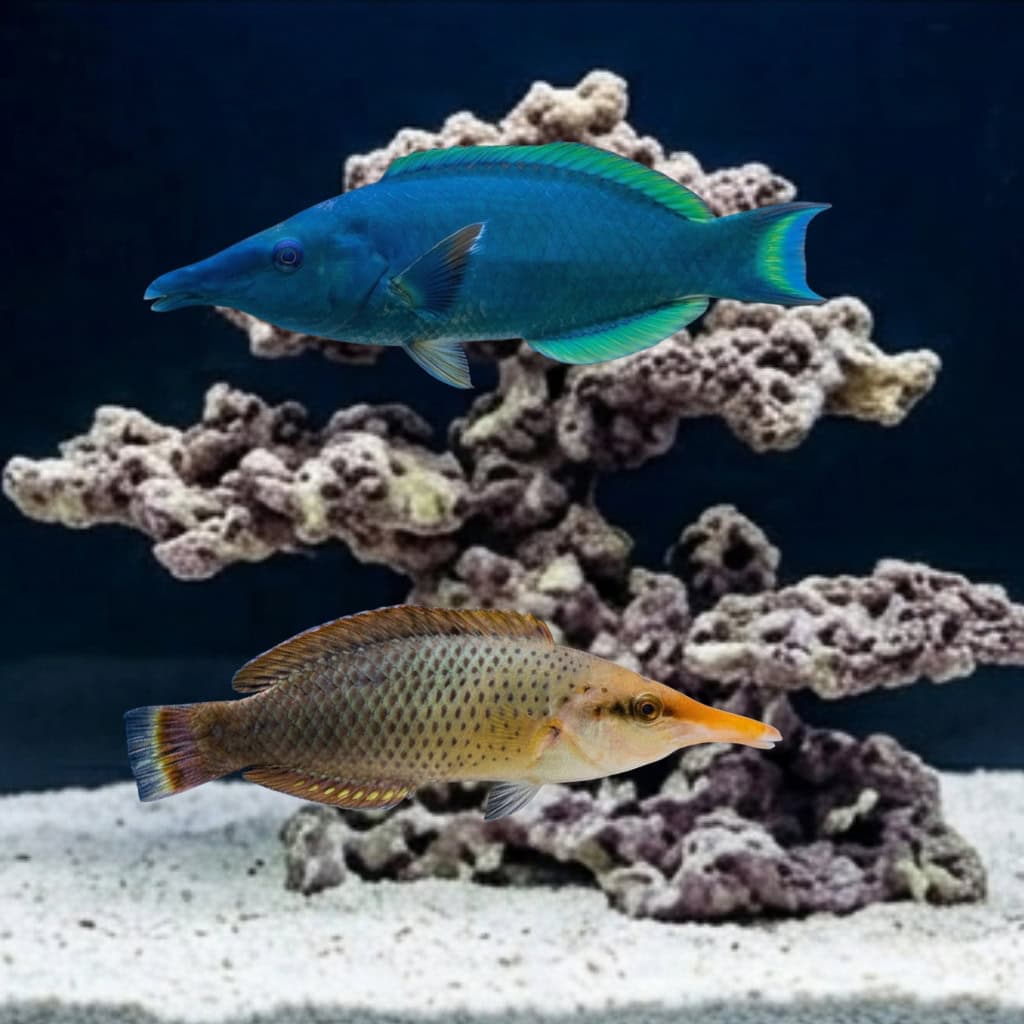
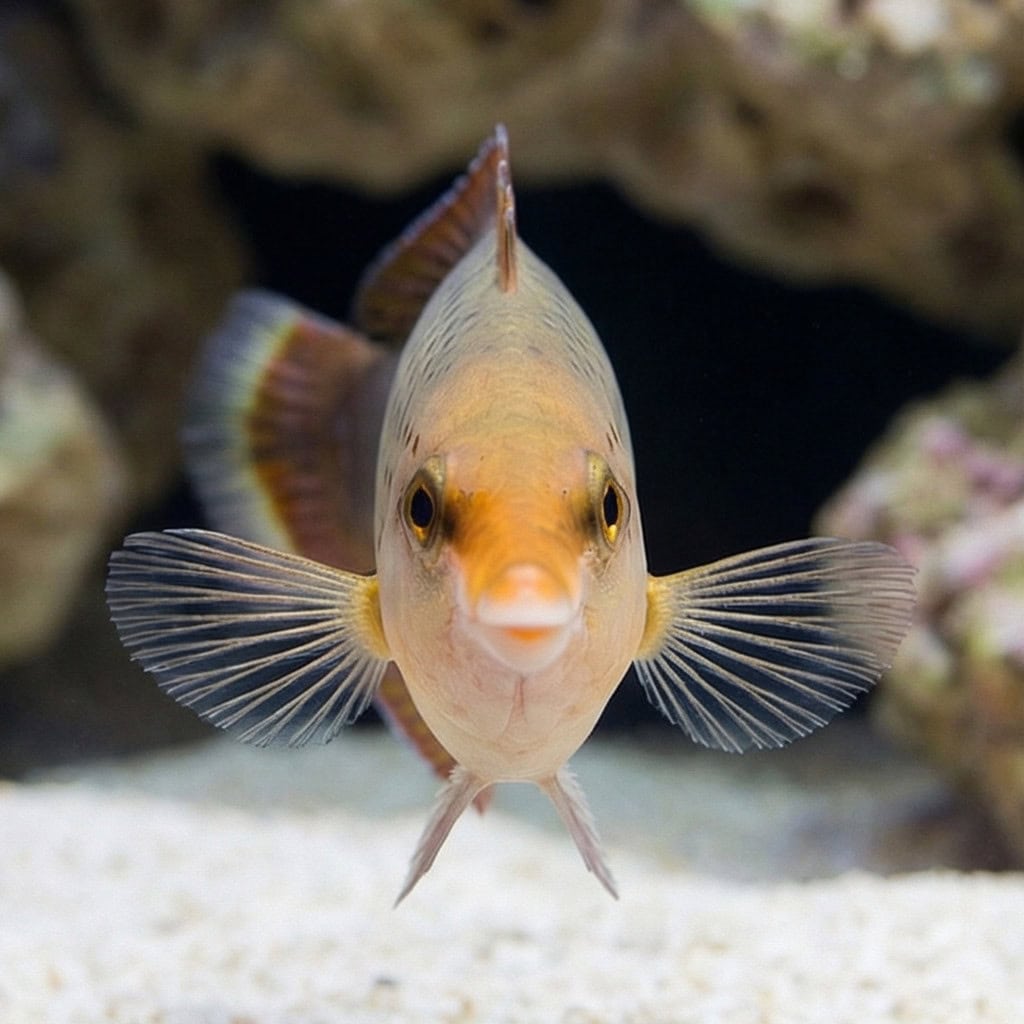
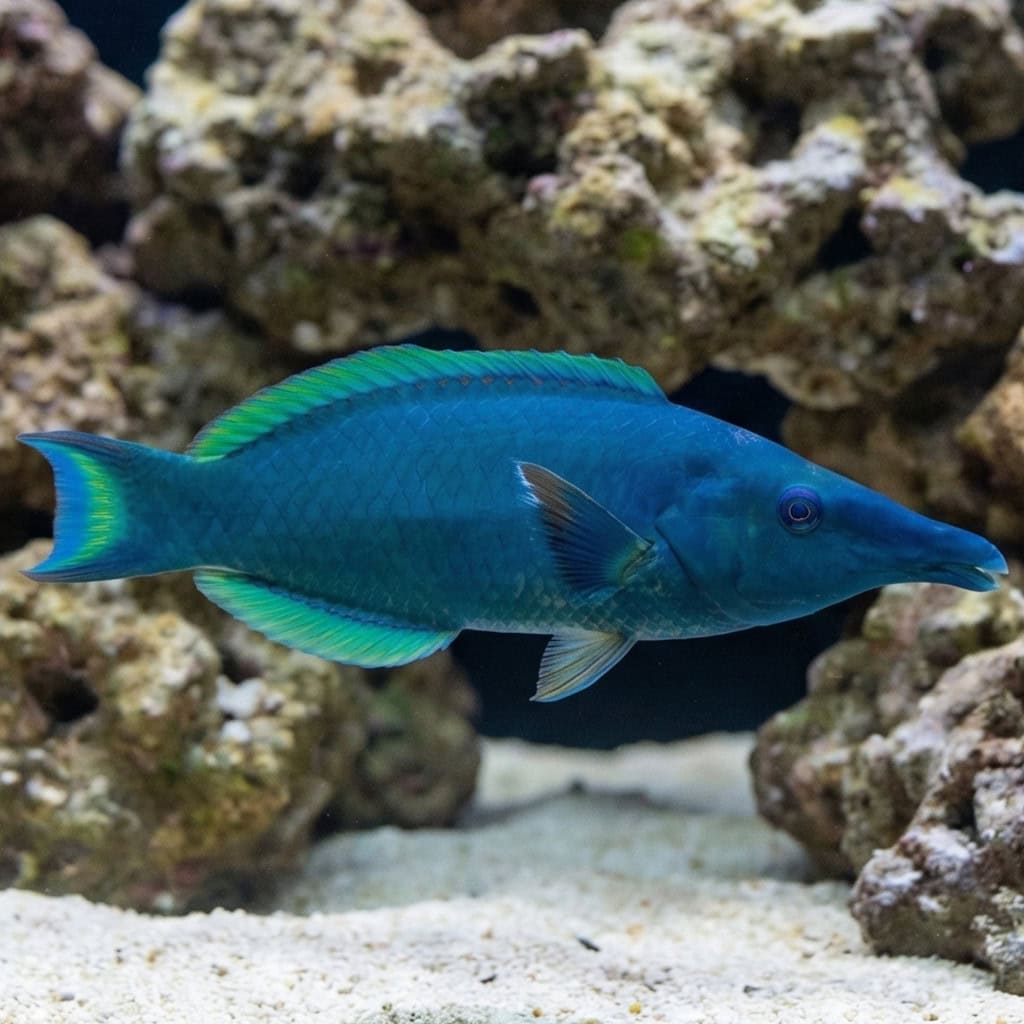
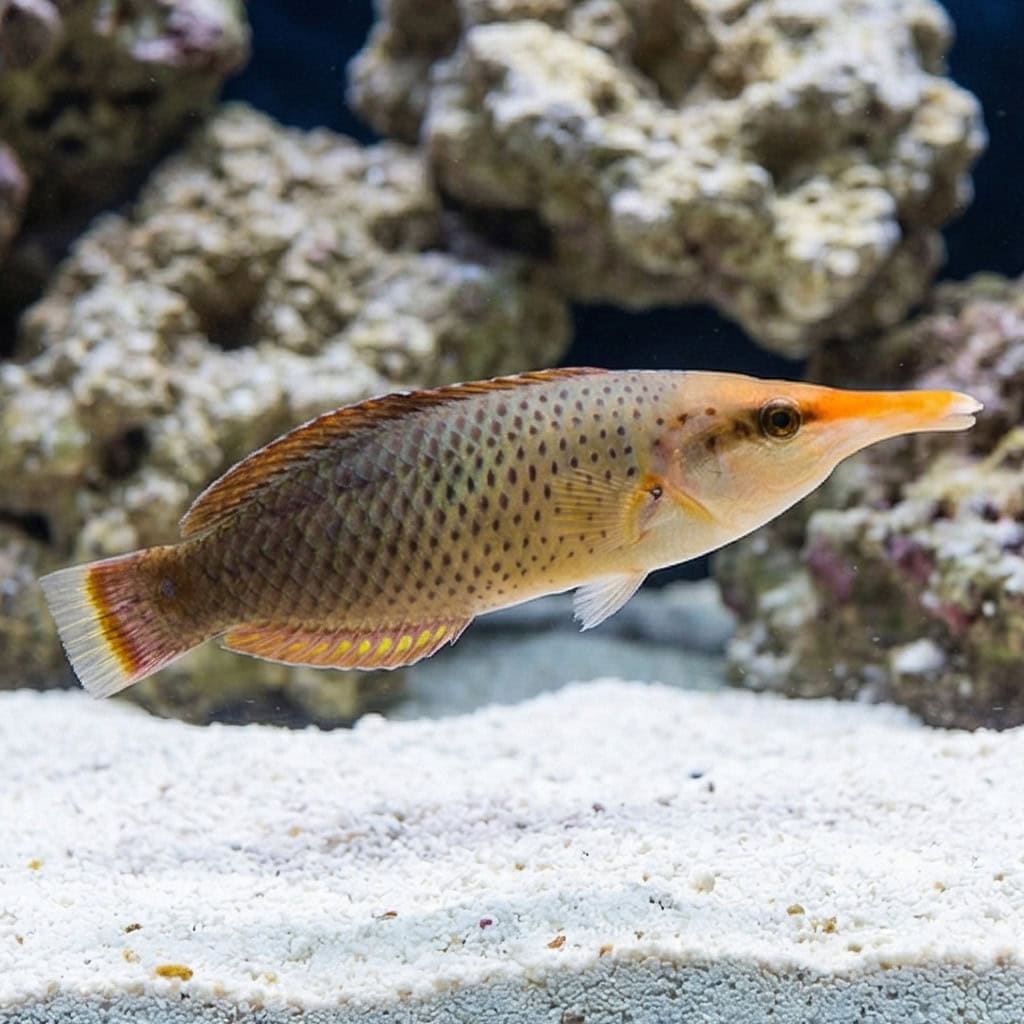
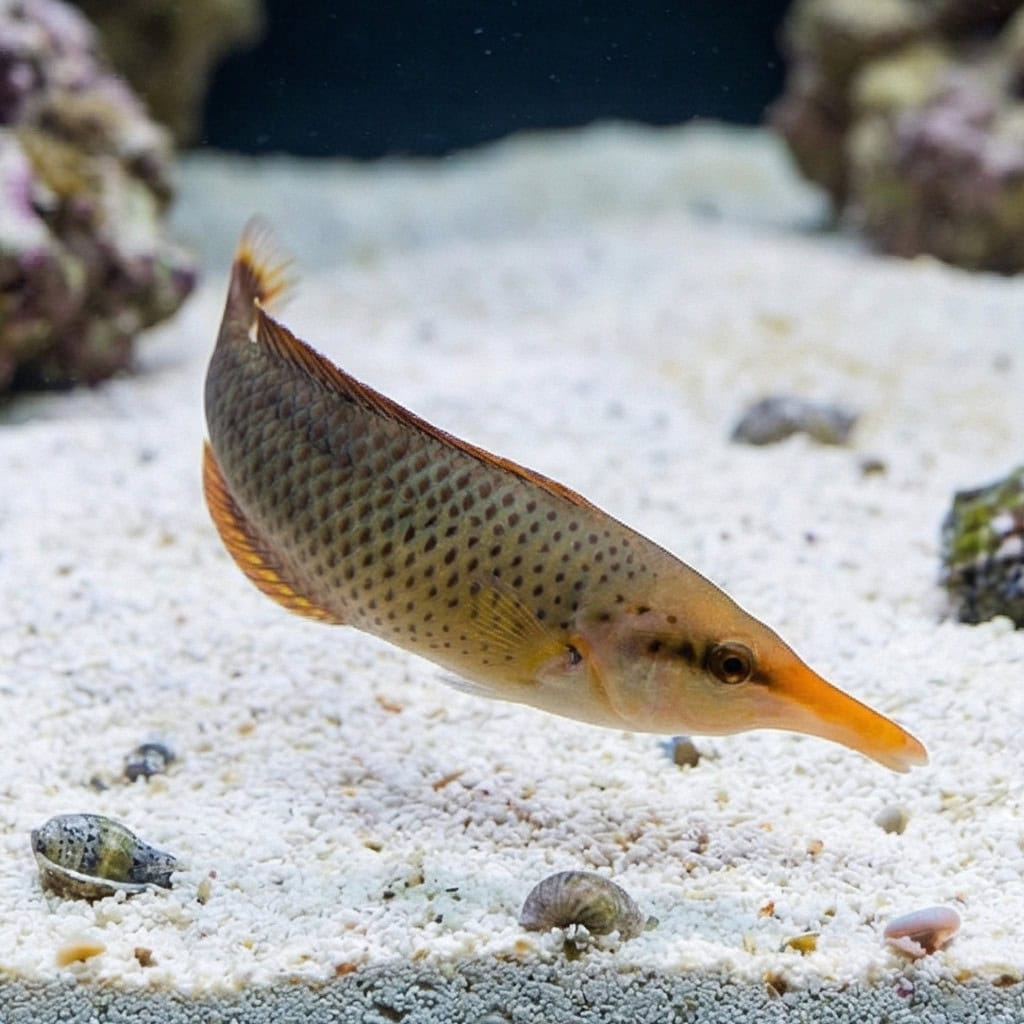
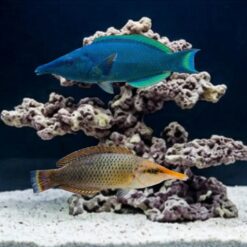
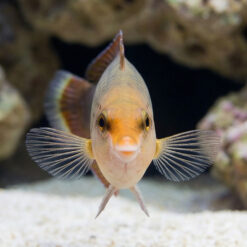
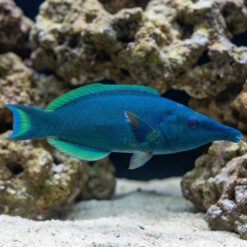
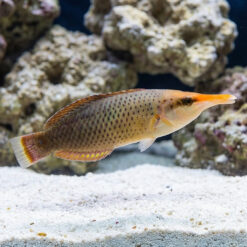
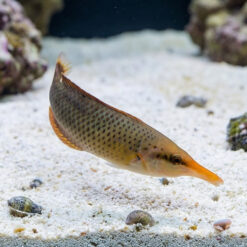
Bird Wrasse (Gomphosus varius) is a long-bodied wrasse known for an extended, beak-like snout used to grab moving prey. Males are typically green while females are darker, and both tend to cruise the tank with steady, “flapping” pectoral-fin swimming. Commonly listed as Green Bird Wrasse or Brown/Black Bird Wrasse.
What You’ll Observe:
- Active laps through open water with frequent passes along the rockwork, especially during the day
- Confident feeding behavior that often draws it into the open quickly at mealtimes
- Regular inspection of crevices and ledges using the beak-like snout to pick at items on the rock
- A consistent nighttime routine of settling into rockwork to rest
To help your Bird Wrasse settle in, provide ample open swimming room plus sturdy rock structures that create retreat spaces, and keep a tight-fitting lid in place. Offer a variety of meaty frozen foods along with quality pellets so it can take frequent, filling meals. If keeping a pair, introduce the female first and give them plenty of space to establish a routine.
Why did my Bird Wrasse change from brown to green over time?
Bird Wrasses can change from female coloration to male coloration as they mature and become socially dominant, which is why color shifts are commonly reported in long-term care.
Do Bird Wrasses sleep in the sand like some other wrasses?
Many keepers observe them choosing a consistent sleep spot in the rockwork rather than burying, often wedging into a protected crevice at night.
Can I keep a Bird Wrasse as a bonded pair?
Pairs are often kept in larger systems; hobbyists commonly recommend adding the female first and allowing space for both fish to establish separate retreat areas.
How can I tell Gomphosus varius from similar “bird wrasse” species at a store?
Hobbyists frequently compare head/body patterning in females and note that multiple Gomphosus species may be sold under similar common names, so checking the female pattern and collection origin is a common approach.
Is it normal for the snout (“beak”) to look scuffed or uneven?
Owners often report minor wear, old scars, or unusual-looking snout growths; as long as the fish is swimming and feeding normally, this is commonly discussed as something seen in the species.
We work with trusted suppliers who keep our specimens healthy and well-fed before shipping.
Recently viewed products