
Black-Ear Moray
Muraena melanotis
| Stock | Variations | Price | Quantity |
|---|
Every order ships with our standard 3-hour live arrival guarantee. Need more time? Add our 5-Day Guarantee at checkout.
Full guarantee terms →Ships Monday – Thursday for next-day arrival at your nearest FedEx Hold location — typically ready by 9 AM. We monitor every delivery.
Shipping details →
Monday – Friday 8 AM – 9 PM
Saturday 12 PM – 4 PM
Sunday 12 PM – 9 PM
Healthy, stable animals from vetted suppliers — inspected before packing, shipped overnight. Decades of experience built this model so we can deliver premium livestock at 30%+ less than you'd pay elsewhere.
| Care Level | Moderate |
|---|---|
| Temperament | Aggressive |
| Reef Safe | No |
| Functional Benefit | Ornamental Only |
| Diet Type | Carnivore |
| Mininum Tank Size | 180 gallons |
| Max Size | 24 inches |
| Temperature | 72–78°F |
| pH Range | 8.1–8.4 |
| Specific Gravity | 1.022–1.025 |
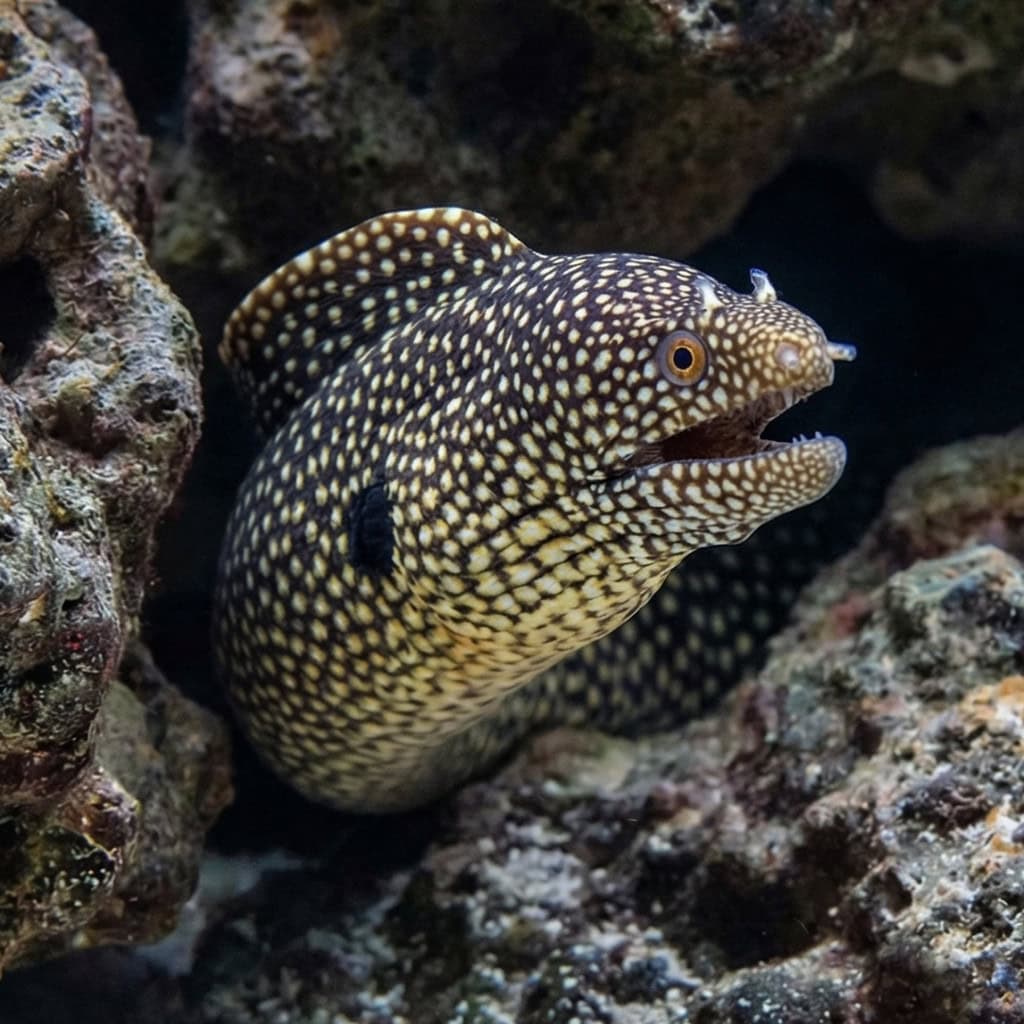
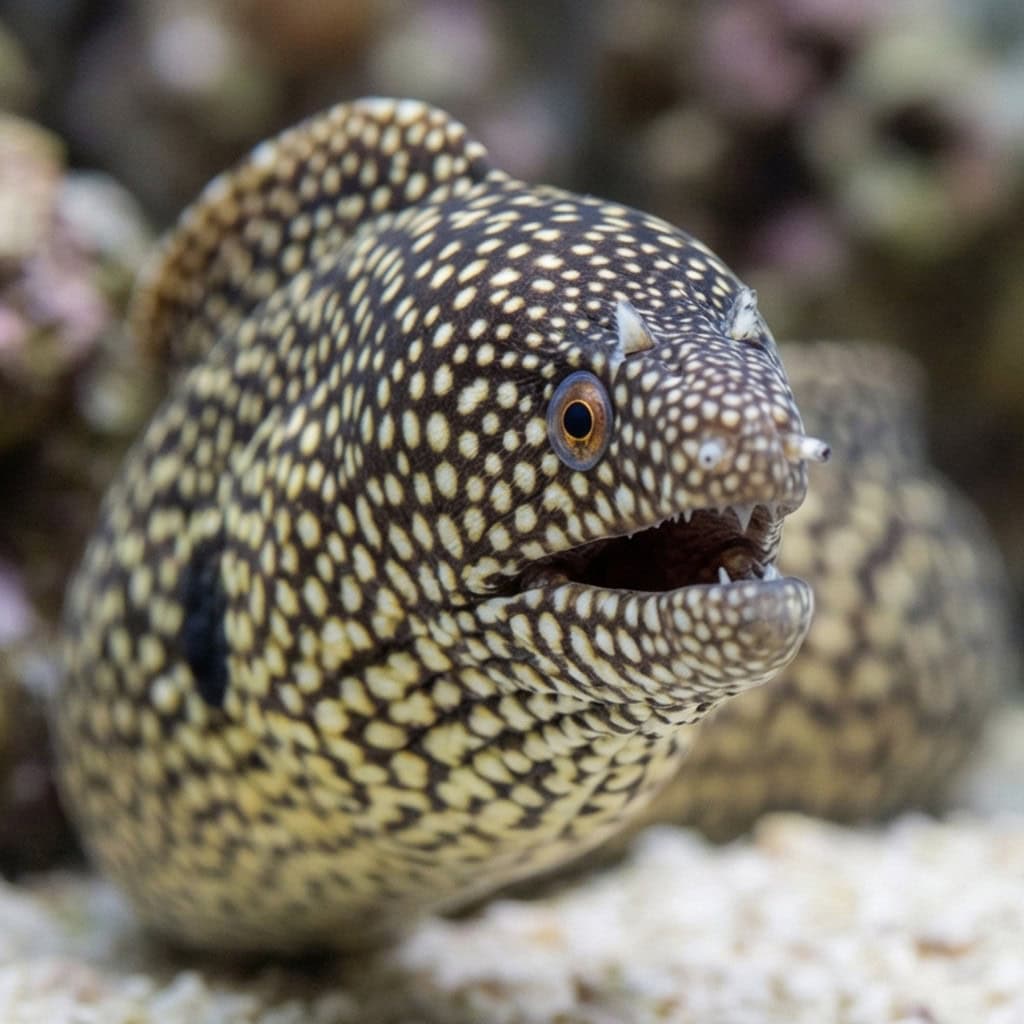
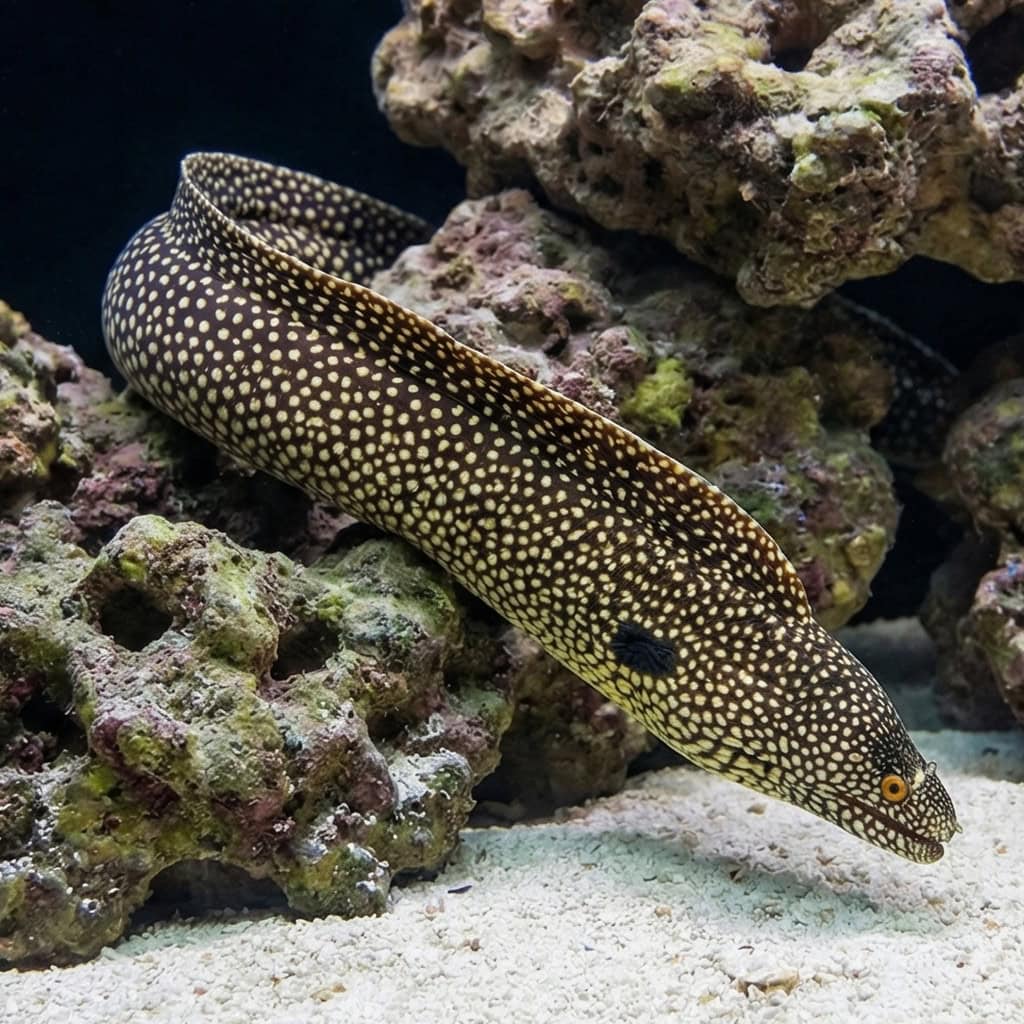
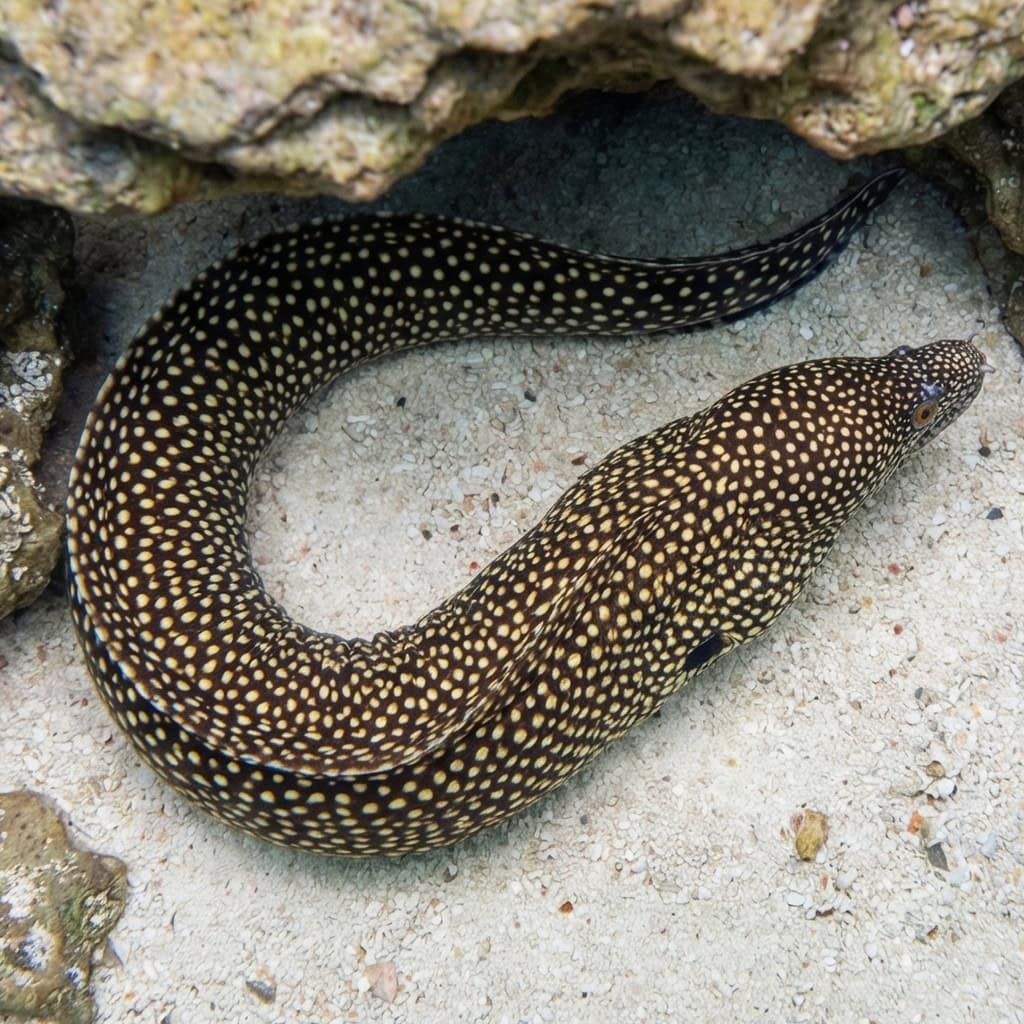
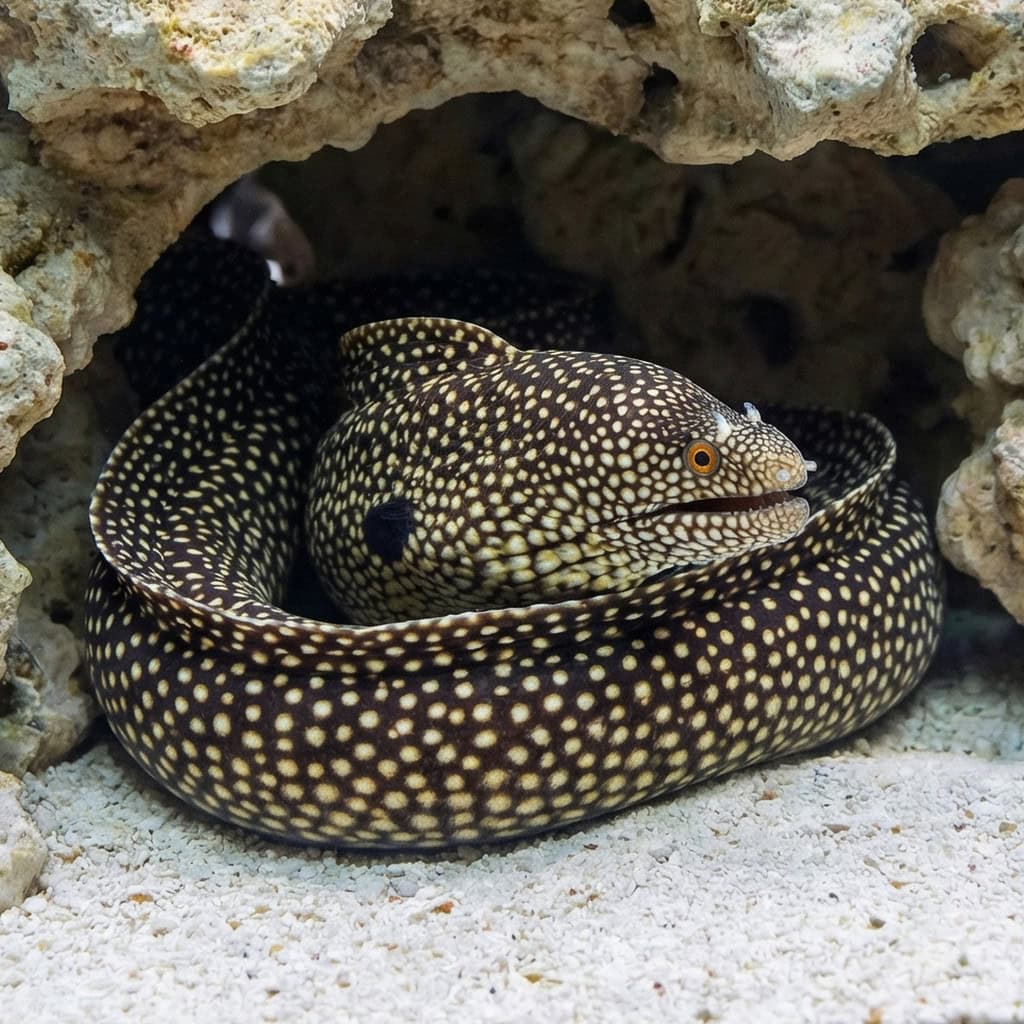
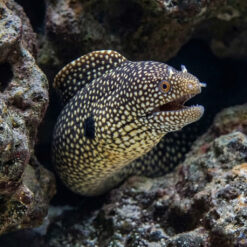
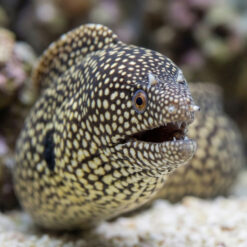
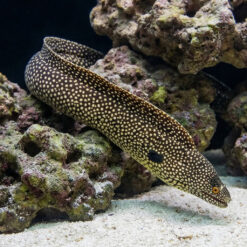
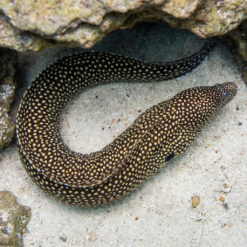
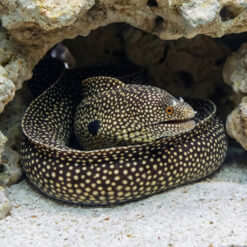
The Black-Ear Moray (Muraena melanotis) is a large Atlantic moray recognized by a dark body with lighter spotting and a distinct dark patch near the gill opening that gives the “black-ear” look. Adults have been reported around 1 meter in length, so it’s best planned as a true predator-tank centerpiece rather than a community reef fish.
What You’ll Observe:
- Most of the day spent in a chosen cave with the head extended, watching the tank from cover
- A strong “scent-first” feeding response, with active searching once food hits the water
- More cruising and patrol behavior after lights dim, especially around its den entrances
- Consistent use of the same tunnels/crevices once it’s settled into the aquascape
How to Succeed: Provide a secure, escape-resistant top and build stable rockwork with multiple deep caves or pipe-style tunnels sized so the eel can fully retreat. Offer a varied menu of meaty marine foods (shrimp, squid, clam, and fish flesh) using long feeding tongs so the eel can strike confidently at a clear target. Maintain typical marine conditions used for moray eels and you’ll see more regular, predictable “den-to-feed” behavior over time.
How long does it usually take before a moray “locks onto” a feeding routine in a new tank?
Many keepers find the first consistent routine forms once the eel associates a specific spot and tool (tongs/stick) with food, often over the first few weeks.
What foods tend to work best when an eel ignores the first few offerings?
A lot of success comes from mixing textures (soft clam/squid vs. firmer fish) and presenting smaller pieces with movement (a gentle “wiggle”) so the eel can track it by scent and vibration.
Is it normal for a moray to stay hidden even when it’s eating well?
Yes’many morays become very “den-based,” showing most activity around feeding time and during lower-light periods rather than staying out in the open all day.
Will a moray rearrange the aquascape or choose a “favorite tunnel”?
They often commit to a primary den and may nudge sand/rubble at entrances while they refine a comfortable retreat route.
What’s the most practical way to make feeding safer and more consistent?
Using long tongs or a feeding stick helps the eel strike the food (not your hand), and feeding in the same area helps you confirm the eel actually took the portion.
We source from vetted suppliers known for healthy, long-lived specimens.
Recently viewed products