
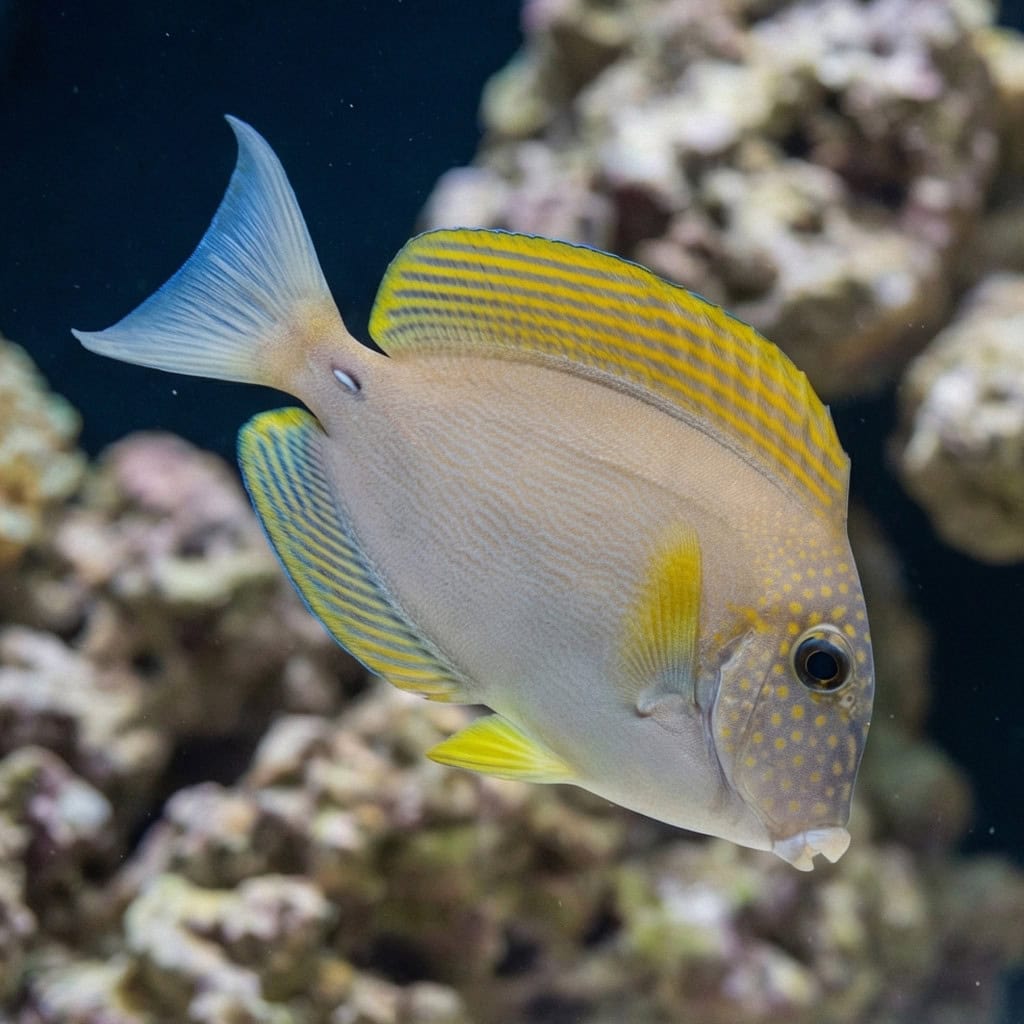
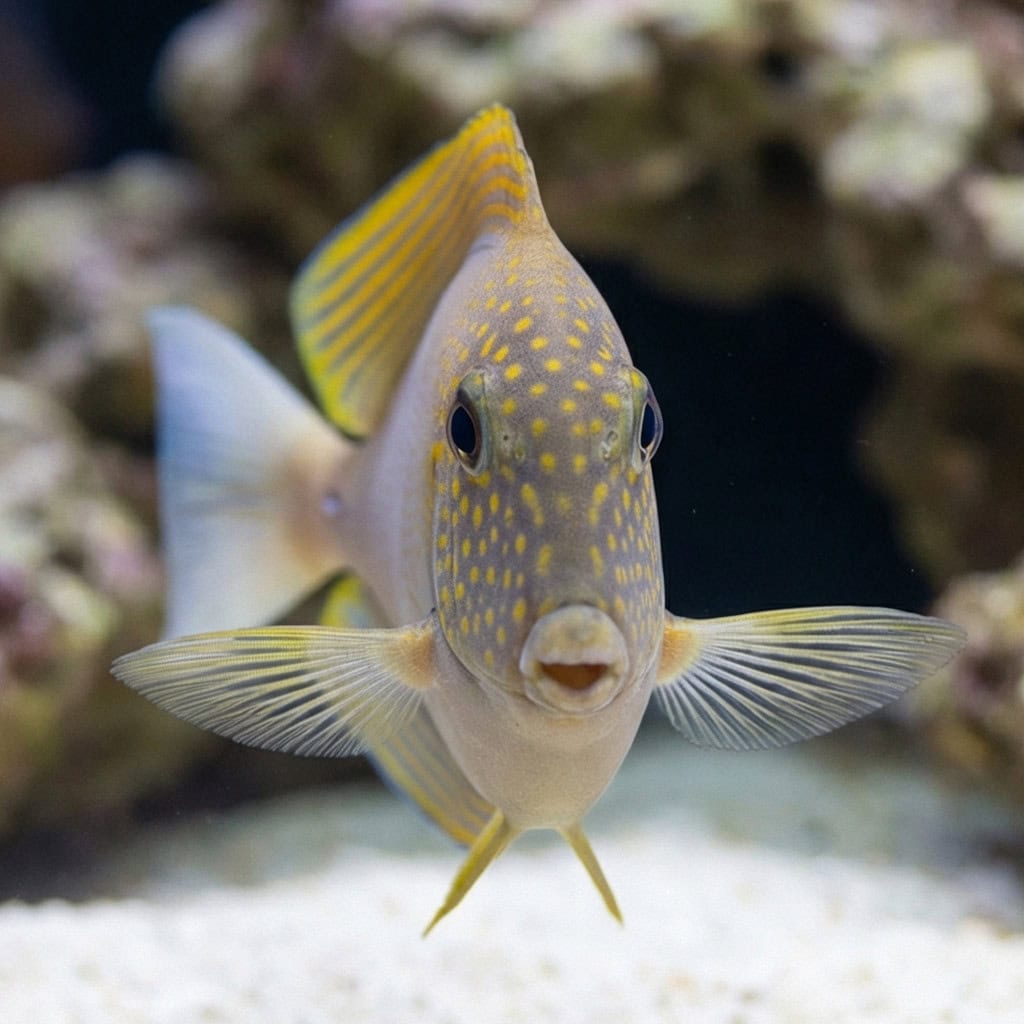
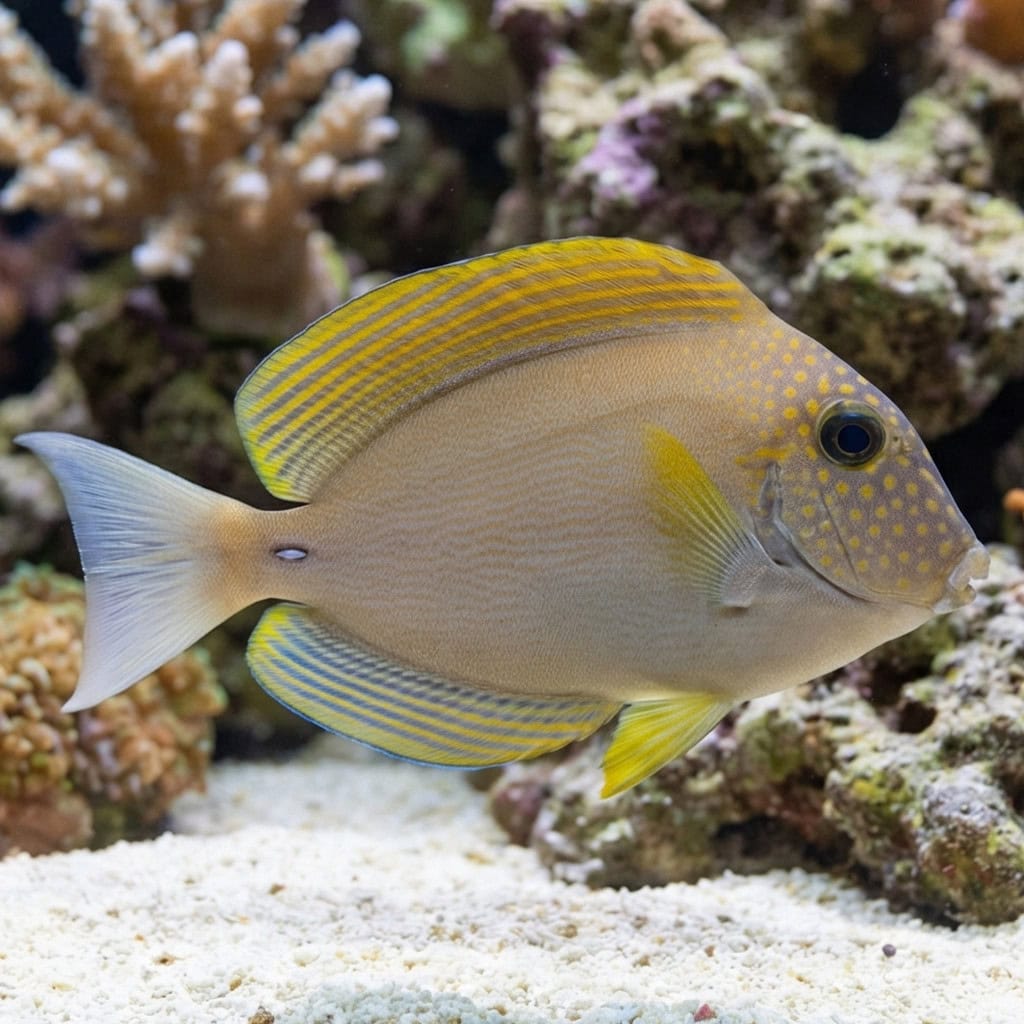
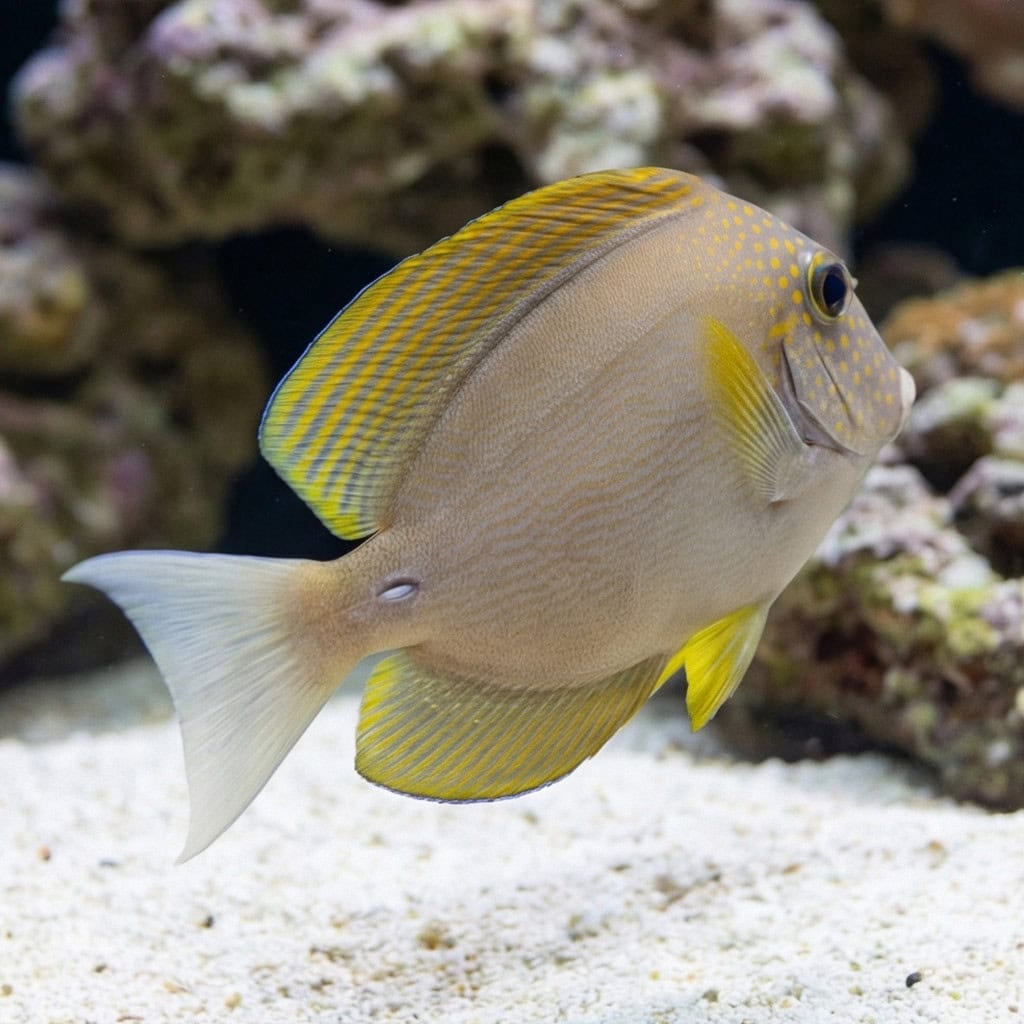
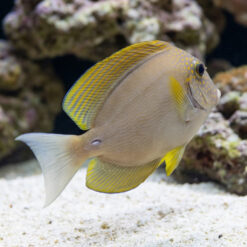
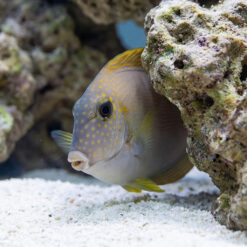
Black-Eared Maculiceps Tang
Acanthurus maculiceps
| Stock | Variations | Price | Quantity | |
|---|---|---|---|---|
| Out of Stock | 1.75 - 2.75" - Indo-Pacific | Original price was: $243.99.$127.99Current price is: $127.99. | Email me | |
| Out of Stock | 2.75 - 3.75" - Indo-Pacific | Original price was: $278.99.$146.99Current price is: $146.99. | Email me |
Every order ships with our standard 3-hour live arrival guarantee. Need more time? Add our 5-Day Guarantee at checkout.
Full guarantee terms →Ships Monday – Thursday for next-day arrival at your nearest FedEx Hold location — typically ready by 9 AM. We monitor every delivery.
Shipping details →
Monday – Friday 8 AM – 9 PM
Saturday 12 PM – 4 PM
Sunday 12 PM – 9 PM
Healthy, stable animals from vetted suppliers — inspected before packing, shipped overnight. Decades of experience built this model so we can deliver premium livestock at 30%+ less than you'd pay elsewhere.
| Care Level | Moderate |
|---|---|
| Temperament | Semi-Aggressive |
| Reef Safe | Yes |
| Functional Benefit | Algae Control |
| Diet Type | Herbivore |
| Mininum Tank Size | 180 gallons |
| Max Size | 10 inches |
| Temperature | 72–78°F |
| pH Range | 8.1–8.4 |
| Specific Gravity | 1.022–1.025 |
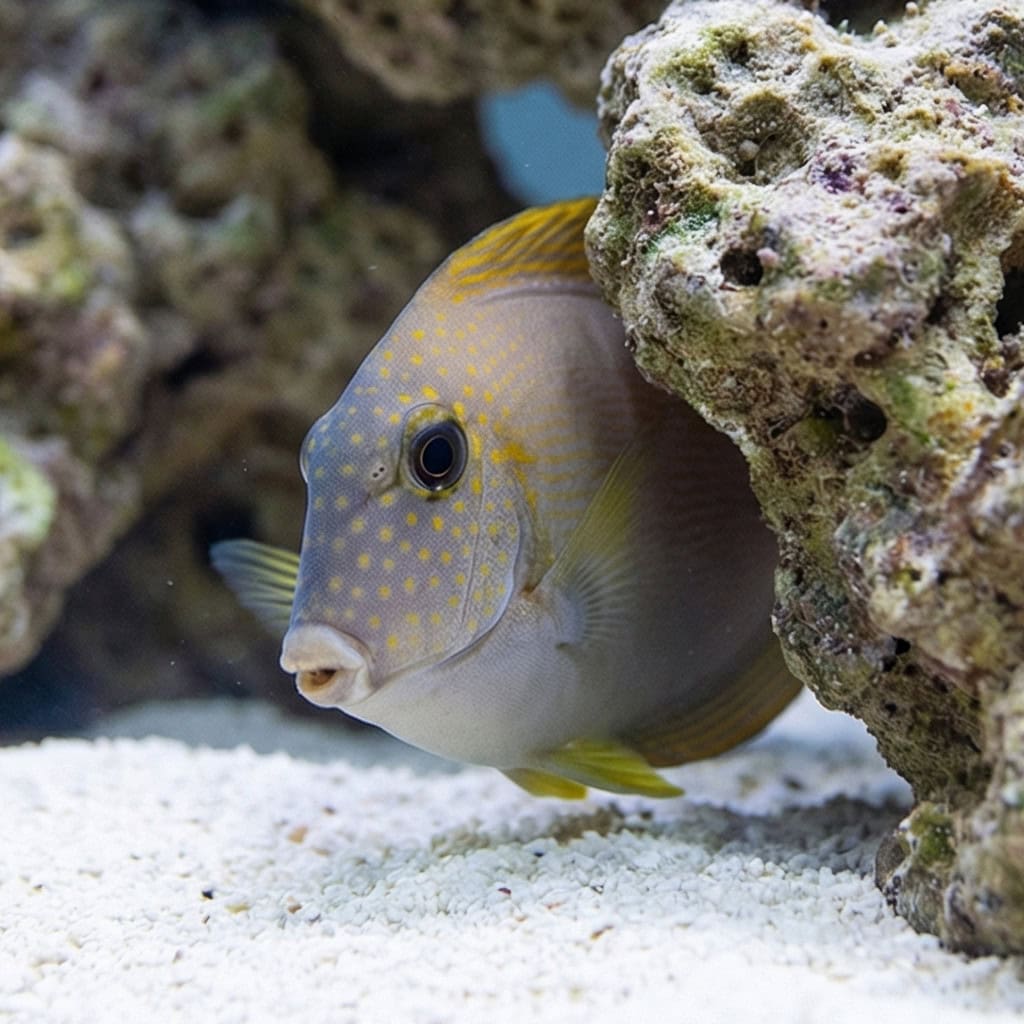
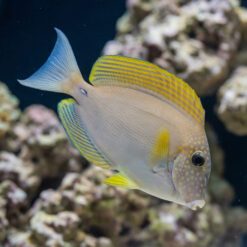
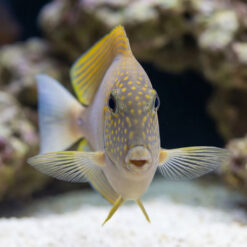
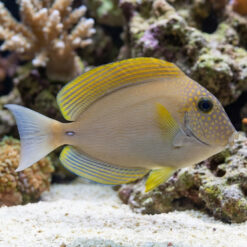
The Black-Eared Maculiceps Tang (also sold as the Freckle Face Tang / White Freckled Surgeonfish) is a strong day-to-day grazer that helps keep film algae and short turf algae in check while it cruises the open water. Adults show a darker, graphite-toned body with pale spotting and light patterning on the face that becomes more noticeable as the fish settles in and matures.
What You’ll Observe:
- Long, steady “patrol” laps with frequent stops to pick at rock surfaces
- A consistent grazing routine throughout the daylight hours
- Quick recognition of feeding time and confident mid-water feeding
- More pronounced face freckling and deeper body tone over time compared to many juveniles
Provide plenty of rockwork for grazing without sacrificing open swimming lanes. Offer algae-forward foods daily (nori plus quality herbivore pellets/flakes) and add a small meaty food rotation to keep feeding response strong. When keeping it with other tangs, multiple feeding stations and a thoughtful introduction plan help the group settle into a predictable routine.
Why do some Maculiceps Tangs look “washed out” at first, then darken later?
Juveniles are often paler, and many keepers report the adult contrast and freckling becomes clearer as the fish acclimates and matures under stable lighting and diet.
What’s a practical way to help it keep weight on long-term?
Many hobbyists have the best results when the daily “base diet” is algae-heavy (nori plus herbivore-focused pellets), with frozen foods used as a supplement instead of the main calorie source.
Will it spend all day grazing, or only eat from a clip?
Keepers commonly describe a mix: it will learn the clip quickly, but it also does best in tanks where it can browse naturally on rock surfaces between feedings.
How do people usually introduce it into a tank that already has tangs?
A recurring approach is to add tangs at the same time when possible, and to spread out grazing points so no single area becomes “the” food spot.
What’s the most common mix-up when identifying this fish in stores?
Threads often compare it to other surgeonfish (and even bristletooth tangs) when the facial spotting is faint; clearer head markings and overall body shape become easier to confirm as it grows and settles.
Our selection process means you get robust, well-adjusted specimens that settle in quickly.
Recently viewed products