
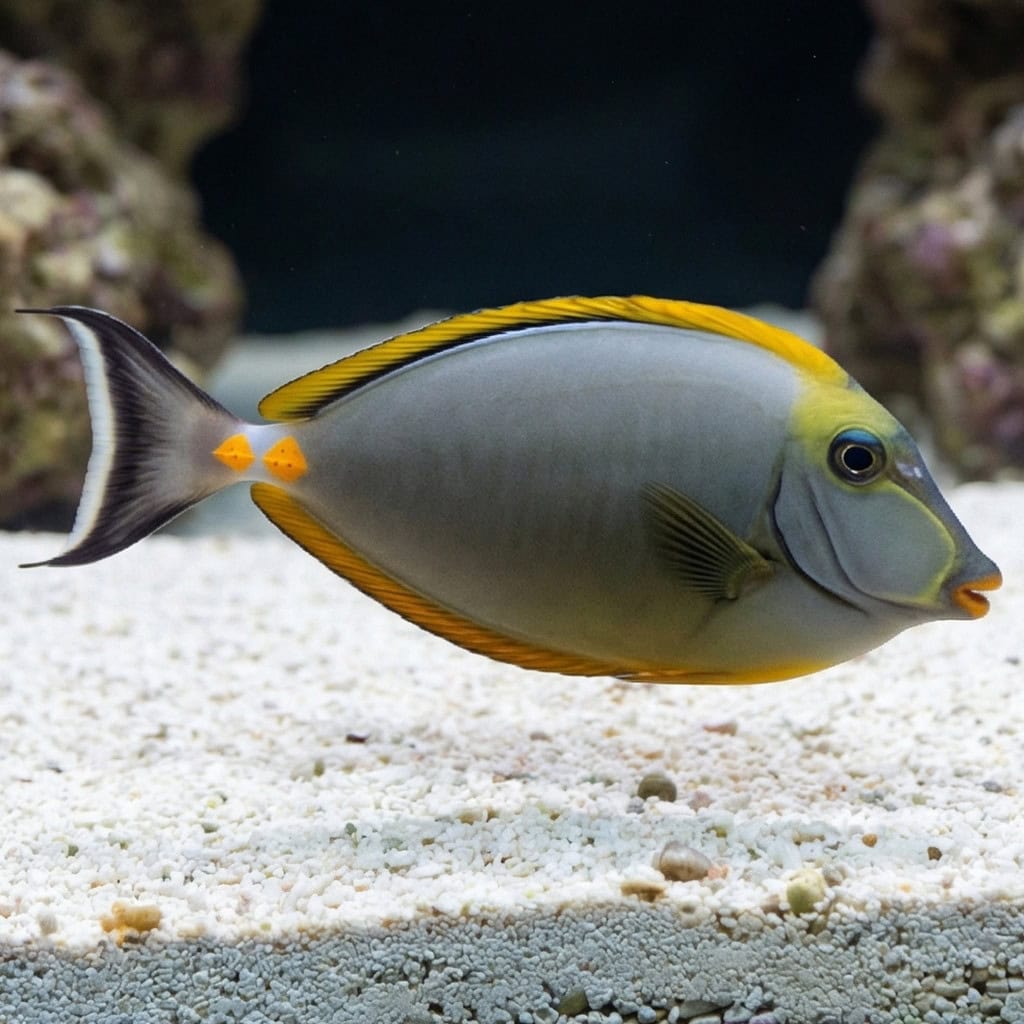
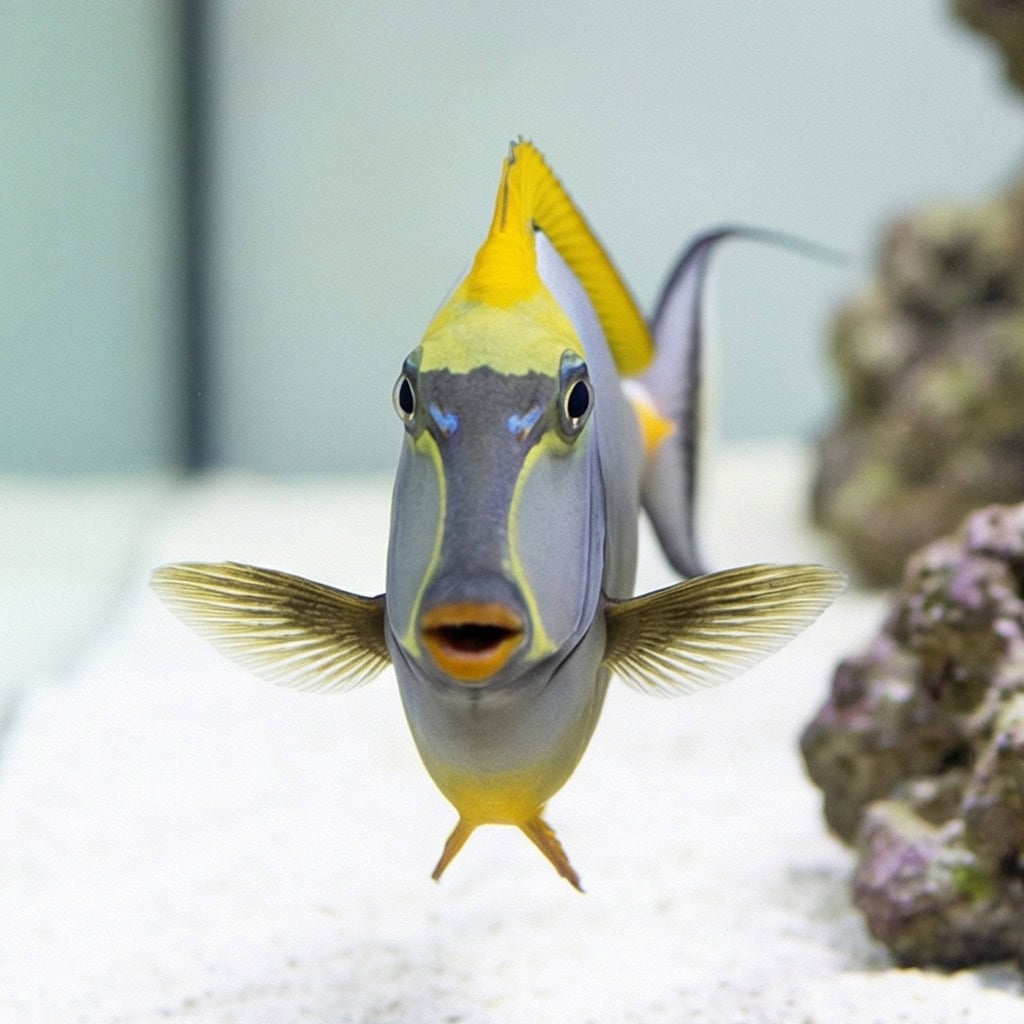
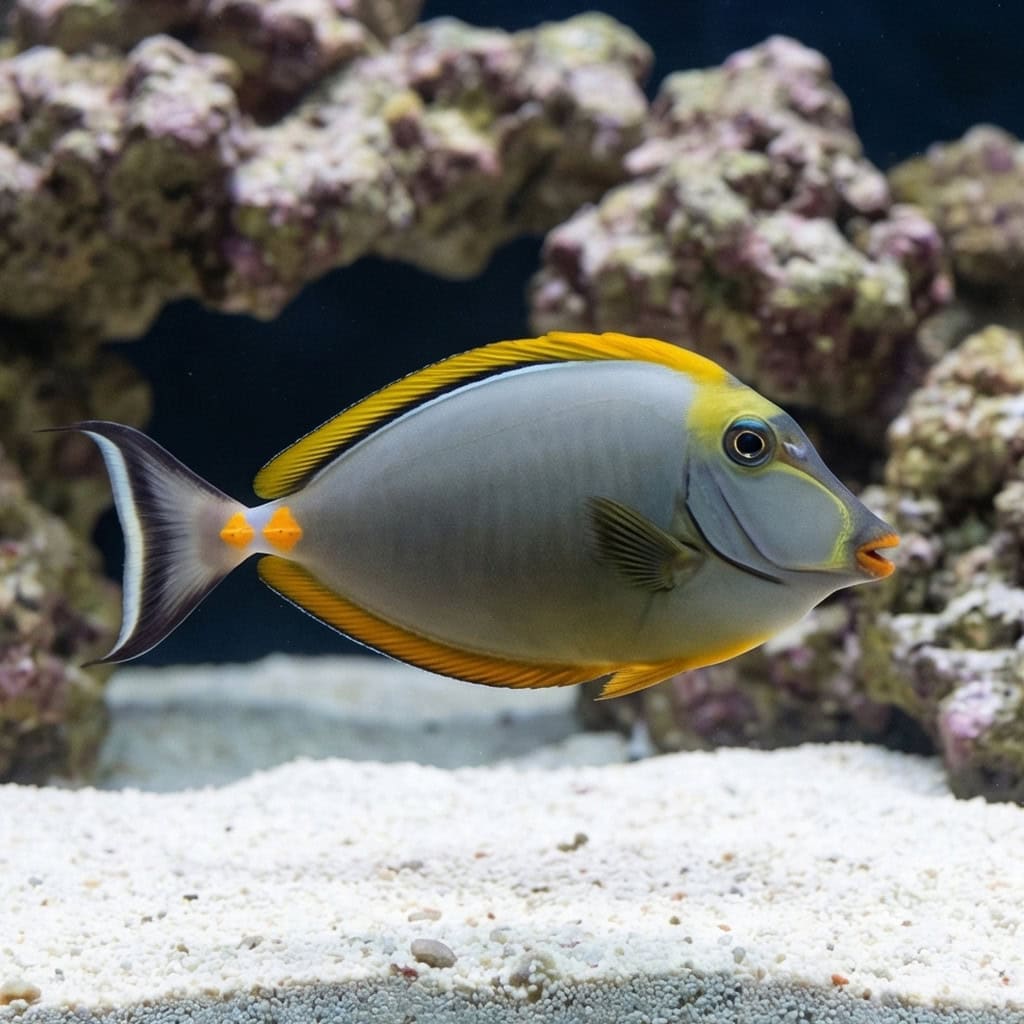
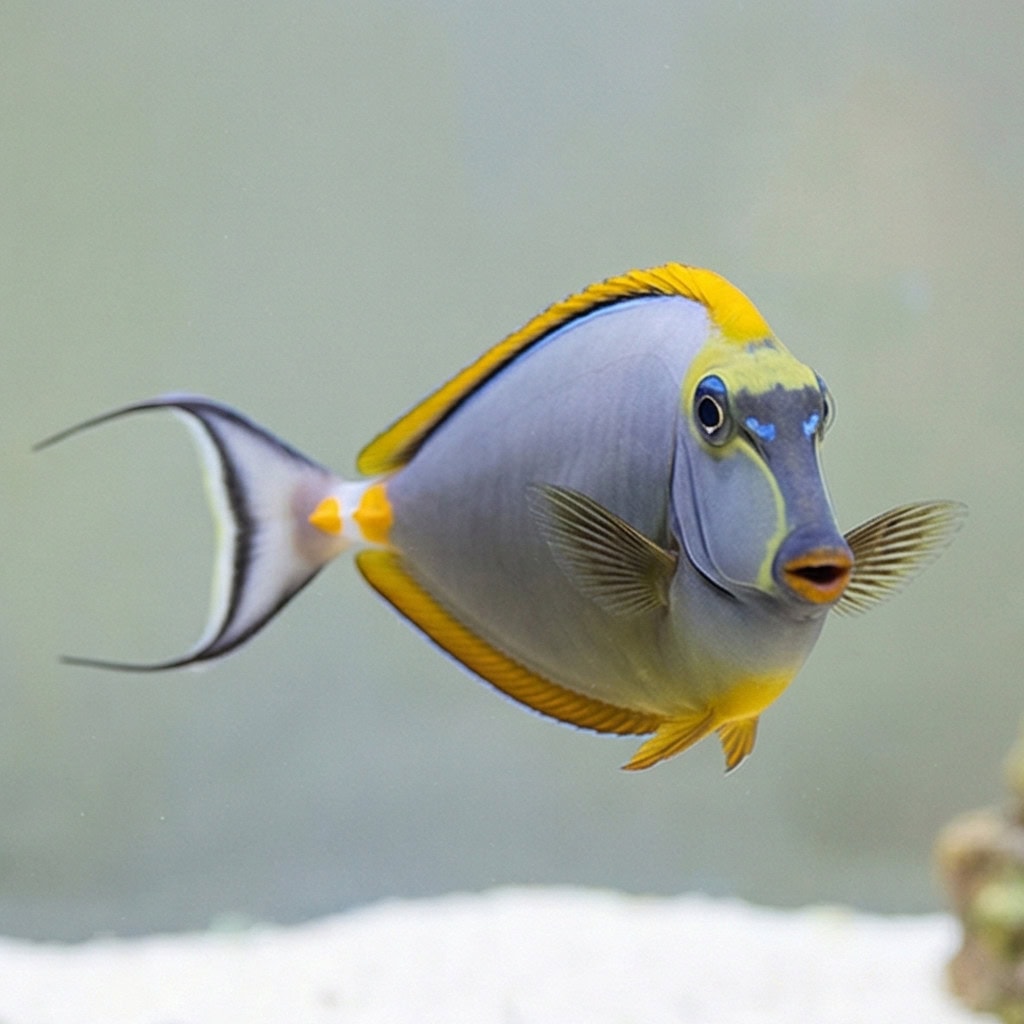
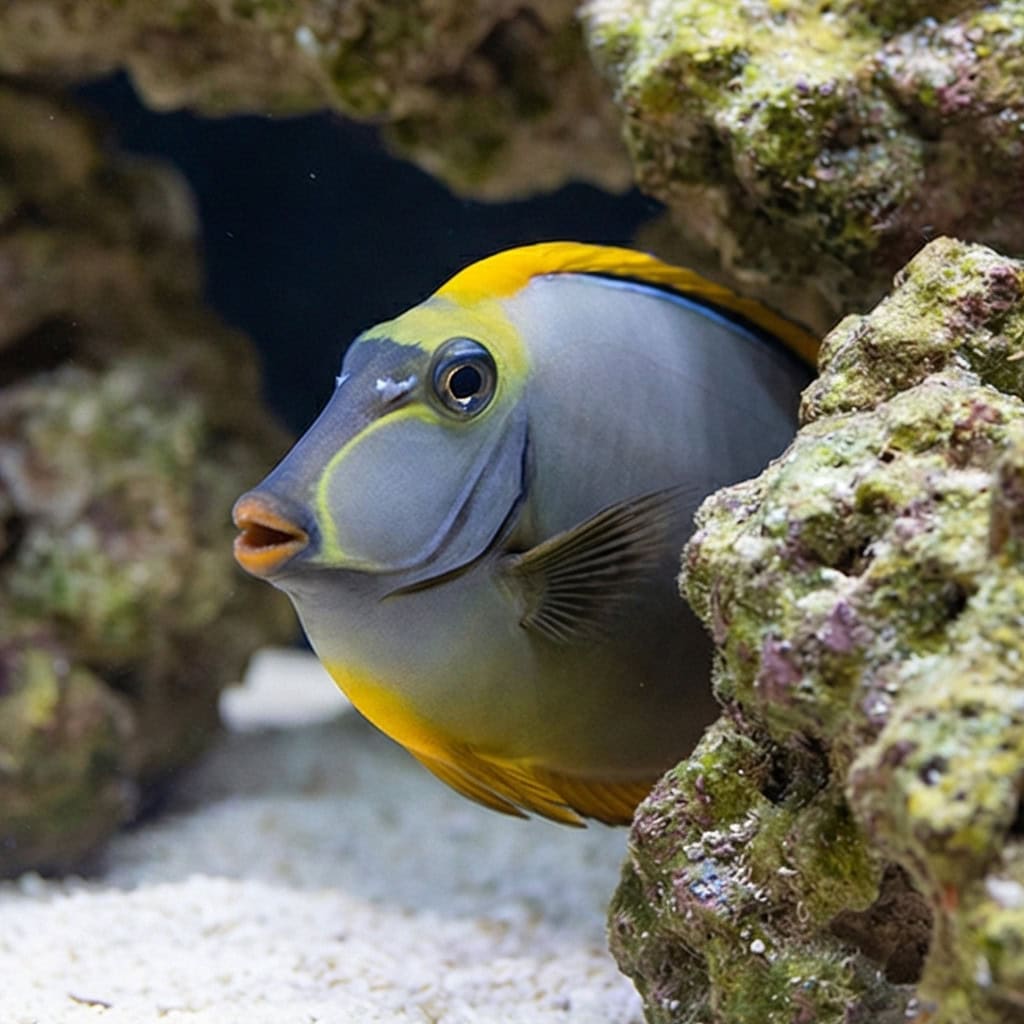
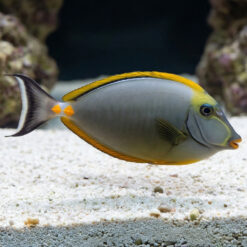
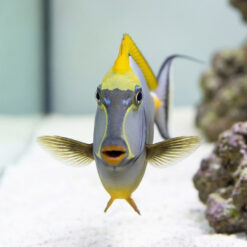
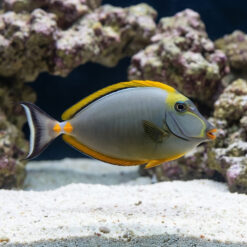
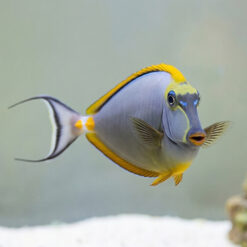
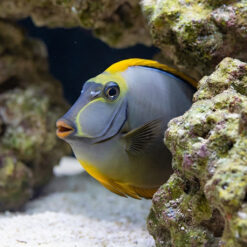
Blonde Naso Tang
Naso elegans
Price range: $125.99 through $202.99
| Stock | Variations | Price | Quantity | |
|---|---|---|---|---|
| Out of Stock | 2 - 3" - Indian Ocean | Original price was: $92.99.$48.99Current price is: $48.99. | Email me | |
| Only 6 left | 3 - 4" - Indian Ocean | Original price was: $239.99.$125.99Current price is: $125.99. |
-
+
|
|
| Only 4 left | 4 - 6" - Indian Ocean | Original price was: $385.99.$202.99Current price is: $202.99. |
-
+
|
Every order ships with our standard 3-hour live arrival guarantee. Need more time? Add our 5-Day Guarantee at checkout.
Full guarantee terms →Ships Monday – Thursday for next-day arrival at your nearest FedEx Hold location — typically ready by 9 AM. We monitor every delivery.
Shipping details →
Monday – Friday 8 AM – 9 PM
Saturday 12 PM – 4 PM
Sunday 12 PM – 9 PM
Healthy, stable animals from vetted suppliers — inspected before packing, shipped overnight. Decades of experience built this model so we can deliver premium livestock at 30%+ less than you'd pay elsewhere.
| Care Level | Moderate |
|---|---|
| Temperament | Semi-Aggressive |
| Reef Safe | Yes |
| Functional Benefit | Algae Control |
| Diet Type | Herbivore |
| Mininum Tank Size | 180 gallons |
| Max Size | 18 inches |
| Temperature | 72–78°F |
| pH Range | 8.1–8.4 |
| Specific Gravity | 1.022–1.025 |
The Blonde Naso Tang (Naso elegans), also called the Orange-spine Unicornfish or Lipstick Tang, is a large reef-safe grazer known for its yellow dorsal fin and orange lips. It naturally occurs across the Red Sea and wider Indian Ocean region, and it’s best suited to spacious reef aquariums where it can cruise and browse throughout the day.
What You’ll Observe:
- Long, steady laps across open water, with frequent “drive-by” grazing on rock surfaces
- A consistent daily routine: active during the light cycle and settling into a familiar cruising path
- Regular interest in algae sheets and other greens once it recognizes your feeding pattern
- Color tone and contrast that often becomes more defined over time in stable conditions
To help this tang do well, provide lots of open swimming room with structured rockwork for grazing lanes and break-up zones. Offer dried seaweed routinely, plus a varied menu of herbivore-friendly prepared foods to keep feeding consistent in a busy community. Stable reef parameters and strong, well-oxygenated water movement support active, natural behavior.
When do tail streamers usually start showing up?
Streamers are most noticeable as the fish matures and puts on length; many specimens show clearer streamer development as they move into larger juvenile/adult sizing.
Is it normal for a new Blonde Naso Tang to ignore nori at first?
It’s common for a new addition to focus on grazing rock surfaces first; once it learns your feeding schedule, it typically becomes much more consistent at the clip.
Do Blonde Naso Tangs change color as they grow?
Yes—many individuals deepen or shift in tone with maturity, while keeping the signature yellow dorsal area that makes the “blonde” look recognizable.
How can I tell male vs female in Naso elegans?
External differences can be subtle when young; clearer adult traits can include more pronounced fin features (like streamers) as the fish matures.
Why does it sometimes look blotchy or “washed out” right after introduction?
Temporary pattern and tone shifts can happen during settling-in, and they often normalize as the fish establishes a routine and becomes comfortable in the display.
Shipped with pure oxygen and temperature control so it arrives stress-free and ready to eat.
Recently viewed products