
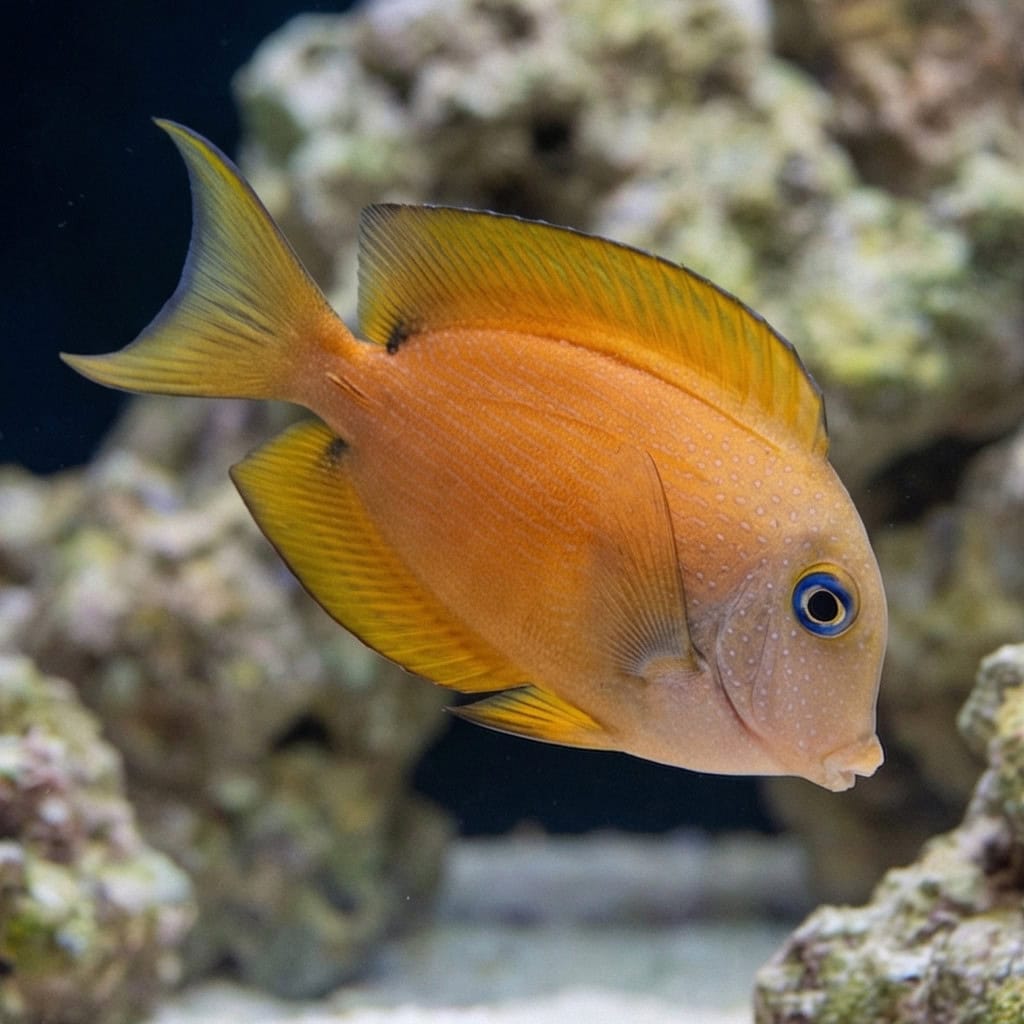
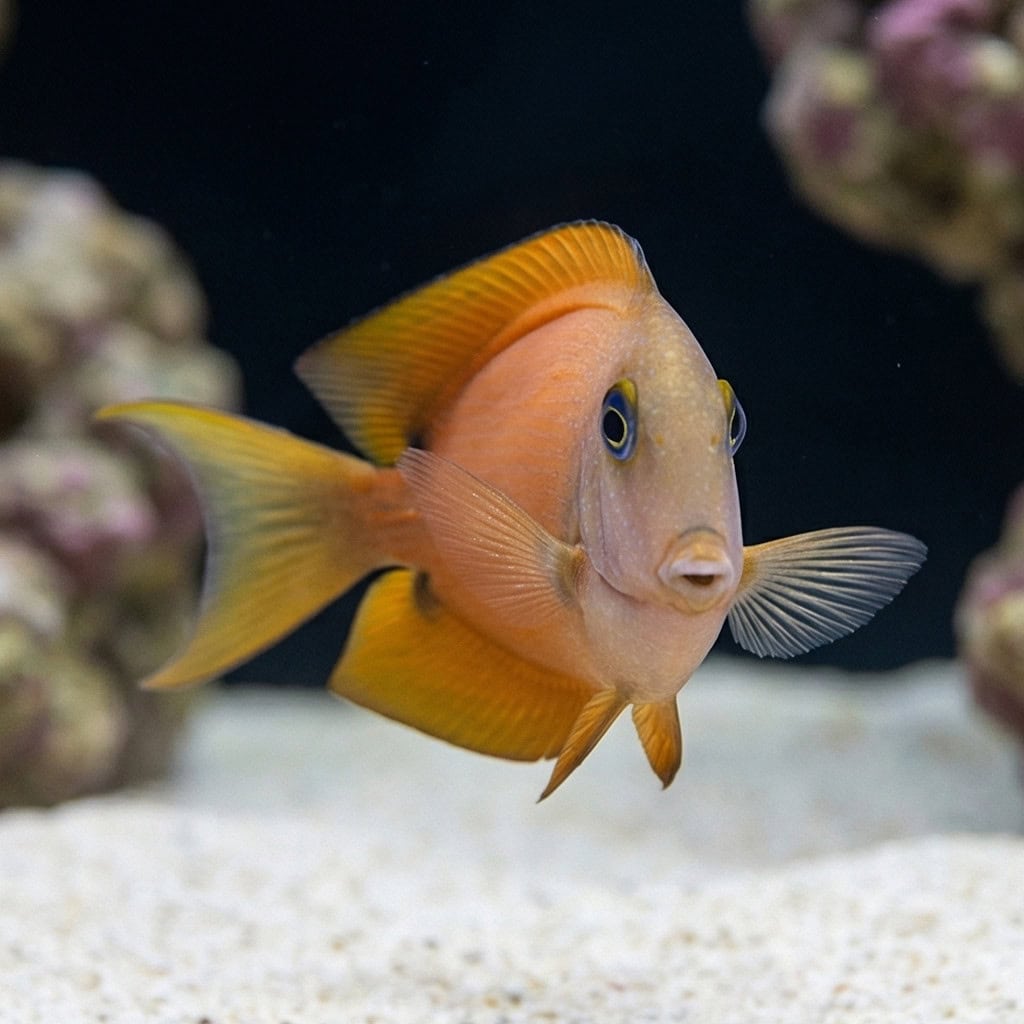
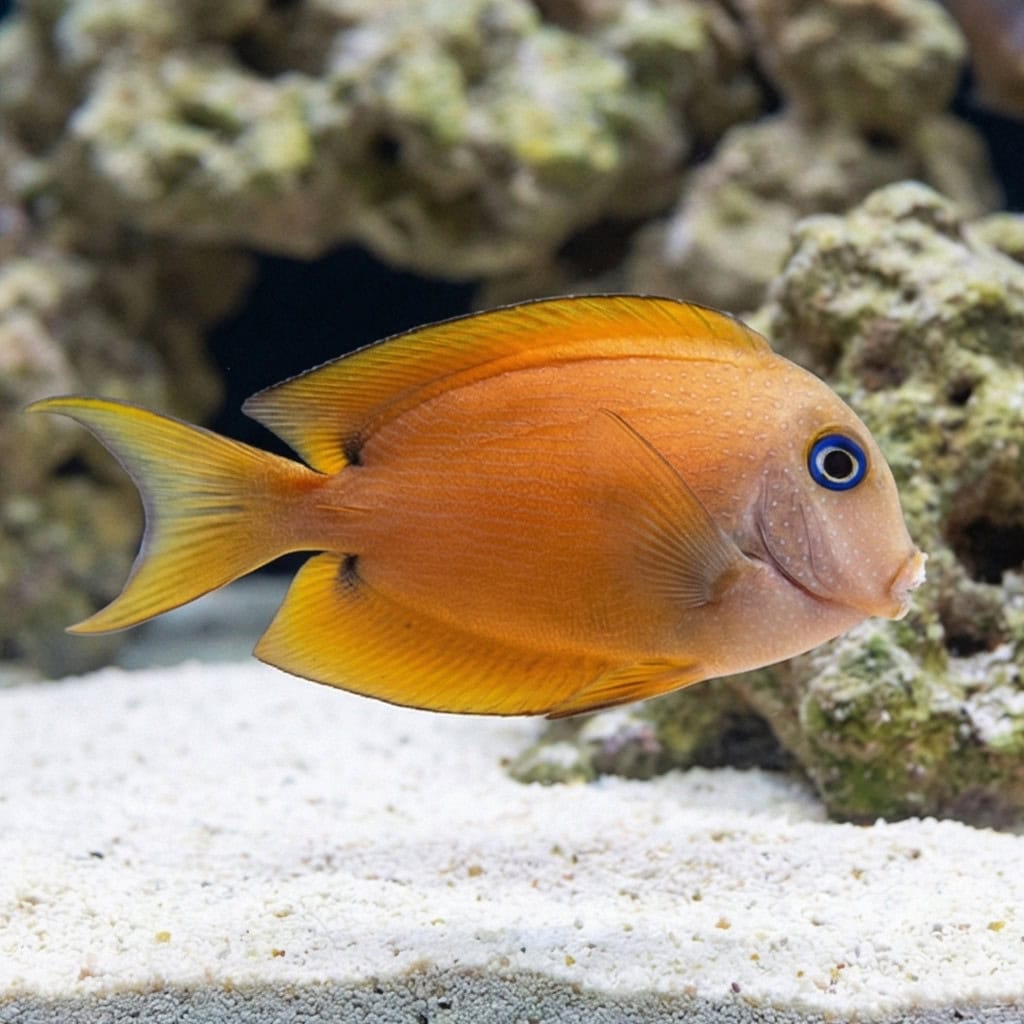
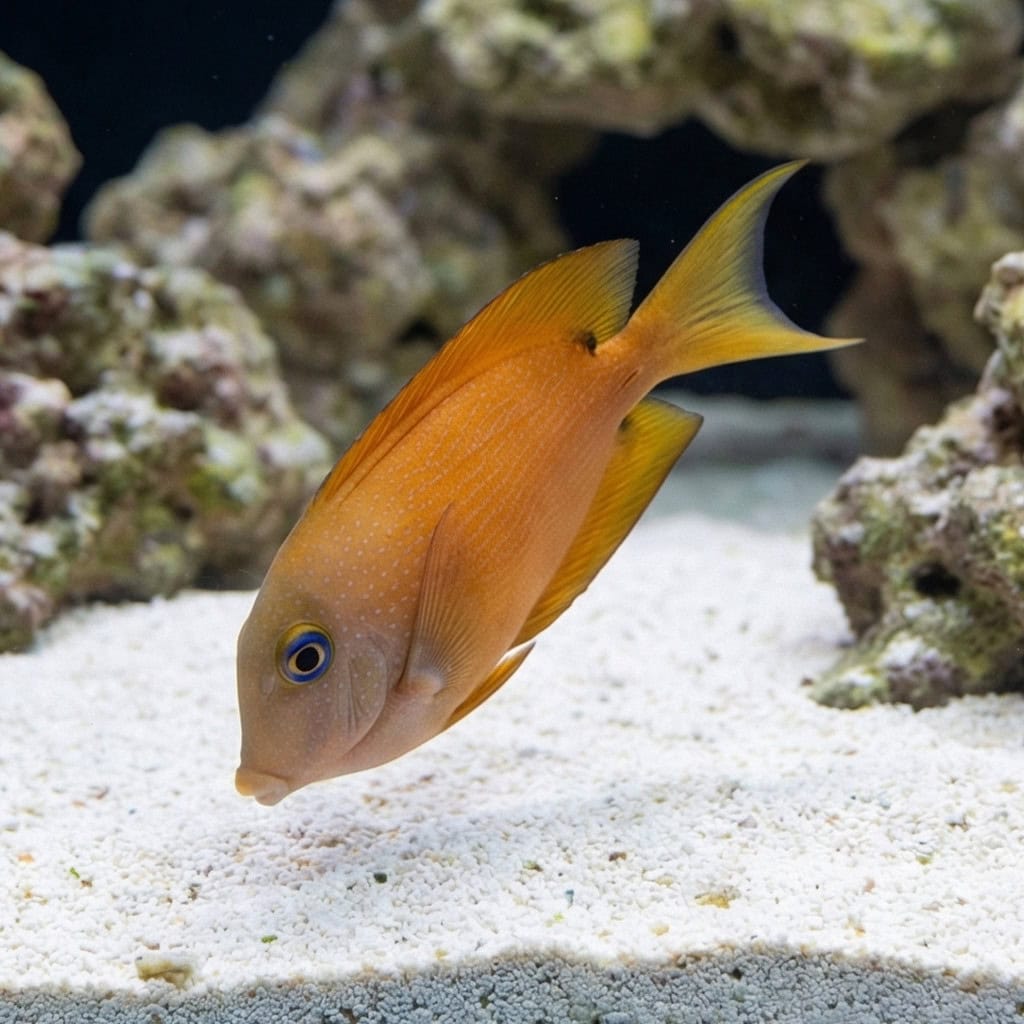
Blue Eyed Tang
Ctenochaetus binotatus
Original price was: $97.99.$51.99Current price is: $51.99.
| Stock | Variations | Price | Quantity | |
|---|---|---|---|---|
| Out of Stock | 1.75 - 2.75" - Indian Ocean | Original price was: $128.99.$67.99Current price is: $67.99. | Email me | |
| Out of Stock | 2.75 - 3.75" - Indo-Pacific | Original price was: $106.99.$55.99Current price is: $55.99. | Email me | |
| Out of Stock | 3.75 - 4.5" - Indo-Pacific | Original price was: $124.99.$65.99Current price is: $65.99. | Email me | |
| Out of Stock | 1.25 - 1.75" - Indo-Pacific | Original price was: $84.99.$44.99Current price is: $44.99. | Email me | |
| In Stock | 1.75 - 2.75" - Indo-Pacific | Original price was: $97.99.$51.99Current price is: $51.99. |
-
+
|
Every order ships with our standard 3-hour live arrival guarantee. Need more time? Add our 5-Day Guarantee at checkout.
Full guarantee terms →Ships Monday – Thursday for next-day arrival at your nearest FedEx Hold location — typically ready by 9 AM. We monitor every delivery.
Shipping details →
Monday – Friday 8 AM – 9 PM
Saturday 12 PM – 4 PM
Sunday 12 PM – 9 PM
Healthy, stable animals from vetted suppliers — inspected before packing, shipped overnight. Decades of experience built this model so we can deliver premium livestock at 30%+ less than you'd pay elsewhere.
| Care Level | Moderate |
|---|---|
| Temperament | Semi-Aggressive |
| Reef Safe | Yes |
| Functional Benefit | Algae Control |
| Diet Type | Herbivore |
| Mininum Tank Size | 70 gallons |
| Max Size | 8 inches |
| Temperature | 72–78°F |
| pH Range | 8.1–8.4 |
| Specific Gravity | 1.022–1.025 |
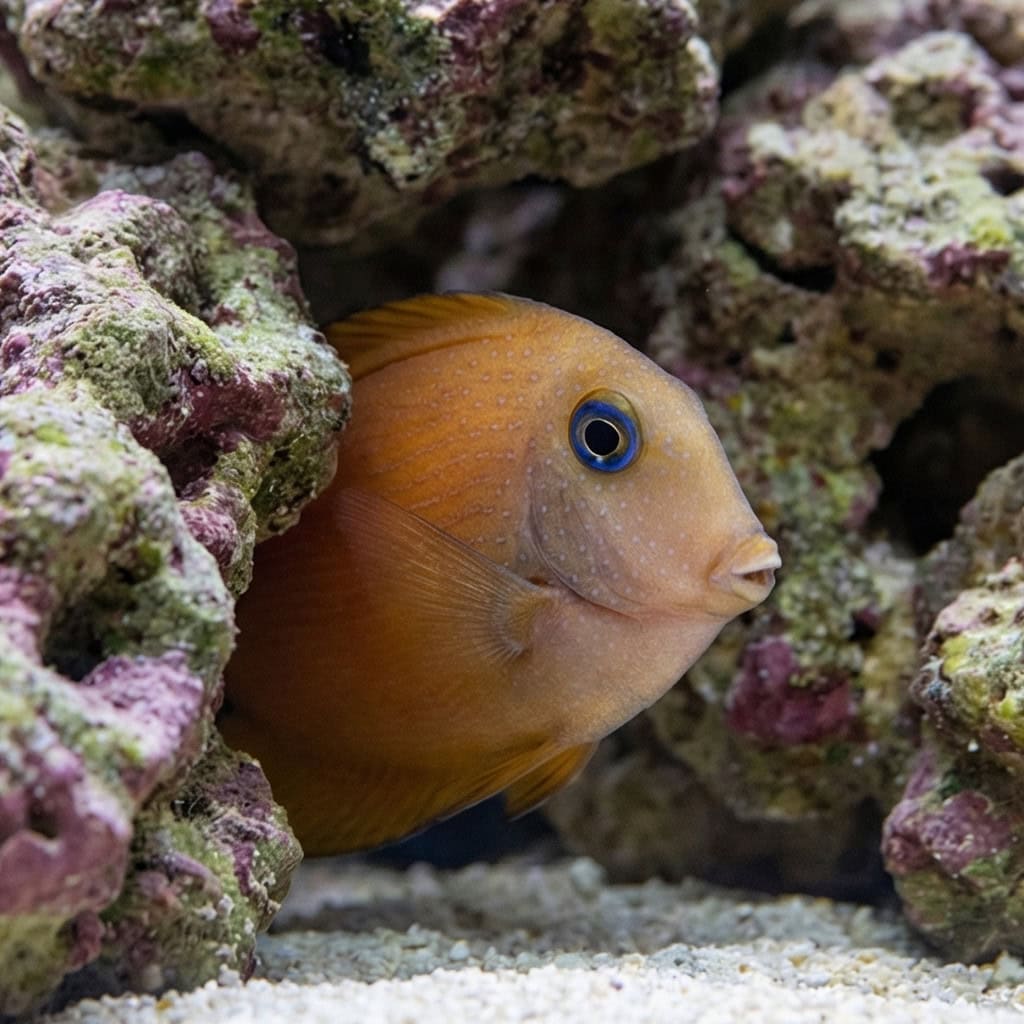
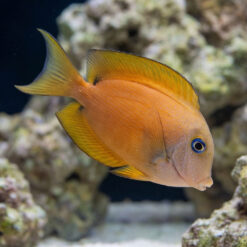
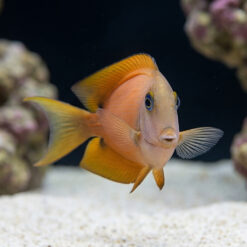
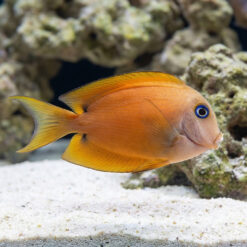
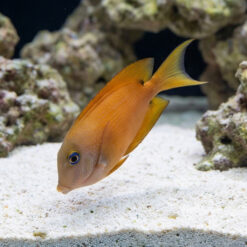
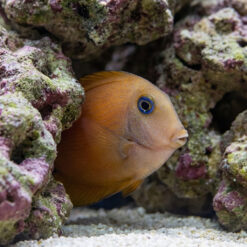
The Blue Eyed Tang (Ctenochaetus binotatus), also known as the Two Spot Bristletooth Tang, is an active algae grazer that works rock surfaces and aquarium glass throughout the day. Its adult coloration is tan to brown with fine horizontal lines, a distinct blue ring around the eye, and two dark spots near the rear of the dorsal and anal fin bases. This bristletooth tang is often chosen for mixed reef tanks where steady, natural grazing helps keep surfaces looking cleaner.
What You’ll Observe:
- Repeated “patrol routes” along rocks, overflow boxes, and glass while it grazes
- Short, quick picking motions as it skims the surface film from hard areas
- Regular open-water laps, then back to rockwork for more grazing
- A consistent daily rhythm: most active when the lights are on and food is offered
To help it settle in, provide established live rock with plenty of grazing area plus open swimming lanes. Offer dried seaweed on a clip and a mix of prepared foods so it keeps a steady feeding routine. A few caves and shaded gaps in the rockwork give it a comfortable place to tuck in between grazing runs.
Why does my Blue Eyed Tang look lighter or slightly blotchy at certain times?
Many bristletooth tangs show temporary color shifts with lighting changes, resting, or social activity. With steady tank conditions, the “normal” pattern usually returns as it resumes grazing.
How can I tell Ctenochaetus binotatus apart from a Kole or Tomini tang?
Binotatus is best recognized by the blue eye ring and the two dark spots near the back of the dorsal and anal fin bases. Overall body patterning can look similar across bristletooth tangs, so those markers help most.
Will it mostly stay on the rocks, or will it swim in the open too?
It typically alternates between open-water laps and close-up grazing. In many tanks it develops a predictable loop, stopping at favorite “cleaning” spots as it moves.
My tang ignores the algae clip—how do people get it to start using one?
Placing a small sheet near its usual grazing path (or rubber-banding seaweed to a small rock) often gets the first bites. Once it associates that spot with food, it usually visits the clip more consistently.
Can I keep it with another tang if I add one later?
Many hobbyists have the best results by choosing a tang with a different body shape and adding it with a clear introduction plan (like a brief separation or acclimation box). Giving both fish room to establish their own swim paths helps the tank stay calm.
We work with trusted suppliers who keep our specimens healthy and well-fed before shipping.
Recently viewed products