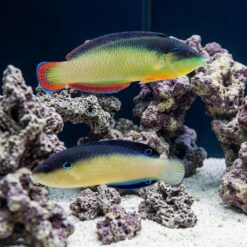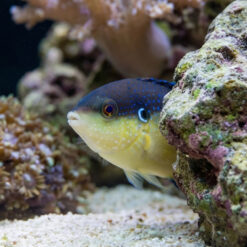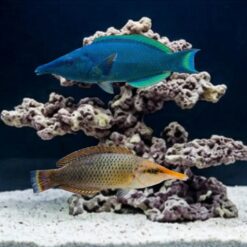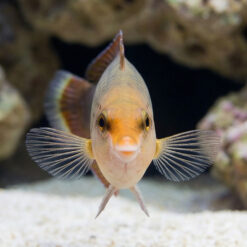
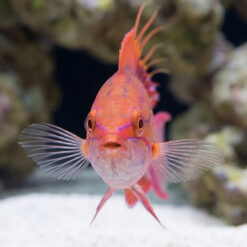
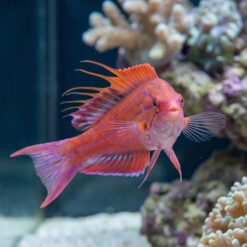
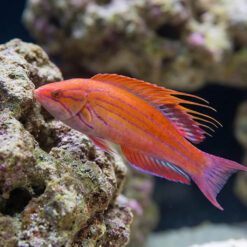
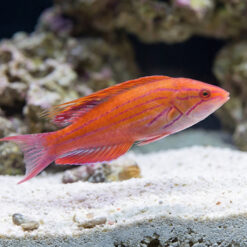
Blue Flasher Wrasse
Paracheilinus cyaneus
Price range: $65.99 through $69.99
| Stock | Variations | Price | Quantity | |
|---|---|---|---|---|
| Only 9 left | 2 - 3" - Indo-Pacific | Original price was: $132.99.$69.99Current price is: $69.99. |
-
+
|
|
| Only 1 left | 2" or smaller - Indo-Pacific | Original price was: $124.99.$65.99Current price is: $65.99. |
-
+
|
Every order ships with our standard 3-hour live arrival guarantee. Need more time? Add our 5-Day Guarantee at checkout.
Full guarantee terms →Ships Monday – Thursday for next-day arrival at your nearest FedEx Hold location — typically ready by 9 AM. We monitor every delivery.
Shipping details →
Monday – Friday 8 AM – 9 PM
Saturday 12 PM – 4 PM
Sunday 12 PM – 9 PM
Healthy, stable animals from vetted suppliers — inspected before packing, shipped overnight. Decades of experience built this model so we can deliver premium livestock at 30%+ less than you'd pay elsewhere.
| Care Level | Easy |
|---|---|
| Temperament | Peaceful |
| Reef Safe | Yes |
| Functional Benefit | Ornamental Only |
| Diet Type | Carnivore |
| Mininum Tank Size | 55 gallons |
| Max Size | 3 inches |
| Temperature | 72–78°F |
| pH Range | 8.1–8.4 |
| Specific Gravity | 1.022–1.025 |
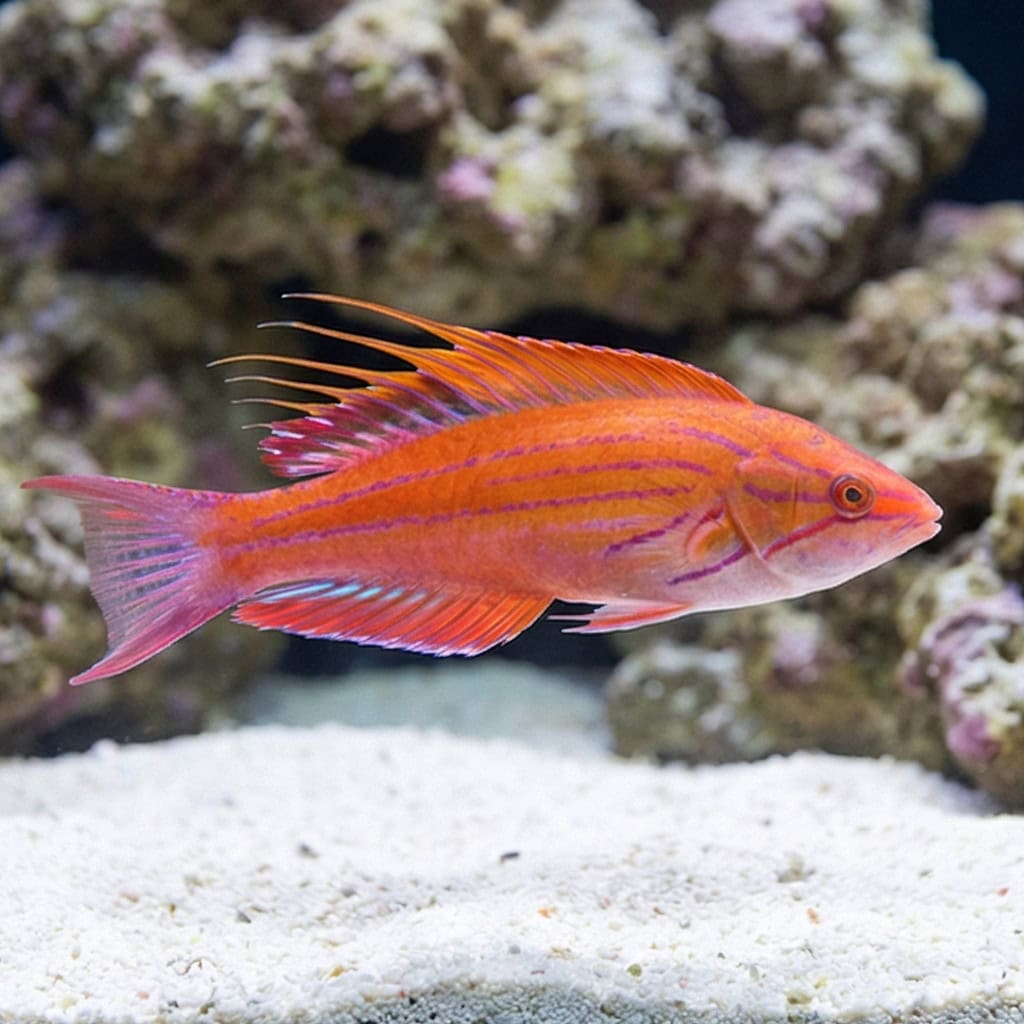
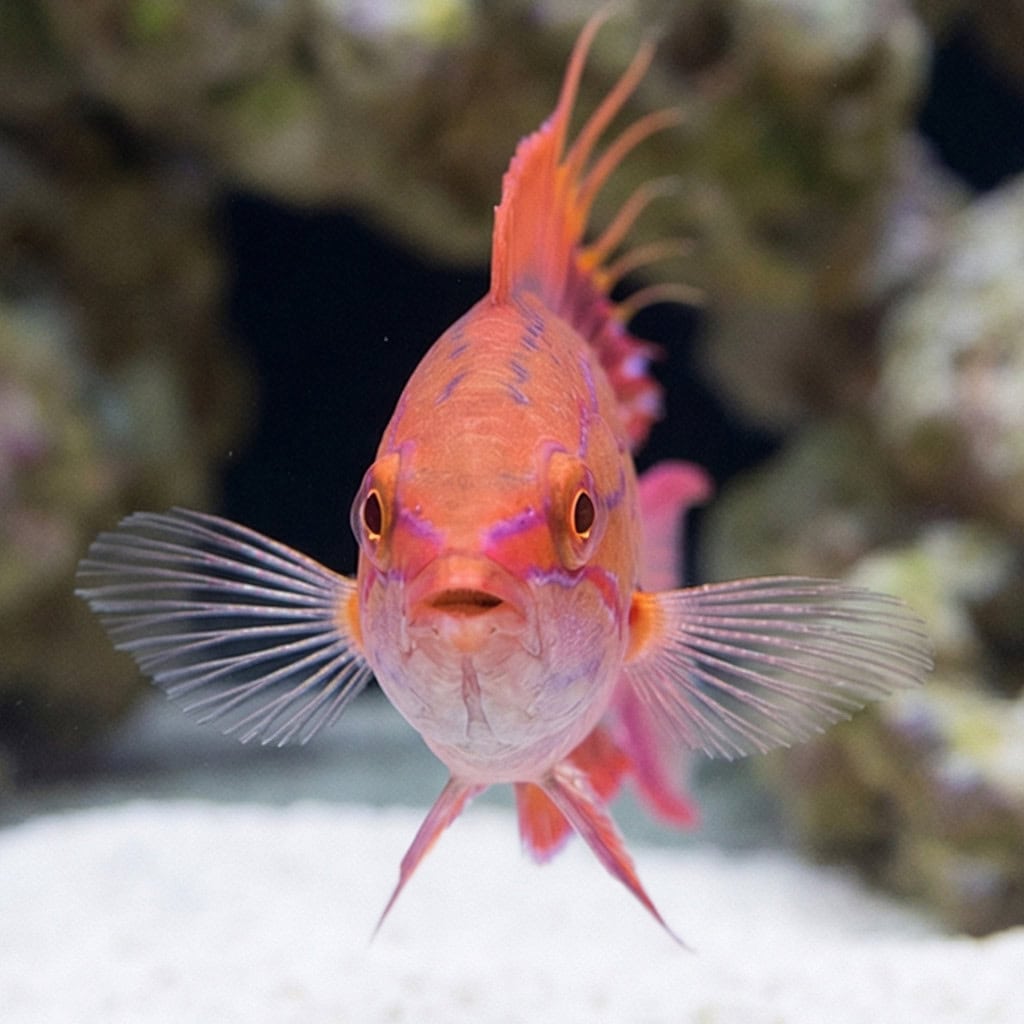
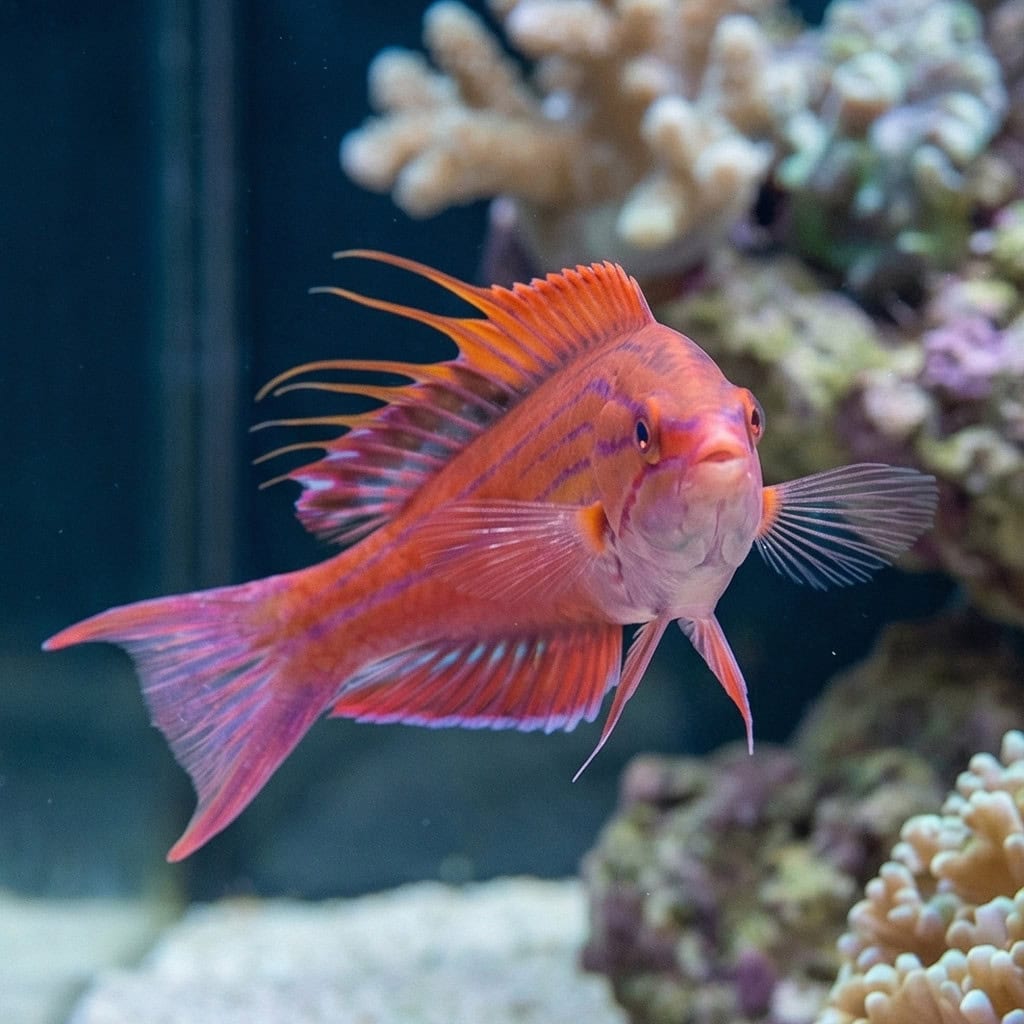
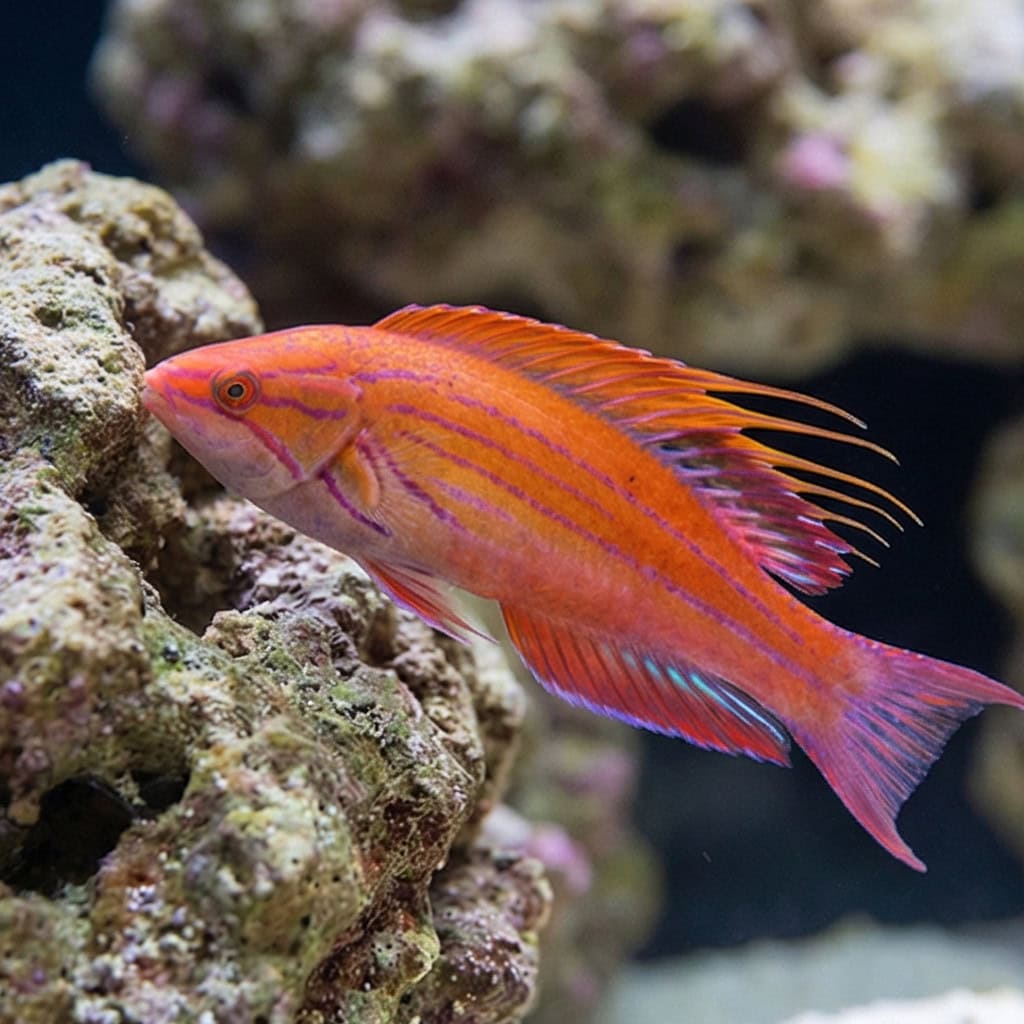
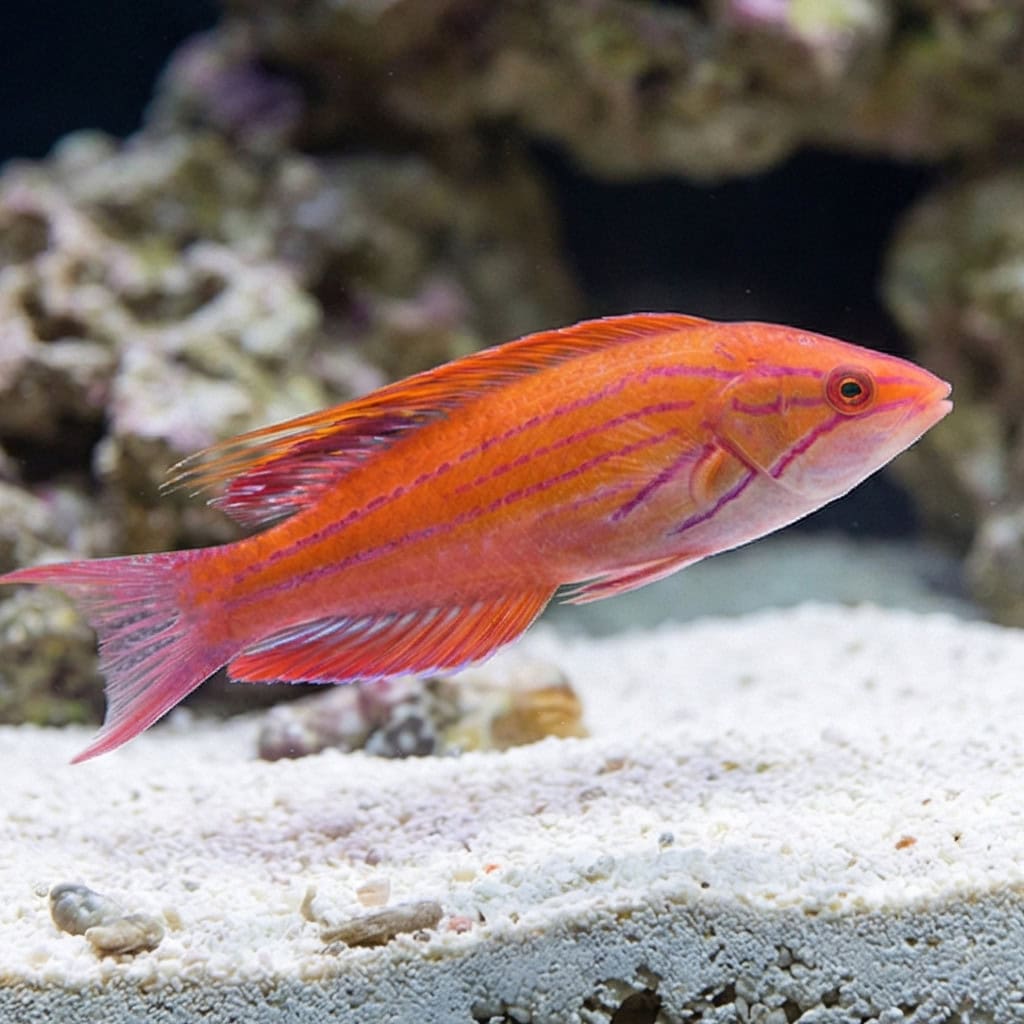
The Blue Flasher Wrasse (Paracheilinus cyaneus), also called the Peacock Flasher Wrasse, is a reef-safe wrasse known for red base coloration with fine blue linework and dramatic fin filaments. In display mode, males can develop a metallic blue sheen across the back while they patrol the open water column above the rockwork.
What You’ll Observe:
- Short, fast “dashes” into the water column followed by quick returns to a favorite area of rockwork
- Color and fin changes that show up most clearly during social interactions
- A consistent patrol pattern: open-water cruising with frequent check-ins at caves and crevices
- Strong interest in suspended foods, often meeting the food in the water column
Provide open swimming space plus plenty of caves and crevices so it always has a “home base” to return to. Offer small meaty foods 2–3 times daily for best results, and use a tight-fitting lid or canopy. For group setups, adding females first (or introducing the whole group together) helps the fish settle into a natural social routine.
Why does my Blue Flasher Wrasse look mostly red instead of blue?
The metallic blue is most noticeable during “display” behavior and can come and go with mood, lighting, and social activity.
How do I get it to “flash” more often?
Keepers commonly see more flashing once the fish is fully settled and when it has social cues (like other flasher wrasses or a small group situation) that encourage display behavior.
Can I keep more than one flasher wrasse in the same tank?
Many hobbyists mix different flasher wrasse species successfully; issues are most often reported when keeping two males of the same species together. Introducing multiple wrasses around the same time is a common approach.
Do Blue Flasher Wrasses need sand to sleep?
Flasher wrasses are commonly reported to sleep tucked into rockwork rather than burying in sand, so crevices and overhangs matter more than deep sand for nighttime security.
How do I prevent jumping into an overflow or through small gaps?
Keepers frequently recommend treating tiny openings as jump points—cover overflow gaps, corners, and back-wall cutouts the same way you would the main tank opening.
Each fish is checked for strong appetite and activity before we approve it for your tank.
Recently viewed products