
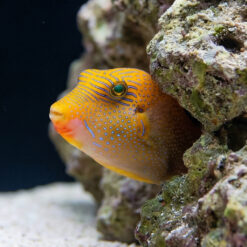
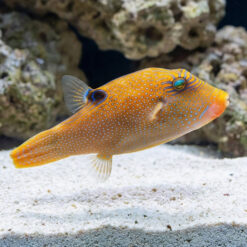
Blue Spot Puffer
Canthigaster solandri
Price range: $53.99 through $60.99
| Stock | Variations | Price | Quantity | |
|---|---|---|---|---|
| Out of Stock | 2 - 3" - Central Pacific | Original price was: $115.99.$60.99Current price is: $60.99. | Email me | |
| In Stock | 2" or smaller - Indo-Pacific | Original price was: $101.99.$53.99Current price is: $53.99. |
-
+
|
|
| In Stock | 3 - 4" - Central Pacific | Original price was: $141.99.$56.99Current price is: $56.99. |
-
+
|
|
| Out of Stock | 3 - 4" - Indo-Pacific | Original price was: $141.99.$74.99Current price is: $74.99. | Email me | |
| In Stock | 2 - 3" - Indo-Pacific | Original price was: $115.99.$60.99Current price is: $60.99. |
-
+
|
Every order ships with our standard 3-hour live arrival guarantee. Need more time? Add our 5-Day Guarantee at checkout.
Full guarantee terms →Ships Monday – Thursday for next-day arrival at your nearest FedEx Hold location — typically ready by 9 AM. We monitor every delivery.
Shipping details →
Monday – Friday 8 AM – 9 PM
Saturday 12 PM – 4 PM
Sunday 12 PM – 9 PM
Healthy, stable animals from vetted suppliers — inspected before packing, shipped overnight. Decades of experience built this model so we can deliver premium livestock at 30%+ less than you'd pay elsewhere.
| Care Level | Moderate |
|---|---|
| Temperament | Peaceful |
| Reef Safe | With Caution |
| Functional Benefit | Ornamental Only |
| Diet Type | Omnivore |
| Mininum Tank Size | 55 gallons |
| Max Size | 5 inches |
| Temperature | 72–78°F |
| pH Range | 8.1–8.4 |
| Specific Gravity | 1.022–1.025 |
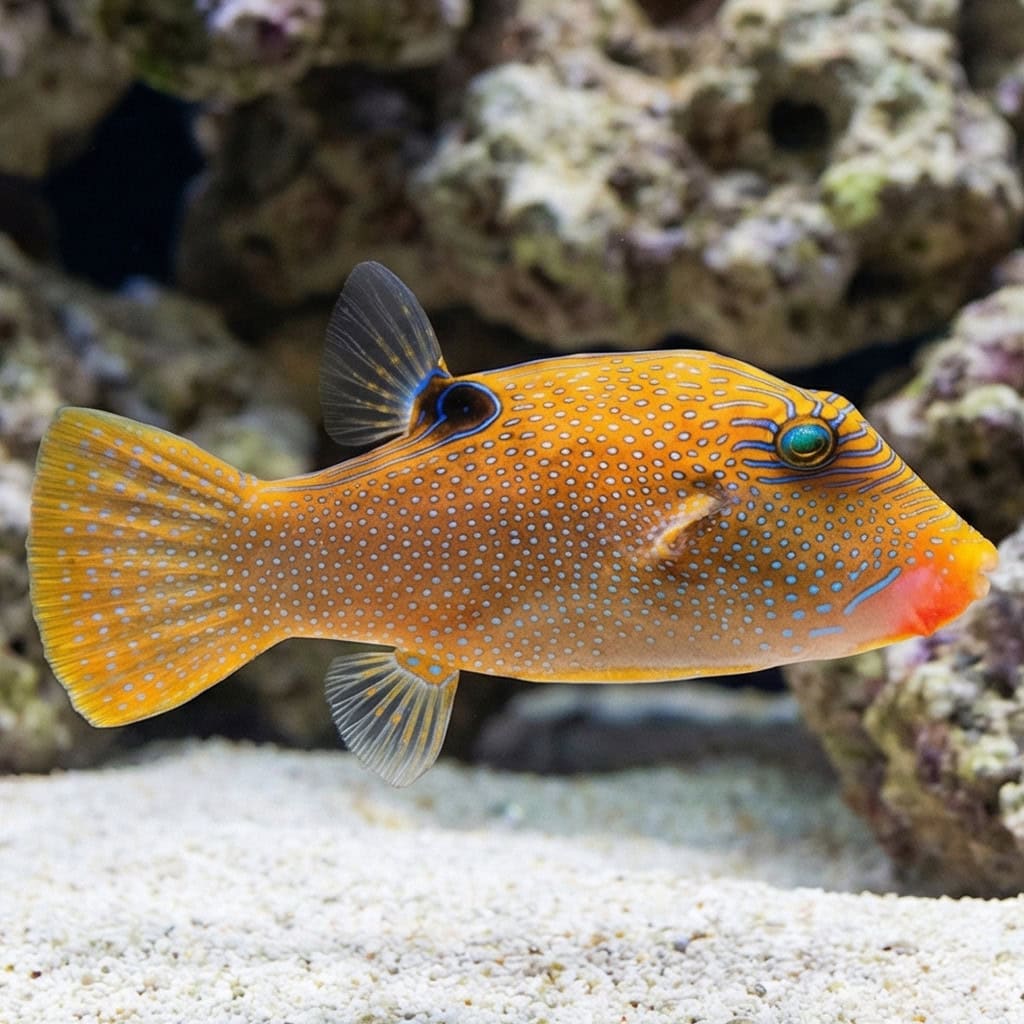
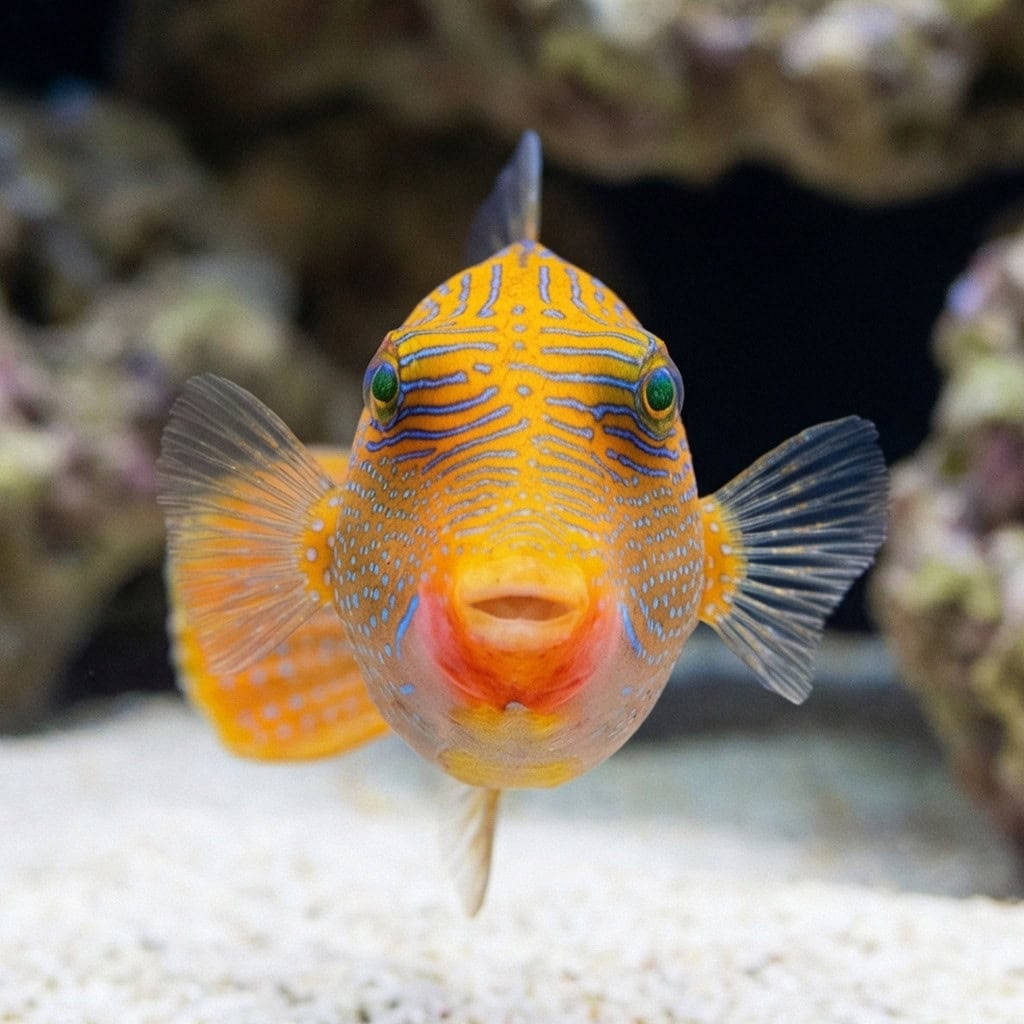
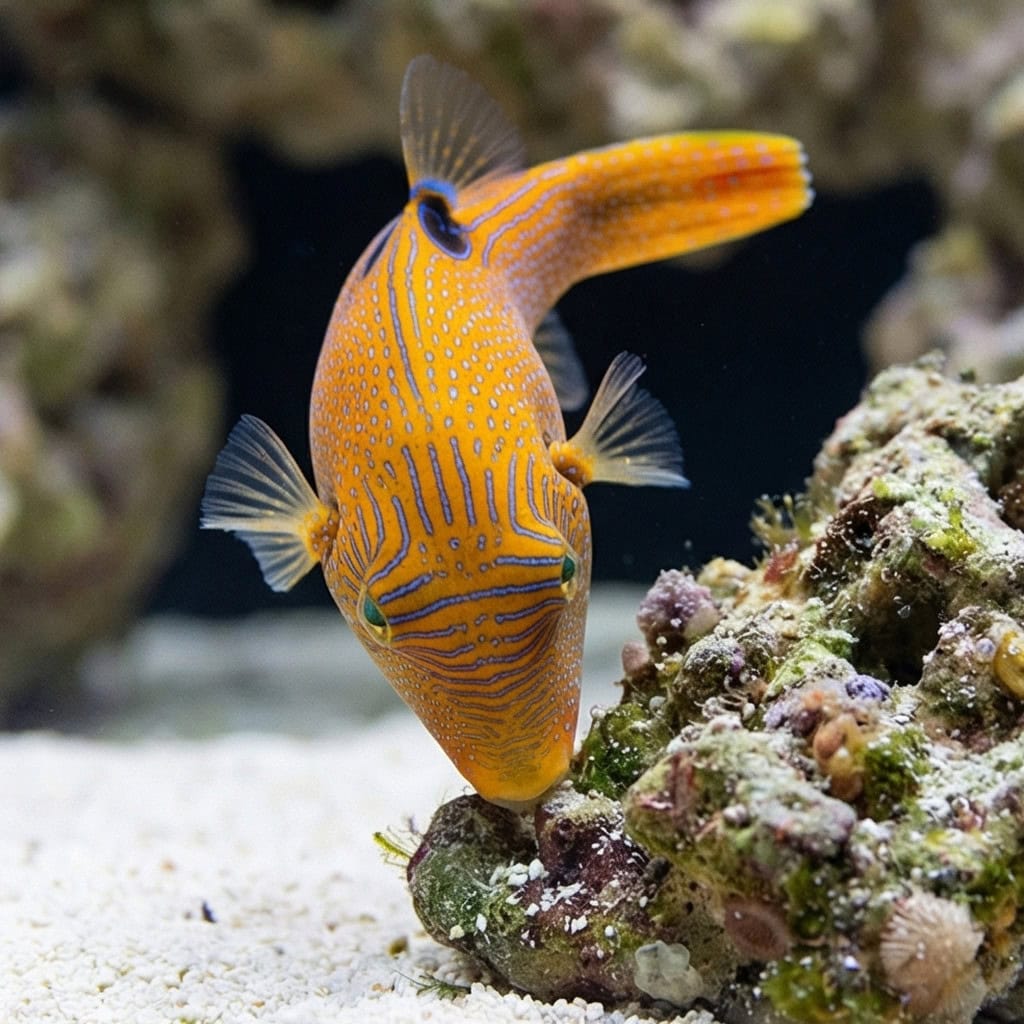
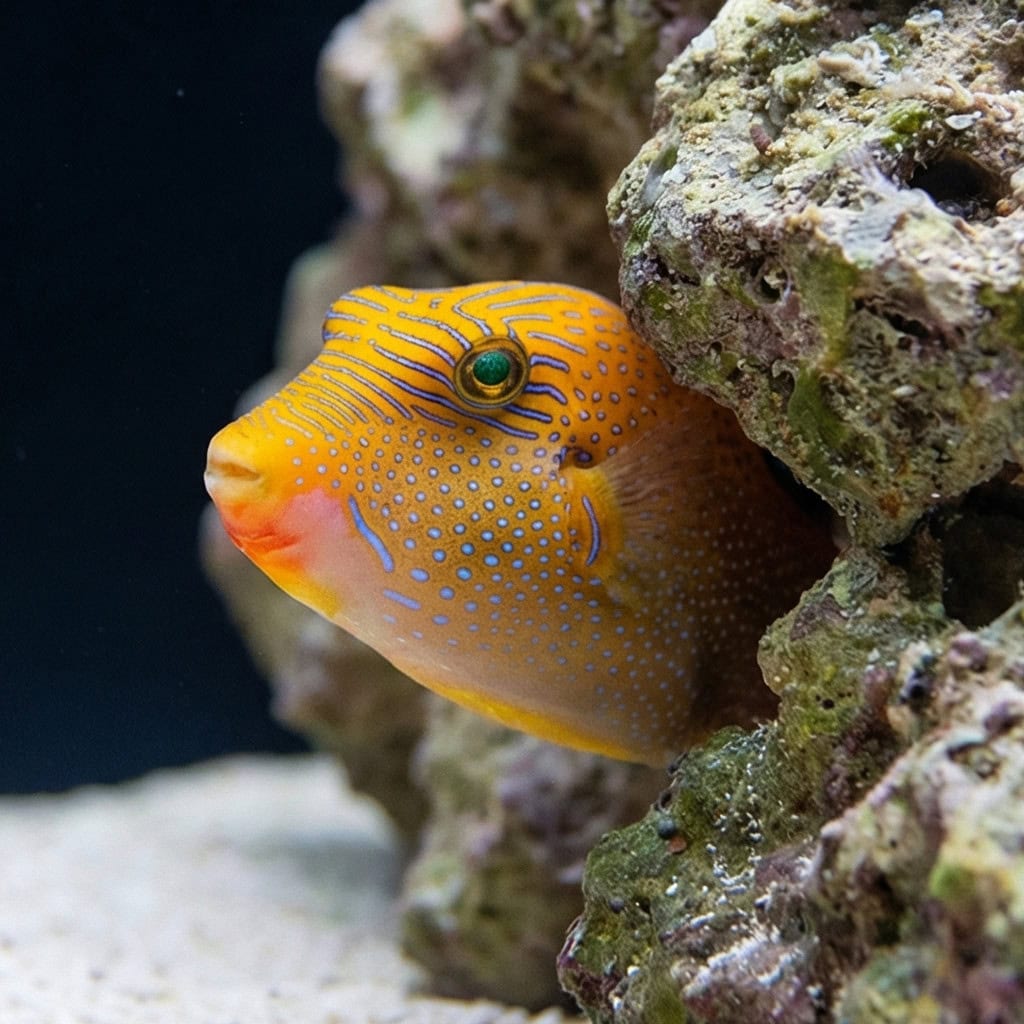
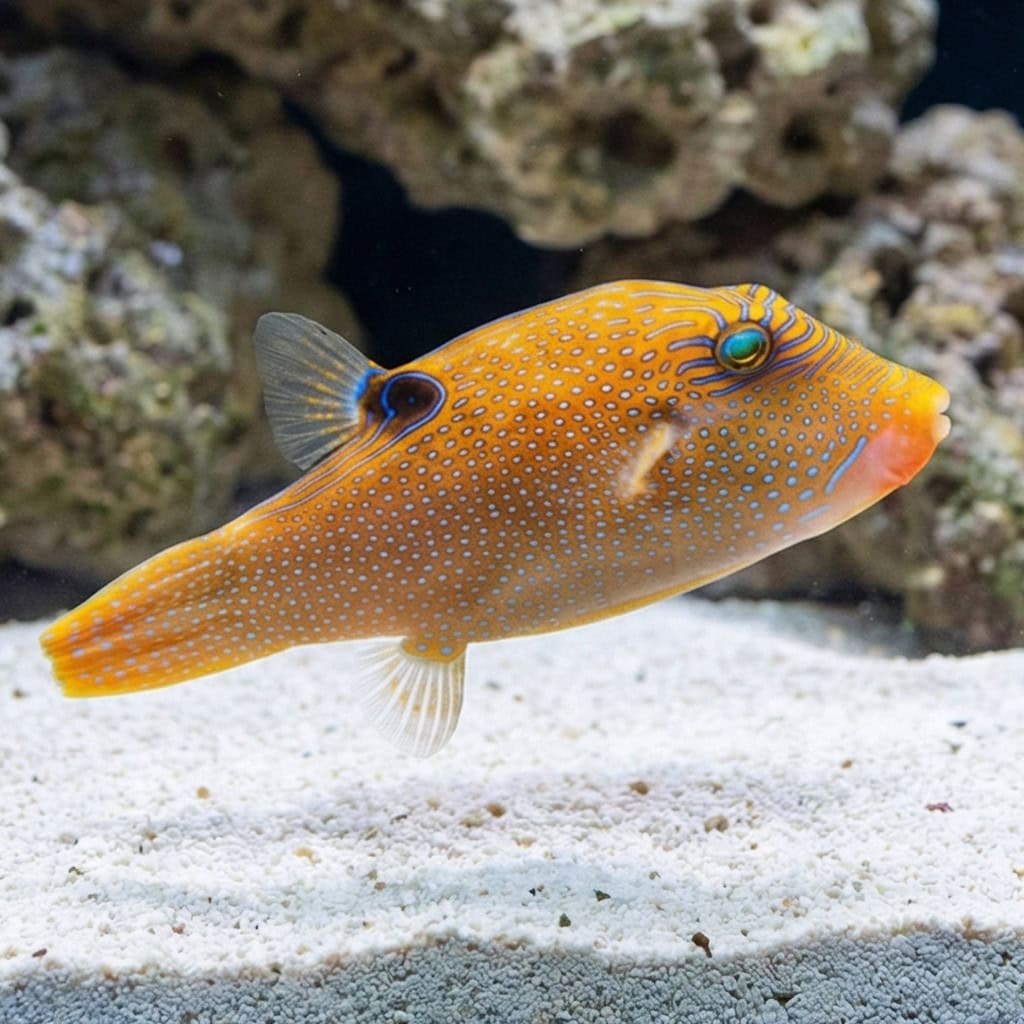
The Blue Spot Puffer (Blue Dot Toby / Blue Dot Sharp-nosed Puffer) is a compact Canthigaster puffer with a tan-to-cream body covered in blue spotting and fine facial lines. It spends most of the day cruising the rockwork using its pectoral fins, frequently stopping to “taste-test” surfaces as it explores.
What You’ll Observe:
- Regular “patrol routes” around rockwork, with frequent pauses to inspect small areas closely
- Quick, precise pecking at the glass, rocks, and feeding items once it learns your routine
- A consistent preferred sleeping spot, often wedged into a favorite crevice when lights go down
- More interaction over time, including following you along the front panel during feeding windows
Provide plenty of rockwork with caves plus open water to move through, and offer a varied mix of meaty foods along with some marine algae-based options. Include tougher, shell-on items regularly to support natural beak wear, and use a container (not a net) when transferring.
Will it “pick” at corals even if it seems well-fed?
Many individuals explore by pecking, and some develop a preference for certain polyps or fleshy corals. If it fixates on one spot, relocating that coral (or changing its placement) often changes the interaction.
Is it normal for a Blue Spot Puffer to wedge itself into rocks at night?
Yes—many keepers report a consistent “sleeping crevice” behavior where the fish settles into the same nook after lights-out.
Why does mine act calm in one tank but pushy in another?
Behavior can shift with tankmate behavior, feeding competition, and layout. In calmer communities with clear feeding access, they’re often more relaxed and interactive.
What usually happens with snails, hermits, and shrimp over the long term?
Some puffers ignore larger cleanup crew, while others progressively “test” shelled inverts as they mature. Planning for occasional cleanup-crew replacement is common in mixed systems.
Do they really learn to beg and eat from your hand?
Many do learn a predictable feeding schedule and will approach the front glass quickly. Keeping feedings consistent (and portioned) helps maintain that interactive behavior without turning every pass-by into a demand for food.
Each fish is checked for strong appetite and activity before we approve it for your tank.
Recently viewed products